
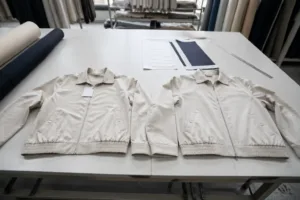
Understanding Counter Samples in ODM: The First Step After a Reference Sample
In the world of original design manufacturing (ODM), terms like “counter sample,” “reference sample,” and “factory sampling” can confuse even seasoned apparel professionals. If you’re launching a garment line or working with factories, knowing what a “counter sample” is—and why it’s vital—can save you headaches, time, and money.
At its core, a counter sample is a factory-made replica based on a client-supplied reference sample. This replica is the starting point for turning a vision into a repeatable, production-ready product. But there’s more to the journey: learning how counter samples fit into the ODM process helps you avoid missteps and set quality expectations from the start.
What is a Counter Sample in Original Design Manufacturing?

A counter sample is a physical prototype created by a manufacturer to match a client’s original or reference sample. Clients—often brands or designers—supply an existing product, known as the reference sample, which embodies the design, fit, fabric, or construction they want to replicate or modify. The factory’s job is to analyze this reference item and produce an equivalent sample, the counter sample, using their own materials, craftsmanship, and manufacturing processes.
This step forms the bridge between the customer’s idea and the factory’s capabilities. It tests if the manufacturer can truly replicate the client’s requirements, spot early challenges, and establish a shared product understanding before mass production begins.
The ODM Process: Where the Counter Sample Fits In
Original Design Manufacturing (ODM) means the manufacturer provides product design and development as well as production services. Here’s how the counter sample fits into a typical ODM workflow:
- Client shares a reference sample (sometimes only a physical product, other times along with technical data or tech pack)
- Factory reviews the sample, sources similar fabrics/trims, and creates a counter sample
- Counter sample is returned to client for review/approval
- Feedback leads to updates (multiple counter samples may be made until satisfaction)
- Once approved, further development stages, like pre-production (PP) sampling, begin
This early sampling cycle is critical when you want to avoid misinterpretation or disappointment, especially with unique fits, specialty materials, or custom finishing.
Reference Sample vs. Counter Sample: What’s the Difference?
| Aspect | Reference Sample | Counter Sample |
|---|---|---|
| Origin | Client-supplied | Factory-made |
| Purpose | Inspiration/benchmark | Match the benchmark, test replicability |
| Material Source | Original brand/factory | Supplier’s own sources |
| Who Reviews? | Factory | Client |
| Role in ODM | Defines expectations | Proves factory’s matching ability |
It’s not uncommon for brands to use a favorite item from their wardrobe as a reference sample and ask the ODM to “do this but tweak X, Y, Z.” The counter sample proves if those tweaks—or a close copy—are possible with available materials and skills.
The Step-By-Step Counter Sample Process
- Step 1: Client submits a physical reference sample to the ODM factory
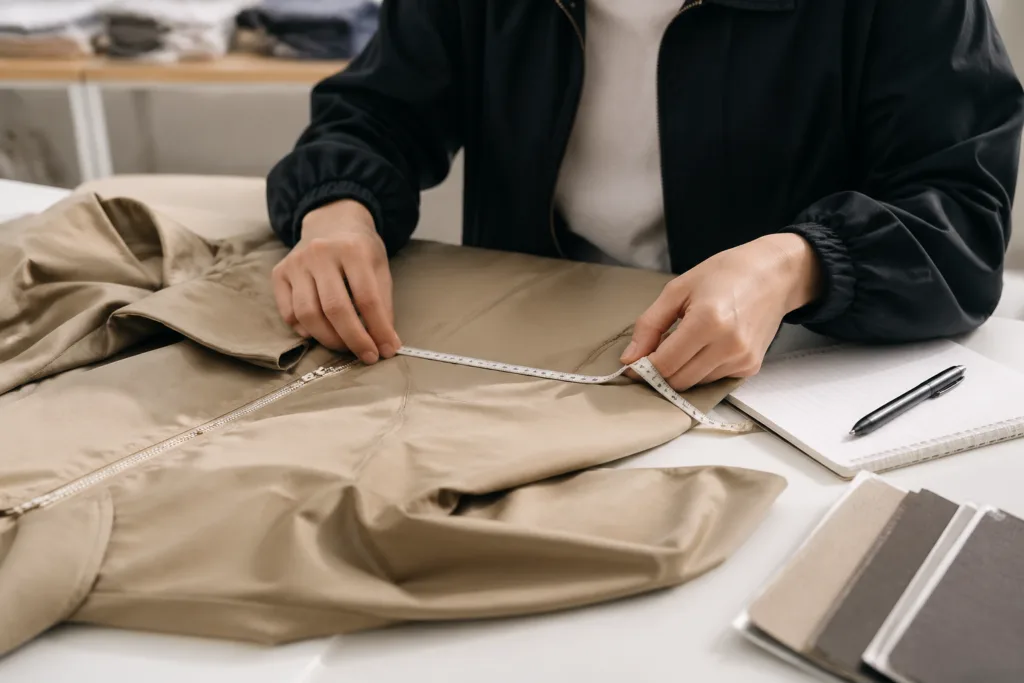
- Step 2: Factory carefully inspects and documents the sample—measuring, photographing, analyzing construction, fabric, trims, and detailing
- Step 3: Materials are matched or substituted based on what’s locally or globally available (not always a perfect match)
- Step 4: Patternmakers and technicians reconstruct the pattern, often reverse-engineering from the reference
- Step 5: Factory produces a counter sample, trying to mirror all visible and feelable traits
- Step 6: The counter sample is sent to the client for feedback; changes are noted and future samples prepared if needed
This hands-on process emphasizes the importance of technical know-how and honest expectations—matching a 100% exact clone may not be possible due to fabric sourcing differences or local techniques, but the goal is to get as close as possible and flag any unavoidable differences.
Common Challenges in Counter Sampling
Even the best factories face hurdles:
- Fabric & trim unavailability: Exact matches may be discontinued or not locally sourced, leading to substitutions
- Inconsistent measurements: Hand-measured garments or stretchy items can yield inconsistent results
- Hidden construction methods: Some sewing techniques or linings can’t be seen without deconstructing the original, risking damage
- Color variation: Dye lots and local dying methods may differ from the original garment
- Missing data: If the reference sample is used, but details like print files or artwork aren’t supplied, guesswork is sometimes involved
Experienced partners like Ninghow Apparel work directly with clients to clarify non-negotiables and suggest smart compromises—whether that’s prioritizing core features or suggesting alternative components when originals are unavailable.
Why Brands Use Reference Samples Instead of Tech Packs
Not every brand has professional tech packs, making the reference sample route the most practical option, especially for startups. A physical product communicates fit, drape, and construction with fewer words or diagrams. While tech packs remain the gold standard for precision, a reference sample can:
- Provide tactile understanding for unusual fabrics or hand-feel
- Demonstrate drape or stretch an image can’t convey
- Offer shortcuts for tight timelines or limited R&D budgets
Pairing samples with simple annotated notes or digital photos helps clarify which features must be identical and which can be flexible.
How Factories Reverse Engineer a Reference Sample
Breaking down a garment for replication is as much art as it is science. The process usually includes:
- Detailed flat measurements (length, width, sleeve, chest, etc.)
- Examining seam allowances, stitch density, and thread type
- Analyzing fabrics by hand—assessing weight, construction, and composition
- Noting special trims, branding, or hardware
- Sometimes unpicking seams or opening up hems for hidden construction tips
Factories typically create a pattern from scratch or adapt an existing in-house block, aiming for a match within agreed tolerances. Learn more about how pattern tolerances impact garment fit here.
Counter Sample Approval: What Should Brands Check?
Reviewing a counter sample is your best chance to confirm that the factory understands and can deliver on your requirements. Double-check these aspects before giving approval:
- Overall fit and silhouette compared to your expectation
- Hand-feel and visual appearance of the fabric
- Correct trims and finishing details
- Major measurements (“critical points” like chest, sleeve, length, waist)
- Stitching quality, construction method, and weight
- Print/embroidery accuracy if applicable
Record your comments directly on the counter sample or in a fit evaluation sheet to avoid confusion. Discover tips for providing actionable sample feedback in this guide.
How Many Counter Samples Are Needed?
There’s no fixed rule. Some projects sail through in one round; others require multiple iterations, especially for high-stakes products or difficult materials. Most brands budget for 1–3 rounds of counter sampling, with complexity (pleasing both design and technical specs) dictating the pace.
Digital Counter Samples: A Modern Twist?
Not all counter samples are physical these days. Some factories offer 3D digital counter samples, simulating fabrics and fits on-screen before committing to the costly process of physical sampling. This trend saves resources, reduces lead times, and can even preview changes in color or finish virtually.
Learn how hybrid sampling speeds up development in this in-depth breakdown of digital vs. physical sampling.
Role of Counter Samples in Apparel Quality Assurance
Counter samples also set the quality baseline. Approved samples act as the “gold standard” for future production runs, with the factory keeping a sealed “counter sample” on site for reference during mass production. This ensures any piece rolling off the line can be compared back to the agreed standard—minimizing surprises during final QC.
Ninghow Apparel’s Approach to Counter Sampling
From the shop floor, Ninghow Apparel’s experience suggests that clear written priorities—such as “fabric feel must match,” or “zipper can vary, but length is non-negotiable”—streamline the counter sampling process. When differences are unavoidable, proactive communication and offering side-by-side alternative swatches help brands make decisions rooted in reality, not theory. This keeps everyone focused on what matters most for the product’s success and production timeline.
Counter Sample Best Practices for Brands
- Clearly mark critical features on your reference sample
- Provide measurement charts if possible
- Circle or tag details that can be substituted (like logos, trims, zippers)
- Photograph the reference sample and annotate images to highlight must-have elements
- Be open to materials suggestions when exact matches aren’t possible
- Request written clarification from the factory on any substitutions before approving a sample
What Makes a Good Reference Sample?
A good reference sample is clean, intact, and representative of your target product. Avoid worn or stretched items—factories need to see the garment as it was meant to fit and function. Providing additional notes about fit or wearability helps bridge gaps that can’t be seen in a used item.
Cost Implications of Counter Sampling
Each counter sample involves material costs, labor for pattern making, and factory setup time. Budget realistically: most factories charge a sample fee that’s higher per unit than the ultimate production cost to cover these one-off efforts. Some may discount sample costs if large orders follow.
Timelines: How Long Does a Counter Sample Take?
Timelines depend on the sample’s complexity, material sourcing, and the factory’s current queue. Typical ranges for apparel factories:
- Simple tees/hoodies/polos: 7–14 days
- Complex outerwear or technical garments: 21–30+ days
Factories with in-house pattern making and fabric libraries can cut time; smaller workshops relying on external sourcing may take longer. For realistic time planning, see this guide to sampling lead times.
Counter Sample Approval and Next Phases in ODM
Once the client passes the counter sample, the focus shifts to refining details for pre-production (PP) samples. These are made using bulk fabrics and trims, setting the stage for the actual production run. Every change at the counter sample stage should be documented to prevent costly surprises later!
Key Documents: Tech Packs, Spec Sheets, and Sample Logs
While reference samples start the conversation, documentation like tech packs and spec sheets become more important as you finalize decisions. Factories track changes and approvals via sample logs, ensuring every detail is accessible for repeat orders or future reference.
Common Mistakes to Avoid in the Counter Sample Process
- Sending heavily worn/torn reference samples
- Not labeling must-have vs. flexible features
- Ignoring written feedback, expecting changes by memory
- Approving counter samples too soon (before fully reviewing in person)
- Under-communicating when substitutions are made
Counter Sample Variations: When Is It Not a One-to-One?
Sometimes, the counter sample intentionally varies from the reference—for example, using improved construction methods or eco-friendlier fabrics. In these cases, clarity up front prevents confusion later down the line.
Shipping Reference and Counter Samples: Tips for Smooth Logistics

Always package reference samples securely (protecting unique trims/fabric). Track your parcel, photograph contents before sending, and keep a log of dispatch/arrival dates. For counter samples sent back and forth, clear customs labeling as “sample—not for resale” helps minimize duties and delays.
FAQ: Quick Answers about Counter Sampling in ODM
Why can’t factories always perfectly match a reference sample?
Due to fabric and trim sourcing, regional material limitations, or original garment construction secrets, an exact match is rarely possible. The goal is functional and aesthetic equivalence, not 100% replication unless all materials are supplied or sourced globally.
Can I use a counter sample as a sales tool?
Absolutely. A factory-made counter sample is often shown to buyers or stakeholders to validate a design before bulk production. Just be clear if further refinements are planned before final production.
How should I give feedback on a counter sample?
Document comments directly on the sample (tags, notes, highlighted photos), focus on critical points, and be specific—avoid saying “make it softer” without explaining what aspect to change. Written, visual feedback ensures changes are understood on both sides.
Are digital counter samples as reliable as physical ones?
Digital samples are best for style, color, and fit visualization but lack tactile and functional feedback. For final approval, factories and brands usually rely on physical counter samples to check feel and construction closely.
Do all product types require a counter sample?
Most unique or custom products do. For standardized, commodity items (like basic promotional tees), counter sampling may be skipped if specs are already in the factory’s catalog and QC history.
What’s the difference between a counter sample and a proto sample?
A counter sample is created to match a reference, while a proto sample is an initial prototype made to interpret a tech pack or design drawing from scratch. In ODM, a counter sample often comes first if a client provides an original garment as the starting point.