

Understanding Sample Making Costs: What Drives the Price?
When you request a sample from a garment manufacturer, the sticker shock is real. Why are samples so expensive? The hidden costs of development are rarely obvious—yet the price you pay for a prototype can be 3–5 times the per-unit cost of bulk production. This article demystifies sample making costs, development fees, and surcharges, equipping you with honest, factory-backed insight for your next apparel launch.
The True Purpose of a Garment Sample
Samples are not just mini versions of production runs. They are your blueprint for fit, workmanship, and material choice, serving as the critical checkpoint before scaling up.
Sample Cost vs. Bulk Pricing: Why the Gap?
It’s easy to assume that a single item should cost less than mass production. Yet, with apparel samples, the price can be multiples higher. This gap signals all the hidden development work packed into a single piece—from pattern drafting to fabric sourcing.
Breaking Down Sample Making Costs
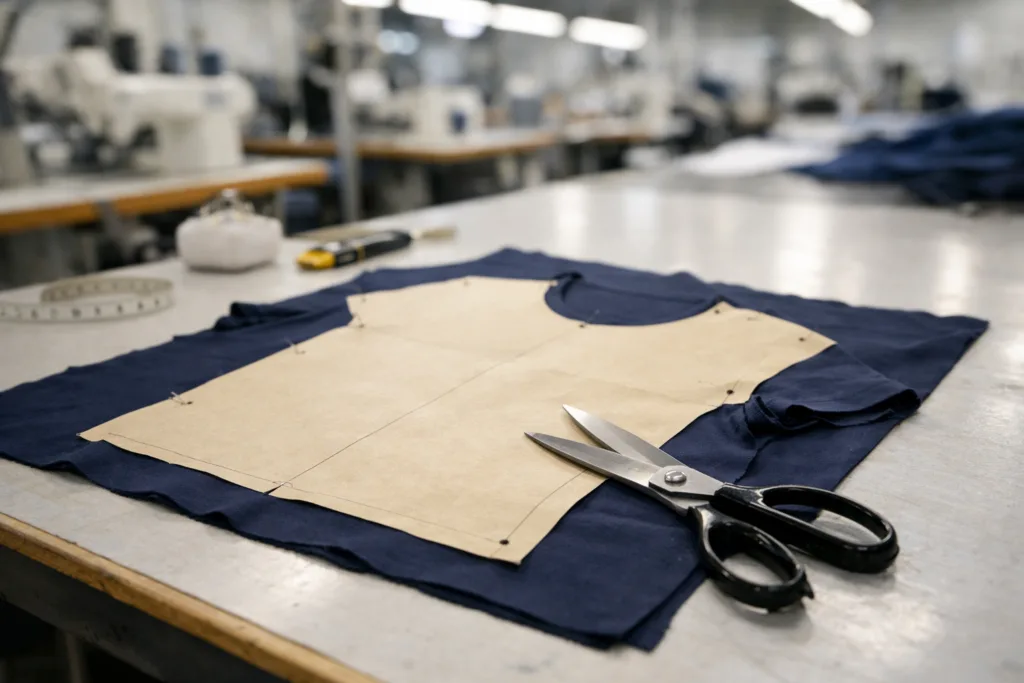
Just how expensive is making a sample? Sample making involves a stack of hidden tasks and fees that significantly increase the cost compared to producing garments in bulk.
Development Fee Components Explained
- Pattern Making: Every new sample starts with its own custom pattern—meticulously drafted and tested for fit accuracy.
- Single-Piece Cutting: Unlike bulk production, samples use much higher labor and resource intensity to cut one garment at a time.
- Fabric Sourcing: Small fabric quantities often cost more per meter due to supplier minimums and surcharges.
- Specialized Labor: Skilled sampling technicians assemble and finish the garment, often with extra attention to detail.
- Surcharges for Urgency: Tight deadlines or complex requests may attract surcharges for prioritized labor and machine time.
Pattern Development: The Foundation of Sample Cost
Pattern development is one of the most significant contributors to sample costs. The investment in fit precision, grading, and technical detailing sets the stage for all future production accuracy and consistency. Experienced manufacturers, like Ninghow Apparel, know that mistakes at this stage snowball into expensive errors at scale.
Why Single Garment Production is Costly
Unlike bulk cutting, where many layers of fabric are processed at once, each sample is cut individually—resulting in higher labor, slower efficiency, and more fabric wastage. There’s no economy of scale, which multiplies the sample cost compared to mass production.
Bulk vs. Sample: Labor & Fabric Utilization Comparison
| Cost Element | Sample Garment | Bulk Production |
|---|---|---|
| Pattern Making | Custom, labor intensive | Divided over units |
| Fabric Cutting | Single piece, slow | Stacked layers, fast |
| Labor | Specialist attention | Assembly line |
| Material Waste | High | Low |
| Sourcing Costs | Small volumes, surcharges | Bulk discount |
The Role of Surcharges in Sample Making
Sample surcharges can sneak up on buyers—especially when requesting rush orders, highly customized trims, or rare fabrics. Factories must divert labor, arrange logistics, and work outside routine production, justifying extra fees for priority handling.
Ninghow Apparel Perspective: Honest Surcharges
From the factory floor, Ninghow Apparel sees surcharges as necessary: Allocating special staff for a single sample, negotiating fabric orders below supplier minimums, and reserving machine time all represent genuine business costs. These fees are transparent and protect quality for both factory and client.
How Development Fees Differ Among Manufacturers
Development fees vary widely. Some factories bundle pattern, sample, and fit review into one charge; others break them out. Location, expertise, and technology (e.g., 3D sampling or digital twins) also influence costs.
Digital Sampling: Lowering Development Fees
Modern manufacturers are reducing sample costs using 3D fitting and digital pattern technologies. While these cannot fully replace physical samples, they help brands control upfront expenses and accelerate the revision cycle. For more, see How Digital Twins and 3D Sampling are Slashing Sample Costs: A Must-Read Guide for Apparel Brands.
Sample Fees by Garment Type: T-shirts vs. Hoodies, Shorts, Jackets
Sample development costs vary by complexity. Simple items like T-shirts carry lower fees, while hoodies, jackets, or garments with technical features (zippers, pockets, lining) demand more labor and specialized materials.
Sample Cost Comparison Table by Apparel Type
| Garment | Sample Cost Range | Key Factors |
|---|---|---|
| T-shirt | $40–$90 | Simple pattern, basic fabric |
| Polo Shirt | $70–$140 | Collar, placket detail |
| Hoodie | $100–$180 | Kangaroo pocket, lining |
| Jacket | $120–$250 | Multiple panels, hardware |
| Shorts | $60–$120 | Pockets, drawcords |
Behind the Scenes: From Tech Pack to Sample
Every sample begins with a tech pack detailing measurements, construction, trims, and materials. Creating this documentation, setting tolerances, and specifying patterns is technical, time-consuming work. For advice, check Step-by-Step Tech Pack Creation: Unlock Production Success.
Pattern Making and Grading: What You’re Paying For
Pattern making is the secret engine of sample development. Grading for size and fit, managing tolerance, and updating revisions add layers of hidden labor—each critical for minimizing sampling errors and production headaches.

Fabric Minimums and Surcharges: Why Small Orders Cost More
Fabric suppliers often require minimum order quantities (MOQ). When sampling, brands must accept surcharges for small meterage, special dye lots, or unique trims—adding substantially to sample cost.
Marker Making & Fabric Utilization in Samples
Wasted fabric is often a sampling reality. With one-off cutting and less efficient marker making, costs per meter rise. Learn how to minimize these expenses in The Factory Secrets to Maximizing Fabric Utilization: How Marker Making & Nesting Slash Material Costs.
How Fit and Revision Cycles Impact Sample Pricing
Multiple rounds of sample revisions compound labor, material, and admin costs. Each fit session, adjustment, and rework mean more technician hours and secondary material orders—factors rarely seen in quotes.
Proto, Fit, Pre-production, and TOP Sample Costs
Sampling usually stretches over four stages: Proto (design evaluation), Fit (wear test), Pre-production (final specs), and TOP (production confirmation). Each stage comes with its own labor and material fee. See Garment Sampling Stages Demystified: Step-by-Step from Proto to TOP Sample.
Quality Control in Sampling: Protecting Value for Brands
Samples are scrutinized for quality, with rigorous inspection for stitch neatness, seam strength, and precise measurements. Factories often allocate high seniority staff for these tasks, further increasing the development fee.
Reliable QC and Lead Time Management
Maintaining quality control and predictable lead times is non-negotiable in sampling. Brands pay premiums for guaranteed attention, timely delivery, and accurate garment specs.
Managing Sampling Costs: Practical Tips for Brands
Want to reduce development costs? Prepare complete tech packs, limit unnecessary revisions, streamline fabric selection, and maintain realistic timelines. Prioritize models with simpler construction to minimize complexity fees.
How to Avoid Extra Surcharges
- Order samples in standard materials
- Minimize rush requests wherever possible
- Communicate clearly with your factory (avoid changing specs mid-cycle)
Why Are Samples So Expensive? The Hidden Costs of Development
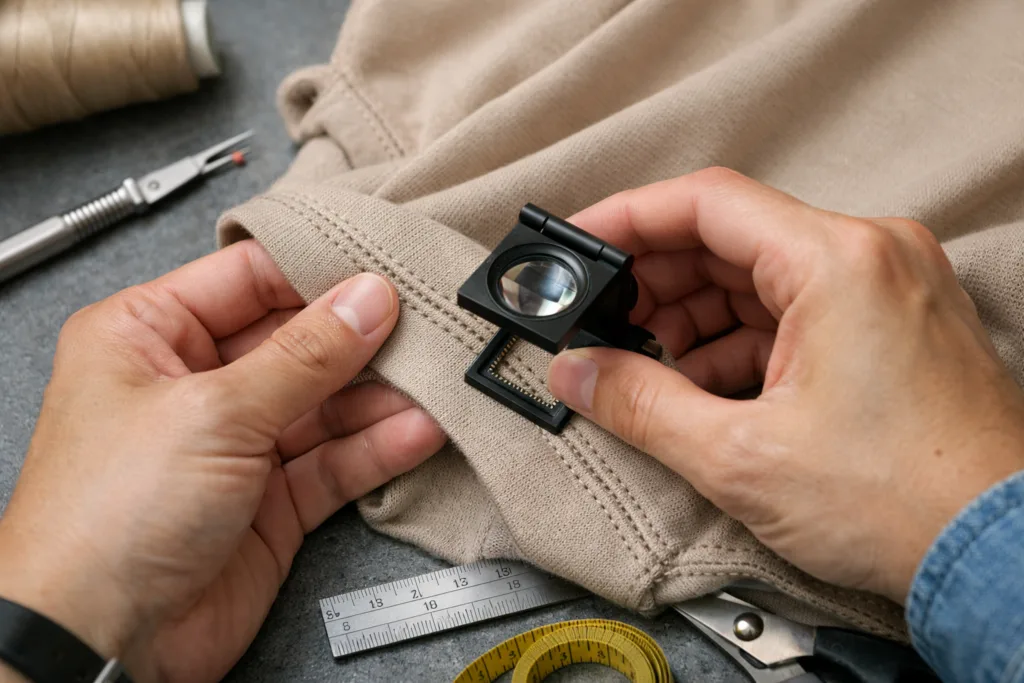
At the heart of sample pricing lies the marriage of creative development and technical execution. From pattern creation to sourcing rare trims, every step involves skilled labor, specialized materials, and intricate project management—costs that are diluted only in mass production. The next time you face a sample quote, remember: it covers far more than one garment; it’s the roadmap for your entire launch.
Frequently Asked Questions
Why is a sample garment so much more expensive than bulk production?
Samples require custom patterns, single-piece cutting, specialized labor, and often incur fabric minimum surcharges. All costs concentrate on one item instead of being spread over hundreds, making development fees 3–5 times unit bulk rates.
Can digital sampling help reduce sample making costs?
Yes, using 3D fitting and digital twins can minimize physical sample rounds and lower overall development fees, but physical samples remain essential for fit and fabric evaluation before bulk runs.
What are typical surcharges added to sample making?
Surcharges may include premium for rush orders, sourcing small quantities of fabric, extra trims, and complex changes, all reflecting additional labor and logistics outside routine workflows.
Is paying a high sampling fee worth it?
Investing in quality sampling avoids costly errors in mass production, ensures accurate fit, and protects brand reputation. The upfront fee saves time and money later by preventing mistakes.
How do manufacturers like Ninghow Apparel calculate development fees?
Factories consider pattern labor, fabric sourcing, technician hours, revision cycles, and urgency. Fees are transparent, covering real costs needed to deliver accurate samples and predictably launch production.
How can brands minimize sample costs without sacrificing quality?
Prepare clear tech packs, minimize revisions, choose simpler designs, use standard materials, and communicate directly with your factory to prevent extra surcharges.
Related Reading
- From Proto to TOP: Navigating Garment Sampling Stages for Brands
- Reduce Material Waste: Factory Marker Making Secrets Unveiled
- Unlocking Production Success: Professional Tech Pack Creation Guide
- How 3D Sampling Cuts Apparel Costs: Digital Twins Explained
- Achieve the Perfect Fit: Mastering Pattern Tolerance for Manufacturing