
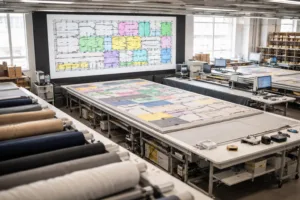
Introduction: Marker Making & Nesting—Maximizing Fabric Utilization
Efficient marker making and fabric nesting are at the heart of cost control for apparel manufacturers. With materials forming a significant portion of production costs, the ability to maximize fabric yield and minimize waste can mean the difference between profit and loss. Whether you’re designing classic polos, hoodies, or trend-driven T-shirts, strategic pattern layout is essential. This guide dives deep into marker making, nesting efficiency, and actionable steps to minimize waste—showcasing how smart factories slash fabric costs and streamline production.
Understanding Marker Making: The Blueprint for Fabric Cutting

Marker making refers to the intricate process of arranging pattern pieces onto fabric so that every inch is used thoughtfully. Traditionally, this was done by hand, but today, digital solutions offer unmatched precision. Factories rely on accurate markers to standardize cutting, reduce errors, and drive down fabric consumption. As proper sizing is essential, marker making ensures every size fits the layout without compromising fit or design integrity.
The Importance of Fabric Yield in Cost Control
Fabric yield—how much of the raw material is actually used in finished products—directly affects bottom lines. Even slight improvements in yield can add up to substantial savings across bulk orders. By analyzing fabric behavior (stretch, direction, width), manufacturers can tailor their marker making approach to maximize every roll. This matters not only for traditional apparel items, but also modern styles like tanks and vests where many sizes coexist on a single marker.
Key Fundamentals of Nesting Efficiency
Nesting—the strategy of placing different pattern pieces closely together—reduces gaps and leftover scraps. Highly efficient nesting means more garments per roll, less waste, and optimal cost performance. Digital nesting tools calculate thousands of arrangements in seconds, picking the layout that scores highest on fabric economy. This isn’t just about saving money; it’s also about responsible sustainability, meeting growing demand for eco-friendly manufacturing.
How Factories Minimize Waste: The Smart Production Approach
Factories use several proven tactics to cut waste:
- Meticulous marker making—using CAD systems for high accuracy
- Regular pattern reviews—adapting templates for recurring orders
- Fabric-specific nesting—accounting for defects, directionality, and shrinkage
- Continuous improvement—monitoring yield and adjusting cutting protocols
Ninghow Apparel, with years of hands-on experience, highlights the value of communication between pattern engineers and cutting teams. Even minor tweaks to placement or orientation can unlock thousands in annual savings. Production leads always stress training staff to check marker accuracy before commencing bulk cutting—one overlooked layer can compromise an entire batch.
Digital vs. Manual Marker Making: Pros, Cons, and Hybrid Approaches
Manual marker making relies on technical skill and experience, but is slower and prone to human error. Digital solutions (such as CAD software) bring speed, consistency, and rapid adjustment capabilities to the table. Hybrid models often work best: initial layouts by hand, refined digitally for production scale. This approach is especially favored for complex styles or limited runs where experimentation is needed before finalizing the layout.
Marker Planning for Different Fabric Types
Fabric type matters. Denim, knits, mesh, and synthetics each demand unique strategies. For mesh or stretchable materials, markers must respect grainline and stretch direction to preserve both fit and durability. For stable wovens and heavier materials, maximizing width is key—even minor misalignments can cause visible defects after assembly. Factories often run test cuts with new materials to optimize marker logic before ramping up for full production.
Marker Making & Nesting: Maximizing Fabric Utilization
Marker making and nesting are not just technical steps—they’re foundational to a lean, efficient manufacturing process. By honing these skills, factories can minimize waste, boost fabric yield, and gain a competitive edge. For example, revisiting marker layouts on repeat orders regularly uncovers new opportunities for optimization.
Fabric Waste: Quantifying the Impact and Solutions
On average, 10–17% of fabric ends up as waste without proper marker making. That’s thousands of dollars lost per production cycle. Yet with modern nesting, factories are now achieving below 5% waste rates. Implementation of marker audits, digital review, and continual improvement are key. By quantifying waste, manufacturers can set realistic targets—and measure progress across seasons.
The Role of Pattern Making in Marker Planning
Patterns drive marker efficiency. Tighter tolerances and smart grading ensure pieces align perfectly and avoid unnecessary gaps. As noted in outsourcing pattern making guide, collaboration between designers, pattern makers, and production teams ensures every pattern fits both style and marker constraints.
Advanced Nesting Algorithms: Technology Meets Apparel Manufacturing
Modern software leverages AI-driven algorithms for complex nesting scenarios. Markers are produced in minutes, tested virtually, and sent directly to automated cutters. This removes guesswork and minimizes trial-and-error. Algorithms weigh shape, grain, size range, and even defect zones to craft optimized layouts. Factories investing in these systems report lower waste and faster lead times.
The Link Between Marker Making and Sustainability
Reducing fabric waste isn’t just about cost—it also supports environmental responsibility. Sustainable factories strategically use leftovers for accessories or donate scraps, aligning with eco-conscious fashion trends. The push for circular manufacturing depends in part on marker efficiency. Brands today increasingly ask manufacturers for evidence of low-waste practices as part of their environmental audits.
Challenges in Marker Making: What Can Go Wrong?
Common pitfalls include:
- Incorrect grading or size sets resulting in misaligned markers
- Unexpected fabric flaws or roll irregularities
- Failure to update marker logic for new trims/design changes
- Lack of communication between design, pattern, and production teams
Each issue can escalate costs or delay shipments. Experience teaches that regular cross-functional review is essential, especially before starting production using new fabrics or designs.
Case Study: Marker Improvement for Polo Shirts
When a manufacturer switched from manual marker planning to digital nesting for their polo shirt line (see more about polos), fabric yield rose by 8%. Greater flexibility enabled quick resizing for colorways, and scrap rates dropped instantly. Staff were retrained in digital audit methods so marker changes reached the factory floor fast, not weeks later.
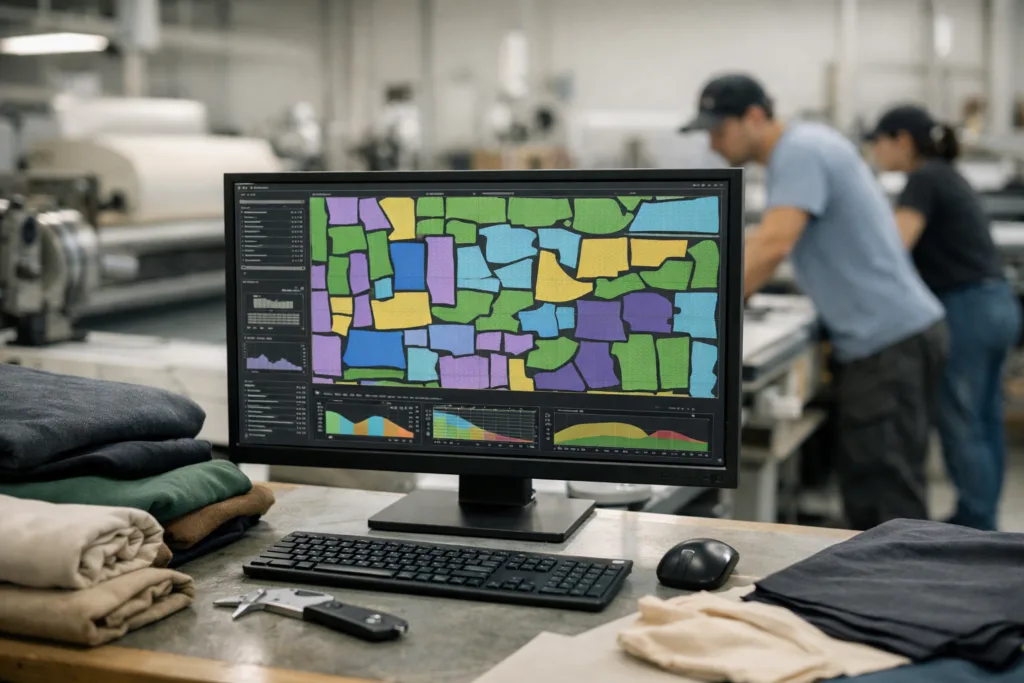
Real-World Factory Floor Tips for Marker Making
- Always double-check marker printouts before loading fabric onto cutters
- Involve QC managers early; one overlooked size can distort margins
- Keep a marker audit log—track each run for performance improvements
- Regularly brief cutting staff on marker changes
Practical, direct communication helps prevent errors that cost time—and fabric.
Strategies for Handling Fabric Defects Within Markers
Rather than discarding whole sections, advanced factories mark defects and exclude them from marker layouts, adjusting the placement dynamically. Digital systems let production leads reroute pieces around problem zones, shrinking waste and preserving yields. This level of flexibility is especially critical for premium runs or sustainable brands.
Layering Techniques: Thinner vs. Thicker Fabrics
Layering (spreading fabric in multiple plies) is a core production tactic. Thin knits may require hundreds of layers, thicker denims far fewer. Marker making must adapt for thickness, ensuring every piece is accessible and cut accurately. Layer misalignment can degrade yield; factories invest in spreading machines and precise tracking to avoid this major issue.
Inspecting and Maintaining Marker Quality Over Time
Consistent inspection is crucial. Factories keep marker archives and update them when new sizes or trims are launched. QC teams regularly audit marker results against fabric yield targets, using feedback to refine both cutting logic and pattern templates.
Cutting Room Collaboration: Role of Marker Technicians
Marker technicians bridge design intent and factory execution. Their expertise pinpoints ways to squeeze more out of each roll—sometimes by rotating, flipping, or clustering patterns in ways designers hadn’t considered. Ongoing training equips them to spot new savings opportunities as styles evolve.
Apparel Types: Tailoring Marker Logic for Different Products
T-shirt markers favor straight layouts for stretch and sizing. Shorts, tanks, and hoodies may need mixed markers to balance pocket, sleeve, and body pieces. Makers like shorts manufacturers build custom markers to fit product-specific constraints. These strategies ensure every SKU delivers target yield metrics.
Managing Marker Updates When Designs Change
When new trims, pockets, or length changes are introduced, marker logic must be reapproved. Smart factories set up review cycles coinciding with design launches, so updated markers are validated before final bulk production. This prevents unexpected mismatches that lead to waste and delays.
Reporting and Tracking Fabric Consumption Benchmarks
Factories create detailed reports for each marker run—tracking actual vs. theoretical yield, highlighting exceptions, and feeding this data back into the next round of marker planning. Over time, consumption benchmarks help managers forecast costs more accurately and identify best practices for future orders.
How Quality Control Intersects with Marker Making
Quality control teams play a vital role. Their early review detects marker errors, misplaced pieces, or layering issues. Effective QC communication ensures yield isn’t ruined by overlooked faults. Production leads document marker issues, trace root causes, and institute corrective action for future cycles.
Future Trends: AI and Automated Nesting in Apparel Manufacturing
AI and machine learning are revolutionizing nesting. Systems learn from past marker layouts, fabric behaviors, and yield results—fine-tuning new marker arrangements with each batch. Automated cutters paired with AI-driven markers allow rapid, precision layouts, promising further drops in waste and even faster lead times for custom styles.
Conclusion: Practical Takeaways for Effective Marker Making & Nesting
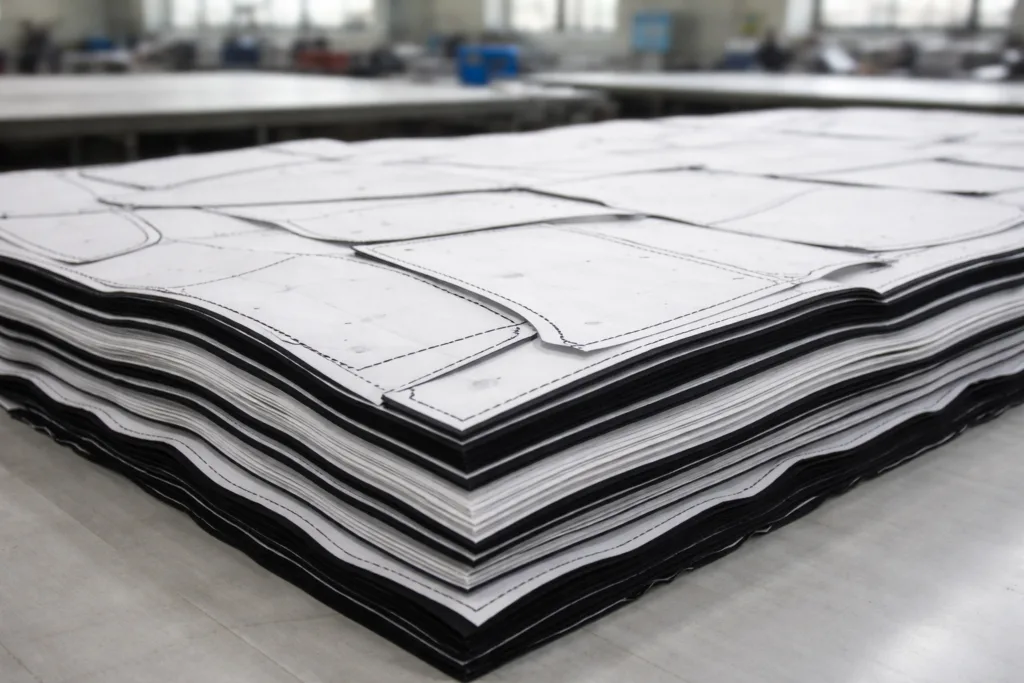
Maximizing fabric utilization depends on getting marker making and nesting right—combining technology, teamwork, and ongoing improvement. By paying attention to pattern fit, digital tools, and cross-functional communication, factories cut waste and unlock cost savings. This benefits not only the bottom line, but also drives responsible production as demanded by today’s buyers. With these principles in mind, apparel businesses can confidently streamline their fabric usage and stay competitive.
Frequently Asked Questions
What is marker making and why is it important?
Marker making is the process of arranging pattern pieces efficiently on fabric before cutting. It’s crucial for minimizing waste, ensuring accurate sizing, and keeping material costs under control.
How does nesting improve fabric utilization?
Nesting places patterns close together, reducing empty space and waste. Advanced nesting software finds the optimal layout, helping factories use more of the fabric in each production cycle.
Can digital marker making replace manual techniques?
Digital marker making offers faster, more precise results, but manual techniques still play a role in initial layouts and unusual designs. The hybrid approach allows flexibility and continuous improvement.
What are common mistakes in marker making?
Mistakes include poor grading, neglecting fabric direction, outdated templates, and lack of communication among teams. Regular audits help prevent costly errors.
How do factories handle fabric defects during marker making?
Factories mark defects and adjust pattern placement to avoid them, using digital tools for dynamic rearrangement. This keeps waste low and maintains product quality.
Why does fabric yield affect apparel pricing?
Fabric yield determines how much material is used versus wasted. Higher yields mean lower costs per garment, impacting pricing and profitability. Efficient marker making directly influences this metric.