
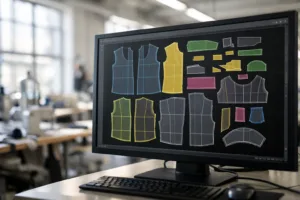
Introduction: Digital Pattern Making Revolutionizes Manufacturing
The world of apparel production is rapidly evolving, and the theme of digital pattern making: why CAD is the future of manufacturing has become a central concern for brands, factories, and designers alike. As technology shapes every step from concept to finished garment, traditional manual pattern making is now being replaced by cutting-edge CAD (Computer-Aided Design) tools such as Gerber and Lectra. This shift not only bolsters creative flexibility but also lets teams achieve sharper accuracy, quicker revisions, and superior fabric utilization for digital fashion — driving today’s manufacturing toward smarter, leaner processes.
Let’s explore how digital pattern making is transforming clothing production, why precision, speed, and efficiency have never mattered more, and how CAD systems are redefining the standards for success across the industry.
Understanding Digital Pattern Making: Why CAD is the Future of Manufacturing

Digital pattern making leverages advanced software to create, modify, and manage garment templates. CAD systems like Gerber and Lectra empower manufacturers and designers to digitally draw, test, and grade patterns with pinpoint control. This approach eliminates many manual errors, streamlines workflows, and supports complex designs for today’s digital fashion landscape.
Key Functions of CAD in Pattern Making
- Drafting and editing patterns on screen
- Automatic grading for size ranges
- Seam and measurement accuracy control
- Precise simulation of fit and drape
- Simplified production-ready output
The Shift from Manual to CAD Patterns
Historically, pattern makers used paper, pencils, and scissors to create garment templates. While skilled artisans brought deep expertise, the process was slow, labor-intensive, and prone to costly errors. Today, digital CAD software offers a new standard. It enables quick pattern development, instant revision, and seamless communication with production teams. Factories adopting electronic pattern making have seen clear improvements in reliability and efficiency.
Deep Dive: Gerber vs. Lectra for CAD Patterns
Among CAD solutions, Gerber and Lectra lead the global market. Gerber excels in user-friendly tools and widespread compatibility, while Lectra is recognized for integrated workflows and strong digital fashion capabilities. Both help manufacturers unlock faster sample creation and tighter QC across production lines.
| Feature | Gerber | Lectra |
|---|---|---|
| User Interface | Intuitive, customizable | Professional, advanced |
| Fabric Simulation | Basic physics, fit check | Enhanced 3D digital fashion |
| Production Export | Standard DXF formats | Advanced PLM integration |
| Market Adoption | Global factories, SMBs | Large brands, technical fashion |
Top Advantages: Precision, Modification Speed, and Yield
CAD pattern systems surpass manual methods by offering three standout benefits:
- Precision: Tiny details, exact measurements, and error-free grading — critical for consistent fit and quality control.
- Modification Speed: Quick edits, scalable updates, and instant sample outputs. This keeps designers agile and production responsive.
- Fabric Yield Optimization: Efficient layout (nesting) and automatic calculations for less waste, saving costs and boosting sustainability.
For brands wanting custom sizing or experimenting with new textiles, these capabilities are a game-changer. See Ninghow Apparel’s practical tips on clothing customization and sizing for real-world impact.
How Digital Pattern Making Improves Fit and Quality
Fit is the foundation of garment success. CAD empowers teams to digitally adjust fit specs, simulate drape, and visualize samples before cutting fabric. For factories, it means fewer reworks, less trial-and-error, and more confidence that the finished piece matches the spec.
CAD and Digital Fashion: A New Era of Design
The rise of digital fashion — virtual garments, 3D samples, and digital showcases — has pushed CAD tools into new territory. Designers now build collections for both physical production and digital platforms, using Gerber and Lectra to create assets that work seamlessly across channels. The future is a hybrid world where digital pattern making supports both runways and VR closets.
Comparing Digital Pattern Making Tools: CLO3D, Gerber, Lectra
Beyond Gerber and Lectra, software like CLO3D is gaining popularity for its immersive visualization and real-time pattern manipulation. Here’s how they match up:
| Tool | Main Strength | Ideal Use Case |
|---|---|---|
| CLO3D | 3D simulation, instant preview | Digital fashion, design teams |
| Gerber | Physical production, grading | Factory, OEM manufacturing |
| Lectra | Integrated digital workflow | Enterprise, technical fashion |
Technical Insights: Nesting for Fabric Efficiency
Nesting refers to arranging pattern pieces to extract maximum output from each roll of fabric. CAD software calculates complex layouts, reduces offcuts, and automates waste-saving strategies that would be nearly impossible manually. High-yield nesting translates to lower costs and leaner inventories.
For more practical manufacturing steps, read our Apparel Manufacturing Step-by-Step Guide.
Dynamic Modification: CAD Makes Revision Easy
Changes are inevitable in garment development. CAD pattern systems let teams modify templates in minutes, save multiple versions, and respond to tech pack updates instantly. This capability means faster sampling, fewer mistakes, and smoother communication with suppliers.
Discover best practices for document control in our guide to dynamically updating tech packs.

Quality Control: Digital Patterns Support Consistency
Exact pattern records and digital archives enable factories to produce repeat orders with consistent quality, even years later. Electronic files protect against lost templates, misplaced paper blocks, or misinterpreted handwritten notes — especially important in factories managing hundreds of SKUs.
CAD’s Impact on Sustainable Manufacturing
Reducing waste and overproduction is a central goal for sustainable brands. CAD-driven pattern making supports eco-friendly practices by minimizing fabric loss, enabling tighter cut plans, and streamlining production workflows. Digital systems also help companies track sustainability metrics and share transparent data with buyers.
Collaboration and Workflow: Team Advantage
Designers, pattern makers, and production teams can work simultaneously across CAD files. Versioning, annotations, and live feedback speed up development and simplify troubleshooting when specs change. This interconnected workflow is especially valuable for brands manufacturing in multiple locations.
Real-World Insights: Ninghow Apparel’s Shop-Floor Experience
On the shop floor, Ninghow Apparel found that digital pattern systems slashed sample turnaround time, improved size consistency, and eased communication between designers and sew teams. By linking pattern files directly to cutting machines, QC tracking is more reliable, and shrinkage allowances are calculated automatically during production — supporting better outcomes for both bulk and custom orders.
Integrating CAD with Tech Packs and Production Docs
Pattern files are only one part of the puzzle. CAD tools integrate seamlessly with digital tech packs, spec sheets, and quality checklists, creating a full data trail from design to delivery. This integration helps factories minimize misunderstandings and handle revisions efficiently.
Industry Trends: Digital Fashion and Mass Customization
Consumers now expect quick turnarounds, niche fits, and mass customization. Digital pattern making enables these demands, letting brands launch limited collections, test fit variations, and pivot designs without costly retooling. For digital fashion, patterns are used to create virtual samples for influencer content, online stores, and brand campaigns.
Challenges and Solutions: Digital Pattern Making in Practice
Adopting CAD systems does require new skills and upfront investment. Common challenges include training teams, adapting manufacturing routines, and integrating legacy patterns. The solution: phased rollouts, frequent workshops, and ongoing support. Factories that plan carefully realize rapid gains in yield, accuracy, and production speed.
Comparing Manual and Digital Techniques: A Practical Review
| Aspect | Manual Pattern Making | CAD Digital Pattern Making |
|---|---|---|
| Accuracy | Depends on skill and patience | Software-calculated, repeatable |
| Modification Speed | Slow, error-prone | Instant, scalable |
| Fabric Usage | Estimated, lots of waste | Optimized, tracked |
| Data Sharing | Physical transfer, risk of loss | Digital, secure storage |
The Role of CAD in OEM and Private Label Manufacturing
For OEM/private label manufacturers, CAD empowers custom sizing, rapid prototyping, and precise spec adherence. Brands can confidently produce unique fits, small batch orders, or exclusive styles knowing their patterns are digitally archived and easily updated.
Expert Tips: Getting the Most from CAD Pattern Software
- Invest in staff training for smooth adoption
- Maintain digital archives for version control
- Regularly review grading and size accuracy
- Collaborate with suppliers via shared files
- Update tech packs to match digital changes
Looking Ahead: CAD Patterns Unlock Digital Fashion’s Future
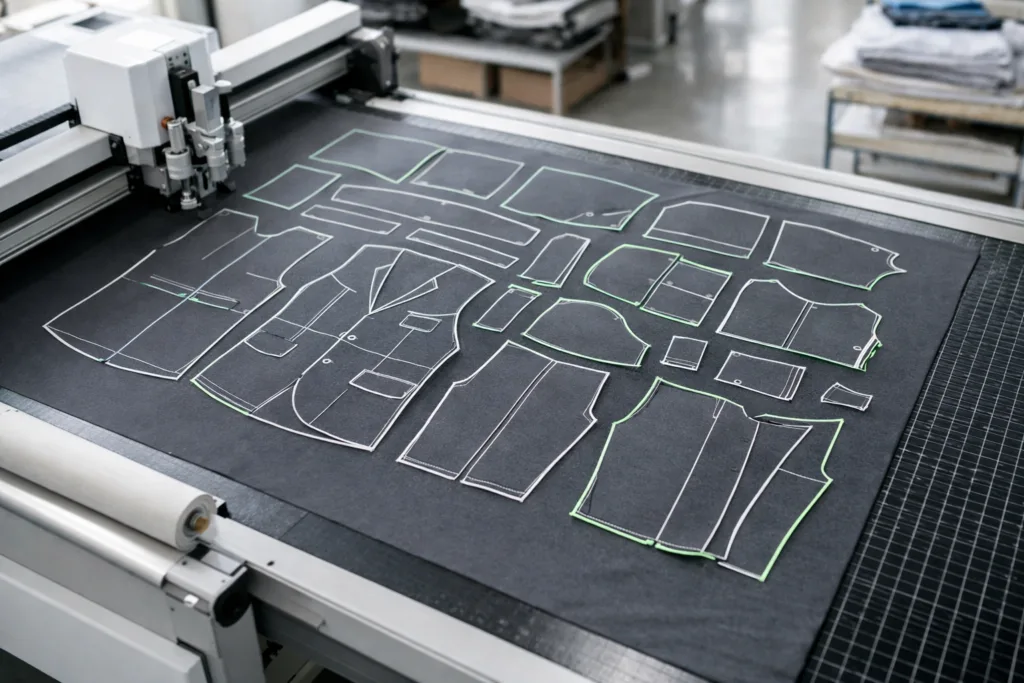
As digital pattern making matures, factories and brands will continue to push the boundaries of speed, precision, and creativity. CAD not only drives efficiency for physical garments but powers the next evolution of digital fashion — enabling designers, production leads, and manufacturers to collaborate globally and react instantly to new trends. The future belongs to those who harness CAD for smarter manufacturing, better fit, and leaner operations.
Frequently Asked Questions
How does CAD pattern making improve garment accuracy?
CAD tools offer software-calculated measurements, precise grading, and digital simulations that minimize manual errors and improve overall garment accuracy.
Can digital pattern making reduce fabric waste?
Yes. Automated nesting and layout features in CAD optimize fabric use, significantly reducing offcuts and lowering production costs.
What is the difference between Gerber and Lectra CAD systems?
Gerber focuses on ease-of-use and compatibility, while Lectra offers integrated workflows and enhanced digital fashion tools. Both lead in industry adoption.
How can manufacturers transition from manual to digital patterns?
Start with phased software rollouts, invest in training, and gradually blend digital workflows with existing manual techniques for a smooth transition.
Does CAD pattern making support mass customization?
Absolutely. Digital patterns can be modified quickly for custom fits, sizes, and limited collections, supporting brands’ mass customization strategies.
How does Ninghow Apparel leverage digital pattern making?
Ninghow Apparel uses CAD for faster sampling, consistent fit, and reliable QC tracking, improving outcomes for both bulk and custom garment orders.
Related Reading
- Shirt Selection Made Easy: Types and Choosing Tips for Brands
- Master the Vocabulary: Essential Seams, Stitches, and Finishes for Apparel
- Freelancer vs Factory Tech Pack Costs: What Brands Must Know
- Excel, Techpacker, or CLO3D: Which Digital Tool Suits Your Production?
- Step-by-Step Tech Pack Creation: Boost Your Manufacturing Success