
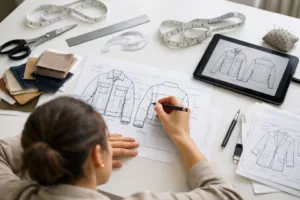
Understanding Tech Packs: The Blueprint for Apparel Manufacturing
A tech pack is the foundation of any successful clothing production. It acts as a detailed map, describing every part of a garment—materials, measurements, construction details, and more. Whether you’re a startup or an established brand, having a clear, well-prepared tech pack makes the manufacturing process smoother and less risky. The question every brand faces is: Should you invest in a tech pack from a freelance designer or let the factory’s in-house team handle it? Both paths have distinct costs, benefits, and potential pitfalls. This article explores The Cost of Creating a Tech Pack: Freelancer vs. Factory Services with real-world examples and cost-comparison insights to help you make the right financial and strategic move.
The Cost of Creating a Tech Pack: Freelancer vs. Factory Services

Apparel brands often wonder about the real tech pack cost and which route—hiring an independent technical designer or using a factory’s in-house design service—offers the best value. Both options can lead to production-ready documents, but the price, risk, and quality vary. Let’s break down each approach, compare their costs, and reveal which works best for different product scenarios.
What Is Included in a Tech Pack?
A robust tech pack covers:
- Flat sketches (front/back views)
- Measurements & grading rules
- Fabric & trim details
- Construction methods
- Labeling & packaging notes
- Colorways & print artwork
- Bill of materials
For a deep dive, see What is a Tech Pack? Discover Why It’s Every Fashion Brand’s Must-Have Blueprint.
Why Tech Packs Drive Costs in Fashion Production
Tech packs are more than paperwork—they’re essential for accurate cost estimates, order accuracy, and production speed. Precise tech packs minimize costly mistakes, miscommunication, and deadline slips, which can otherwise lead to major financial losses, particularly when working with overseas factories.
Freelance Technical Designer: Pros, Cons, and True Costs
Hiring an independent designer is popular among small brands and startups who want direct creative control or lack factory connections. Here are key points to consider:
Typical Freelancer Tech Pack Pricing
Pricing structures in the freelance world can differ, but most charge either a flat rate per style or an hourly fee. In 2024, expect:
- Basic tech pack (simple T-shirt): $100–$200
- Medium complexity (hoodie, trousers): $200–$400
- Highly technical or outerwear: $400–$800+
These fees usually include 1–2 revision rounds. Extensive changes or extra fit sheets cost more. Designer reputation, technical specialty, and geographical region also influence costs.
Advantages of Freelance Tech Pack Design
- Creative freedom and control over details
- Direct communication for specific needs
- Often faster and more in-depth for design-heavy products
Drawbacks and Hidden Expenses
- May lack factory insight into production constraints
- Files sometimes require translation for specific makers
- Possible delays (especially with time zones or solo operators)
Sometimes, even detailed freelancer tech packs lack critical manufacturing input, leading to unexpected sampling iterations. For further pitfalls, read Avoid Production Delays: 5 Tech Pack Mistakes to Prevent Costly Errors.
Factory In-House Tech Pack: Process, Pricing, and Trade-offs
Many full-service clothing manufacturers offer in-house tech pack and pattern development, especially if you plan to produce with them. The cost structure may be bundled (included in sampling fees), discounted, or billed separately.
Standard Factory Pricing Explained
- Bundled in first sample charges: $0–$150 per style
- A la carte (if not sampling at the factory): $100–$350 per style
- Some factories include 1–2 revisions; additional edits extra
Pricing varies by region—China, Vietnam, and Bangladesh often subsidize this cost for production orders, while US/EU factories may charge more up front.
Benefits of Factory Tech Pack Services
- Tailored directly for the production line, so fewer missteps
- Usually includes practical production suggestions (e.g., fabric availability, finishing options)
- Streamlined communication—design and samples are managed together
Potential Limitations and Watch-Outs
- Less creative freedom—factories may standardize or simplify features
- Tech pack may be ‘locked’ to the facility (challenging to use elsewhere)
- Not all factories offer high-level CAD or digital sketching sophistication
Working with a factory also means clarity on who owns the CAD files or patterns—read contracts closely.
Direct Cost Comparison: Freelance vs. Factory Services
| Service | Base Price (USD) | What’s Included | Best For |
|---|---|---|---|
| Freelancer | $100–$800+ | Custom design, edits, direct creative input | Brands needing unique features, early-stage sampling |
| Factory In-House | $0–$350* | Batched with sampling, production feasibility, less creative | Brands with finalized ideas, ready for bulk |
*Some factories bundle costs into sampling fees or offer discounts for committed orders.
Key Differences That Impact Your Budget
- Freelancer designs require more revisions if manufacturer pushes back on practicality
- Factories may lower the upfront cost but add fees elsewhere (samples, pattern adjustments)
- The quality, speed, and creative outcome are dramatically impacted by accurate communication at every stage
When “Hybrid” Solutions Make Sense: Combining Freelancer & Factory Input
Sometimes the smartest approach is a blend—use a freelancer for initial creative sketches, then let your chosen factory tweak, complete, or adapt the tech pack for their production line. This can streamline the ramp-up phase, especially if you have unique branding or trims. Learn more about how factories adapt designs to their equipment and material stock.
Case Study: Real-World Workflow and Cost Analysis
Let’s look at an example: A brand developing two products—a basic T-shirt and a complex outerwear jacket.
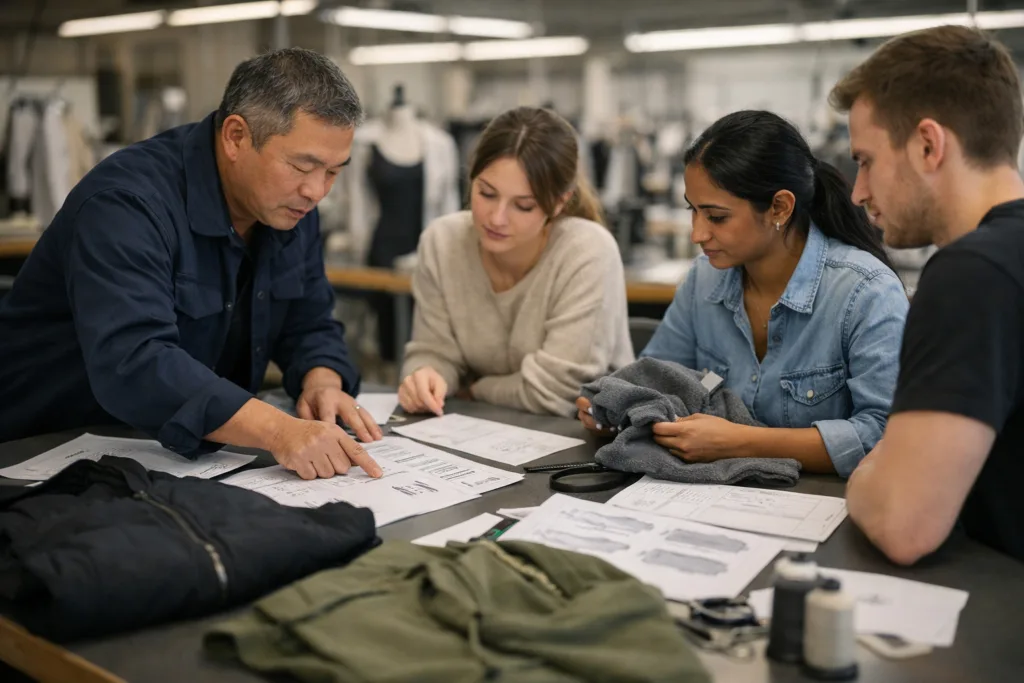
- Basic T-shirt: A freelance tech pack is $120; the factory offers in-house design for $70 when you sample with them. The in-house file meets the factory’s cutting, sewing, and QC requirements from the start—helping avoid corrections later.
- Technical Outerwear: A specialty freelance designer charges $450+ (they include custom lining, hardware, and seam taping details). The factory’s in-house service is $200, but their sketches may not match the creative intent and need extra explanation or sampling rounds.
The optimal choice depends on your product’s complexity and your creative needs. Sometimes, technical garments benefit from a hybrid path—freelancer for concept, factory for production tweaks.
Common Pitfalls and Cost Traps—And How to Avoid Them
Some mistakes can inflate the true cost of tech pack creation:
- Assuming all factories provide in-depth design support (they don’t—many expect a finalized tech pack!)
- Failing to clarify tech pack ownership: can you take your file to another producer if needed?
- Multiple sampling rounds caused by vague or incomplete files
- Overlooking the importance of correct fabric and trim specification—get details from the start!
For more on this, explore The Crucial Distinction: Tech Pack vs Spec Sheet in Apparel Production.
Ninghow Apparel’s Perspective: Practical Realities in Tech Pack Creation
From a factory floor perspective, Ninghow Apparel has seen both the good and the bad in tech pack handoffs. When a brand provides a clean, factory-ready tech pack, the sampling process tends to be fast, with fewer corrections. But when files arrive with ambiguous instructions or artsy sketches instead of actionable patterns, the production line can stall, leading to longer lead times and increased costs. Sometimes, it’s better to let the factory’s technicians re-interpret the details for their sewing floors—especially for basics—but for fashion-forward releases, outside creative help can add true value. The key: always clarify exactly what’s included and who owns the final files before you invest.
How Product Type and Quantity Impact Tech Pack Cost
Your product’s complexity and planned order quantity play a major role. Simple, high-volume basics (like polos or T-shirts) are often more economical with a factory’s in-house support—see more about these product types at Polo Shirt Supplier. For niche items or low MOQ orders, freelancers give you tailored attention but may cost more per unit. Brands with multiple similar styles can often negotiate bundle deals with freelancers or get package discounts from factories.
Fast Fashion, Small Batch, and Startup Tips
Speed to market matters, especially for trend-driven brands. Factories offering end-to-end design and sampling save precious weeks compared to iterating with freelancers who aren’t familiar with your manufacturer’s equipment or QC standards. However, for unique samples—or if you’re still pitching your line to investors—a freelancer’s creative flexibility may be more valuable in the early stages.
IP and Ownership: Who Controls Your Designs?
This is a hidden cost many brands overlook. Factories sometimes retain the rights to tech pack files or patterns they create, especially in overseas markets. Freelancers typically hand over full digital files, but ALWAYS confirm in your contract. If you plan to switch producers later, owning your tech pack is crucial.
Digitization, 3D Tools, and the Impact on Cost
Some advanced freelancers and forward-thinking factories use 3D tools like CLO3D or Techpacker. These platforms add cost (training, software fees, digital sampling), but greatly improve accuracy and speed. For a cost breakdown of popular software, see Excel vs. Techpacker vs. CLO3D: 3 Must-Know Differences for Smarter Fashion Production.
Summary Table: Should You Choose a Freelancer or Factory for Your Tech Pack?
| Decision Factor | Freelancer | Factory In-House |
|---|---|---|
| Upfront Cost | Higher for complex items | Often discounted with samples |
| Revision Flexibility | Direct, but may cost more | Usually 1-2 changes included |
| Production Alignment | May need translating | Directly aligned to equipment |
| Creative Freedom | High | Standardized, may limit extras |
| File Ownership | Usually full handoff | Varies—clarify! |
Best Practices for Managing Tech Pack Costs
- Clarify expectations and deliverables before hiring a freelancer or committing to a factory’s service
- Ask for references or past examples—quality varies widely on both sides
- Bundle multiple styles to negotiate better rates
- Double-check file ownership and transfer rights BEFORE payment
Conclusion: Making the Smart, Cost-Effective Choice
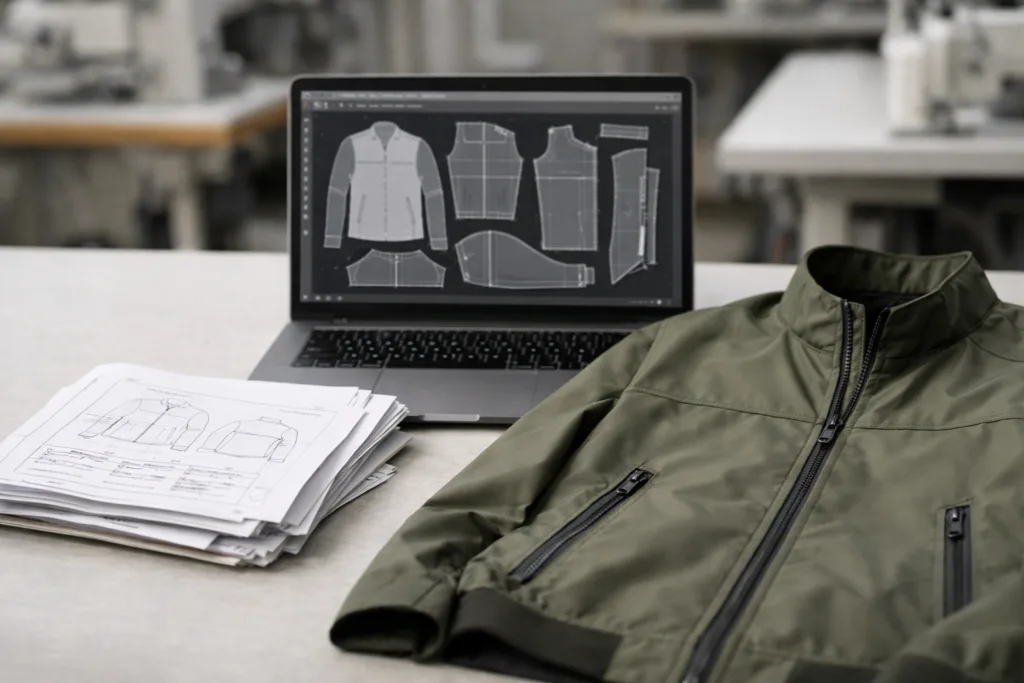
There’s no single answer to the question of The Cost of Creating a Tech Pack: Freelancer vs. Factory Services. For detailed, creative products or when freedom is required, freelancers shine but come at a higher cost and with ownership clarity. For efficiency, consistency, and speed—especially in bulk or for brands with existing patterns—factory in-house services are typically more economical and reduce communication risks. Consider your priorities, end goals, and budget restraints. Smart brands weigh not just the sticker price, but also the risks, speed, and ownership implications before making their decision.
Frequently Asked Questions
What does a tech pack typically cost with a freelancer?
For simple pieces, $100–$200 per style is common; more complex or highly technical garments can cost upwards of $800. Rates vary by designer experience and number of revisions required.
Are factory in-house tech packs as detailed as freelance ones?
They’re usually more practical and streamlined for production, but may lack extra creative detail. For basics, factories offer enough; for fashion-focused items, freelancers provide more creativity.
Can I use a factory-made tech pack with another manufacturer?
Not always—unless you have clear transfer rights in your agreement, factories often retain the files or adapt them in ways specific to their equipment. Always clarify before you start.
Is it cheaper to bundle several styles together for tech pack work?
Yes, many freelancers and some factories offer discounts for bulk tech pack work. Bundling similar styles is a smart way to lower per-style costs.
What is the most common tech pack mistake that increases cost?
Incomplete or vague documentation leads to more sampling rounds, misunderstandings, and corrections—raising both direct and hidden costs. Always be as specific as possible in your files.
How can I make sure my tech pack is factory-ready?
Use clear, standardized templates, provide detail on measurements and construction, confirm material availability, and get feedback from your intended factory early in the process.
Related Reading
- Step-by-Step Method: Building a Professional Tech Pack
- Avoid Costly Errors with Private Label Manufacturing
- Domestic vs Overseas Factories: The Full Cost Breakdown for 2024
- Unlock Every Cost: A Step-by-Step Landed Cost Calculation Guide
- 7 Signs of Quality Samples When Choosing Your Apparel Manufacturer