
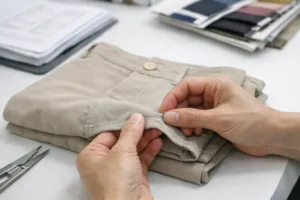
Introduction: Why Sample Quality is the First Test
When selecting a manufacturer, the first impression often comes from a single item: the sample. For apparel brands and newcomers alike, the process of evaluating samples, stitching quality, and comparing sample vs bulk production isn’t just formality—it’s mission critical. Small details in a sample, whether a loose thread or perfect pattern matching, provide clues about the factory’s attention to detail, management quality, and even their approach to large-scale orders. In this guide, we dive deep into why ‘以样看厂’—judging a factory by its sample—remains a gold standard, and explain how to spot both red flags and hidden gems before scaling up.
The Role of Samples in Vetting Manufacturers

Before you commit to a bulk order, thoroughly scrutinizing pre-production samples is your best insurance against costly surprises. The sample is more than a prototype; it reflects the manufacturer’s process control, technical knowledge, and pride in craftsmanship. Observing minor details such as thread ends, alignment, and presentation helps you gauge whether the supplier can uphold standards at scale. As confirmed by industry veterans, a well-made sample is the best predictor of what to expect in bulk production.
What “以样看厂” Means in Practice
The phrase “以样看厂” directly translates to “judging the factory by its sample.” This principle is rooted in decades of sourcing wisdom. Whether you examine a polo shirt, hoodie, or a custom tank top, the sample’s details—like neat stitching, aligned patterns, and tidy packaging—are concrete indicators of the factory’s workflow discipline. For clothing brands, this is a shortcut to evaluating management quality without needing an on-site audit. Instead, you hold the evidence in your hands.
How Sample Quality Signals Factory Management
The best manufacturers treat each sample as a statement piece. Key elements to analyze include:
- Thread ends: Are they tucked or trimmed neatly?
- Pattern alignment: Are stripes and plaids matched at seams?
- Packaging: Is the sample clean, folded well, and free from dust or wrinkles?
A supplier with robust internal quality control systems ensures each sample meets (or exceeds) the buyer’s expectations. Factories experienced with demanding clients—like Ninghow Apparel—know that delivering a flawless sample is non-negotiable, acting as both a test and a promise for the main production run.
Stitching Quality: The Unforgiving Litmus Test
Each stitch in a garment tells a story about the factory’s precision culture. Inconsistent stitching, skipped stitches, or loose threads may hint at outdated machines, under-trained staff, or rushed production. Look closely at the seam density, finishing type (like overlock vs. flatlock), and the uniformity across stress points (armholes, side seams, collars). These are areas often ignored by careless suppliers but prioritized by true professionals.
Sample vs Bulk: Why Discrepancies Occur
It’s not uncommon for an impressive sample to fall flat in bulk. The main reasons:
- Sample sewn by a “master” worker vs. bulk by assembly line staff
- Shortcuts in bulk to save time or cost
- Material substitutions when scaling up
- Poor communication of changes or requirements
To avoid these common pitfalls, always clarify expectations and document every sample detail.
Key Details to Inspect: Quick Checklist
- Neatness of all seams and hems
- No loose threads or skipped stitches
- Labels sewn securely and straight
- Buttons, rivets, or trims attached cleanly
- All patterns and panels aligned
- Consistent fabric quality (color, hand feel, weight)
- Packing condition: clean, odor-free, carefully folded
For a comprehensive supplier vetting process, consult Ninghow Apparel’s apparel manufacturing quality control resource, which covers professional checkpoints that industry insiders rely on.
Evaluating Fabric, Color, and Material Consistency
Sampling is often when discrepancies first become apparent. Watch for changes in fabric weight or color between your approved sample and the bulk run. Factories with integrity will note the exact fabric roll numbers and batch codes, using the same source for the final production. If you detect subtle shade shifts or a rougher fabric hand, ask direct questions about sourcing consistency and demand swatch retention (“lab dips” for dye lots, for example).
Common Sample Red Flags (and What They Reveal)
| Red Flag | Likely Factory Issue |
|---|---|
| Untidy stitching/loose threads | Poor internal QC or rushed sampling |
| Unmarked fabric details | No tracking system for fabric lots |
| Low-standard trims or packaging | Cost-cutting or indifferent leadership |
| Conflicting sample iterations | Poor project management |
Packaging as a Clue to Factory Standards
During sample review, buyers might focus on the garment and ignore the packaging. That’s a mistake. Clean, well-labeled sample packaging not only prevents transit damage but also signals a factory’s overall tidiness, discipline, and pride. Sloppy, stained, or carelessly folded samples often foreshadow chaos further down the line when your bulk goods are shipped.
The Role of Communication During Sampling
Misunderstandings during the sample phase often end in costly bulk mistakes. Professional manufacturers document all sample feedback, track every alteration, and communicate clearly about what changes will (or won’t) carry into mass production. This paper trail is essential for fair negotiations and accountability later.
Why “Stitch-Perfect” Isn’t Enough Without Process Control
A beautiful sample is wasted if the technical process to reproduce it at scale isn’t robust. The best suppliers provide:
- Detailed tech packs and graded size specs
- Clear records of pattern modifications
- Written SOPs for material selection and stitching types
Without these, even a master sample can’t guarantee repeatable quality.
How to Ensure Bulk Mirrors Sample Quality
- Photograph and mark up all key sample points (stitching, trims, packaging)
- Keep a signed, sealed “golden sample” at the factory for direct comparison
- Document all fabric lot, color code, and accessory details
- Require pre-production and Top of Production (TOP) samples before full run
- Optionally, use third-party QC inspections—for bulk, see third-party inspection services
Factory Transparency: Are They Hiding Scaled-Back Methods?
Some suppliers intentionally make samples “extra nice” but default to lower standards when moving to bulk. Look for signs of honest disclosure (“We can’t achieve this collar detail at scale due to machine limits”) — these remarks from manufacturers like Ninghow Apparel indicate a transparent partner, not a sales-focused operator.
How Ninghow Apparel Approaches Sampling (Industry Insight)
On Ninghow Apparel’s shop floor, every sample passes multiple internal QC rounds before shipping. Adjustments are logged in the workroom, and any divergence between sample and intended bulk materials triggers a written explanation for the client. This level of record-keeping and process transparency is crucial for trust and avoids disputes when the bulk order arrives. In short, a disciplined sampling stage means fewer delays and headaches downstream.
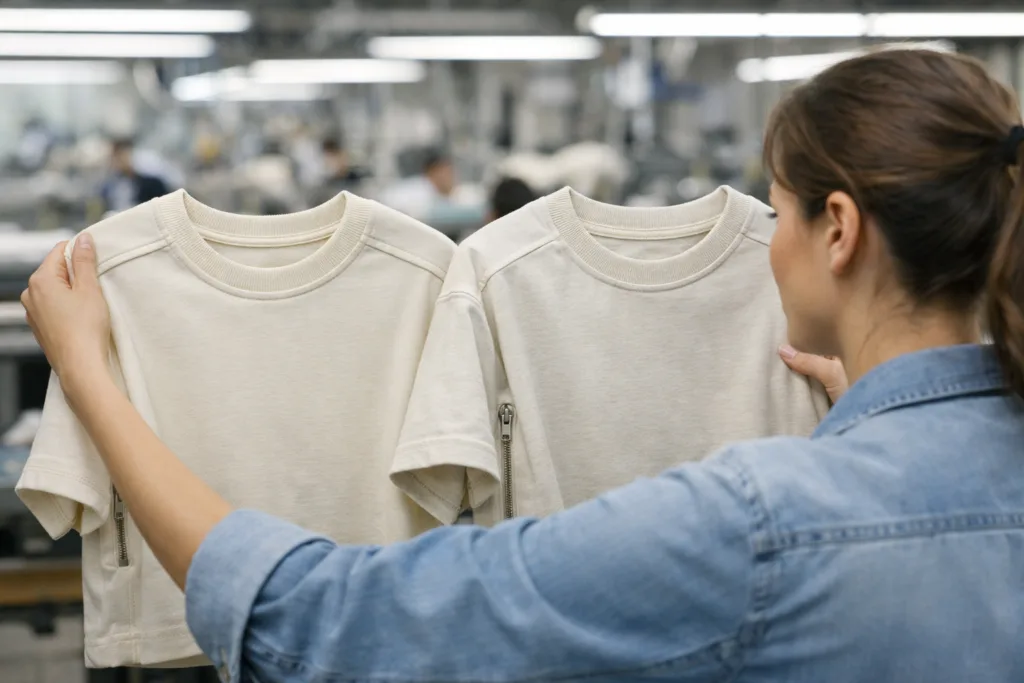
Sample Changes: When Are Modifications a Red Flag?
If a supplier needs many rounds to “get it right,” it may indicate lack of technical capability or distracted management. Occasional iterations are expected, especially with complex designs. However, repeated issues with basic construction (like straight seams or even stitches) should be a warning signal to review your factory selection process.
Sample Approval: Formalizing the Process
Never approve a sample verbally or by casual message. Send written feedback, include annotated photos, and state that “production may only proceed exactly as per the attached sample and comments.” This formalized contract reduces ambiguity and protects both buyer and factory.
Comparing Domestic and Overseas Factories: Sampling Practices
Established local factories may involve you directly in the sample process, while overseas suppliers (in China, Bangladesh, etc.) rely on digital feedback and express shipping. In all cases, insist on physical samples before greenlighting mass manufacturing. Regional cultural differences influence communication clarity, but sample inspection protocols should remain consistent regardless of origin.
Sample Quality and MOQ: How the Two Are Linked
Some factories pay extra attention to samples when MOQs (Minimum Order Quantities) are high. If you negotiate a small batch, check if your sample is given the same priority and finishing as large orders. This helps spot suppliers who take shortcuts with low-volume clients.
Sample Costs and Who Should Pay
Many manufacturers charge more than just the cost of materials for samples—this fee covers time, machine setup, and skilled labor. Paying for samples signals your seriousness as a buyer and encourages the factory to dedicate skilled workers. However, always ask for the cost to be refundable upon bulk order placement to align incentives.
The Connection Between Sample Errors and Bulk Delays
Every error caught at the sample stage avoids exponential cost and timeline overruns later. Frequent sampling mistakes (unlabeled parts, missing elements, careless packaging) often domino into missed delivery deadlines in bulk. By addressing concerns at the outset, brands secure smoother, on-time production.
Case Study: Real Outcomes from Poor Sample Vetting
Brands that skip deep sample vetting often face ugly surprises:
- Bulk shipment with mismatched sizes
- Inconsistent branding placement
- Stitching unraveling after the first wash
- Poor packaging leading to creased or stained goods on arrival
These setbacks are not rare—they are preventable by rigorous sample inspection and clear documentation.
Best Practices for Apparel Brands: Sample Review Workflow
- Create a grading matrix: rate samples on critical points (fabric, stitching, alignment, packaging)
- Request samples from multiple factories for side-by-side comparison
- Always obtain a sealed “golden sample” before approving production
- Document every change, however minor
- Use professional third-party inspections at the pre-production and bulk stages
This systematic approach is the difference between consistent brand quality and production nightmares. For more sourcing tactics, review resources like clothing manufacturers for startups guide.
The Importance of Sample Quality in Vetting Manufacturers
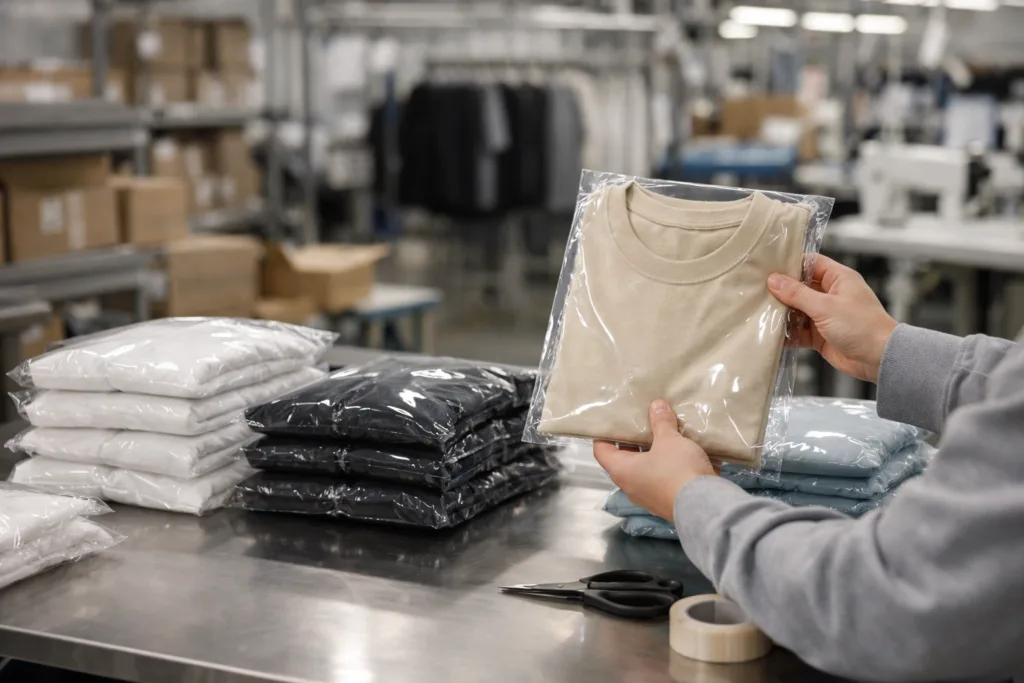
In summary, sample quality isn’t just about aesthetics—it’s the single clearest window into a factory’s management, discipline, and technical skills. Whether you’re working with high MOQs or small custom orders, analyzing every stitch, thread, and fold in your sample gives you the power to forecast production outcomes. An excellent sample provides confidence, while a sloppy one can save you from a disaster order before it begins. As the fabric industry evolves, this principle endures: always judge your factory by its sample first.
Frequently Asked Questions
Why is stitching quality so crucial in a factory sample?
Stitching quality reveals the attention to detail and technical standards of the manufacturer. Poor stitching can signal problems in workflow, equipment, or training that may get worse in bulk production.
How can I ensure bulk production matches my sample?
Always document approved sample details, hold a sealed golden sample at the factory, require pre-production samples, and use third-party inspections for added assurance.
What does poor packaging in a sample indicate?
Poor sample packaging often hints at overall factory discipline. Careless folding or dirty packaging can mean the same disregard will appear in your large shipments.
Should I pay for samples, and what’s fair?
Paying for samples is standard as it covers skilled labor. It’s fair to ask for this fee to be refunded against a confirmed bulk order, balancing commitment on both sides.
What happens if a factory needs many sample revisions?
Numerous revisions may expose technical gaps or weak management. Occasional changes are normal, but persistent errors are a red flag when choosing a supplier.
Is it enough to check only digital photos of samples?
No—digital images miss texture, stitch density, and packaging quality. Always insist on reviewing the physical sample before approving any production run.