

Introduction: Why Using Third-Party Inspection Services (SGS, Intertek, QIMA) Matters in China Manufacturing
When sourcing products from Chinese factories, managing quality can feel like navigating a maze. Even with clear specifications, the risk of defects, substitutions, or cut corners is real. That’s why more brands and buyers are turning to third party inspection services like SGS, Intertek, and QIMA. But is it always necessary to spend several hundred dollars on a professional quality assurance service? Let’s explore the realities, benefits, and timing—for everyone from startups to seasoned importers.
The Role of Third-Party Inspection in Apparel Quality Control
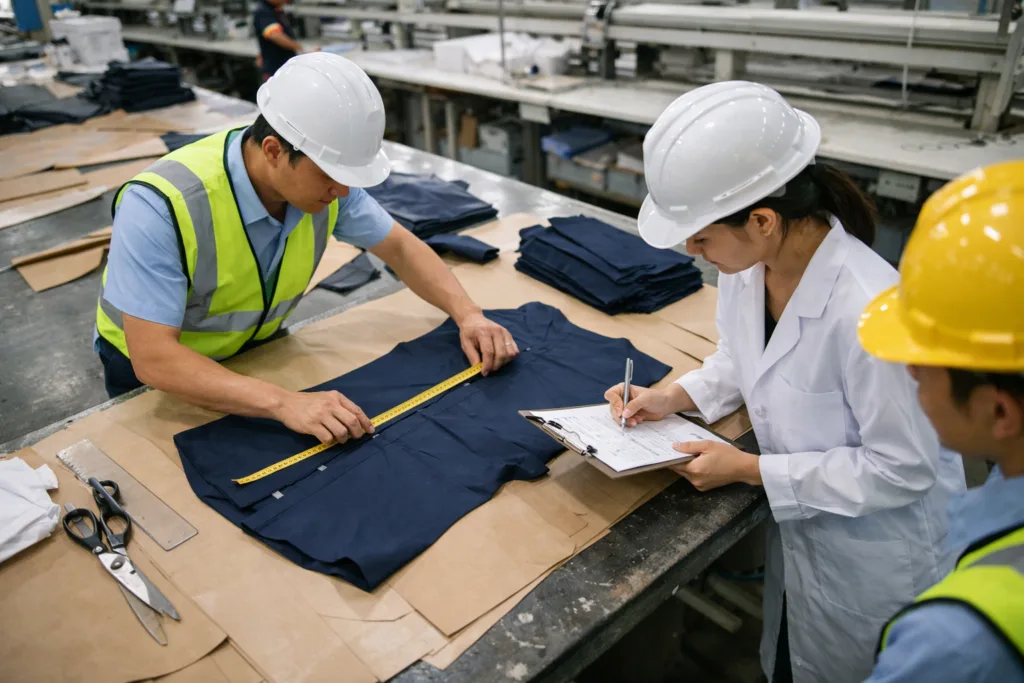
Third-party inspections are independent services where specialists visit the factory on your behalf to check goods before shipment. These experts use standardized protocols to verify that products meet your requirements, spot critical defects, and help prevent wasted money on bad shipments. They bridge the trust gap—not only in China but in other manufacturing hubs worldwide.
How Third-Party Inspection Operates in China
Inspection companies work locally, sending trained auditors into factories. They check things like workmanship, material authenticity, measurements, and packaging. Unlike in-house QC, third-party checks are unbiased—especially vital when you’re working with new or unknown factories.
Who Benefits Most from China Inspection?
Startups, private label brands, established retailers, and anyone launching new items or working with unfamiliar suppliers. If your shipment’s value is high—or you’re on tight deadlines—third-party QC can make or break your success.
SGS, Intertek, and QIMA: What Sets These Agencies Apart?
SGS, Intertek, and QIMA are among the largest and most recognized inspection agencies. They offer globally accepted reports, robust problem-solving expertise, and fast service for apparel, electronics, and more.
| Feature | SGS | Intertek | QIMA |
|---|---|---|---|
| Global Reach | Extensive | Extensive | Strong in Asia |
| Reporting Style | Detailed, technical | Practical, summary | Visual, export-friendly |
| Pricing | Mid-high | Mid | Competitive |
| Booking Process | Formal | Formal/flexible | Online/fast |
Common Inspection Types Offered
- Pre-shipment inspection (PSI): Main quality check before delivery
- During production inspection (DPI): Spot-check during manufacturing
- Initial production inspection (IPI): Start-of-run verification
- Container loading supervision (CLS): Cargo loading confirmation
When Should You Invest in Professional Inspection?
Deciding when to spend $200–$500 for an inspection boils down to three questions:
- Is the order value high enough?
- Is the factory new, unknown, or critical?
- Do you face tight deadlines or serious quality risks?
For smaller batches or repeat orders from trusted suppliers, third-party inspection may be less urgent. But whenever stakes feel risky—new product launches, mass production, orders above $5,000—it’s often money well spent. Even seasoned garment manufacturers, like those featured in polo shirt supplier services, frequently rely on independent checks for peace of mind.
Case Example: Cost vs. Benefit in Apparel
The cost of one PSI may seem steep, but the impact of missed defects (wrong sizing, stitching errors, fabric mix-ups) can be far higher. For apparel, one failed batch could ruin a season’s launch—not to mention reputational harm.
What Happens During a Factory Inspection?
Third-party inspectors perform stepwise, unbiased reviews:
- Random sampling based on AQL standards
- Physical checks: fit, measurements, seams, labels
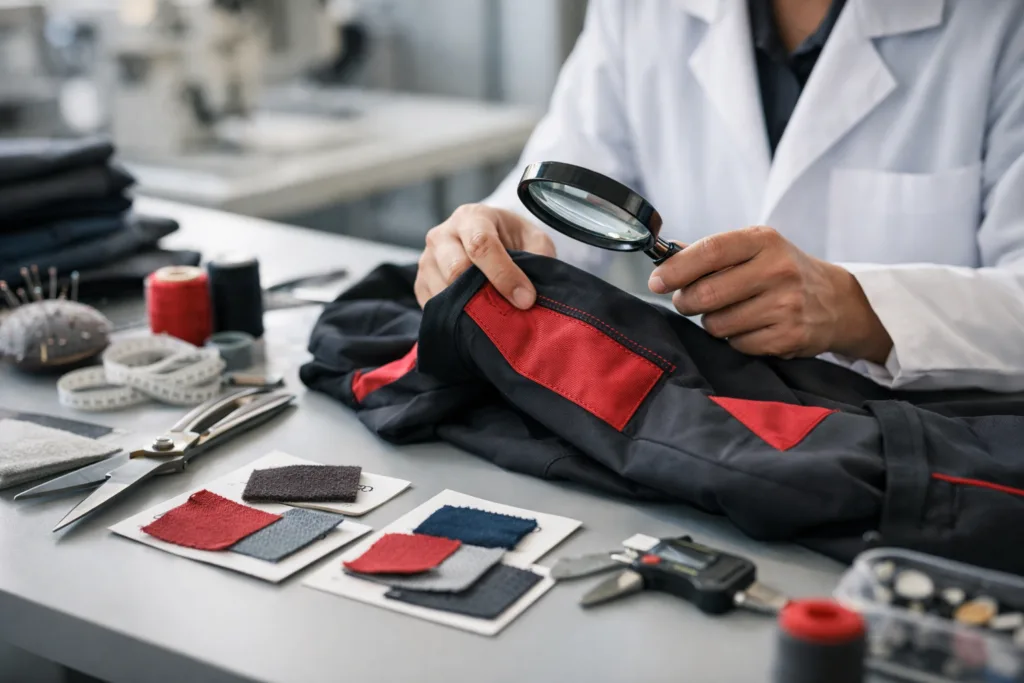
- Fabric and material verification
- Visual defect spotting
- Packaging and carton checks
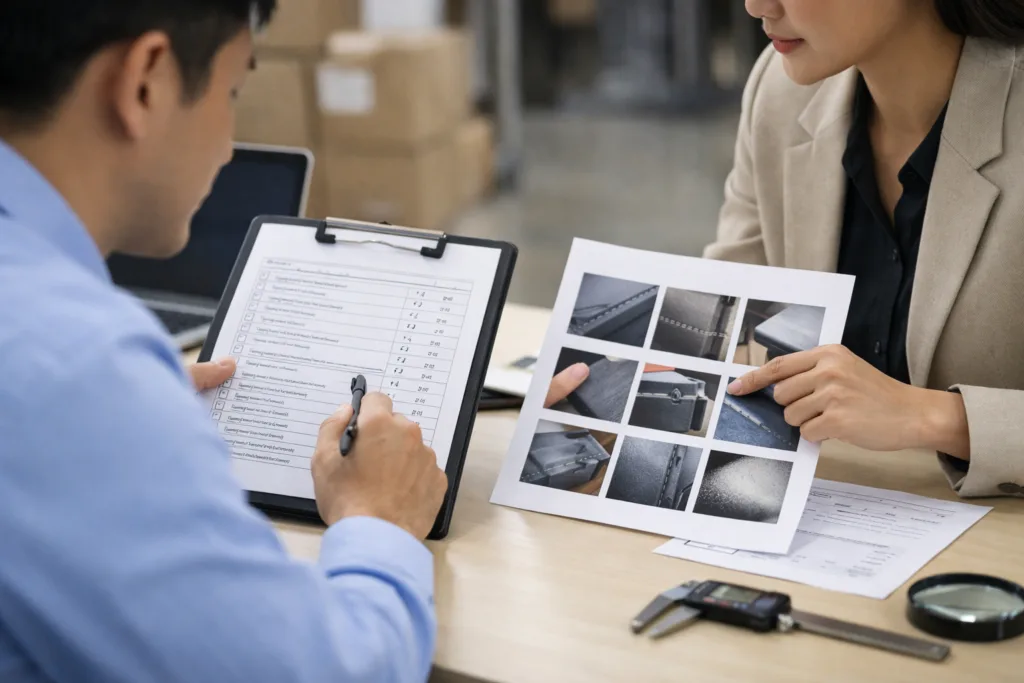
- Detailed photo documentation
Afterward, you receive a report detailing compliance, defects, and recommended actions. Many issues can still be fixed if caught pre-shipment, saving expensive logistical headaches. For a deeper dive, see apparel manufacturing quality control in China.
Key Measurements and Apparel-Specific Checks
In garments, inspectors focus on pattern accuracy, fabric hand-feel, color consistency, and accessories (buttons, trims). At Ninghow Apparel, these checks are ingrained in the production process, but third-party review adds another safety layer—not only for export compliance, but for fit and finish.
Common Situations That Call for Professional Inspection Services
- Working with new, untested factories
- First orders on new styles or fabric types
- Large orders where rework risk is costly
- Complex items with many components
- Strict compliance requirements (children’s or certified products)
In such cases, skipping inspection is like rolling dice with your brand reputation.
The Process: Booking, Scheduling, and Communication
Most companies can book directly online or through a rep. After scheduling, the inspector coordinates with the factory, reviews specifications, and confirms sampling method. Keeping your factory informed—without biasing their prep—is crucial for valid results.
Inspection Lead Time and Report Turnaround
On average, inspection agencies need 24–48 hours for booking, plus 1–2 days for reporting. Rush options exist, but planning ahead is vital for timely quality assurance service in China.
The Financial Equation: Is $300 Inspection Worth It?
Compare inspection cost to potential losses—from reworks, air shipping, customs rejection, or returns. For many buyers, hiring SGS, Intertek, or QIMA for china inspection is a low-risk bet against much larger headaches down the line. As detailed in clothing customization sizing, the fallout from sizing errors can snowball quickly if unchecked.
Alternatives to Third-Party Inspection: Factory QC, Remote Audit, or Blind Trust?
Some brands rely on supplier QC only, but standards vary. Others try remote video checks, but these rarely catch subtle defects. Blind trust is dangerous—not just in quality, but in accountability.
Factory QC vs. Third-Party Inspection
Factory checks may overlook defects to ship faster. Independent inspection incentivizes transparency, since the report is paid for by the buyer—not the manufacturer.
How Does Inspection Affect Lead Times and Logistics?
Inspection adds 1–3 days between ‘finish’ and ‘ship’. For urgent orders, some buyers skip PSI—but this invites risk. Smart producers build inspection time into lead schedules so the process doesn’t bottleneck delivery.
Real Trade-Offs: On-Time Shipping vs. Full Quality Control
Experienced production leads, including those at Ninghow Apparel, know how to balance inspection with tight delivery windows. Clear communication before production starts avoids stress at the finish line.
What Do Inspection Reports Look Like?
- Summary of findings
- Pass/fail recommendation
- Photo evidence: defects, packaging, labeling
- List of measurements and samples checked
- Recommendations for acceptance or rework
Reports are often shareable with buyers, importers, and logistics teams for alignment.
Challenges in Third-Party Inspection: What Can Go Wrong?
- Factory delaying schedule to fix issues before inspector arrives
- Inspectors missing subtle, hidden defects
- Language barriers or unclear instructions causing misunderstandings
- False assumptions about sampling method or batch completion
Minimizing these issues requires clear communication and practical, factory-reality negotiation.
Reducing Costs: When Can You Skip or Consolidate Inspections?
- On small, low-value shipments
- Repeat orders with proven track record
- Low-risk items where early samples and bulk QC match closely
Even then, occasional random checks keep suppliers honest.
Integrating Third-Party Inspection with Other Quality Tools
Combining inspection with in-house audits amplifies protection. For example, use factory visit tools, supplier vetting checklists, and sampling audits before bulk production begins. This multi-step approach creates layered defense against quality problems.
How Brands Use Inspection Data for Continuous Improvement
Strong brands don’t just file reports—they spot patterns, update specs, and retrain suppliers. Over time, this creates a virtuous cycle: fewer errors, better trust, smoother launches.
How to Choose the Right Inspection Agency for Your Needs
Consider location, expertise (especially for your product type), speed, and report clarity. SGS and Intertek excel in technical detail; QIMA stands out for fast booking and visual-heavy reports. For fashion, look for agencies with apparel-specific experience.
Key Questions to Ask Before Booking
- Can you sample enough units for statistical confidence?
- How quickly will the report be delivered?
- Do they cover your exact materials and compliance requirements?
- Is communication clear and timely?
Using Third-Party Inspection Services (SGS, Intertek, QIMA)
Third-party inspectors offer practical, unbiased assurance—checking everything from fabric authenticity to sizing and packaging. Their services complement in-house factory QC, particularly when shipment value or reputation is at stake. Whether you’re producing T-shirts, polos, or custom jackets, investing in inspection is about confidence: your shipment arrives as promised, with no costly surprises.
Conclusion: Key Takeaways for Confident Quality Assurance in China
Investing in third-party inspection services like SGS, Intertek, and QIMA can seem pricey, but the security they provide is invaluable. Use professional inspection for new suppliers, high-value orders, and important launches. Integrate with your production timeline, and always balance urgency with risk. For apparel brands, clear specs and layered QC—including independent checks—are the foundation of predictable, repeatable quality.
Frequently Asked Questions
When is third-party inspection most necessary?
Inspection is most needed for new suppliers, high-value orders, custom or complex items, and launches where quality issues could cause major losses.
How much does a typical inspection cost?
Most inspections cost $200–$500. The fee depends on the agency, order quantity, complexity, and location.
What do inspectors actually check?
Inspectors examine product measurements, labels, workmanship, packaging, random samples, and document findings with photos and detailed notes.
Do factories ever object to third-party inspections?
Some factories may resist or delay if they fear failing the inspection. Good communication and proactive agreements before production help avoid problems.
Is third-party inspection always required for apparel?
Not always; it’s optional for simple, low-value orders or proven repeat suppliers. For critical launches and new suppliers, it’s highly recommended.
Can inspections slow down shipping?
Inspection can add 1–3 days to your timeline. Planning ahead and notifying the factory early helps keep shipping on schedule.