
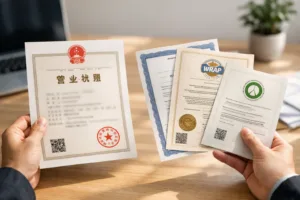
Introduction: Why Verifying Business Licenses and Certifications (ISO, WRAP, GOTS) Matters
In global sourcing, especially when dealing with regions like China, verifying business licenses and certifications (ISO, WRAP, GOTS) is critical to protect your brand and avoid costly mistakes. With the rise of sophisticated fake certificates and business license alterations (sometimes just clever Photoshop work), even experienced buyers can get caught by fraudulent paperwork. Trying to save time or money by skipping checks often leads to regret later.
In this guide, we walk you through how to verify a China company’s legitimacy, spot fake certificates, and confidently conduct a business license check. You’ll learn practical steps to confirm ISO, WRAP, GOTS, and other key credentials, drawing from real-world production experience and industry best practices.
Core Concepts: The Importance of Verifying Business Licenses and Certifications (ISO, WRAP, GOTS)

Before working with a supplier, always check their legitimacy. Confirming business licenses and key certifications (like ISO quality management, WRAP for social compliance, or GOTS organic certification) isn’t just paperwork. It’s about risk management, reputation, and protecting your customers.
- Prevents accidental scams and frauds
- Helps comply with import regulations
- Ensures ethical and sustainable sourcing
Many global brands and manufacturers like Ninghow Apparel make it standard practice to conduct deep-dive checks before production even starts.
Understanding the Essential Certifications: ISO, WRAP, GOTS, and Others
Some certifications are more than nice-to-have—they’re industry standards. Let’s break down what each means and why buyers demand them.
ISO (International Organization for Standardization)
ISO certifications (e.g., ISO 9001 for quality management, ISO 14001 for environmental management) ensure the supplier has systematic processes for product safety, consistency, and continual improvement.
WRAP (Worldwide Responsible Accredited Production)
WRAP focuses on social responsibility and workplace safety, especially important for apparel, textiles, and labor-intensive industries. A WRAP certificate means the supplier has passed a rigorous, independent audit.
GOTS (Global Organic Textile Standard)
For eco-focused brands, GOTS certification is a must. It assures you that raw materials and every part of the process meet strict organic and sustainability criteria—from fiber sourcing to environmental processing and chemical management.
Other Certifications Common in Manufacturing
- BSCI (Business Social Compliance Initiative)
- OEKO-TEX (textile safety standard)
- SA8000 (social accountability)
- RCS (Recycled Claim Standard)
Common Types of Fake Certificates and License Manipulation
The most frequent tricks include:
- Photoshopped certificates with changed dates or company names
- Expired certificates presented as current
- Certificates for a parent company, not the actual factory
- Fake business licenses or fabricated business scope
This is why relying on PDFs or images emailed by the supplier is dangerous. Always perform real checks with the issuing authority or registry.
Red Flags: How to Spot Fake Certificates and Business Licenses
Here are problem signs you should act on immediately:
- Low-resolution scans or images (blurry/poor quality)
- Mismatched company names or addresses
- Strange issue/expiry dates or certificate numbers
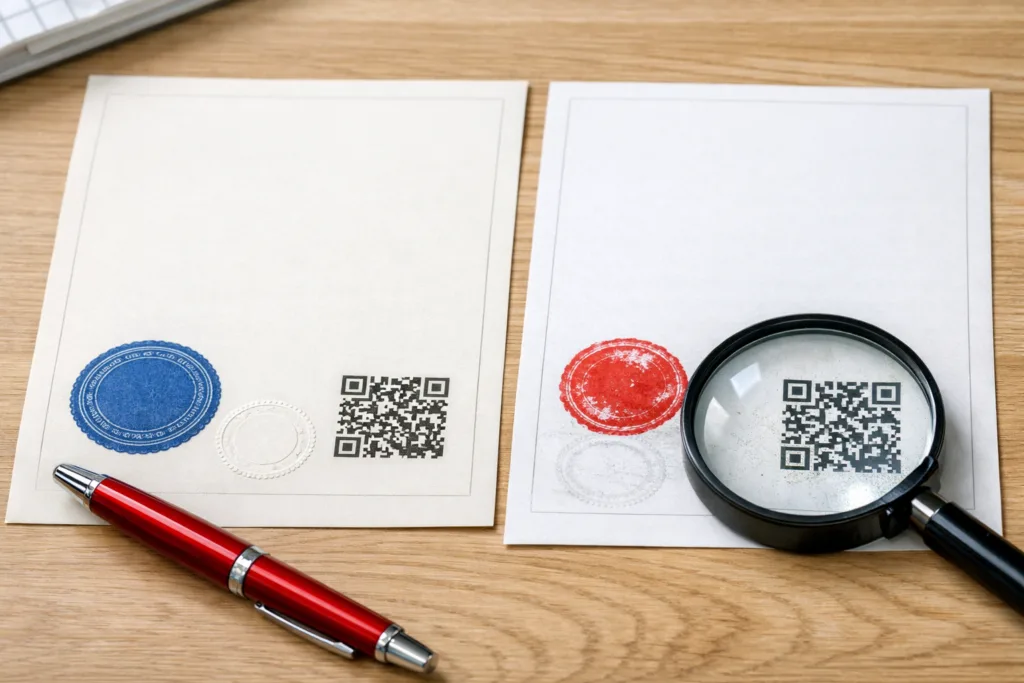
- Lack of official stamps or QR codes (where expected)
- Reluctance to let you independently verify
Table: Typical Certificate Red Flags
| Red Flag | What It Means |
|---|---|
| Blurry/altered text | Potential editing or fake certificate |
| Mismatch with registration | False or third-party documents |
| No QR code/barcode | Might be outdated or counterfeit |
How to Check a Supplier’s Chinese Business License
Most legitimate Chinese companies have a 18-digit Unified Social Credit Code (USCC) on their official business license. You can use the China clothing manufacturer guide for step-by-step license lookup instructions.
- Request a color scan of their business license
- Check that the company name matches your contract and legal documents
- Go to the Chinese National Enterprise Credit Information Publicity System (http://www.gsxt.gov.cn/)
- Enter the company name (in Chinese) or USCC code to pull up their registration
- Watch for any mismatch in legal representative, address, or scope
If in doubt, cross-check with a verified third-party audit service.
Direct Verification with Official Certification Bodies
Nearly every authentic certificate (ISO, WRAP, GOTS) can be independently checked:
- ISO: Use the official issuing body’s website, enter certificate number/company name
- WRAP: Check WRAP’s online directory (https://www.wrapcompliance.org)
- GOTS: Visit the GOTS certified supplier search (https://global-standard.org)
Do not rely on supplier-supplied PDFs or screenshots—go to the source.
Requesting Verification Documents: Best Practices
When you request verification info from a potential partner, ask for:
- Original digital file (not photos)
- Website link to listing or directory
- Clear scans with visible QR codes/barcodes
- Details about the issuing body and certificate number
For extra scrutiny, ask to see the certificate during a live video call or during a third-party inspection.
The Process Step-by-Step: Verifying Business Licenses and Certifications (ISO, WRAP, GOTS)
Step 1: Gather All Documents
- Business license (营业执照, Ying Ye Zhi Zhao)
- Relevant certifications (ISO, GOTS, WRAP)
- Export/Import licenses (for cross-border transactions)
Step 2: Cross-Check Basic Company Information
- Names, addresses, registration numbers must match across all paperwork
Step 3: Use Official Check Tools
- National business registry
- Certification body directories
Step 4: Request Confirmation from Authority
- Email or call the issuing body with the certificate number if there is any doubt
Step 5: Hire a Third-Party Inspector (Optional but Recommended)
Third-party agencies like SGS, Intertek, or QIMA can perform spot checks. Learn more about how much third-party inspection is worth.
Photoshop Tricks: Common Methods Factories Use to Fake Certificates
Typical Photoshop frauds include:
- Altering expiry dates to stretch beyond reality
- Swapping company names on an authentic template
- Editing scanned images to add missing stamps or watermarks
- Erasing obvious signs of expiration or black marks
When to Get a Factory Audit: Risk Reduction in Sourcing
If the order value justifies it, always conduct a factory audit. Audits dive deeper than paperwork—they examine mass production capability, compliance, and overall trustworthiness. Review what to look for during a factory audit.
Why Trading Companies May Show Different Documents
Remember, trading companies sometimes provide certificates from their “partner” factories or affiliates. But this paperwork might not cover your actual order. Always insist on verifying the documents of the actual production factory, not just the middleman.
Ninghow Apparel’s Insights: Real Verification Cases from the Shop Floor
From years of production experience, accurate and current documentation is the first thing requested by serious clients. At Ninghow Apparel, we’ve seen buyers exposed to risk when “factory” documents didn’t match the payment account or “sample” fabric quality. Don’t let pressure to move fast outweigh careful checks—quality, fit, and supply chain transparency always come first.
The Cost of Mistakes: What Happens If You Skip Verification?
- Loss of advance payment to a fake company
- Customs holds or product destruction due to incorrect certification
- Brand damage and loss of customer trust
- Regulatory penalties or inability to sell in target markets
Integrating Verification in Your Sourcing Workflow
- Include certificate checks in your supplier onboarding checklist
- Document all correspondence—keep records of all viewed/stamped documents
- Schedule time for independent or third-party verification before placing orders
The Difference Between Factory and Supplier Certificates
Some platform sellers are just resellers, not actual producers. Certificates from “factory x” may have nothing to do with your exact PO. Ask: Who actually cuts, sews, and ships your goods? Always verify direct manufacturer credentials for full accountability.
Verification Tools: Online Platforms and Reference Directories
- GSXT (the Chinese national credit platform): For registration checks
- Certification body search tools: Example, WRAP certified facilities search
- Alibaba/1688 listings (as supplementary, not definitive proof)
Many China sourcing experts recommend using more than one tool—never rely on a single website alone.
Pro Tips: Keeping Your Brand Safe from Pictorial Certificate Scams
- Always use multiple verification steps—direct database checks, third-party support, onsite audits
- Trust but verify—even big names can make mistakes
- Share your learnings with your supply chain team, to prevent knowledge loss
How Certification Affects Customs and Import/Export Compliance
In regions like the EU or US, missing or incorrect certificates can block your products at the port. Customs will check for valid, verifiable paperwork—if they spot a fake, your goods could be fined or seized.
Aligning Certification Verification with Quality Control Checks
Clever brands tie all document verification into their standard quality control procedures. For instance, when you hire a third-party for an initial QC check, ask them to confirm the presence and validity of posted certificates at the factory site.
What to Do If You Discover a Fake or Invalid Certificate
- Pause all orders or payments immediately
- Gather documentary evidence of the fraud (screenshots, emails, files)
- Report the incident to the platform or relevant issuing body
- Inform your buyer protection provider (if using Alibaba, Trade Assurance, or a letter of credit)
Useful Resources for Verifying Business Licenses and Certifications (ISO, WRAP, GOTS)
- Chinese government’s GSXT search: http://www.gsxt.gov.cn/
- WRAP’s certified facility database: https://www.wrapcompliance.org
- GOTS public certified supplier listing: https://global-standard.org
- ISO certificate verification: Check the issuer’s site (TÜV, SGS, etc.)
Maintaining Ongoing Supplier Compliance and Updates
Check documentation renewal dates, and diarize reminders to reconfirm every year. Compliance isn’t a one-time thing—standards change, scopes update, companies get bought or merged. A supplier who was certified a year ago may no longer be compliant today.
Conclusion: Stay Smart—Make Verification Routine

Protect your business, your reputation, and your brand’s supply chain by making verification of business licenses and certifications (ISO, WRAP, GOTS) a non-negotiable habit. Double-check all documents, require third-party confirmation for larger orders, and keep communication lines open with suppliers. When in doubt, pause and double-check, even if it takes more time. Future headaches are always costlier than today’s diligence.
Frequently Asked Questions
How can I check if a China business license is real?
Use the GSXT public system (http://www.gsxt.gov.cn/), enter the company name or USCC code, and check if the registration details match official records.
What are the main signs of a fake ISO certificate?
Look for mismatched company names, poor image quality, missing certificate numbers, or details that don’t match the issuer’s official database.
Is WRAP certification really necessary for apparel sourcing?
For buyers who value social compliance and worker safety, WRAP certification is highly recommended, and many major brands require it as standard.
What should I do if a certificate looks suspicious?
Pause all dealings, ask for links to official certificates, verify with the issuing body, and consider a third-party onsite audit to confirm legitimacy.
Can a trading company use a factory’s certificate?
They may present them, but the certificate only applies to work at that certified factory. Always confirm where your order will be produced and that the factory is certified.
How often should supplier certifications be checked?
At least once annually, or before every new major order. Always check expiry dates and request updated documents during supply chain reviews.