
Introduction: Why Factory Audits Matter
Factory audits are crucial for brands, buyers, and manufacturers aiming to achieve both consistency and compliance in production. Whether working with established partners or new suppliers, conducting a factory audit helps ensure hardware facilities are up to standard, warehouses remain organized, and labor conditions meet social and legal expectations. As supply chain disruptions and global sourcing pressures mount, a reliable factory audit checklist—focusing on facility, cleanliness, and workforce—becomes an indispensable tool for risk management.
The Factory Audit Checklist: Key Elements Explained

Auditing a factory goes beyond ticking boxes. It involves evaluating the tangible environment, intangible systems, and the overall production mindset. For apparel manufacturers, focus areas often include building maintenance, equipment safety, warehouse organization, employee welfare, and the presence of a robust quality management system.
Physical Facility Assessment
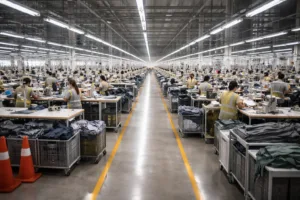
A thorough factory audit starts with physical infrastructure. Assess workshop layout, fire safety, lighting, ventilation, and access controls. Look for building cracks, improperly stored materials, and blocked fire exits—these not only impact product quality but also worker safety. Regular inspections ensure ongoing compliance.
Hardware and Equipment Review
Inspect machinery for maintenance logs, safety guards, and clean operation areas. For garment factories, focus on sewing machines, pressing tables, embroidery setups, and cutting tables. Neglected equipment can lead to inconsistent stitching, downtime, and on-site injuries.
Warehouse Cleanliness and Inventory Organization
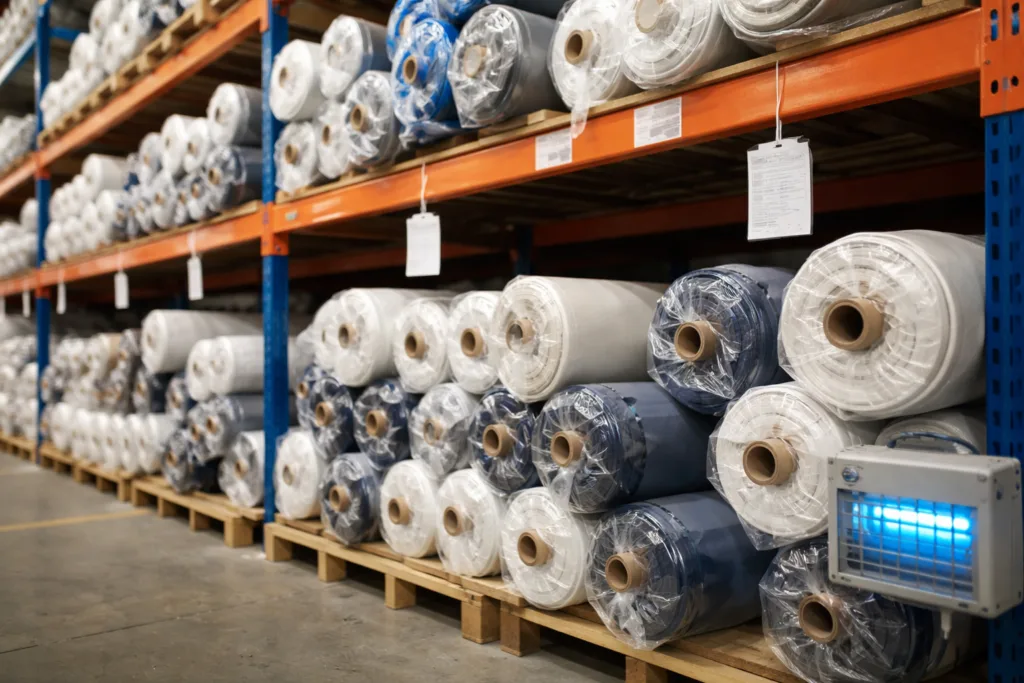
A clean and orderly warehouse reflects a factory’s discipline. Check for dust, clutter, humidity issues, and pest control practices. Proper storage prevents fabric contamination, delays, and lost inventory. Categorizing fabrics and finished goods by lot number, color, and style is essential—here, brands like Ninghow Apparel make use of color-coded storage and active batch tracking to maintain inventory integrity.
Worker Welfare and Social Compliance
Social compliance audits address working hours, wages, health coverage, and the presence of policies against forced labor or child labor. Interview employees, review HR records, and observe factory conditions. Adequate break spaces, clean restrooms, and safety training all signal responsible management.
Deep-Dive Verification: Facility, Cleanliness, & Workforce
Effective factory audits—especially for buyers sourcing remotely—demand more than a walk-through. Whether performed in-person or via video inspection, audit teams should validate both obvious and hidden risks.
| Inspection Aspect | Key Indicators | Why It Matters |
|---|---|---|
| Facility Safety | Clear exits, sound structure | Protects personnel, avoids shutdowns |
| Equipment Maintenance | Up-to-date logs, no leaks | Prevents downtime & defective goods |
| Warehouse Cleanliness | No pests, organized shelves | Preserves fabric quality, reduces risk |
| Worker Morale | Worker interviews, visible breaks | Enables productivity, signals compliance |
| Compliance Documents | Payroll, insurance, policies | Adheres to buyer/social standards |
Live or Remote Video Factory Audits: What Changes?
As remote factory audits become the norm for global buyers, new challenges arise. Video inspections must capture wide angles, zoom into details (like product defects or rusty machinery), and facilitate real-time Q&A with workers. A checklist tailored for virtual settings includes lighting, internet connectivity, and explicit walkthroughs of restricted areas.
Quality Management System: The Foundation of Predictable Production
Beyond physical and social checks, a factory’s quality management system (QMS) forms its backbone. Look for written protocols, QC checkpoints, sample retention, and tracking of reject rates. A QMS helps brands avoid costly mistakes—a lesson familiar to manufacturers like Ninghow Apparel, who maintain separate QC logs for each product and batch.
Understanding Audit Scores and Action Plans
Audit results are rarely binary. Review scoring sheets and identify action plans for improvement. Critical violations (like unsafe conditions or missing records) must be addressed urgently. Less vital issues—such as minor warehouse clutter—should still be logged and resolved promptly.
Social Compliance Audit: Ensuring Ethical Manufacturing
Modern brands demand ethical sourcing, and so do regulators. Social compliance audits review the factory’s adherence to international labor standards, wage laws, and anti-discrimination policies. Inspectors may interview rank-and-file employees, review timekeeping systems, and request proof of age documentation. A transparent compliance process helps bolster brand credibility.
Worker Interviews and Documentation Checks
Interviews offer a direct look into worker experiences, uncovering possible wage discrepancies or excessive overtime. Factory management should produce clear employment records, insurance proofs, and training logs. Compliance with local laws and buyer expectations is mandatory—and recorded for future reference.
Warehouse Organization: Keeping Production Flow Predictable
Orderly warehouses lead to faster picking, reduced errors, and safer operations. Auditors should review how materials are labeled, mapped, and shelved. Unmarked bins, mixed raw materials, or clutter can break production flow and increase stockouts. Proper warehouse management is often a sign of a factory’s general discipline, supporting seamless wholesale manufacturing.
Inventory Management and Batch Traceability
Strong batch traceability allows brands to recall products quickly and track defects. Look for digital or paper systems detailing lot numbers, fabric sources, and production dates. Batch recall plans should be documented and periodically tested.
Worker State: Safety, Training, and Morale
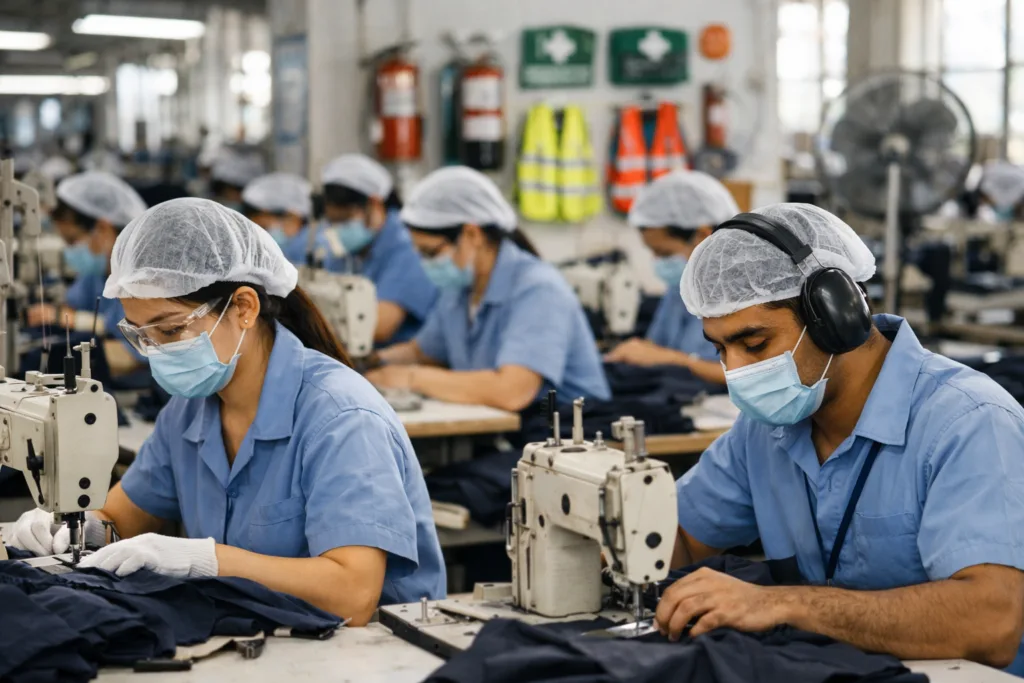
Healthy, well-trained employees are the lifeblood of factory performance. Auditors must check for PPE use, participation in safety drills, and visible management support. Workers’ morale can be observed via facial expressions, group interactions, and cleanliness of common areas.
Training Records and Health Assessments
Regular training on equipment, safety, and fire protocols is vital. Training records should be up-to-date and easily accessible. Health assessments—like periodic vision and hearing checks—demonstrate a commitment to workforce well-being.
How to Interpret Audit Results & Drive Improvements
Audit scores give only a snapshot. Review trends across audits to spot recurring issues, like poor warehouse labeling or delayed equipment maintenance. Collaboration between buyers and manufacturers (e.g. Ninghow Apparel, who welcomes joint audits and feedback) accelerates improvement, avoids finger-pointing, and builds mutual trust.
Conducting a Factory Audit: What to Look For
Heads of sourcing, QC managers, and brand buyers often ask: “What exactly should I check during a factory audit?” The answer lies in four pillars: facility safety, equipment reliability, warehouse order, and social compliance. Each pillar is equally important; missing even one can jeopardize production, reputation, and sales.
- Facility: Building structure, exits, hygiene.
- Equipment: Cleanliness, logs, safety guards.
- Warehouse: Organization, batch traceability.
- People: Training records, interviews, HR compliance.
Best Practices for Factory Auditors
Arrive with a standardized checklist, camera or video device, and ample time. Focus on real evidence—not just paperwork. Interview multiple workers, not only managers. Document findings with photos, videos, and notes. Propose clear timelines for corrective actions with the supplier.
Common Audit Mistakes and How to Avoid Them
Overlooking machinery, skipping worker interviews, or failing to inspect raw material storage are frequent pitfalls. To prevent such errors, cross-reference your checklist with past audit reports, update it annually, and adapt for special projects (e.g., sampling or low-MOQ runs). For more audit-specific insight, review detailed supplier vetting questions.
Conclusion: Raising Standards Through Smart Audits
Factory audits are more than paperwork—they’re the key to predictable, scalable production and ethical manufacturing. By checking facility, warehouse, and workforce, brands and buyers can minimize risks, accelerate launches, and maintain trust with customers. Smart audits create a culture of continuous improvement, empowering both factories and their partners. The right checklist and mindset will help you spot problems before they grow, making factory audits an investment in lasting quality.
Frequently Asked Questions
What is the main goal of a factory audit?
The goal is to verify that a factory’s facilities, systems, and workforce meet quality, safety, and compliance standards for consistent production.
How often should factory audits be conducted?
Most factories conduct audits annually or semi-annually, but frequency can increase if there are risks, new suppliers, or quality issues.
Can factory audits be performed remotely?
Yes, remote audits using video calls and live walkthroughs are increasingly common, especially for buyers unable to travel.
Which documents are critical in a social compliance audit?
Payroll records, worker contracts, age and insurance documents, and safety training logs are key for social compliance verification.
How do you evaluate warehouse cleanliness during an audit?
Check for dust, pests, organization, humidity control, and active batch tracking to ensure inventory integrity and prevent contamination.
What signs should auditors look for to assess worker morale?
Auditors should observe employee behavior, interview staff, check common areas, and review participation in training and safety drills.