
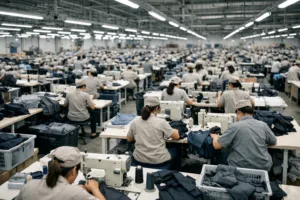
Introduction: Graduating from Small Batch to Mass Production
Transitioning from producing small batches to mass production marks a major milestone in any apparel brand’s growth. This shift brings fresh opportunities to secure better cost advantages but also demands careful planning around scaling production, increasing MOQ (Minimum Order Quantity), and rethinking factory transitions. Many founders wonder how to adjust their sourcing strategies as their brand matures. Understanding the right steps helps you turn growing demand into real profit.
Understanding Small Batch Apparel Manufacturing

Small batch manufacturing allows brands to launch with minimal risk, test product-market fit, and tailor designs without committing huge sums to inventory. Typically, this approach suits startups or brands experimenting with limited-edition drops, where flexibility and quick turnarounds are more important than unit price.
Key Benefits of Small Batch Production
- Lower inventory risk
- Faster market testing
- More design flexibility
- Opportunity to iterate based on feedback
Scaling Production: What Changes?
As orders increase, brands encounter new factors: higher MOQs, different factory capabilities, and changes in production flow. Scaling production may mean shifting focus from ultra-flexibility to consistency and cost optimization. Brands that understand this transition can negotiate more efficiently with factories and plan smarter.
When and Why Brands Move to Mass Production
Brands typically move to mass production when demand outpaces their supply, retail partners require larger quantities, or their business plan calls for broader market reach. Mass production offers the benefit of lower cost per unit, stable quality, and improved margin—but at the price of less flexibility and greater inventory risk.
Mass Production Advantages
- Economies of scale
- Better pricing
- Consistent quality
- Access to advanced manufacturing techniques
The Role of MOQ in Factory Transition
MOQ increases as brands move to mass production. Factories require larger minimums to schedule efficient runs, justify setup costs, and source bulk materials. Understanding why MOQs change helps brands avoid dead stock and miscalculations. For deeper insights, check out MOQ Explained: Why Factories Demand Minimum Orders and What Brands Need to Know.
Factory Transition: From Boutique to Volume Production
Small batch factories may not have the capacity, automation, or QC systems for high-volume needs. Transitioning to larger, specialized manufacturers means re-evaluating fit, fabric sourcing, and supply chain partners. Larger factories typically operate more predictable flows, but require clearer spec sheets and less handholding.
Cost Advantages from Mass Production
One of the main reasons brands choose mass production is improved cost efficiency. With higher volumes, factories provide better price breaks, and bulk material sourcing becomes more practical. To understand price breaks by quantity, read Tiered Pricing: The Clear Path to Smarter Apparel Cost Breaks.
How Price Breaks Work
As order sizes increase, unit costs drop—usually in tiered steps (e.g., 300, 1000, 5000 units). Factories calculate these based on material waste, labor scheduling, and machinery setup. Brands need to negotiate, forecast, and plan orders strategically to maximize their cost advantage.
Adjusting Procurement Strategies for Growth
As your brand grows, procurement strategies should shift. It’s essential to forecast demand, consolidate styles and fabrics, and lock in volume-based contracts. Smart brands leverage their scale to reduce price, ensure steady supply, and avoid material shortages. See more on consolidating orders at How Designers Can Hack MOQ: 5 Strategic Steps for Multi-Style Fabric Consolidation.
Multi-Style Consolidation
Ordering several styles using the same fabric lets brands meet higher MOQs without excessive inventory. Factories appreciate this approach, which leads to smoother production and cost sharing across styles.
Material Sourcing at Scale
Bulk buying gives brands access to premium materials, but it also increases risk if demand shifts. Sourcing strategies should include securing reliable suppliers, negotiating volume deals, and ensuring fabric consistency across batches.
Quality Control in Larger Runs
With greater quantity comes greater responsibility. Brands must implement robust quality control systems, including pre-production sample approval and periodic inspections. Factories like Ninghow Apparel recommend setting clear checkpoints, using detailed spec sheets, and requesting scaled QC reports as production increases.
QC Best Practices for Scaling Up
- Pre-production sample signoff
- Inline inspection at critical stages
- Batch-level QC documentation
- Clear specifications for measurements, trims, and color
Lead Times: How They Change in Mass Production
Lead times can lengthen as order volumes grow, mainly due to batching, setup, and fabric delivery timelines. It’s crucial to communicate clearly with your factory, plan buffer periods, and synchronize launch dates. For mass batches, predictability is king.
Inventory Risk and Demand Forecasting
Transitioning to mass production increases the risk of overstocking. Brands must invest in accurate demand forecasting, monitor retail sell-through, and stay flexible when launching new products. Managing inventory remains a delicate balance.
Negotiating Better Agreements with Factories
If you know your volumes and can guarantee consistent orders, factories become more likely to offer preferential prices, priority scheduling, and flexible payment terms. Use your leverage wisely: ask for tiered pricing, stable fabric sources, and upfront agreements on lead times.
Packaging and Logistics at Scale
Mass production calls for scalable packaging solutions and streamlined logistics. Brands should compare costs and efficiency between individual packaging and bulk handling, ensuring protection without overspending. Factories can often assist in recommending cost-effective options as order sizes increase.
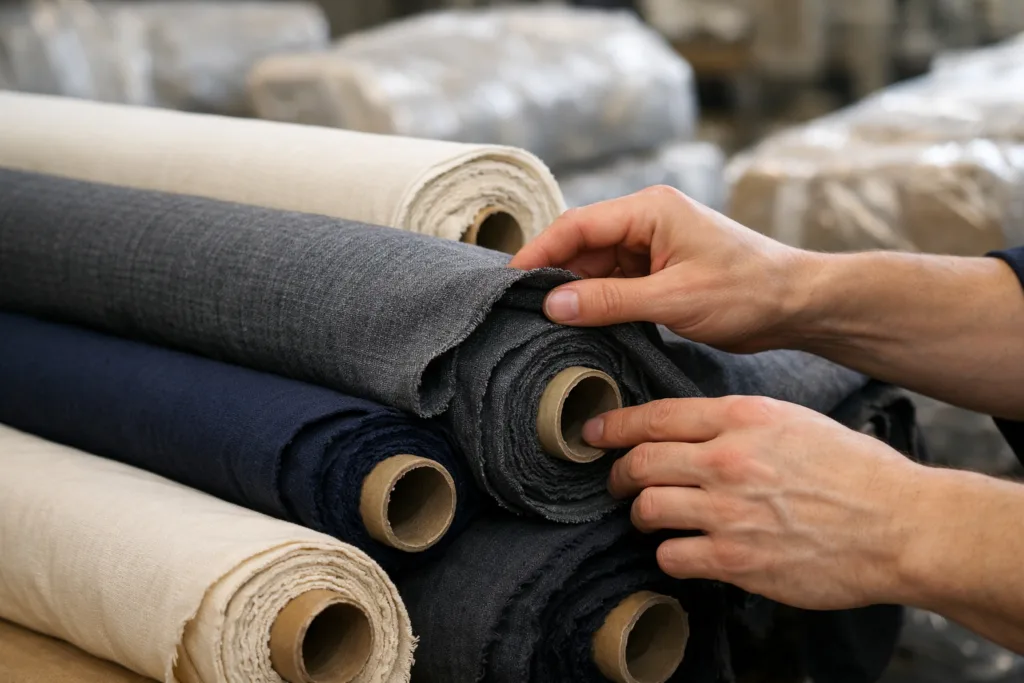
Real Manufacturing Insights: Shop-Floor Lessons
Transitioning factories isn’t just about paperwork—it’s about understanding daily production realities. The team at Ninghow Apparel sometimes sees brands struggle with fit consistency when switching factories or scaling up. They recommend keeping a close eye on pattern grading and clearly communicating changes in fabric or specs. It’s the little details that make or break large runs.
Managing Factory Relationships During Transition
Moving from boutique to high-volume factories often means changing how you interact: shift from hands-on management to trusting robust systems. Maintain open communication, respect production flow, and share your growth roadmap. Factories appreciate transparent planning, which reduces confusion and errors.
Supplier Evaluation and Re-Selection
It’s common to review and update your supplier roster during scaling. Evaluate factories based on capacity, QC, responsiveness, and price stability—then establish long-term partnerships. Consider visiting production sites or third-party audits to verify scale capabilities.
Factory Audits and Due Diligence
Factory audits help prevent surprises. Check sewing lines, automation tools, workforce capacity, and QC systems. Brands should request documentation of capacity planning and ask about peak-season lead times. Experienced factories welcome these steps—they signal serious growth.
Scaling Production, Increasing MOQ, Factory Transition
This phase is about more than simply increasing numbers—it’s a full recalibration of sourcing, negotiation, and logistics. Achieving cost advantage requires mastery of MOQ negotiation, fabric consolidation, and supplier alignment. Brands need to continuously monitor market demand and adjust procurement methods for each new stage of growth.
The Importance of Accurate Sizing and Pattern Grading
As orders scale, accurate sizing and consistent grading ensure product reliability. Factories prioritize clear grading charts and fit approvals, reducing costly quality mistakes in mass production. Brands should invest time upfront to develop precise specs, which saves money later.
Trims, Labels, and Additional Details in Mass Production
Large orders open the door to custom trims and branding elements. Budget and order in bulk, coordinate lead times, and embed custom elements early in tech-pack documentation. Smooth integration of branding details results in a seamless product line.
Technology and Automation for Efficient Scale-Up
Many factories utilize automation—cutting tables, stitch-bonding machines, digital QC checks—to efficiently manage mass production. Brands benefit from lower costs and increased consistency, especially when scaling beyond 5000 units per style.
Sustainable Practices and Scaling Responsibly
Scaling does not have to compromise sustainability. Brands can choose recycled fabrics, eco-friendly dyes, and partner with factories committed to responsible production. Larger orders may actually help justify investment in greener practices, improving brand story and customer appeal.
Planning for International Expansion
Scaling production often coincides with launching in new markets. Brands should adapt fits for regional sizing, prepare multi-lingual labels, and select logistics partners ready for international distribution. Consider market-specific compliance regulations and adjust sourcing based on target geography.
Common Mistakes in Scaling Production
- Underestimating lead times
- Over-ordering due to optimistic forecasts
- Neglecting quality control at scale
- Failing to negotiate tiered pricing
- Ignoring factory capacity limits
- Poor communication on style or fabric changes
Checklist for Smooth Transition to Mass Production
- Evaluate factory capacity and QC systems
- Negotiate MOQs and tiered pricing
- Consolidate fabrics and trims where possible
- Ensure accurate grading and fit specs
- Update tech-pack documentation for mass runs
- Plan logistics and packaging well in advance
Conclusion: Key Insights for Graduating from Small Batch to Mass Production
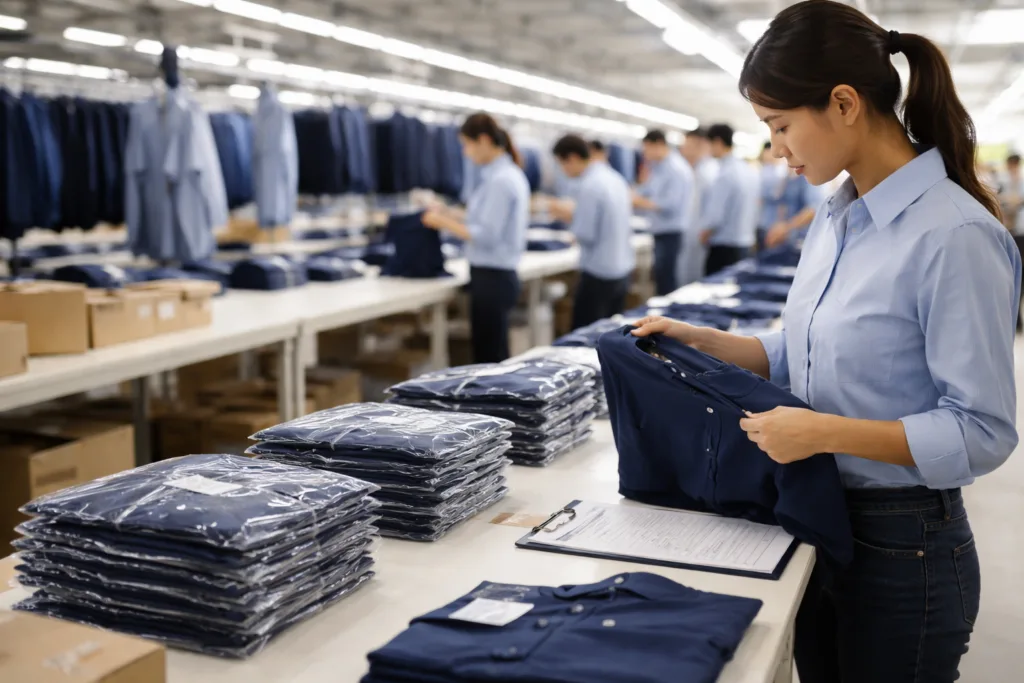
Graduating from small batch to mass production is a pivotal stage for any apparel brand aiming to achieve cost advantages and consistent product quality. Smart brands adjust their procurement strategies, consolidate materials, and build trusted factory partnerships as they scale. The process demands careful planning, honest communication, and industry-backed approaches to MOQ, negotiations, and production flows. By applying the lessons of this transition, brands unlock new efficiencies, reduce risk, and set themselves up for lasting market success.
Frequently Asked Questions
What is the main advantage of mass production over small batch manufacturing?
Mass production lowers your per-unit cost and improves consistency, making it ideal for scaling brands focused on wider market reach and higher profit margins.
How do factories calculate MOQ when switching to mass production?
Factories base MOQ on material sourcing, setup costs, and efficient scheduling, raising minimums as orders scale for streamlined production and reduced waste.
How can brands avoid dead stock when scaling production?
Brands should forecast demand accurately, consolidate styles and fabrics, and utilize tiered pricing to balance quantity with market needs and avoid excess inventory.
What are common errors brands make during factory transition?
Typical mistakes include neglecting QC systems, underestimating lead time, failing to communicate changes in specs, and over-ordering without demand analysis.
Can sustainable practices be maintained in mass production?
Yes, brands can scale responsibly by choosing eco-friendly materials and working with factories that prioritize green production methods.
What changes should brands make to their tech-pack when scaling up?
Brands must provide clear grading, updated fit specs, detailed trim instructions, and batch-level QC checkpoints to align with larger production runs.