

Why Low MOQ Clothing Sourcing Matters for Startups
Jumping into the apparel world is tough for startups, especially with tight budgets and unpredictable demand. Sourcing Strategies for Startups with Low Budget and Low Quantity aren’t just about finding products—they’re about staying agile, minimizing risk, and maximizing every dollar. Terms like low MOQ clothing manufacturers, startup sourcing, and small quantity production come up because new brands can’t tie up cash in big volumes. This guide is your survival playbook for launching successfully, step by careful step.
Many startups don’t realize that options like in-stock relabeling, pooled orders (“拼单”), and niche-focused small batch runs exist. These paths offer flexibility and keep you nimble as you build your brand identity and test the market.
Understanding Low MOQ: Terms, Myths, and Reality
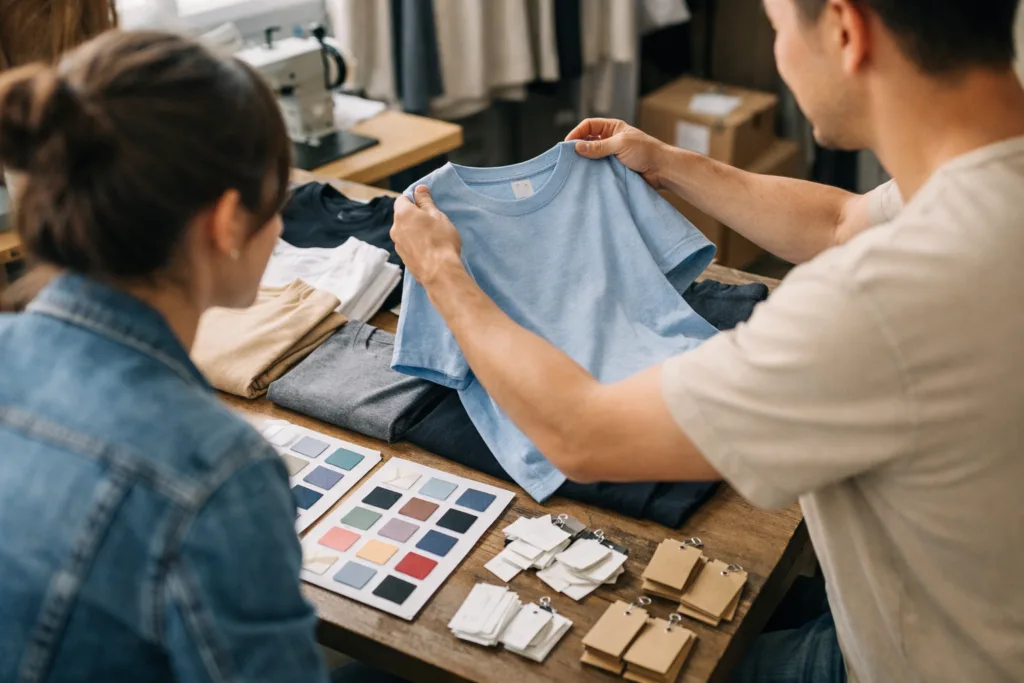
MOQ means Minimum Order Quantity—the smallest number of units a manufacturer will produce per design, color, or style. Most suppliers set high MOQs to streamline production and lower costs, but that’s a huge barrier for new brands. Here’s what matters for startups:
- Low MOQ suppliers usually accept orders as low as 50–200 pieces per style.
- MCQ (Minimum Color Quantity) affects how many pieces you can order in each color.
- Some factories will combine orders from several brands (拼单), letting you “share” MCQs.
Read MOQ vs. MCQ: Solve the Color Minimum Trap & Unlock Smarter Apparel Launches for a deeper dive into these terms and their impact on your launch budget.
Market Trends: The Shift to Small Quantity Production
Traditional mass production is out. Today’s market values limited runs, exclusive drops, and “test and iterate” launches. Startups want to avoid deadstock, cash flow squeezes, and big inventory risk. As a result, low MOQ, fast sample turnaround, and custom small-batch options are in demand. Manufacturers are responding—especially in China, Portugal, Turkey, Bangladesh, and Southeast Asia—making it easier to launch with low minimums.
If you’re building a streetwear, athleisure, or niche active brand, check out T-shirt supplier partners offering low MOQ starter kits with flexibility in design and branding.
Pathways to Low Budget Sourcing: Realistic Startup Options
Option One: Stock Blank Relabeling
A smart shortcut: Buy blank inventory (T-shirts, polos, hoodies) in stock and relabel under your brand. This requires a much lower upfront investment and leaves room for experimentation with graphics, trims, or packaging. Factories can typically relabel, bag, and ship for a modest setup fee.
Option Two: Pooled Orders (拼单 Manufacturing)
This cooperative model lets several startups combine orders to reach the factory’s MOQ, split costs, and get the same quality as a bigger brand. Communication is key—you’ll need clear agreement on color, fabric, and fit specifications to keep production smooth.
Option Three: Niche Small-Batch Specialists
Some suppliers target only low volume, quick-turn runs. Costs per unit might be higher, but cash outflow is predictable. Low MOQ clothing manufacturers like these are often found in China and Turkey, with platforms and support tailored to first launches.
Option Four: Sample-to-Bulk Pilot Runs
Piloting a small range (even 30–40 units per item) can reveal fit or demand problems before committing to scale. Use this to refine patterns, troubleshoot factory communication, and test feedback with your core audience. Picking a partner with in-house sampling is a plus.
Sourcing Checklist for Startups With Low Budget and Low Quantity
| Step | What to Watch For | Tips |
|---|---|---|
| Define Your Minimums | Don’t overestimate what you need. | Start with 50–150 units per style if possible. |
| Choose a Realistic Product Category | Some items require higher MOQs (e.g., jackets vs. T-shirts). | Begin with simpler silhouettes and colors. |
| Clarify Branding & Label Requirements | Will you relabel blanks or need fully custom designs? | Use factory template labels for speed. |
| Negotiate Production Terms | Be clear about your low volume intent and budget. | Ask about pooled orders or sample credits if scaling later. |
| QC and Lead Time | Small orders can sometimes be delayed or deprioritized in the factory queue. | Insist on a promised ready date and simple QA checklist. See apparel manufacturing quality control for best practices. |
The Art of Negotiating Lower MOQs
Negotiating with factories can be intimidating for first-timers. Here are proven ways to make the conversation smoother and get the best terms for sourcing strategies for startups with low budget and low quantity:
- Show your brand vision (even if you’re new)—factories appreciate clear, serious intent.
- Ask for pilot runs, stock blanks, or order sharing.
- Let them suggest suitable fabrics or trims in stock, which saves both sides cost and time.
- Stay flexible on labels, packaging, and extra options for better pricing.
For more negotiation scripts and techniques, explore 7 Real Scripts & Pro Tactics: How to Negotiate Lower MOQs with Clothing Manufacturers (for Startups).
Ninghow Apparel Insights: A Factory Perspective
From a manufacturer’s floor, like at Ninghow Apparel, we see most startup headaches come from unclear tech packs and unpredictable sample changes. It’s smart to invest time in getting your fit and labeling right up front—even if you’re ordering 50 pieces—because repairing mistakes after bulk production is time-consuming and expensive. Staying open to in-stock fabric options, not insisting on custom dyes at the start, is often the secret weapon for launching fast without breaking the bank.
Choosing the Right Category: What Works for Low Quantity Orders?
Not all apparel types support low MOQ production. Products with standard measurements and materials—think T-shirts, polos, tanks, hoodies—are practical. Complex outerwear, lined shorts, or multi-fabric garments might have higher minimums or setup costs tied to pattern complexity and trim sourcing.
Factories like Ninghow Apparel offer a menu of categories with clear minimums. Ask for their exact spec sheets and pre-costed options for comparison.
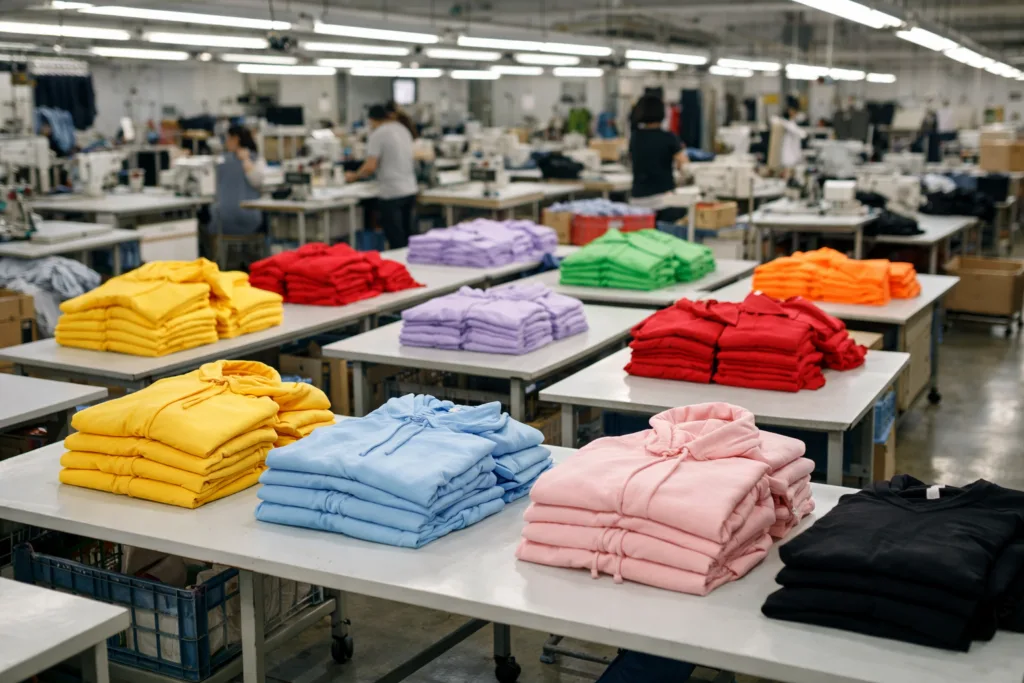
How to Tap Into Global Low MOQ Hubs
China still dominates due to scale and experience, but fast-growing sources like Turkey, Portugal, Vietnam, Bangladesh, and even Ethiopia are catering to low-budget, low-volume startups. Factors to consider by region:
- China: Best for templates, blanks, private label basics, reliable QC.
- Turkey/Portugal: Niche luxury, sustainable options, proximity to EU/US for lower shipping costs.
- Bangladesh/Vietnam: Competitive on price, but check MOQs for each product category.
Use specialized guides to help navigate cross-border suppliers, like Clothing Manufacturers in China: Complete Guide.
Hidden Pitfalls: Where Startups Waste Money
- Over-customizing with tons of colors, trims, or sizes at the start (stick to the minimum viable product first).
- Not asking for detailed spec sheets from the factory, leading to back-and-forth confusion or extra costs.
- Ignoring shipping and duty costs, which can turn a “bargain” order expensive quickly.
Sample Development: Controlling Costs and Timelines
Sampling is an investment—avoid multiple rounds by nailing details before production. Ask for digital proof photos or videos if you’re remote. Consider local final sampling for fit if your supplier is overseas. Clarify if your sample fee can roll into production if you place a bulk order.
Fit, Measurement, and Size Planning: Getting It Right From Day One
Fit mistakes lead to waste. Collaborate closely with the factory—send clear measurements, sample garments, or reference pictures, and confirm every change. Factories like Ninghow Apparel suggest using provided size specs as a baseline—their patterns are field-tested for bulk runs, which cuts your risk.
Fabric Sourcing for Small Quantities
MOQ applies to fabric and trims too. Using factory stock or “market available” fabrics reduces cost, lead times, and order minimums. Custom dyes or niche material blends will raise both cost and required volume. Confirm shrinkage rates for every fabric. If sustainability matters, opt for certified low-MOQ recycled, organic, or BCI cottons that the supplier has on hand.
Branding and Label Options on a Budget
Skip custom woven labels at the beginning. Most factories have generic options or can print your logo on care labels (set up in bulk). When you’re ready to scale, invest in branded trim packages—just be aware of higher minimums and longer lead times for custom trim orders.
Packing and Shipping: The Startup’s Dilemma
Keep it simple at first. Standard polybags and bulk-packing lower cost. Custom boxes are possible, but minimums usually start at 500+. Agree on “FOB” (Factory Out Bound) terms to avoid surprises. Air shipping is fastest but most expensive; consolidated sea freight saves money but takes longer.
Quality Control for Low Budget Sourcing
Low order sizes don’t mean you should skip QC. Insist on a written checklist (fit, sewing finish, labeling, packing). For overseas orders, ask for photos or remote video QC walk-throughs before shipment. Trusted factories are upfront if an order isn’t up to standard, but having your own checklist makes expectations clear.
Scaling Up: Preparing for Bulk Production
Most successful brands start with 50–200 units to prove demand before scaling. Once sales data comes in, communicate with your manufacturer about preparing for larger runs—often, you’ll get better pricing, more color choices, and access to custom features. Relationships matter—treat early partners with respect, pay promptly, and build mutual trust.
Sourcing Strategies for Startups with Low Budget and Low Quantity
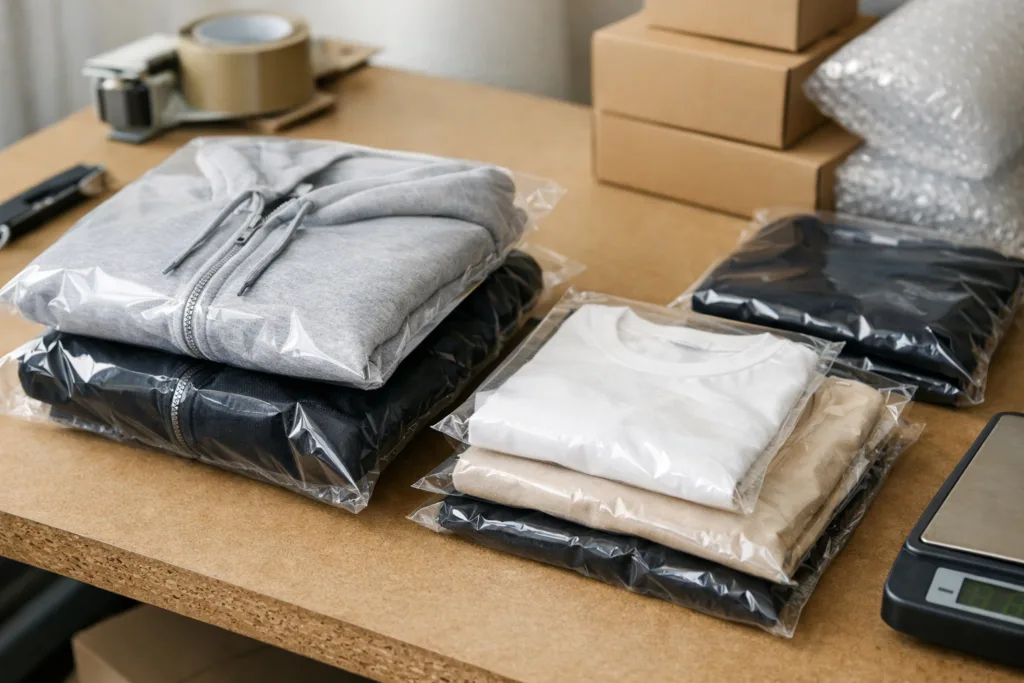
In summary, being strategic about how you source—choosing the right categories, asking for in-stock or pooled solutions, and openly communicating with factories—can position your startup for survival and growth. Focus cash on big-impact investments: fit accuracy, branded details that matter, and small controlled launches that teach you about your customer. Let the world know you’re building for the long run, not just chasing trends.
Frequently Asked Questions
What is the lowest typical MOQ for clothing production?
Most small-scale manufacturers accept starting MOQs between 50–200 units per style, but using stock blanks or pooled orders can reduce that further for ultra-small launches.
Can I combine my order with another startup to meet MOQ requirements?
Yes, many factories offer pooled or group orders (拼单) to help startups meet higher MOQs by sharing identical fabric or color lots.
How do I keep costs down when sourcing low quantities?
Use in-stock fabrics, standard sizes, blank relabeling, and be flexible on customizations. Clear upfront spec sheets and simple packaging also help manage cost.
What clothing categories are easiest for small batch production?
Basic T-shirts, polos, hoodies, joggers, and tanks have lower pattern complexity and fabric requirements, making them the best fit for low MOQ production.
Do all factories allow relabeling and small runs?
No, but many modern suppliers understand startup needs and offer in-stock relabel and flexible production solutions. Always clarify terms before you start sampling or production.
What quality risks should I watch for in small batch orders?
Common risks are inconsistent sizing, loose stitching, or missed labeling specs—always insist on sample approval, QC photos, and a clear checklist before final bulk shipment.