
Understanding Clothing Manufacturers in China
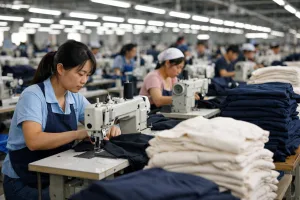
China stands as the global leader for clothing manufacturing. Brands and businesses worldwide rely on manufacturers in China for quality, scale, and competitive pricing. Whether you’re launching a new apparel line or scaling up production, understanding China’s strengths, costs, and risks is essential. This guide explores how clothing manufacturers in China operate, what sets them apart, and how to navigate the landscape for maximum success.
Advantages of Clothing Manufacturers in China

Chinese clothing factories offer distinct advantages. These include access to massive production capacity, advanced machinery, and skilled labor. Ninghow Apparel is one such clothing manufacturer, delivering consistent fit, fine craftsmanship, and sustainable practices for brands worldwide.
- Scale & Capacity: Large factories can produce thousands of pieces daily. This means you get quick delivery even with sizable orders.
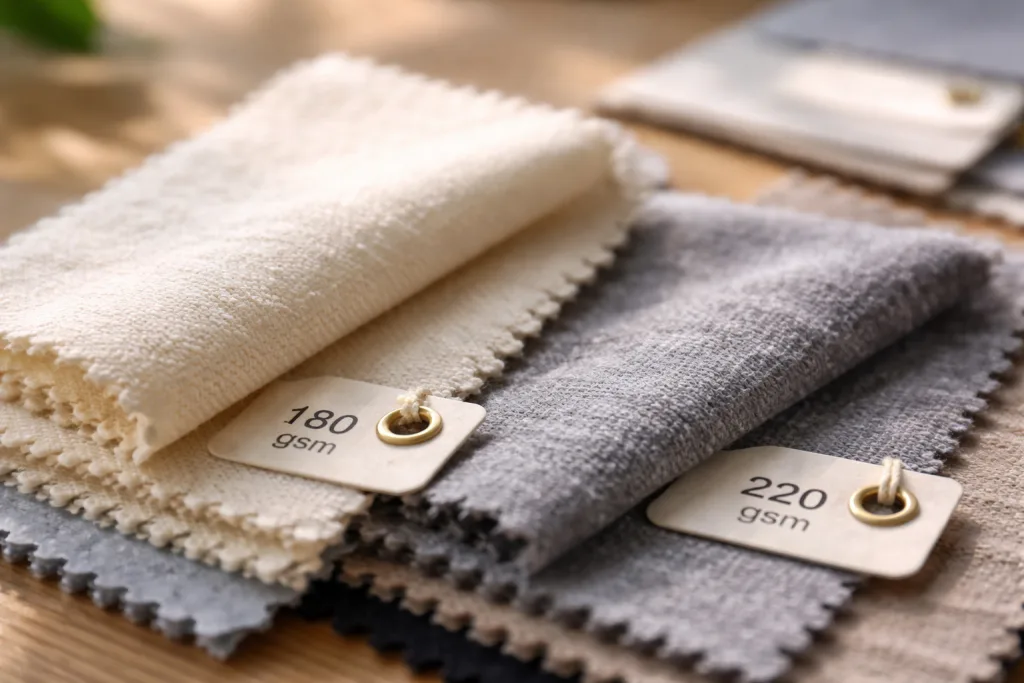
- Fabric Variety: Access to combed cotton (20s/24s/32s), organic cotton, recycled polyester (rPET), modal, viscose, and elastane blends. Factories specialize in knits (like single jersey, pique, interlock) and wovens (such as twill and poplin).
- Performance Finishes: Techniques like moisture-wicking, anti-odor, UPF protection, and stain release elevate the garment’s utility and appeal.
- Technical Expertise: Skilled pattern cutting, advanced sewing, and detailed quality control ensure reliability and refinement.
- Customization: OEM/ODM support for private label brands, covering design, tech packs, bulk color approval, and decoration (screen print, embroidery, sublimation).
- Cost Efficiency: Economies of scale and lower labor rates help keep unit costs competitive for both small and large runs.
Clothing Manufacturers China
“Clothing manufacturers China” is a top search for brands seeking bulk production with reliability and value. Factories here deliver a broad spectrum of apparel, covering polo shirts, hoodies, T-shirts, jackets, shorts, pants, and custom activewear. From sourcing fabrics to final packaging, every stage aims for efficiency and consistency.
When you work with a manufacturer like Ninghow Apparel, you benefit from strict process control. This ranges from Pantone color matching in lab dips to detailed sewing line balancing. Color stability and fit consistency are cornerstones of their service.
Comparing Fabrics, Constructions, and Applications
Choosing the right fabric and construction affects everything from durability to cost and end-use.
| Fabric/Finish | Key Properties | Best Use Scenarios |
|---|---|---|
| Combed Cotton (20s/24s/32s, ring-spun) | Soft handfeel, good breathability | Polo shirts, T-shirts, corporate apparel |
| Organic/GOTS Cotton | Sustainable, smooth finish | Eco-friendly brands, premium streetwear |
| Recycled Polyester (rPET) | Moisture-wick, strong, eco-friendly | Activewear, athleisure, sports uniforms |
| Modal/Viscose Blends | Flowy drape, silk-like touch | Resort wear, lounge sets |
| French Terry, Fleece (280–360 gsm) | Warmth, plush texture | Hoodies, sweatshirts, jackets |
| Pique Knit, Twill, Poplin | Pique: texture for polos; Twill: strong weave; Poplin: smooth | Polo shirts, pants, uniforms |
This variety lets brands find the perfect match for performance, handfeel, or sustainability goals.
Cost Structure: What Determines Pricing?
China’s clothing manufacturing costs span several key areas. Each impacts your bottom line and order feasibility.
- Materials: Fabric selection, GSM (weight), and finish (e.g., brushed or moisture-wicking) drive basic garment cost.
- Labor: Highly skilled workers manage pattern cutting, precise sewing (with ISO 301/401/602 stitches), and detailed finishing.
- Decoration: Screen or digital print, embroidery, and heat transfer methods offer handfeel/durability trade-offs. Water-based prints suit eco-friendly programs; puff embroidery adds depth to logos.
- Quality Control: QC protocols, inline checks, AQL sampling, and spec measurement help avoid costly returns or rework.
- Compliance: Factories must follow OEKO-TEX standards for chemical safety, BSCI/WRAP for social responsibility, and colorfastness tests (ISO 105-C06, AATCC 61).
- Packing & Logistics: Folding methods, polybags, export cartons, and Incoterms (FOB, CIF, DDP) affect landed cost and delivery time.
Bigger orders usually lower per-unit costs due to scale. Customizations, decorations, and specialty fabrics increase expenses but add value for brand differentiation.
Navigating Risks in China Clothing Manufacturing
Sourcing from China unlocks major benefits but also involves risks requiring careful oversight.
Quality Control Challenges
Without rigorous QC and sample review, you risk receiving garments with incorrect fit, color shade bands, or sewing flaws. Top manufacturers like Ninghow Apparel enforce tight spec measurement, color shade control, and full endline checks to protect quality.
Compliance and Testing
Compliance requirements (like OEKO-TEX or GOTS) ensure chemical safety and social standards. Look for factories with ANSI/ASQ Z1.4 inspection, wash testing, and dimensional change controls (AATCC 135).
Lead Times and Delays
Fabric sourcing delays or peak season capacity constraints may shift ship dates. Mitigate risk by requesting clear sample–PP sample–TOP approval workflows and checking raw material availability before committing.
Communication & IP Risks
Misunderstood design briefs or loose intellectual property protection can lead to unintended copying. Provide full tech packs and insist on NDAs or legal agreements for proprietary designs.
Expert Takeaway: Vet your factory’s compliance track record. Ask for lab dip records, batch control logs, and past QC reports to avoid surprises.
Manufacturing Workflow: From Design to Delivery
Chinese factories follow a stepwise production path:
- Tech Pack Preparation: Brands supply detailed spec sheets and graded size sets for accuracy.
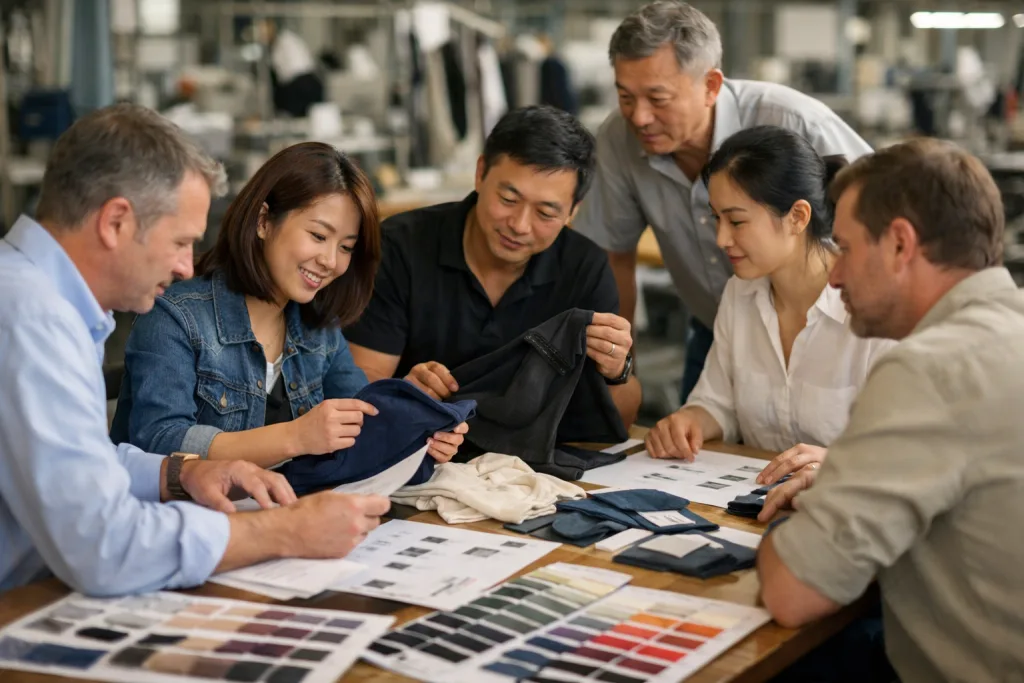
- Sample Development: Lab dips confirm color. Strike-offs and fit samples ensure design intent meets factory execution.
- Bulk Fabric Approval: Final bulk swatches and shade bands get buyer approval before cutting begins.
- Pattern Cutting: Fabric relaxation, auto-cutter machines, and grainline control set the stage for precise fit.
- Sewing & Assembly: Sewers use coverstitch, bartack, and overlock seams per garment spec. Rib collars require extra skill for polos.
- Decoration: Prints and embroidery follow, with care to preserve handfeel and durability.
- Quality Control: Inline and endline checks, plus tolerance measurements and needle detection (for safety accessories).
- Packing & Shipping: Garments are folded or hung, polybagged (as needed), labeled by size, packed per buyer’s export carton specs, and shipped under agreed Incoterms.
Each step is vital for consistent results, cost management, and timely shipment.
Compliance, Standards, and Certifications
Modern brands expect factories to meet global standards. These include:
- OEKO-TEX STANDARD 100: Tests for harmful chemicals in textiles.
- GOTS: Guarantees organic fibers and ethical production.
- BSCI/WRAP/SEDEX: Social compliance covering labor, safety, and worker rights.
- REACH/RoHS: Protects against hazardous substances in accessories, inks, labels.
- CPSIA/Prop 65: Ensures safety for US markets, especially children’s apparel.
Request certificates and documentation before starting mass production to protect your brand reputation.
Key Considerations for Choosing a Manufacturer
Finding the right clothing manufacturer in China is a business-critical decision. Look for:
- Consistent fit across size sets and design iterations
- Clear MOQ (minimum order quantities), with sample flexibility
- Transparent pricing and all-in cost breakdown
- Strong QC and batch tracking processes
- Proven record of ship-on-time and problem-solving
- Ability to support both mainstream and custom program needs
Ninghow Apparel demonstrates these traits, combining craftsmanship with advanced process control and sustainability. Ask for production records, testing results, and reference customers to verify capability.
Applications: Sports, Lifestyle, Promotional, and Corporate Programs
Chinese clothing manufacturers power a broad spectrum of programs. Whether you need golf polos, team uniforms, streetwear basics, or event giveaways, factories can adapt construction, decoration, and packaging methods to suit.
- Sportswear: Moisture-wicking blends, UPF finishes, ergonomic patterns, and reinforced seams.
- Lifestyle Fashion: Premium organic cotton, dyed French terry, and subtle branding touches.
- Promotional Programs: Cost-effective T-shirts, hats, and accessories with vibrant screen prints or heat transfer logos.
- Corporate Apparel: Brand-consistent polos, jackets, and dress shirts, all with reliable fit and color stability.
Each application benefits from China’s ability to balance scale, quality, and cost.
Packing, Export, and Logistics
Proper packing protects garments and streamlines export. Standard approaches include folding with tissue, packing by size ratio, and using compliant cartons. Factories follow care label standards (ISO 3758 symbols) and print carton marks/barcodes per market needs.
Logistics rely on clear Incoterms (EXW, FOB, CIF, DDP) plus tracked sample–PP sample–TOP deliveries for buyer confidence. Allow 25–45 days for bulk production, plus transit time. Check for export packaging compliance and insurance as required.
Frequently Asked Questions
What are the main advantages of clothing manufacturers in China?
Clothing manufacturers in China provide large-scale capacity, competitive pricing, strong technical expertise, and broad access to fabric varieties that suit nearly every apparel need.
How do Chinese factories control quality in apparel production?
Factories use detailed spec measurement, shade band controls, batch testing, and certifications like OEKO-TEX or GOTS to meet international standards and buyer expectations.
What factors influence the price of clothing manufacturing in China?
Key price drivers include fabric selection, decoration methods, labor skills, quality control needs, compliance requirements, and order volume—larger orders usually reduce unit costs.
How can I ensure compliance and testing for my apparel order?
Request certifications such as OEKO-TEX, BSCI, and GOTS, review lab dip records, and insist on wash/colorfastness and dimensional change tests per ISO and AATCC standards.
What risks should I consider when working with Chinese clothing manufacturers?
Main risks include inconsistent quality, miscommunication, IP concerns, and production delays. Mitigate by providing clear tech packs, using sample workflows, and confirming compliance.
What types of apparel programs do Chinese factories support?
Chinese factories manufacture sportswear, fashion basics, uniforms, promotional items, and corporate apparel—supporting custom construction and decoration for diverse business needs.