
Shorts Trim Options: An Overview
When discussing shorts trim options, most think first of the waistband. But every part—including zippers, cords, buttons, and inside construction—plays a key role. Good trims secure fit, aid movement, and hold up to wash and wear cycles.
- Elastic waistbands for stretch and quick on/off
- Drawcords to tune in the perfect fit
- Zippers and buttons for security and style accents
- Internal taping or lining for structure and comfort
Ninghow Apparel, a leading OEM/ODM clothing manufacturer, uses rigorous trim testing and spec control to give each B2B partner consistency and next-level durability.
Understanding Waistband Structures

Waistbands aren’t just about holding shorts up. Their structure defines support, shape, and how the garment feels against the body. The three most common waistband types in modern shorts are:
- Full Elastic Waistband: Common in athletic and lounge shorts for easy movement and universal fit.
- Partially Elastic Waistband: Often seen in streetwear and casual shorts, combining structure with flex panels.
- Fixed Waistband (Non-Elastic): Uses zippers, hooks, or buttons for tailored fits, often lined for comfort.
The Importance of Trim Selection in Manufacturing
Proper trim selection is not just about style; it addresses long-term wear, cost control, and end-user satisfaction. The right trims must be chosen based on target use, expected wear intensity, and customer profile. Here’s how these components matter:
- Comfort: Soft, brushed elastic or hidden seam taping avoids irritation during movement.
- Durability: Bartacks (zigzag reinforcement) at drawcord holes and zipper ends resist tear-out.
- Compliance: OEKO-TEX and REACH-approved accessory materials support export requirements.
Materials & Constructions for Waistband Performance
Status and quality depend on the right blend of fabrics and accessory grade. Typical choices:
| Waistband/Trim Type | Best Materials | Properties | Ideal Use |
|---|---|---|---|
| Full Elastic Waistband | Polyester/elastane blends, brushed elastics | High stretch, comfort, quick rebound | Sports, kidswear, lounge |
| Drawcords (inside/outside) | Poly braided cord, flat cotton, recycled fibers | Adjustable fit, durable, non-fraying | Activewear, swimwear |
| Zippers (fly, pocket) | Nylon coil, YKK plastic, metal alloy | Smooth pull, corrosion-resistant | Outdoor, uniform, work shorts |
| Fixed Waistband | Interfaced woven band, twill tape lining | Shape retention, tailored look | Golf, chino, corporate |
Elastic Waistbands, Drawcords & Zippers: Trim Choices in Shorts Manufacturing
The right combination of elastic waistbands, drawcords, and zippers lies at the heart of modern shorts design. Each serves a functional and aesthetic purpose.
Full Elastic Waistbands: The Comfort Standard
Full elastic waistbands are found in most sports and loungewear shorts. Quality depends on the elastic’s GSM (grams per square meter), width (usually 30–60mm), and covered versus exposed design. Covered elastics use self or contrast fabric to shield skin, reducing irritation. High-stretch blends with spandex or lycra handle repeated stretching without losing snapback. For kidswear, OEKO-TEX certified elastics prevent adverse skin reactions. Industrial SMV and line balancing are essential in producing consistent gathers across size sets—a standard at factories like Ninghow Apparel.
Drawcords: Customization and Stability
Drawcords allow wearers to fine-tune their fit. They come in flat (classic athleisure style) or round (rope-like) profiles. Waxed, silicone-dipped, or metal-tipped finishes offer both logistical (prevents fraying) and visual benefits. Eyelet or bartack-reinforced cord holes reinforce stress points, which reduces the risk of tearing.
Inside vs. Outside Drawcord Placement
- Inside cord: Clean look, low snag risk—common for performance shorts.
- Outside cord: Visual statement, easy access—favored in streetwear or resort styles.
For sustainability goals, rPET (recycled polyester) and GOTS-approved organic cotton drawcords are available, maintaining both eco-standards and performance.
Zippers: Function, Security, and Style
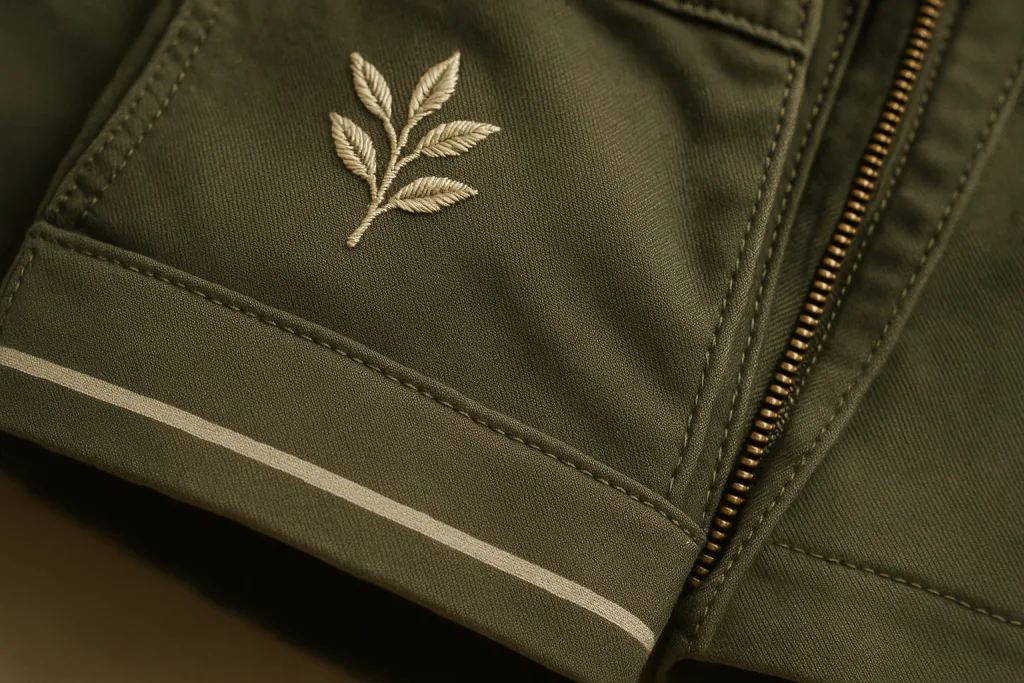
Zippers serve two main uses: fly openings and pocket closures. Nylon coil zippers are soft and flexible, good for activewear, while molded plastic or lightweight metal work in fashion and utility shorts. Top manufacturers test zipper cycles above 5,000 openings to guarantee long-term reliability.
Zipper Attachment Techniques
- Concealed zippers: Hidden in seams for a sleek look.
- Exposed zippers: Add color or metallic accents for street or sport appeal.
Zipper weight and gauge must match base fabric GSM to avoid puckering. For children’s and swim shorts, lockable pulls and snag-free backs keep safety front and center.
Impact of Trim Choices on Comfort
Comfort rests on three factors: skin feel, adjustability, and pressure distribution. Brushed or finished elastic, tagless labels, and soft shell drawcords reduce chafing during activity. Flat seam attachment and coverstitching control bulk, especially in lighter GSM (160–220gsm) knits and wovens. Elastic recovery and width influence whether the waistband crashes or rolls during movement. Experts recommend adding 10–15% relaxation for maximum comfort after heat/final finish.
Durability: What Makes Trims Last?
Durability involves both design and testing. Drawcord exit points see the most torque—triple stitching or bartack reinforcement prevents early rip-out. Zippers must pass anti-rust, salt spray, and fatigue testing.
- Elastics and cords: Must pass AATCC 61 (colorfastness) and stretch recovery tests.
- Zippers: Cycle tested; tape strength measured to ASTM D2061 standards.
- Button/tag hardware: Needle detection protocols ensure no broken needles or parts remain in finished goods.
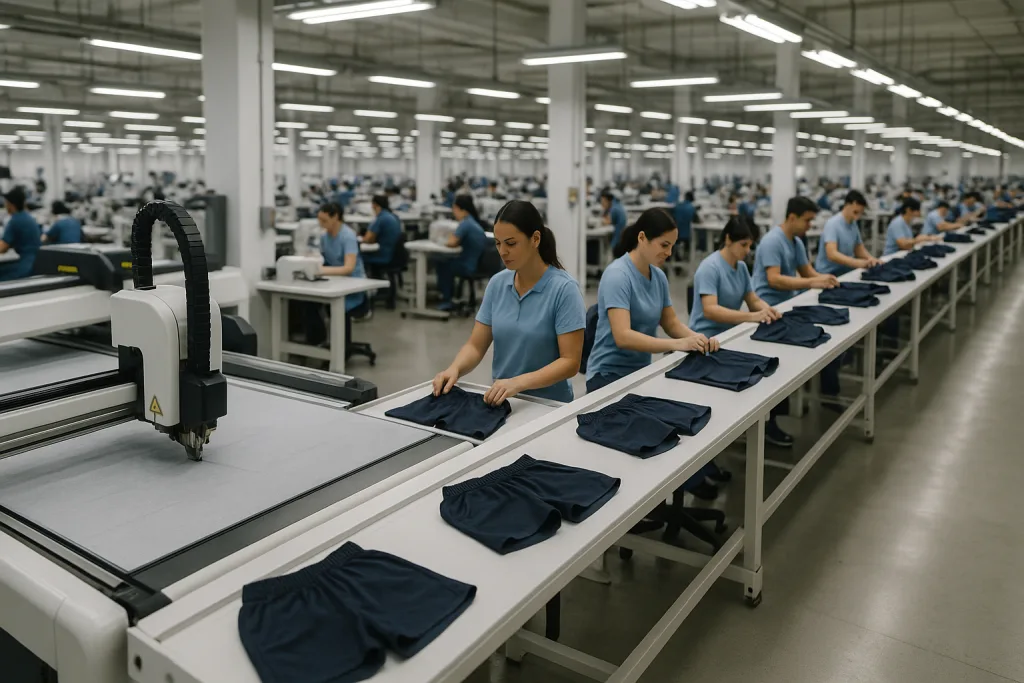
Ninghow Apparel leverages 100% endline QC, inline shade bands, and physical measurement checks to ensure every batch meets durability goals and spec tables. For export, compliance with OEKO-TEX STANDARD 100 and REACH is standard procedure.
Performance Finishes and Special Treatments
Many shorts now include performance finishes that interact with trims. Moisture-wicking treatments, often applied on polyester or poly-blend waistbands, keep skin dry. Water-repellent (DWR) finishes are critical in outdoor or swim shorts, requiring trims with equal durability and chemical resistance.
- Pre-shrunk elastics: Minimize waistband deformation after wash cycles.
- Antimicrobial cords: Reduce odor for sports shorts.
- Color protector sprays: Keep zippers and dye-matched trims from fading after exposure to sun/wash.
Color, Lab Approvals, and Trim Matching
To maintain a professional look, trim colors must match the main fabric. Bulk shade bands and Pantone-matched trims are essential. Leading manufacturers run lab dips (small batch dye tests) and strike-offs (print/trim tests) before committing main order quantities.
| Test Type | Purpose | Typical Outcome |
|---|---|---|
| Lab Dip | Confirm elastic/drawcord/fabric color match | Select closest shade, avoid batch mismatch |
| Strike-off | Test print/embroidery on actual trim | Verify crisp logo, colorfast inks |
| Shade Band | Approve range within color tolerance | Ensure consistency across runs |
Sewing and Assembly: Construction Details
Waistbands and trims need secure attachment. Common sewing techniques include chainstitch (ISO 401), coverstitch (ISO 602), and bartack (ISO 301) for reinforcement. Flatlock and hidden seams reduce bulk—important in fitness or lightweight shorts. SMV calculations and production line balancing ensure that trim attachment does not slow overall workflow or introduce quality risk.
Bartacks & Coverstitch: Small Details, Major Impact
Bartacks at key stress points (cord holes, zipper ends, pocket openings) boost garment life. Coverstitch hems keep elastic from twisting and add a secure, low-profile finish. Buttonholes and internal taping can add refinement in corporate or golf shorts, maintaining a clean, upscale look.
Decoration, Branding & Compliance
Shorts decoration—whether screen print, embroidery, or heat transfer—can impact trim choice. Thick embroidery needs extra waistband strength to avoid puckering. Heat-sensitive finishes mean metal-tipped drawcords or specialty zippers may need to be avoided. Quality decoration (like 3D/puff embroidery or edge-to-edge sublimation) relies on proper pre-treatment and tightly controlled lab testing for wash colorfastness (AATCC 61), pilling (ISO 12945), and print durability.
Quality Control, Testing & Export Compliance
Every trim undergoes inspection against approved spec measurement tables and visual standards. Common checks include GSM for elastic, cord length consistency, zipper cycle tests, and needle detection for accessories. For international orders, labels and trims must meet CPSIA, OEKO-TEX, or REACH standards and be free from hazardous substances.
- Inline QC: Checks trim color, construction, and stitching in assembly.
- Endline QC: Final garment tests for fit, comfort, and appearance.
- Random AQL (acceptable quality limit) sampling ensures batch reliability for export.
For clients of Ninghow Apparel, all trims are traceable from lab dip to final packing, supporting strong after-sales confidence.
Packing, Labeling, and Shipping Trims
After QC, shorts move to packing. Trims remain covered and protected—drawcords tied or bagged, zippers closed. Care and size labels use ISO 3758 symbols, aiding easy global distribution. Strong carton marking and barcode / UPC application make B2B fulfillment fast and secure. Polybags protect trims; custom hangtags add value for retail programs.
Optimizing Trim Choices for Your Brand
Trim selection in shorts manufacturing links directly to brand image, user satisfaction, and margin control. Consider:
- End-use: Heavy sports, team uniforms, luxury resort, promo, or daily basics?
- Customer profile: Age, gender, fit/appetite for adjustability, sensitivity/allergies.
- Regulations: Export markets, sustainability goals, safety standards.
- Decoration plans: Matching trims, embroidery/print interaction, fastness.
Collaborate early with your manufacturer. Share tech packs, size sets, and sample fabrics. Ninghow Apparel supports test runs and PP sample development, ensuring the trims in bulk follow approved shade bands and durability standards.
Frequently Asked Questions
What is the most comfortable waistband structure for shorts?
Full elastic waistbands, especially those covered with soft fabric, provide maximum comfort and flexibility for most shorts styles.
How are drawcord entrances reinforced to prevent tearing?
Manufacturers use bartacks or eyelet rings at cord entrances, strengthening these stress points against repeated pull and wear.
Do metal zippers outperform nylon in durability?
Metal zippers usually last longer in work or heavy-duty shorts, but nylon coil zippers are lighter and better for activewear or swimwear.
How is shorts trim compliance checked for export?
Trims are tested for hazardous substances, colorfastness, and durability per OEKO-TEX, REACH, or CPSIA standards before shipping.
Are sustainable trims available for eco-friendly shorts?
Yes. Manufacturers offer rPET cords, organic cotton drawstrings, and OEKO-TEX-certified elastic and labels as sustainable options.
What is the standard tolerance for elastic waistband length in production?
Acceptable tolerance for elastic waistbands is typically ±1 cm, ensuring consistent fit across size sets and batches.