

Introduction to Streetwear Clothing
Streetwear clothing has grown far beyond a simple fashion trend. It started on city streets but now appears on runways, in music, and across the globe. But what is streetwear clothing? At its core, streetwear blends comfort, bold designs, and strong cultural influences. Today, this style shapes youth fashion, creative industries, and even global apparel manufacturing.
What Is Streetwear Clothing?

Streetwear clothing refers to a style of casual clothing that developed from skateboarding, hip-hop, and youth subcultures in the late 20th century. Typical items include graphic T-shirts, hoodies, sneakers, joggers, and caps. Key features are loose fits, bold prints, and attention to graphic detail. Unlike traditional fashion, streetwear puts comfort and self-expression first. Brands release limited runs to create exclusivity, turning ordinary items into sought-after pieces.
The Evolution of Streetwear Clothing
Streetwear began in California’s surf and skate communities during the 1970s and 1980s. Local brands made tees and hats that reflected youth culture. In the 1990s, hip-hop artists and fans started using streetwear to express personal identity. Japanese fashion soon picked up the trend, adding new fabrics and details. Big brands joined in, and collaborations with artists and musicians followed. Today, streetwear blends high fashion, art, and sports, making it a global force.
Core Features of Streetwear Clothing
What sets streetwear apart? Three traits stand out: comfort, design, and exclusivity. The following table breaks down how different fabrics and finishes are used in streetwear, their properties, and best-use scenarios.
| Fabric/Finish | Properties | Best Use |
|---|---|---|
| Combed Cotton (20s/24s/32s) | Soft, durable, breathable | T-shirts, hoodies, sweatshirts |
| Ring-Spun Cotton | Smooth, strong fibers | Graphic tees, base layers |
| French Terry Fleece (280–360gsm) | Warm, moisture-wicking | Premium sweatshirts, joggers |
| Elastane Blends (Cotton/Spandex) | Stretch, shape retention | Joggers, slim-fit tops |
| Recycled Polyester (rPET) | Eco-friendly, durable | Jackers, track pants |
Streetwear uses unique colorways, prints, and limited-edition runs. Heavyweight fabrics like 240gsm cotton give pieces structure and durability. Pre-shrunk finishes and soft hand-feels add comfort, while specialty prints or embroidery create standout looks.
Design Elements in Streetwear Clothing
Streetwear design merges cultural references with technical innovation. Iconic logos, bold graphics, and unexpected details set items apart. Tech packs detail every element for manufacturing: patterns, size grades, stitch types, and print placement. Garments often feature dropped shoulders, oversized cuts, and attention-grabbing patches or trims. Decoration methods like screen print, embroidery (including 3D), and heat transfers ensure motifs last through repeated wear.
- Oversized fits: Prioritize comfort and urban edge
- Graphics: Reflect music, art, or social topics
- Layering: Hoodies under jackets, tees over long sleeves
- Materials: Rich textures like brushed fleece or ribbed knits
Decorations meet ASTM and OEKO-TEX standards for safety, especially for inks and accessories. Ninghow Apparel works with clients to ensure every piece meets design and durability standards from lab dips to final batch checks.
Streetwear Manufacturing: Materials and Techniques
Quality streetwear needs precision at every step. Designers use detailed tech packs that specify fabrics, colors, trims, and artwork layouts. Common materials include 100% cotton, cotton-poly blends, and organic or recycled yarns. Heavy jersey (200–240gsm), brushed fleece, and rib knits offer structure and warmth. Mochine and manual cutting ensures consistent fit, from S to XXL, using auto-cutters, markers, and relaxed fabric rolls.
Assembly lines focus on line balancing and strict tolerances to maintain fit. Standard stitches include lockstitch (ISO 301) for main seams and coverstitch for hems. Ribbed collars and waistbands use elastane blends for stretch. Decoration options—such as water-based screen print, direct-to-garment (DTG), or puff embroidery—are chosen for handfeel and print durability.
- Quality checks at each stage: specs, colors, and seam performance
- Colorfastness testing per ISO 105 standards
- Dimensional checks using AATCC 135/150 protocols
Streetwear Clothing Applications Around the World
Streetwear’s global reach is clear. In the United States, staple items include loose jeans, graphic hoodies, and statement sneakers. Asian markets favor oversized silhouettes and layered styles. In Europe, vintage streetwear and sports-inspired looks dominate. Major global brands and startups alike offer streetwear lines. Corporate clients and promotional programs also turn to streetwear for uniforms and branded giveaways.
Ninghow Apparel clothing supplies B2B clients with streetwear that fits local preferences and climate. Whether a startup seeking the perfect drop-shoulder tee, or a brand running a seasonal promo, manufacturing partners work to deliver consistent sizes, fabrics, and finish.
How Color and Decoration Set Streetwear Apart
Color defines streetwear identity. Brands often use custom shades and Pantone matching, with lab dips and strike-offs tested against batch standards. Multiple printing methods—including screen print (plastisol or discharge), DTG, or embroidery—ensure artwork stands out and lasts. Prints must resist fading, bleeding, or cracking, passing tests like AATCC 61 for colorfastness and ISO 12945 for pilling.
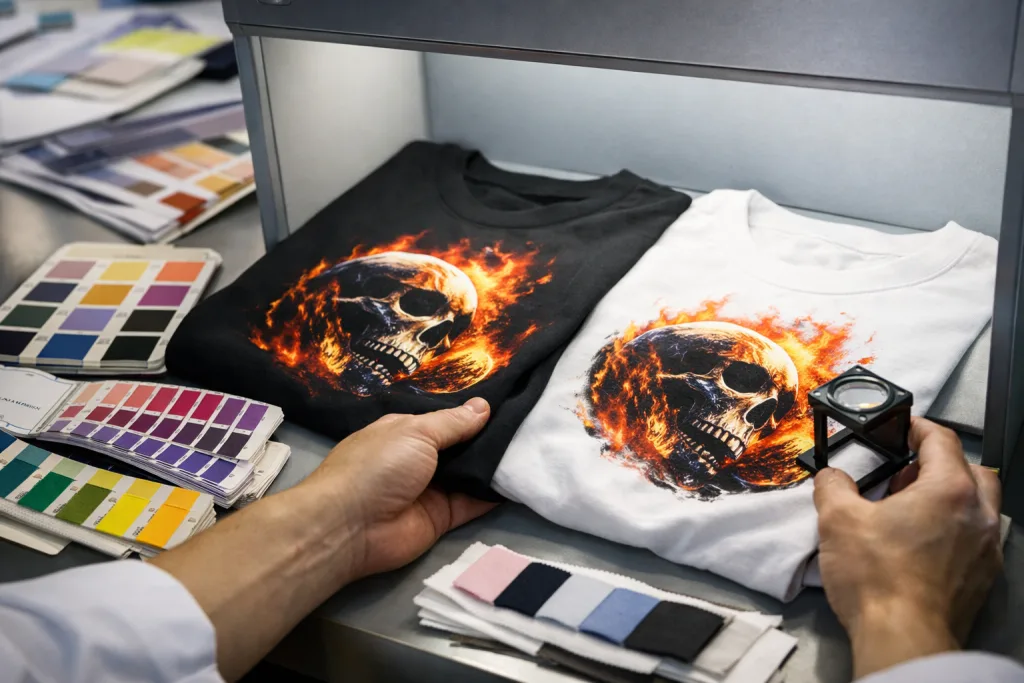
- Bulk color approval after lab dips prevents shade variance
- Batch control and shade bands keep launches consistent
- Mockups on real fabric confirm print alignment and finish
Exclusive runs and unique colorways drive demand—turning ordinary hoodies or tees into limited collectibles. Bold color blocks, vivid prints, and mix-media logos are hallmarks of successful streetwear launches worldwide.
Expert Insight: “Design precision and color control are the backbone of streetwear’s global appeal,” notes a senior technician at Ninghow Apparel. “Quality comes from controlled, repeatable processes at every production stage.”
Quality Control and Compliance in Streetwear Clothing
Top manufacturers use strict quality control at every stage. From incoming fabric checks for weight and stretch to final measurements and visual inspections, nothing is left to chance. During sewing, skilled operators target consistent stitching (ISO 301 for seams, bar tacks for reinforcement) and limit puckering or skew. Finished items pass end-line checks against tolerance tables and reference samples.
Compliance with international standards matters. OEKO-TEX STANDARD 100 and GOTS labels assure buyers that materials are free from harmful chemicals. If selling in the United States, compliance with CPSIA and California Prop 65 for labels and inks is essential. Shipment packaging includes care labels with ISO 3758 symbols and barcoded tags for inventory tracking. All steps—from lab dips to export packaging—link back to product quality and customer trust.
Business Outcomes: Durability, Fit, and Brand Value
Why invest in high-quality streetwear manufacturing? Durability ensures repeat wear, important for customer loyalty. Consistent sizing, from tech pack to final product, means fewer returns and better reviews. Strong color control and premium finishes (like enzyme or peach) help garments look fresh after multiple washes.
- Bulk ordering with low minimums cuts waste and cost
- Quick-turn samples support timely launches
- Export-ready cartons streamline logistics
For brands, streetwear’s unique blend of exclusivity and comfort creates lasting value. The right cut, decoration, and quality build trust—and loyal customers. As one leading manufacturer, Ninghow Apparel delivers streetwear garments engineered for lasting fit and finish, using best-in-class fabrics and testing at every step.
The Future of Streetwear Clothing

Streetwear continues to evolve. Sustainability now guides material choices, with recycled polyester and organic cotton becoming mainstream. Digital decoration and on-demand production speed up launches and cut inventory risk. As new subcultures shape style, brands must balance tradition—oversized silhouettes, bold prints—with novel fabrics and eco-friendly options.
From tech-driven production to custom collabs, the future of streetwear is bright. Brands and manufacturers who prioritize quality, fit, and cultural connection will remain at the heart of this ever-changing scene.
Frequently Asked Questions
What defines streetwear clothing?
Streetwear clothing is defined by casual, comfortable styles influenced by youth culture, especially skateboarding and hip-hop, often featuring bold graphics and loose fits.
How did streetwear clothing develop?
Streetwear started in the 1970s and 1980s in U.S. surf and skate scenes, later merging with hip-hop and global fashion influences to become a major industry.
What fabrics are commonly used in streetwear?
Popular streetwear fabrics include combed cotton, heavyweight jersey, French terry fleece, recycled polyester, and elastane blends for comfort and longevity.
How does streetwear maintain durability and fit?
Manufacturers use precise tech packs, skilled sewing, strict QC, and fabric testing for colorfastness and dimensional stability to ensure lasting fit and durability.
What makes streetwear clothing exclusive?
Brands often release limited collections, unique colorways, or artist collaborations, creating demand and making each item feel special and collectible.
Why is quality control important in streetwear?
Quality control keeps sizes, colors, and graphics consistent, reduces returns, and builds buyer trust by ensuring every piece meets set standards and regulations.