
The Power of Storytelling in Building a Fashion Brand
Every successful clothing brand relies on storytelling to set itself apart. Stories evoke emotion and build trust. For fashion labels, turning your brand message into a memorable story is the key to turning shoppers into lifelong fans. Let’s explore strategies for clothing brand storytelling that attract attention and boost loyalty.
Why Clothing Brand Storytelling Matters

Shoppers want more than just products. They crave connection. When a clothing brand shares its journey, inspiration, and values, people listen. Storytelling builds relationships and trust—both essential for winning repeat customers. Companies like Ninghow Apparel know this well. Their story of craftsmanship and consistent quality resonates with buyers, making their apparel a preferred choice for teams, sports, and lifestyle programs.
Creating Emotional Connection
Stories trigger feelings. A narrative about overcoming challenges or a commitment to sustainability can inspire customers. Emotional hooks tie your brand to customers’ own values and aspirations.
Standing Out in a Crowded Market
The fashion industry overflows with options. A compelling brand story sets you apart. When shoppers understand your mission and identity, they’re more likely to choose you over generic competitors.
Elements of a Powerful Clothing Brand Story
Every great brand story shares certain traits. Focus on authenticity, clarity, and relatability. Make your message easy to grasp and remember.
Authenticity: Be Real
Don’t exaggerate. Highlight real events, founders’ experiences, or meaningful milestones. Authentic stories inspire belief and loyalty.
Mission and Values
Share what drives you. Is it eco-friendly manufacturing? Perfect fit and comfort? Your unique values give people a reason to support your brand. Ninghow Apparel’s dedication to sustainable sourcing and craftsmanship builds long-term trust.
Origin Story
How did your company start? What problem were you solving? Customers love hearing about founders’ challenges and breakthroughs. It humanizes your brand.
Character and Voice
Choose a brand personality that matches your products. Is your tone playful, bold, or refined? Keep it consistent across all marketing.
How to Build and Share Your Clothing Brand Story
Let’s break down the process into clear steps. Each step brings you closer to a story that moves consumers and uplifts loyalty.
Step 1: Identify Your Unique Selling Points
- What makes your products special?
- Highlight fabric choices, construction techniques, and design details.
- Do you offer OEKO-TEX certified garments or hand-finished seams?
Step 2: Define Your Target Audience
Who are your ideal customers? Teen athletes, corporate teams, fashion-forward urbanites? Understand their tastes, values, and needs.
Step 3: Clarify Your Mission Statement
- Write a simple, strong statement about what your brand stands for.
- Example: “We blend comfort and style for active professionals.”
Step 4: Craft a Memorable Origin Story
Share how your brand began. Did a founder notice a gap in golf polos? Did a team desire better moisture-wicking tees for tournaments?
Step 5: Showcase Your Process
- Reveal behind-the-scenes details: fabric sourcing, lab dip approvals, color matching, and quality checks.
- Cite certifications (like GOTS for organic cotton or OEKO-TEX STANDARD 100).
Step 6: Launch Your Story Across Channels
- Website: Feature your story on the About Us page.
- Social Media: Share key milestones, making processes and testimonials.
- Product Pages: Connect features to your story (e.g., “Ethically sourced 32s combed cotton for lasting softness”).
Clothing Brand Storytelling in Action
Let’s see how leading clothing brands put storytelling to work. They blend narrative with product detail to engage and convert their buyers.
Case: Ninghow Apparel’s Journey
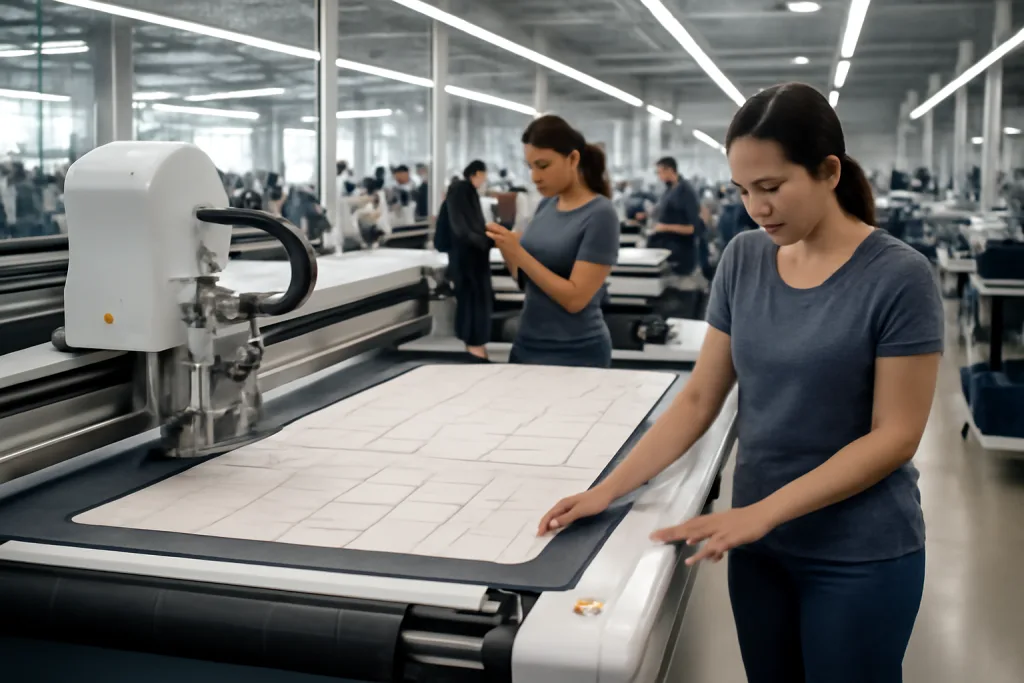
Ninghow Apparel began with a vision for reliable, high-quality teamwear. Their story traces years of honing fabric selection—from ring-spun cotton for T-shirts to recycled polyester (rPET) for activewear. Each collection includes materials tested for durability and performance. Their focus on craftsmanship and fit consistency is reflected in every stitch, from auto-cutting accuracy to inspection protocols using AQL standards.
Case: Urban Streetwear Brand
A small urban label built its story around bold self-expression. Their garments use French terry knits and pigment-dyed finishing, celebrating city life with vivid colors. The founder’s story, visible on every hangtag, fosters loyalty among young shoppers who value creative freedom.
Case: Golf Apparel Line
A golf brand’s narrative centers on technical development. Their polos are made with compacted pique knit and advanced moisture-wicking finishes. Product pages explain colorfastness testing for UV resistance and stitch details that enhance movement. This storytelling convinces buyers that quality goes beyond surface appearance.
Technical Details: How They Strengthen Your Story
Backing your story with technical expertise shows you care about more than trends. Clear, honest details boost trust. Let’s look at key material and process choices for building a story that stands up to scrutiny.
| Material/Finish | Properties | Best-Use Scenario |
|---|---|---|
| Combed Cotton (32s) | Soft handfeel, high tensile strength | Premium tees, polos, kidswear |
| Recycled Polyester (rPET) | Moisture-wicking, eco-friendly | Golf, sportswear, activewear |
| Peach Finish | Brushed softness, rich texture | Luxury sweats, athleisure |
| GOTS Organic Cotton | Certified organic, sustainability | Corporate uniforms, ethical collections |
| Single Jersey Knit (180–200 GSM) | Lightweight, breathable | Summer t-shirts, beachwear |
| French Terry Knit (300 GSM) | Absorbent, looped back | Team sweatshirts, casual hoodies |
| Poly/Elastane Blend | Stretch, recovery, smooth finish | Performance polos, athleisure pants |
Construction and Sewing Details
- SMV (Standard Minute Value): Balances line efficiency and quality.
- Stitch types (ISO 301 lockstitch, ISO 401 overlock): Chosen for durability on high-wear areas.
- Pattern accuracy: Tech packs and graded size sets ensure fit consistency across batches.
- Bartacks and coverstitching: Reinforce pocket edges, sleeve hems, and rib collars.
Color and Decoration: Bringing Your Story to Life
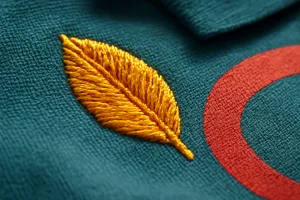
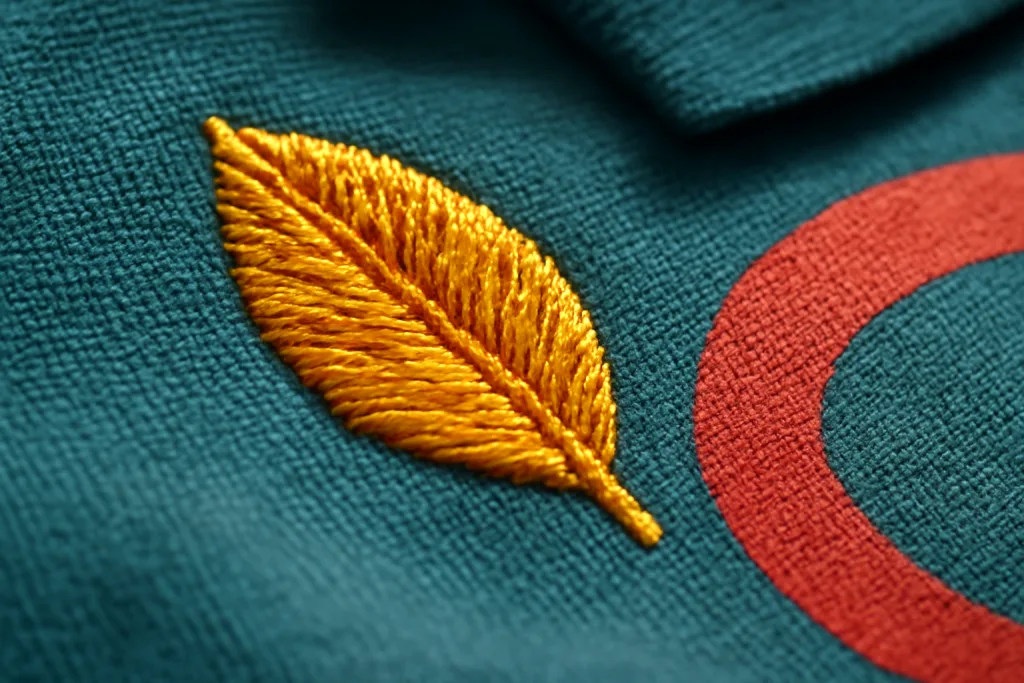
Brand colors and decorations can reflect your narrative. Use Pantone-matched shades for consistency. Choose decoration methods that align with your message—eco-friendly water-based printing for sustainability, bold direct-to-garment prints for creativity, or 3D embroidery to signal premium quality.
Quality Control: Proof for Your Brand Story
Every detail counts in storytelling. Proven quality shows your story stands up in the real world. Ninghow Apparel, for instance, subjects every batch to inline and endline checks, verifies spec tables, measures shrinkage (using AATCC 135/150 standards), and tests colorfastness to sunlight and washing (ISO 105-C06/X12).
Quality Control Checklist
- Puckering, skewing, and seam strength tests
- Needle detection: Safety in kidswear and certain corporate programs
- Lab dips and bulk color approvals for precise matching
- Compliance: GOTS, OEKO-TEX, BSCI where relevant
Packaging and Logistics: The Last Chapter
The unboxing experience is part of your story. Folding methods, polybag specs, and ratio packing impact first impressions. Well-marked cartons (with UPC/EAN barcodes) speed delivery. Hangtags, woven labels, and clear care symbols (ISO 3758) provide lasting brand touchpoints. Smart logistics choices (EXW, FOB, DDP Incoterms) help meet delivery promises and maintain trust with customers everywhere.
Clothing Brand Storytelling
At its core, clothing brand storytelling means sharing your history, values, and product strengths in a way that touches hearts. It’s not just about words—it’s about process, detail, and transparency. Brands like Ninghow Apparel show how combining craft, sustainable materials, and reliable service can turn one-time buyers into passionate advocates. Use storytelling to reveal your why, your how, and your promise to every customer.
Tips for Amplifying Your Clothing Brand Story
- Gather customer testimonials and stories from real users
- Show videos or photos of your production process
- Celebrate milestone moments—new launches, certifications, innovation awards
- Create limited-edition runs tied to special campaigns or partnerships
Expert Takeaway
“A great clothing brand story blends technical quality with emotional meaning. Show your real process, celebrate your wins, and listen to customers. That’s how you build loyalty.” — Fashion Manufacturing Specialist
Frequently Asked Questions
What is clothing brand storytelling?
Clothing brand storytelling is the process of sharing your brand’s history, core values, and product strengths through narratives that connect emotionally with customers.
How does storytelling improve brand loyalty?
Storytelling builds emotional bonds and trust with shoppers, making them feel connected and more likely to choose your brand repeatedly over competitors.
What technical details can enhance my brand story?
Use specifics like fabric types, certifications, custom finishes, and quality control steps to prove your commitment to excellence and credibility.
Why is consistency important in clothing brand storytelling?
Consistency in voice, visuals, and message builds recognition and trust, helping consumers remember and prefer your brand over time.
How can I launch my brand story effectively?
Share your story on your website, social media, product labels, and in store experiences for maximum reach and impact with your target market.
What role do customer stories play in brand storytelling?
Customer testimonials and real-life experiences strengthen your narrative and show new buyers that others trust and love your products.