


NINGHOW APPAREL / APPLICATIONS
Apparel programs start with the wearer.
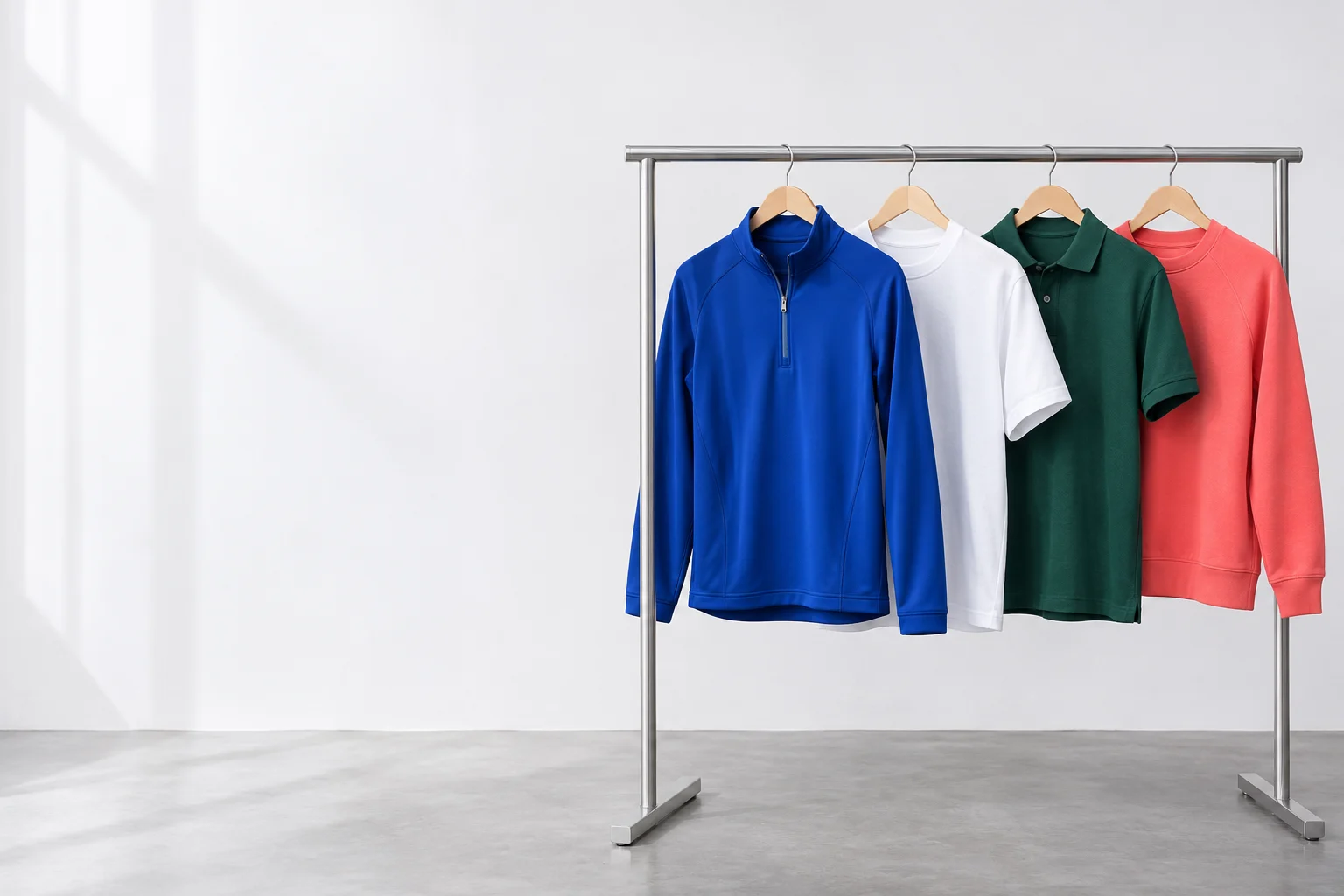
Plan a collection around its market, activity or purchasing model. Ninghow Apparel connects golf, fitness, uniforms, streetwear and retail programs to the garment decisions behind them.
FIVE APPLICATION ROUTES
Choose by the task behind the order.
Use an application route when several garments, a coordinated collection or multiple wearer groups shape the project. For one clearly defined garment, start with the product range.
01
Golf brands, clubs and retailers
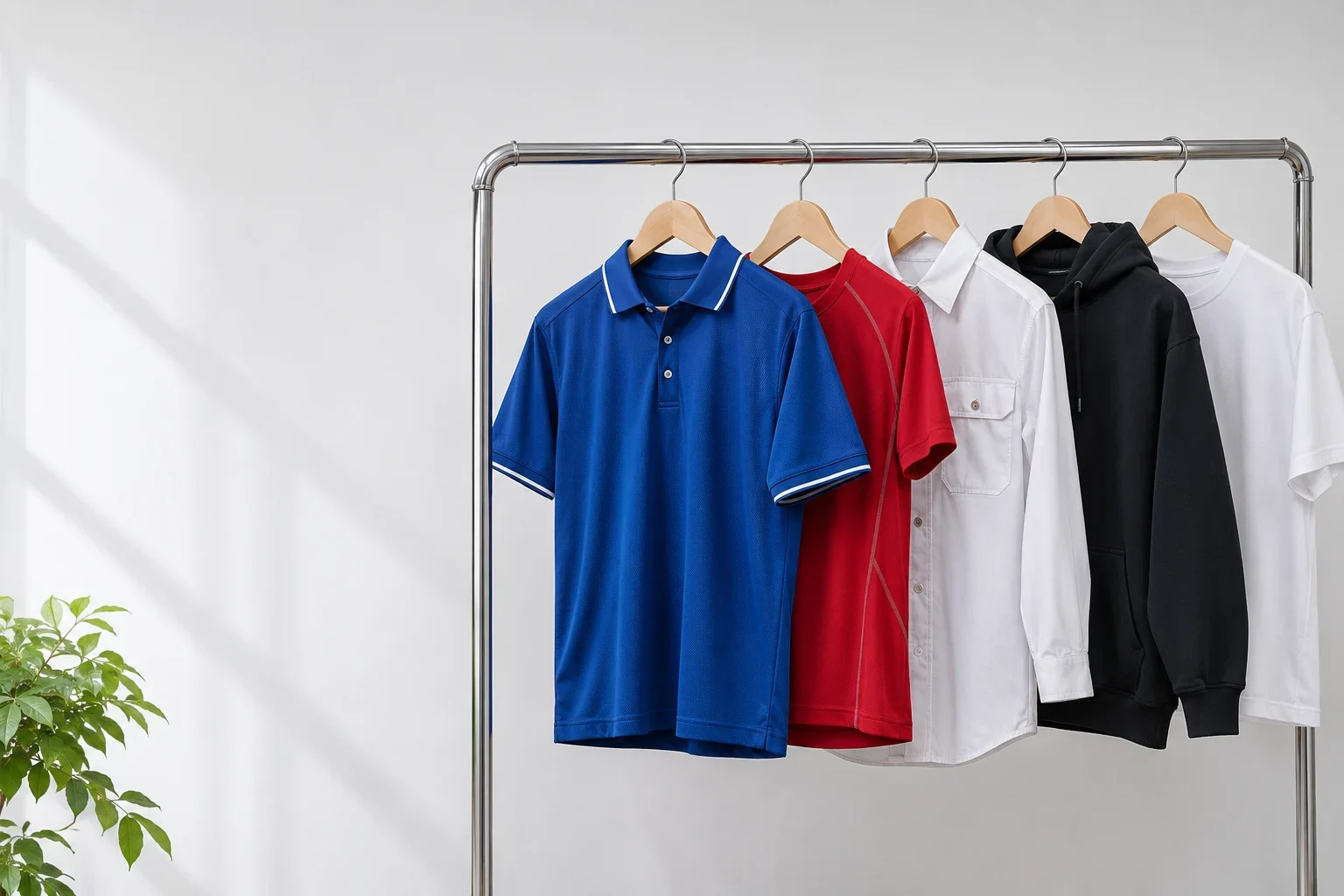
Coordinate polos, trousers, shorts, jackets, pullovers and vests around fit, color, logos and the intended wearer.
02
Fitness, gym and running brands
Start with the activity, movement, coverage, support and product-specific testing.
03
Companies, schools, clubs and teams
Plan garment mix, wearer groups, size allocation, approved branding, packing and replenishment.
04
Streetwear and private-label brands
Connect silhouette, artwork, fit, labels and presentation in a repeatable specification.
05
Wholesalers, importers and retailers
Set assortment, quantity breakdown, packing, destination, freight and repeat-order expectations.
COLLECTION IN USE
A range has to work together.
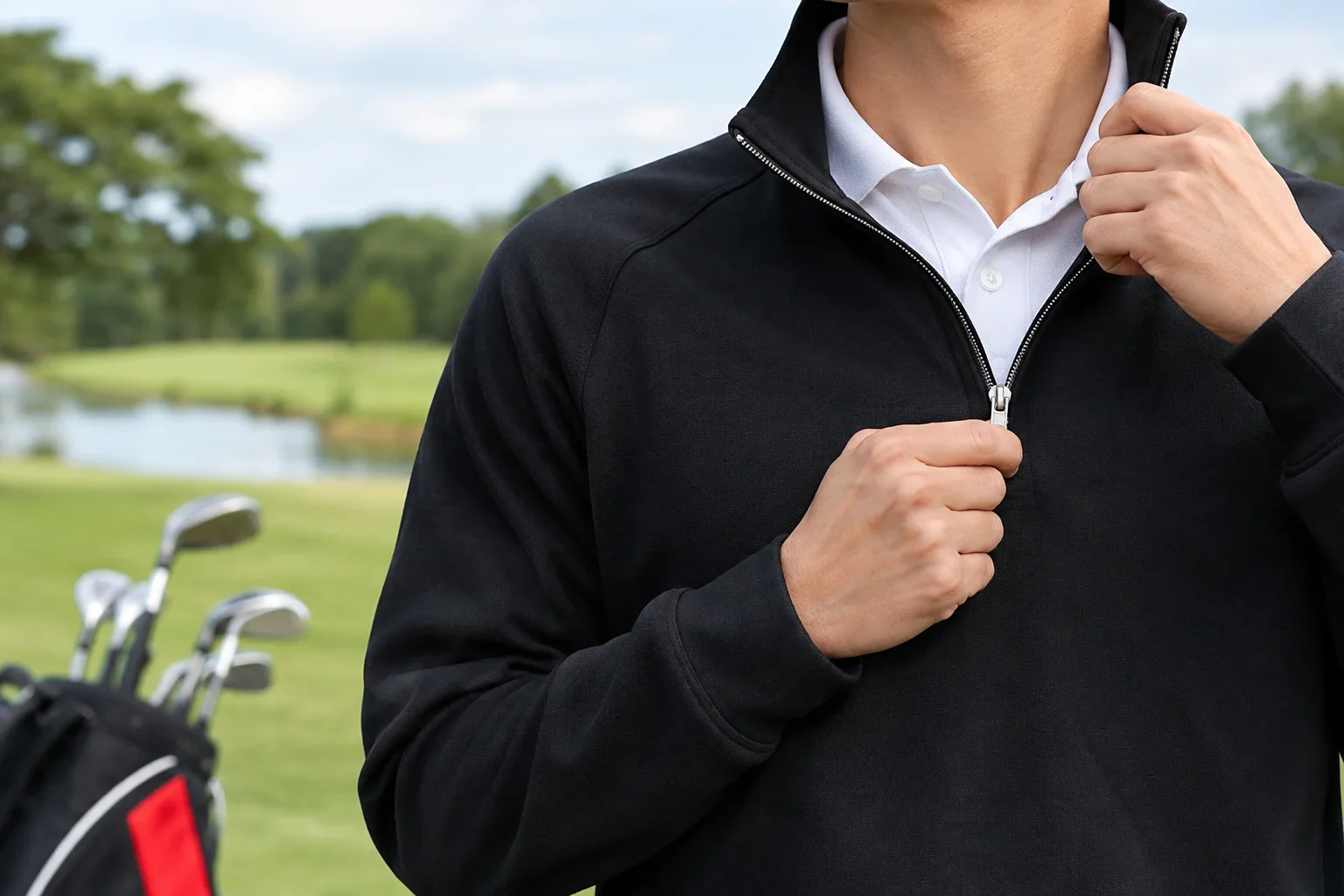
A golf program may combine polos, bottoms and layers. Define fit, coverage and movement together with fabric, color, trims, decoration, quantity and sample approval. Performance requirements need agreed construction, tests and acceptance criteria.
01
Coordinate the garments
Check how layers fit together, where logos sit and which colors and trims should remain consistent.
02
Allocate to the wearer
For uniform programs, connect each role or team to garment types, sizes, quantities, folding, labels and delivery. Record what future replacement orders will need.
MOVEMENT / PROPORTION / DISTRIBUTION
Different use. Different fit decisions.
The same size label does not define the same silhouette. Record measurements, grading, construction and approval comments for each style.

01
Activewear
Describe range of motion, coverage and support or compression needs. Review seams, panels, waistbands and decoration placement against movement and fabric stretch.
02
Streetwear
Translate references into body proportions, artwork size, material direction, labels and packing. T-shirts and hoodies need their own fit records; agree ownership, intellectual-property handling and revision scope.
03
Uniforms and teamwear
Align role-specific garments, size allocations and approved decoration with individual packing and distribution needs. Replenishment is reviewed against current materials, quantities and scheduling.
MATERIAL DECISIONS
Match the surface to the job.
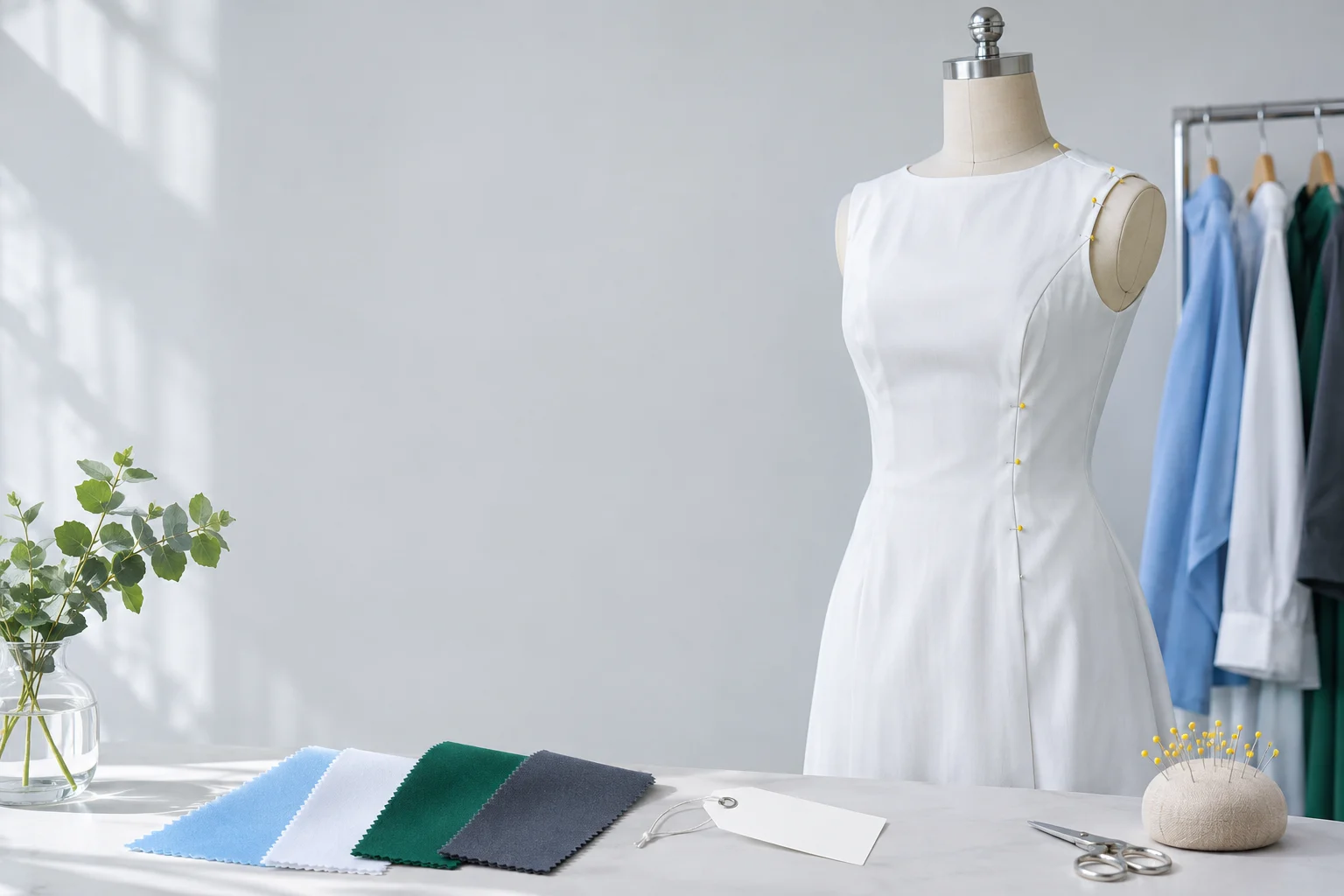
Compare composition, knitted or woven construction, hand feel, care, fit and branding compatibility. Material choice and availability are confirmed for the proposed garment.

A
Activity-led materials
Define moisture management, stretch recovery, support and durability requirements. Agree product-specific testing before relying on a performance claim.
B
Work and team programs
Review structure, comfort, care and repeat-color requirements alongside the garment and wearer group.
C
Brand-led surfaces
Check texture, decoration placement, labels and trims against the approved presentation. Explore materials and techniques and the fabric selection guide.
FROM ASSORTMENT TO ORDER
Bring the whole program into one brief.

Use the specification checklist to connect product decisions with supply requirements. For wholesale and retail, include substitution rules, inspection or test documentation and repeat-order expectations.
A
Use and wearer
Application, activity, market, wearer groups, garment mix and how the pieces will be worn together.
B
Product definition
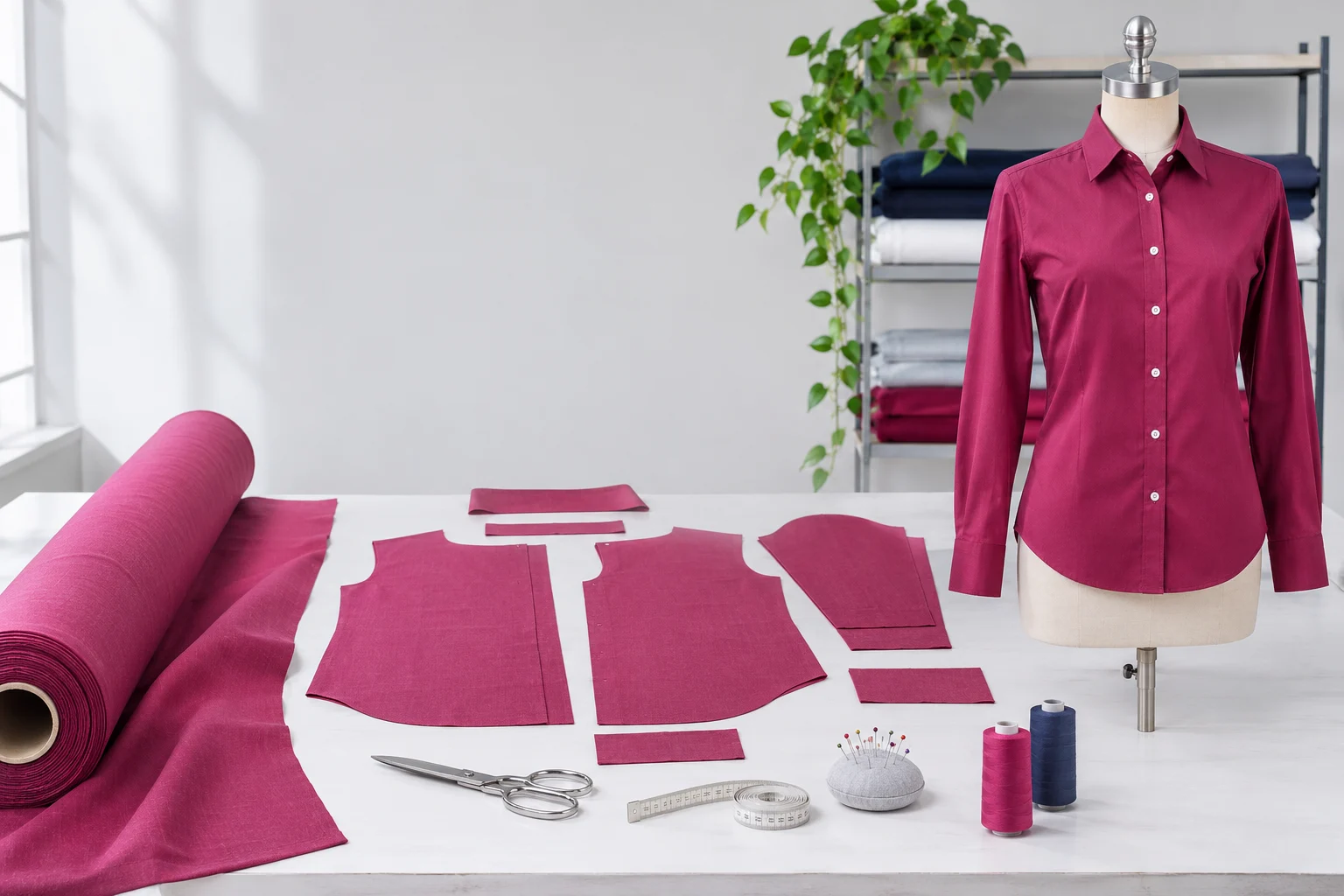
References, drawings or tech packs; measurements, size range, fabric, colors, trims, construction and sample requirements.
C
Brand presentation
Artwork, placement dimensions, labels, packaging and folding instructions.
D
Order and destination
Quantity by style, color and size, destination, delivery window and preferred express, air or sea freight. Confirm documents, responsibilities, availability and production allocation; future supply and transit are reviewed for each order.
YOUR NEXT ROUTE
Move forward with the decision you can make now.
If procurement needs to review production, quality and export support, visit manufacturing capabilities. Feasibility, availability, commercial terms and timing are confirmed for the individual program.
02
The garment needs validation
Define what fit, construction, material or decoration the sample should demonstrate.
03
Your files are ready
Send the current specifications, references and open questions.
04
Product, quantity and delivery are defined
Request a quotation; if a physical check comes first, request a sample review.
YOUR NEXT STEP
Build a brief around your program.
Tell us who will wear the garments, where they will be used and which pieces belong together. Include your quantity plan, branding and delivery needs so we can discuss the open decisions.