



NINGHOW APPAREL / MANUFACTURING
Connect the fabric structure to the way the garment is made.
Material, seams and decoration work together. Ninghow Apparel supports material and process review so your garment brief can define appearance, fit, care and any performance evidence needed before approval.

FABRIC / FIT / FINISH
FIBER / STRUCTURE / SURFACE
Composition names the fiber. Structure describes the textile.
Cotton, polyester and blends describe fiber choices. Confirm exact composition rather than inferring it from appearance. Surface, weight, hand feel, color, care and intended fit also belong in the specification.
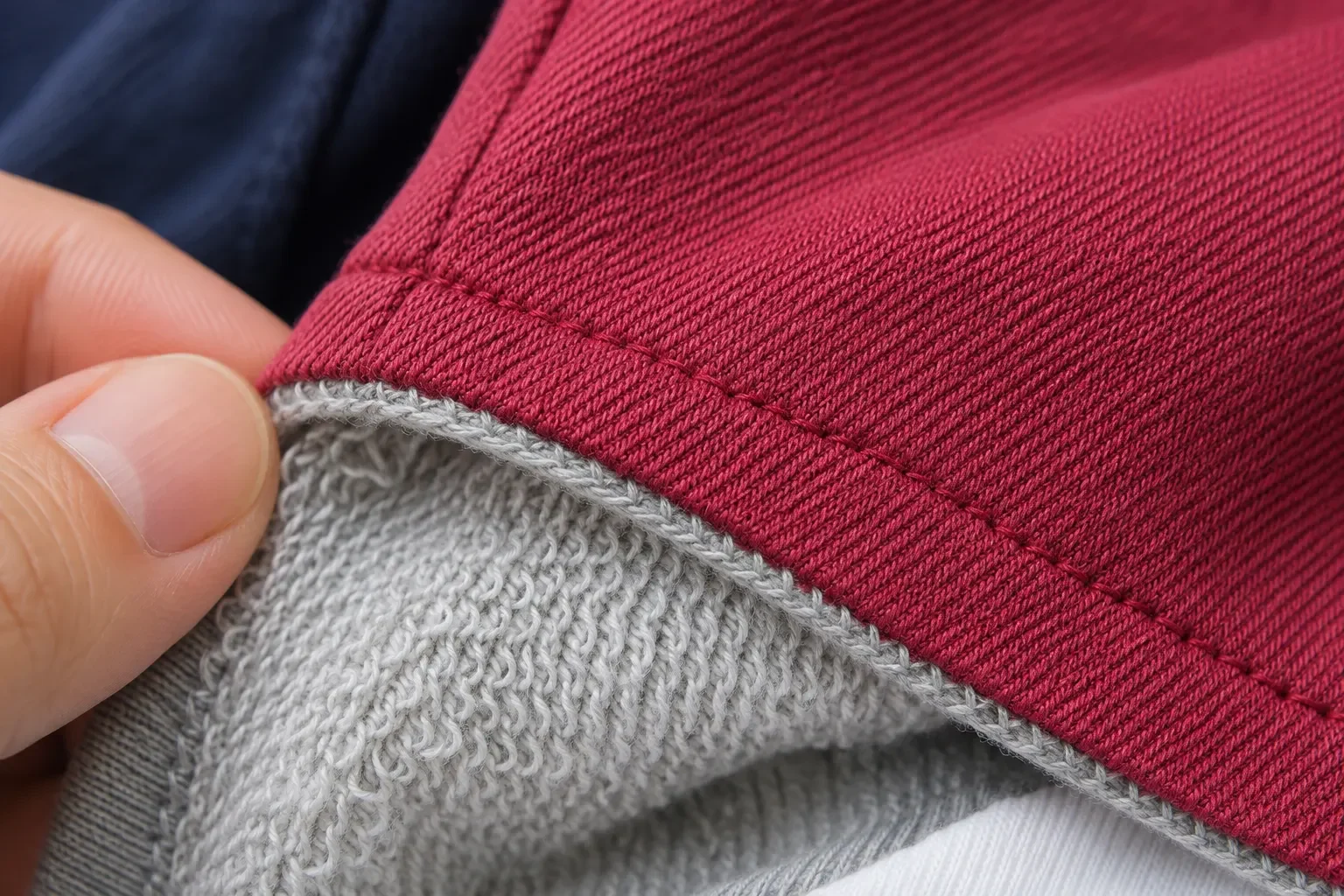
KNITTED
Interlocking loops
Review how the specific structure works with the pattern, seam construction, fit, surface and decoration.
WOVEN
Interlacing yarns
Review yarn structure, drape, garment shaping and seam requirements against the actual design.
Fleece describes a fabric or surface direction for selected layers. Confirm its construction, finish and care requirements; warmth, stretch and other performance need product-specific evidence.
STITCHING / BINDING / EDGE FINISH
Construction gives different edges different jobs.
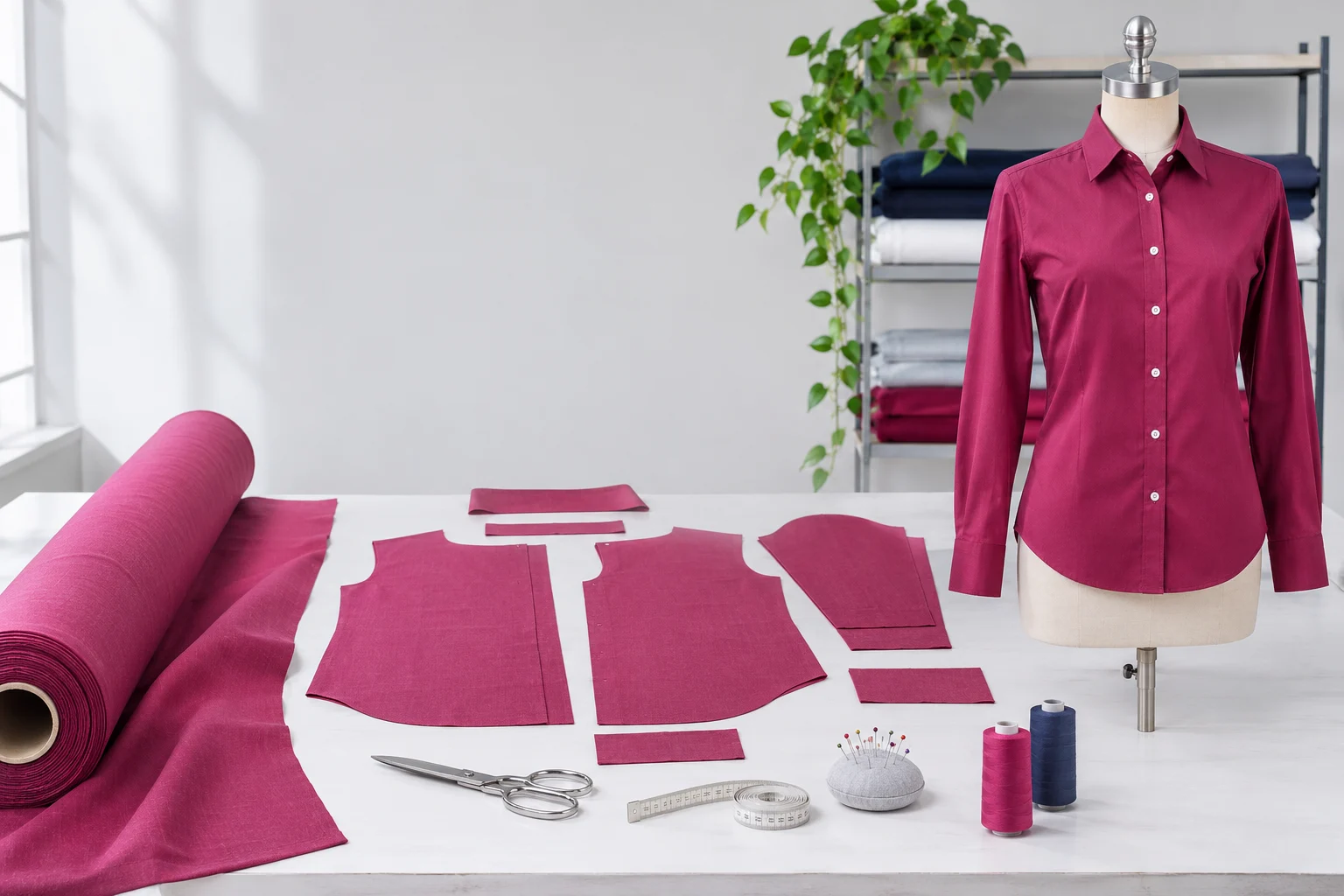
Pattern making, cutting and sewing should follow the selected material and garment design. Confirm the proposed construction through technical records and a representative sample.

A
Straight stitching
B
Curved binding
C
Overlocked edge
A / Straight stitching
B / Curved binding
C / Overlocked edge
SEAMS
Define the required join
Specify seam position, appearance, movement and any strength or durability requirement that needs testing.
EDGES
Define how openings are finished
Review hems, binding, closures and component attachment alongside fit, fabric surface and care requirements.
PRINT / TRANSFER / EMBROIDERY
Approve the decoration on the intended garment surface.
Ninghow Apparel offers screen printing, heat transfer and embroidery. Suitability depends on artwork detail, scale, color, placement, seams, access, stretch, quantity and required appearance.

SCREEN PRINT
Review the printed surface
Confirm artwork, color and placement requirements, substrate suitability and process limits.
HEAT TRANSFER
Review the transfer application
Confirm compatibility with the proposed material, garment area and care requirements.
EMBROIDERY
Review the stitched design
Confirm artwork scale, placement, garment construction and the required sample result.
Two processes. Different sample decisions.
Choose the decoration by the garment surface, artwork and intended finish. Our workshop photographs show the equipment context; your sample establishes the result to approve.

Embroidery

Printing
CLAIM → METHOD → RESULT → PRODUCT
Define the claim before choosing a performance fabric.
Moisture management, stretch, compression, breathability, drying speed and temperature control are different outcomes. The term performance fabric does not establish any of them.
REQUIREMENT
Specify the outcome and conditions
State activity, wearing conditions, care, acceptance criteria and applicable standards.
EVIDENCE
Verify relevance to the proposed material
Request composition, construction or GSM information, method, laboratory, report date and sample identity. Review applicable colorfastness, wash or durability results and current certification evidence.
GARMENT / COMPONENTS / APPROVAL
Bring the choices together in the sample brief.

01
Garment
Include type, use, wearer, measurements, fit, size range, hand feel and appearance.
02
Materials and brand details
Specify composition, construction, colors, artwork, placement, labels, trims, closures, folding and packaging.
03
Commercial conditions
State quantity by style, color and size, destination and timing. Confirm swatches, color matching, availability, minimums, sample charges and revision terms.
04
Physical approval
Review material, fit, construction and decoration together. Retain the agreed specification and approval record.
PRODUCT / SOURCING / ORDER
Apply the technical decision to the garment family.
For defined specifications, quantities and delivery needs, request an order quotation. Confirm actual material and process allocation for the order.
ACTIVITY
Performance-led apparel
Develop the activity, fit and evidence requirements.
LAYERING
Sweatshirts and pullovers
Coordinate structure, surface, seams and decoration.
EVERYDAY
Knitted and decorated T-shirts
Connect neckline, fit, fabric and artwork decisions.
YOUR NEXT STEP
Discuss the relationship you still need to resolve.
Bring the garment use, preferred material, fit, seams, artwork and care requirements. Explain which appearance or functional outcome matters and what evidence your approval requires.