


NINGHOW APPAREL / RESOURCES
Choose decoration for the artwork, garment and finish.
Screen printing, heat transfer and embroidery create different results. Use this guide to compare the decisions behind each method before developing a decorated garment with Ninghow Apparel.

PROCESS / APPEARANCE / CHECKS
Three methods. Different decisions.
Start with the desired appearance, detail, size and hand feel. No method is automatically the lowest-cost or most durable choice for every garment.

SCREEN PRINT
Ink applied through a prepared screen
Review color separations, fine detail, small text and dimensions. Check access to the print area, surface texture, stretch and the finish after the agreed wash review.
HEAT TRANSFER
Artwork applied with heat and pressure
Discuss detailed or variable artwork, transfer type and surface feel. Check heat sensitivity, coatings, application conditions and adhesion on the intended fabric.
EMBROIDERY
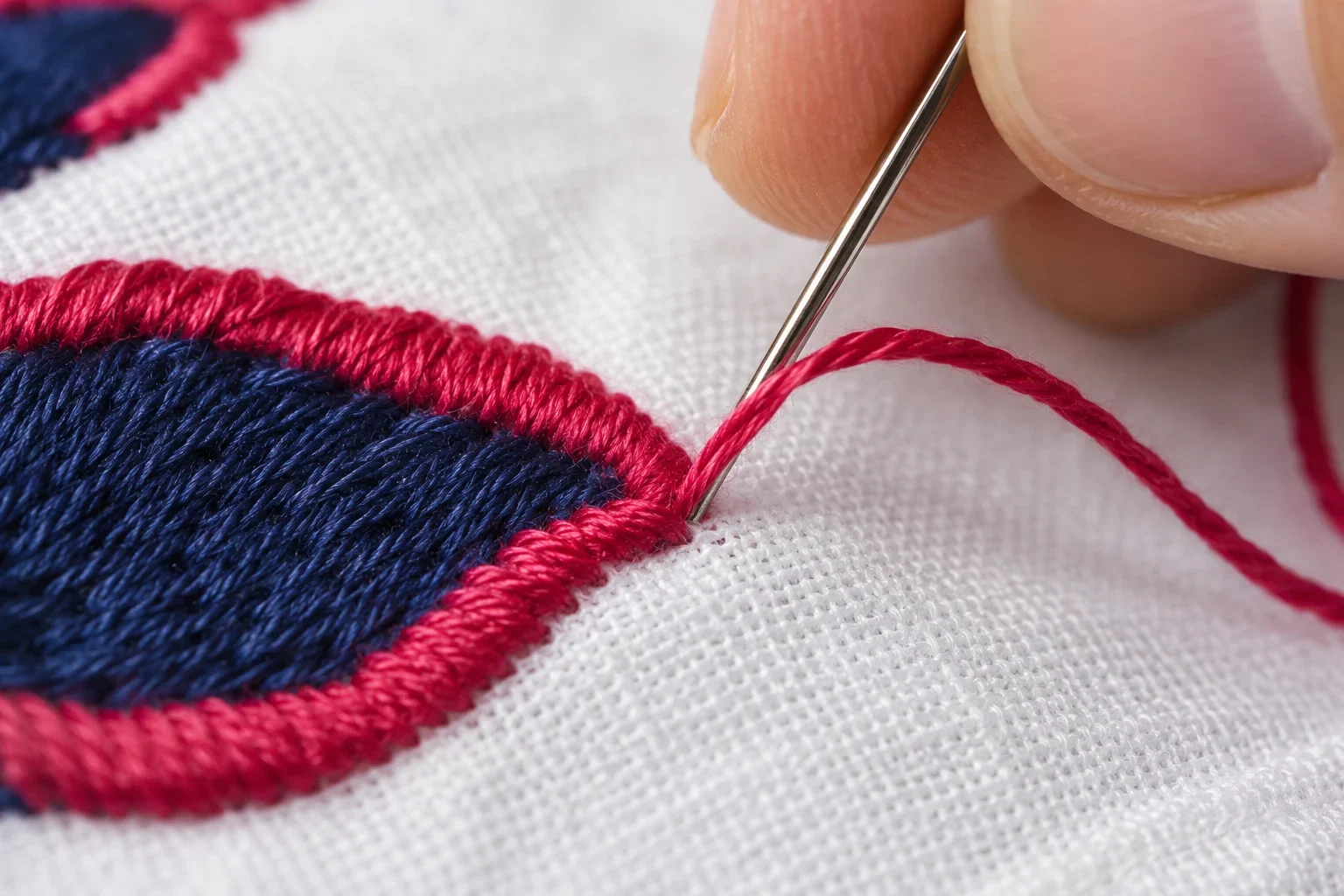
Thread creates a raised stitched surface
Review digitized artwork, thread colors, stitch planning and density. Small lettering, backing, fabric stability and access to the placement area affect development.
SURFACE / STABILITY / ACCESS
Appearance and garment support belong in the same decision.
A raised thread surface, a printed area and a transfer can feel different against the same garment. Define the result you want before approving a method.
DETAIL
Keep artwork readable at its final size
Evaluate small text, line widths, gradients and fine elements at the actual decoration dimensions.
SUPPORT
Consider the material beneath the artwork
Fabric weight, stability, texture and stretch affect distortion, backing and the finished feel.
ACCESS
Allow for the garment construction
Seams, pockets, zippers, curved panels and openings can restrict placement. Identify areas that must remain undecorated.
MATERIAL + METHOD + PLACEMENT
Test the combination, not just a loose design.

Cotton, polyester, blends, knits, wovens, fleece and performance fabrics need method-specific consideration. A result on one material does not establish compatibility with another.
MATERIAL
Identify the exact fabric and finish
Provide composition, knit or woven construction, weight, thickness, stretch/recovery, color and finish. Agree any performance, adhesion, appearance, colorfastness or wash criteria before testing.
PLACEMENT
Specify how the artwork sits on the garment
Give the view, dimensions, orientation, number of locations and distances from seams or edges. Check alignment across panels and sizes.
FILE / LOCATION / ORDER
An artwork file needs production instructions.
FILE
Identify the approved version
Supply the artwork, accepted file format, colors or thread references and required dimensions. Confirm conversion or digitizing requirements and tolerances.
ORDER
Describe the decorated range
State garment construction, material, style/color/size quantities, decoration positions, packaging, destination and target date.
COST
Ask what the proposal includes
Artwork preparation, setup, decoration area, number of placements, quantity, revisions, sampling and testing can affect cost. Confirm charges and any method limits.
Ninghow Apparel supports screen printing, heat transfer and embroidery alongside branding and packaging discussions. Confirm process responsibility, application and equipment suitability, artwork formats, size/color/stitch limits, revision policy and validation scope for the order.
REVIEW → TRIAL → VALIDATE → APPROVE
Move from artwork approval to a garment-level decision.
A digital artwork approval does not replace a physical review where material compatibility or finish matters.

01
Review the specification
Agree artwork version, method, colors, dimensions and placement.
02
Develop the trial
Confirm whether a strike-off, decoration sample or garment prototype is needed and what it must show.
03
Validate the combination
Review appearance, hand feel and alignment. Arrange agreed wash or other tests and record acceptance criteria; confirm any AQL or third-party inspection separately.
04
Retain the approved reference
Record corrections and the accepted sample, artwork and placement before bulk work. Confirm any change against this reference.
YOUR NEXT STEP
Resolve the method before approving the run.
Bring the artwork, garment material, placement and intended finish. A technical review can identify what to develop and what needs physical validation.