


NINGHOW APPAREL / PRODUCTS
Custom T-shirts, built around fit and artwork.
Develop basic, oversized, graphic and activity-led T-shirts with Ninghow Apparel. Connect silhouette, neckline, fabric and decoration in a specification for your private-label, retail or wholesale collection.
FABRIC / FIT / FINISH
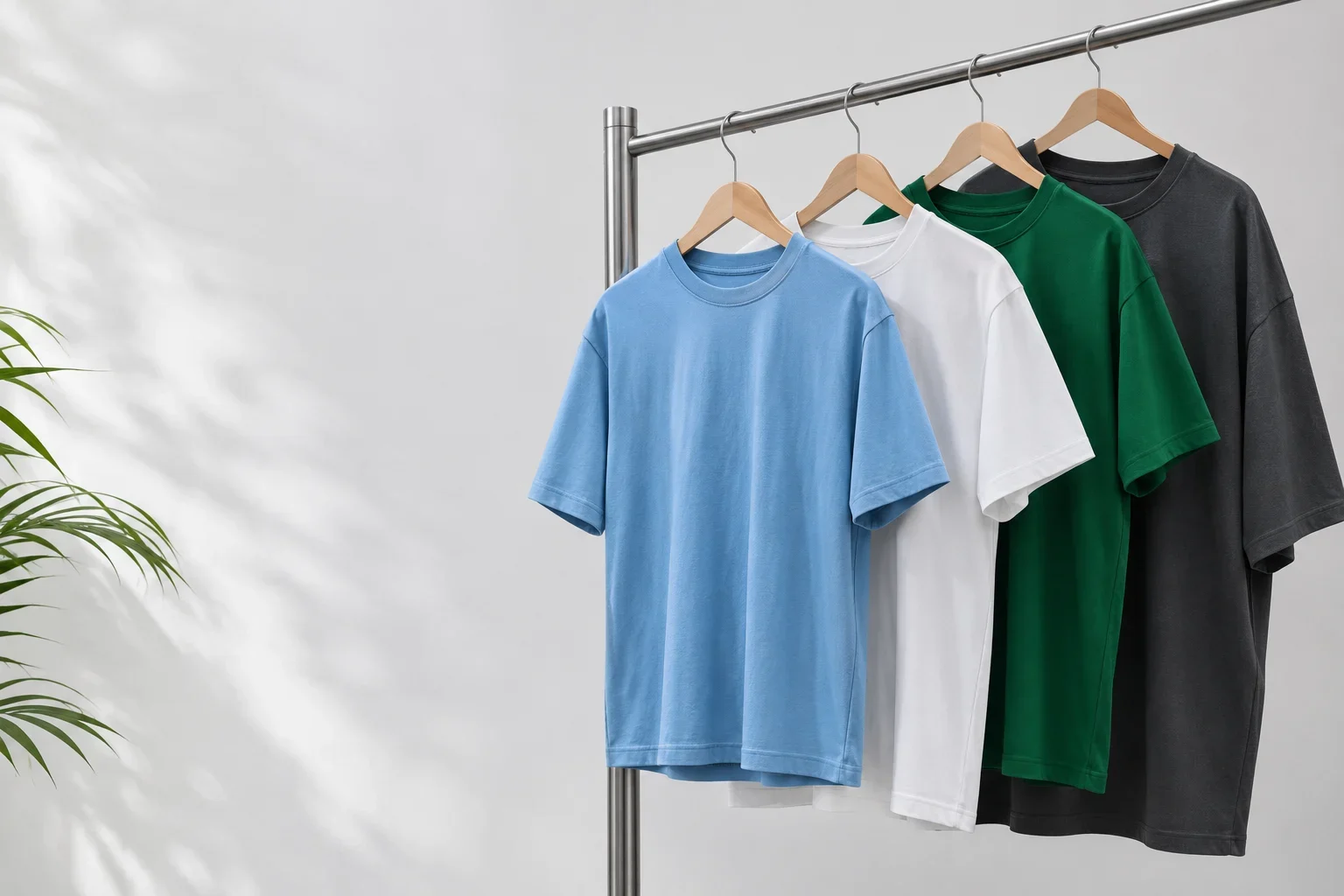
FOUR T-SHIRT DIRECTIONS
Choose the format. Define the difference.
This is a project-based manufacturing route, with construction, material and commercial terms confirmed for the order. Explore streetwear and private-label programs or broader manufacturing support.
01
Basic
Define silhouette, fabric, color range, measurements and branding for a core assortment.
02
Oversized
Specify shoulder, sleeve, width, length, neckline and drape. A larger standard size does not define the intended proportions.
03
Graphic
Set artwork scale, color, front/back/sleeve placement, print area and approval method.
04
Performance
Start with activity, movement, care and decoration compatibility. Moisture management, stretch, UV protection or compression claims require product-specific evidence.
NECKBAND / JOIN / BODY
The neckline connects structure and appearance.
Confirm composition, weight, knit structure, color, hand feel and current availability. Cotton, polyester, blends and performance directions must be assessed for the actual garment.
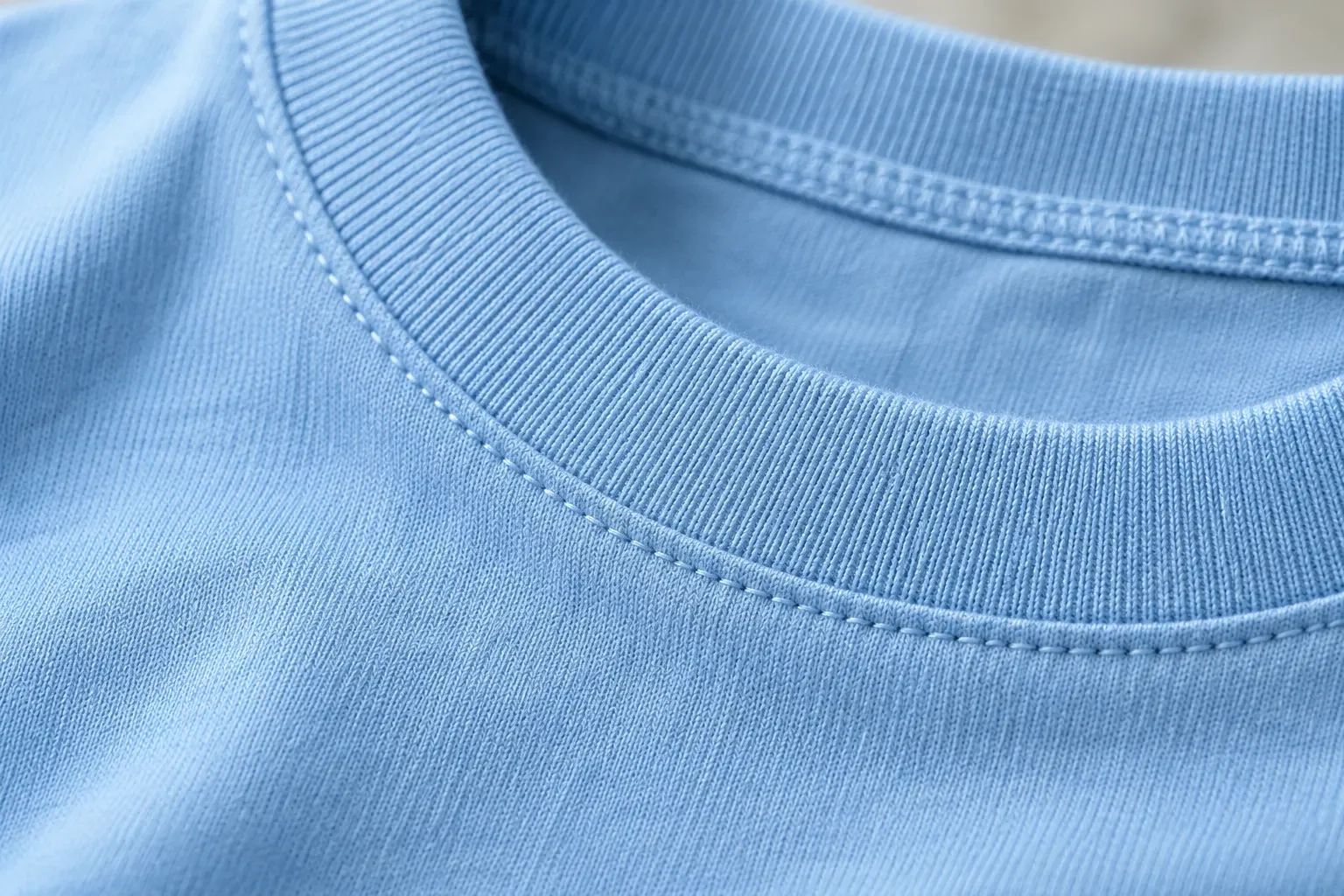
A
Rib neckband
B
Neckline stitching
C
Jersey body
A / Rib neckband
B / Neckline stitching
C / Jersey body
A
Neckband
Define neckline shape, width and the relationship to the body fabric.
B
Joining detail
Specify seam appearance and construction, with an approval reference.
C
Body material
Review drape, care, stretch needs, color records and decoration compatibility.
PROPORTION AND FIT
Describe the shape you expect to wear.
Use a reference garment or measurements to explain fit. Available sizes, grading rules, tolerances and pattern-development scope are agreed for the style.
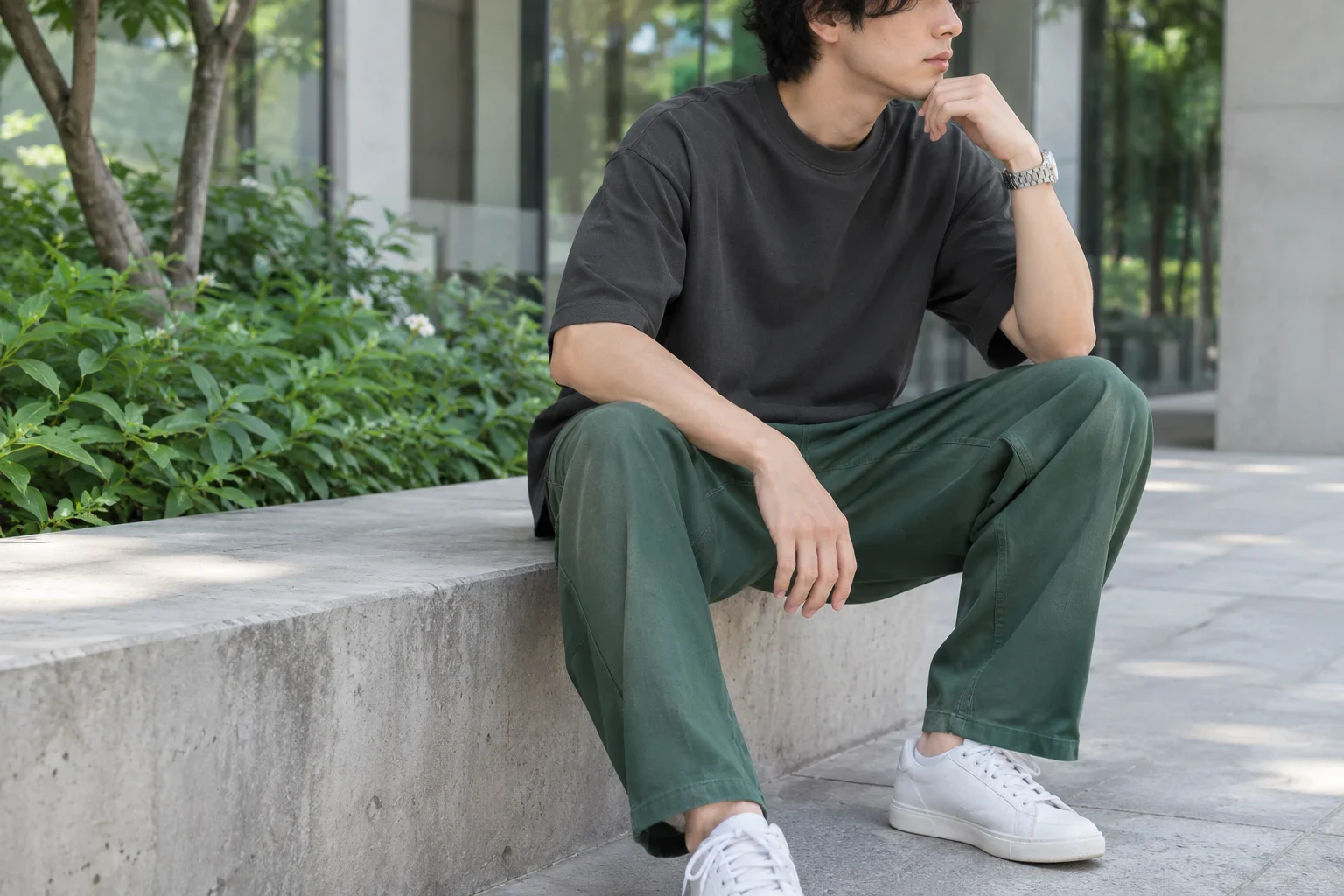
01
Record proportions
Describe shoulder line, sleeve shape, body width and length. Include target sizes, measurement points and tolerances.
02
Review in context
Explain movement needs for activity-led styles and intended drape for oversized shapes. Record fit comments and approved revisions before bulk production.
DEFINE → DEVELOP → CHECK
Connect the pattern to the approved sample.
Send references, measurements, sample size and quantity, fabric and color direction, artwork, labels, packing and delivery needs. Agree sample charges, revision limits, timing and shipping.
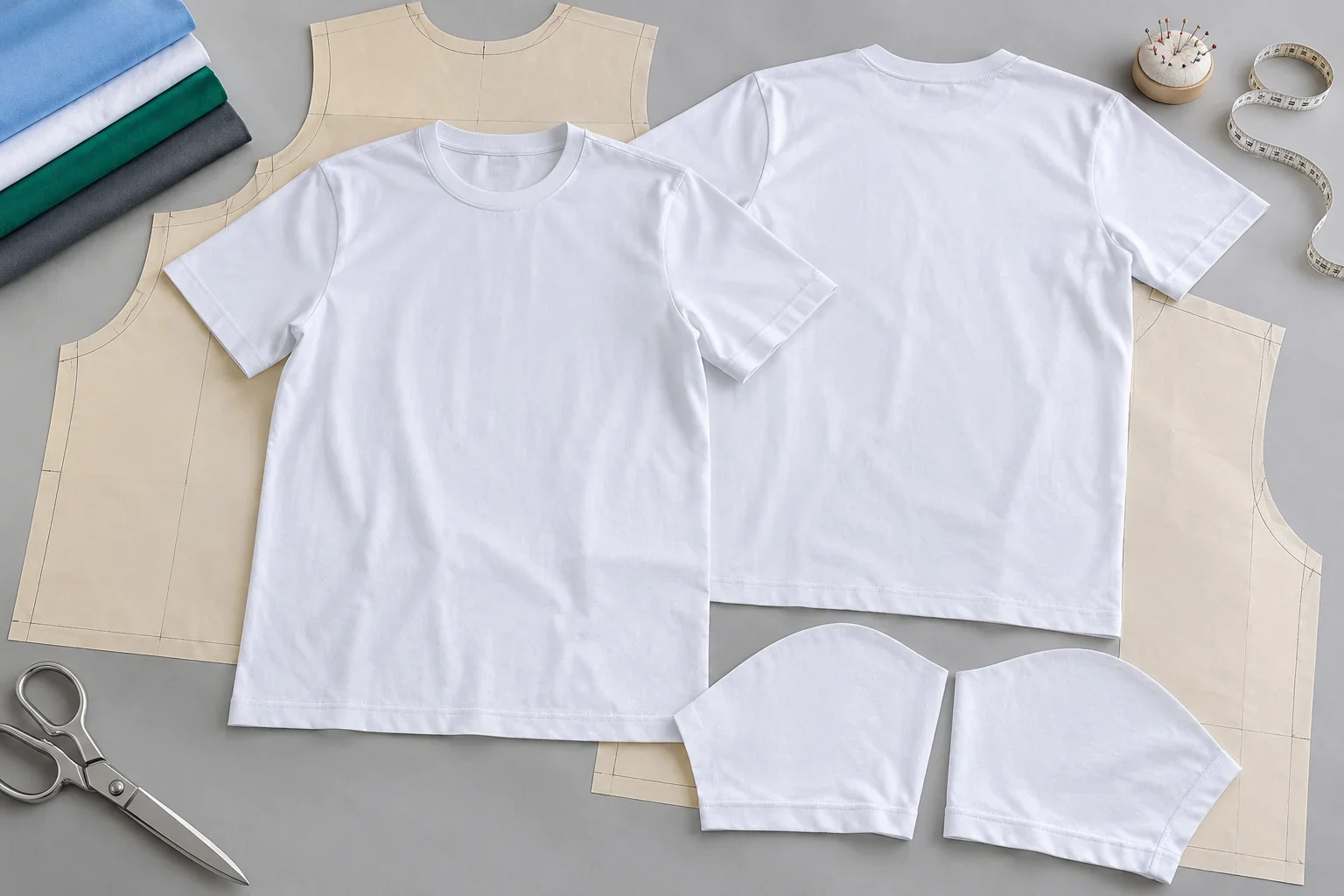
01
Resolve the specification
Review product format, fit, construction, materials and artwork; develop or confirm pattern and grading.
02
Review the sample
Check measurements, seams, fabric, decoration, labels and presentation against the brief.
03
Record approval
Keep dated revisions and approved references together. Confirm bulk quantities, inspection, scheduling and shipment.
PRINT / LABEL / PACK / RELEASE
Approve the artwork and the order together.
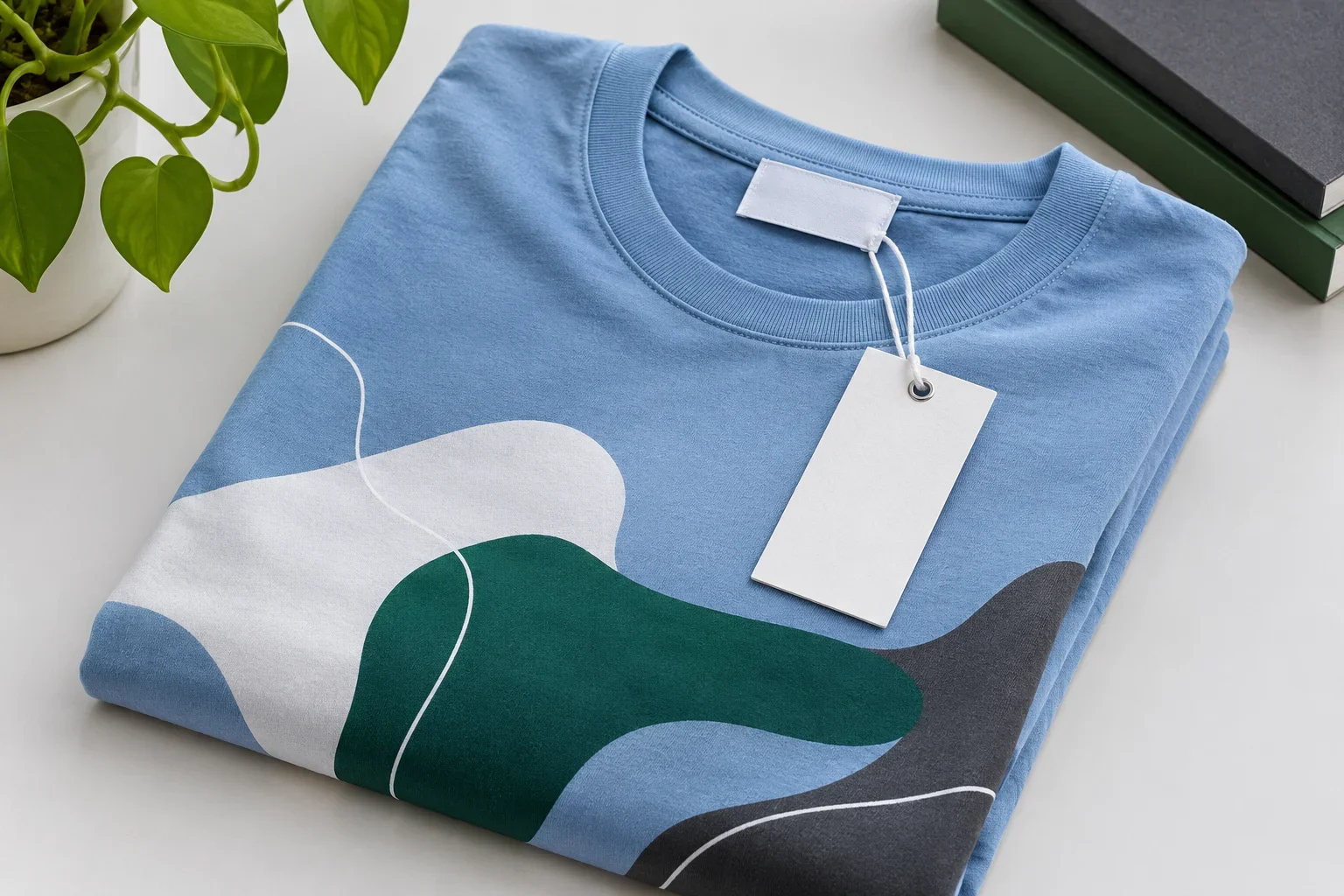
Compare decoration methods and private-label requirements. Screen printing, heat transfer or embroidery must suit the surface, artwork and quantity.
A
Artwork and identity
Confirm file format, colors, dimensions, placement, process limits, tolerances and wash requirements. Include neck/care labels, hangtags, trims, folding and standard or branded packing.
B
Quality and evidence
Agree incoming, sample, in-process, measurement, visual, decoration, label, packing and pre-shipment checks; define acceptance, AQL if used, tests, records, corrective action and third-party options.
C
Quantity and timing
Style complexity, fabric, colors, artwork, size breakdown, availability and approvals affect MOQ and scheduling. Review production planning before a launch commitment.
D
Delivery and next step
Confirm destination, cartons, express/air/sea mode, documents, Incoterms, carriers, costs and timing. Use the specification checklist, request a quote for a defined order, or seek technical advice.
YOUR NEXT STEP
Show us the T-shirt you want to develop.
Share references or technical files, target fit, fabric direction and artwork. Include quantities, sample needs, destination and the decisions still open.