



NINGHOW APPAREL / CUSTOMIZATION
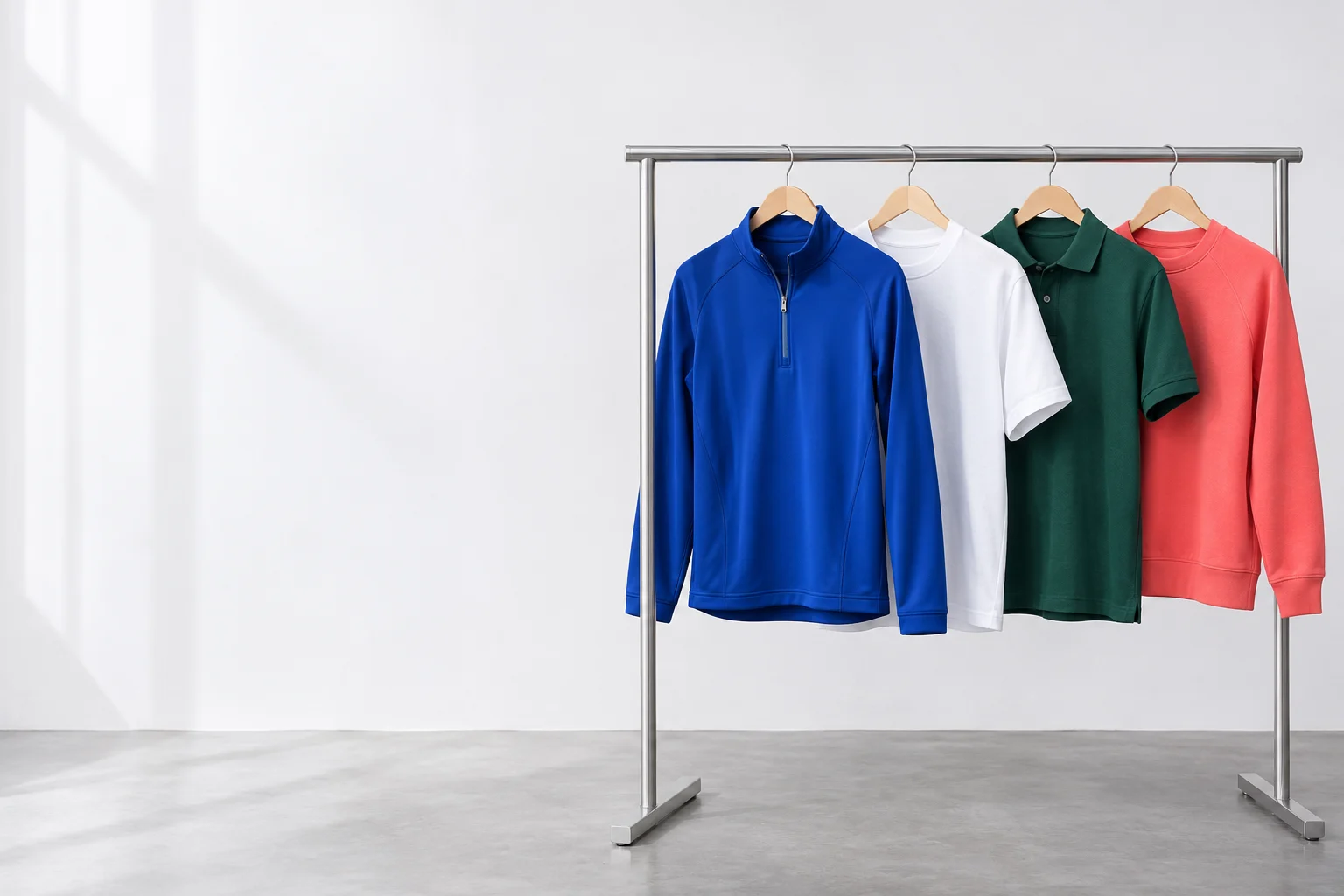
Private-label apparel with one coherent brand identity.
Plan the identity that connects your garments: artwork, labels, trims and presentation. Ninghow Apparel helps review these requirements alongside the product, material and distribution brief.
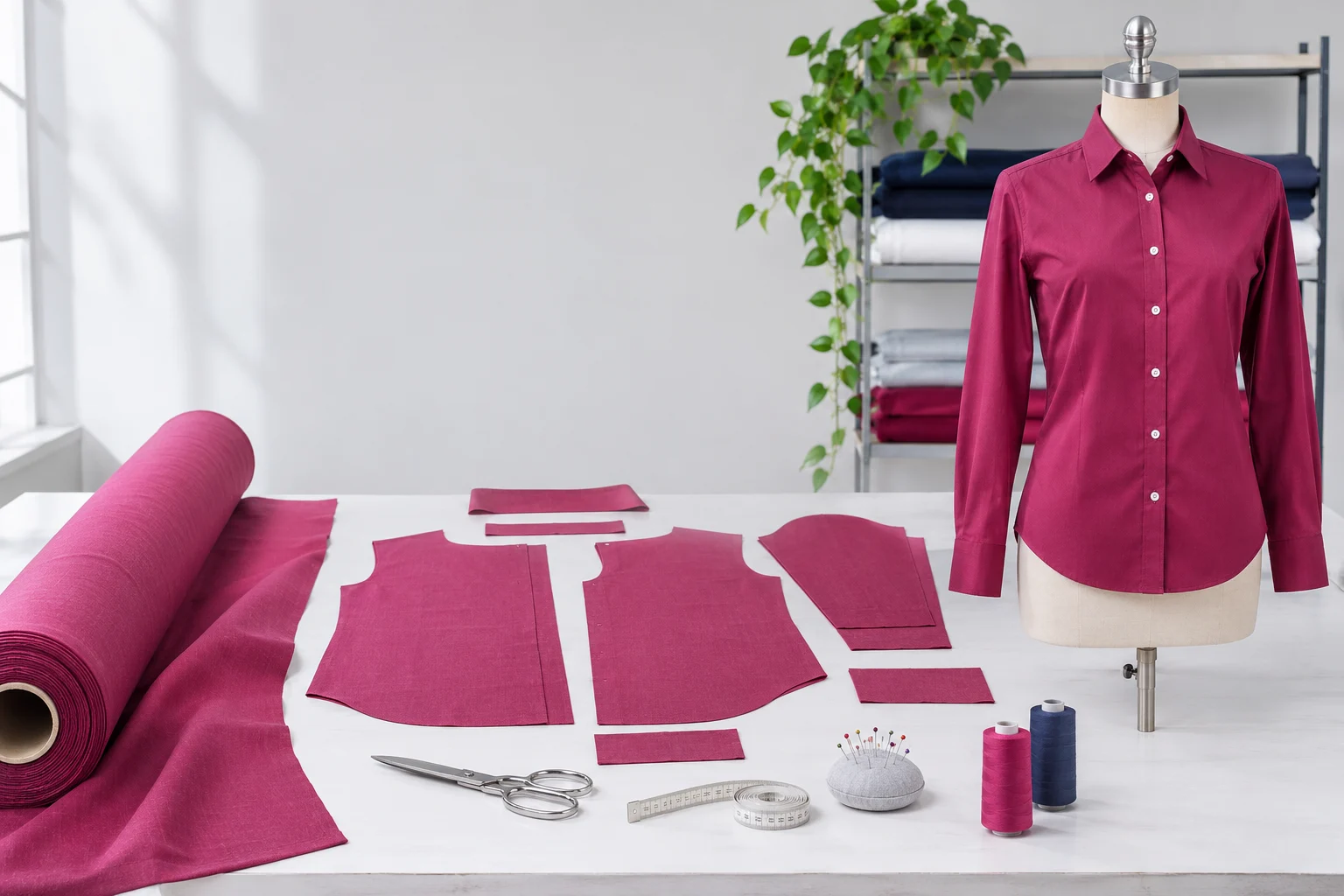
FABRIC / FIT / FINISH
COLLECTION RULES / STYLE REQUIREMENTS
Separate the shared identity from the garment-specific decision.
Private-label planning works alongside design, patterns and materials. Confirm each branding method, label format, attachment approach and packaging configuration for the actual order.

SHARED
Define the collection identity
Set artwork versions, colors, logo proportions, label content priorities and presentation references. Keep the approved rules available for repeat-order specifications.
BY STYLE
Record the permitted differences
Confirm placement, dimensions, application method and attachment for each garment. Fabric texture, weight, stretch, seams and panels affect implementation.
ARTWORK / LABEL / MATERIAL
A brand rule must work on a real garment surface.
Provide available vector or high-resolution artwork, color references, placement diagrams and approximate dimensions. Confirm accepted formats, file limits and confidentiality terms before submitting final files.
APPLICATION
Define appearance and placement
Identify known production constraints and the intended decoration route. A smooth tee, fleece layer or structured outerwear needs its own review.
IDENTIFICATION
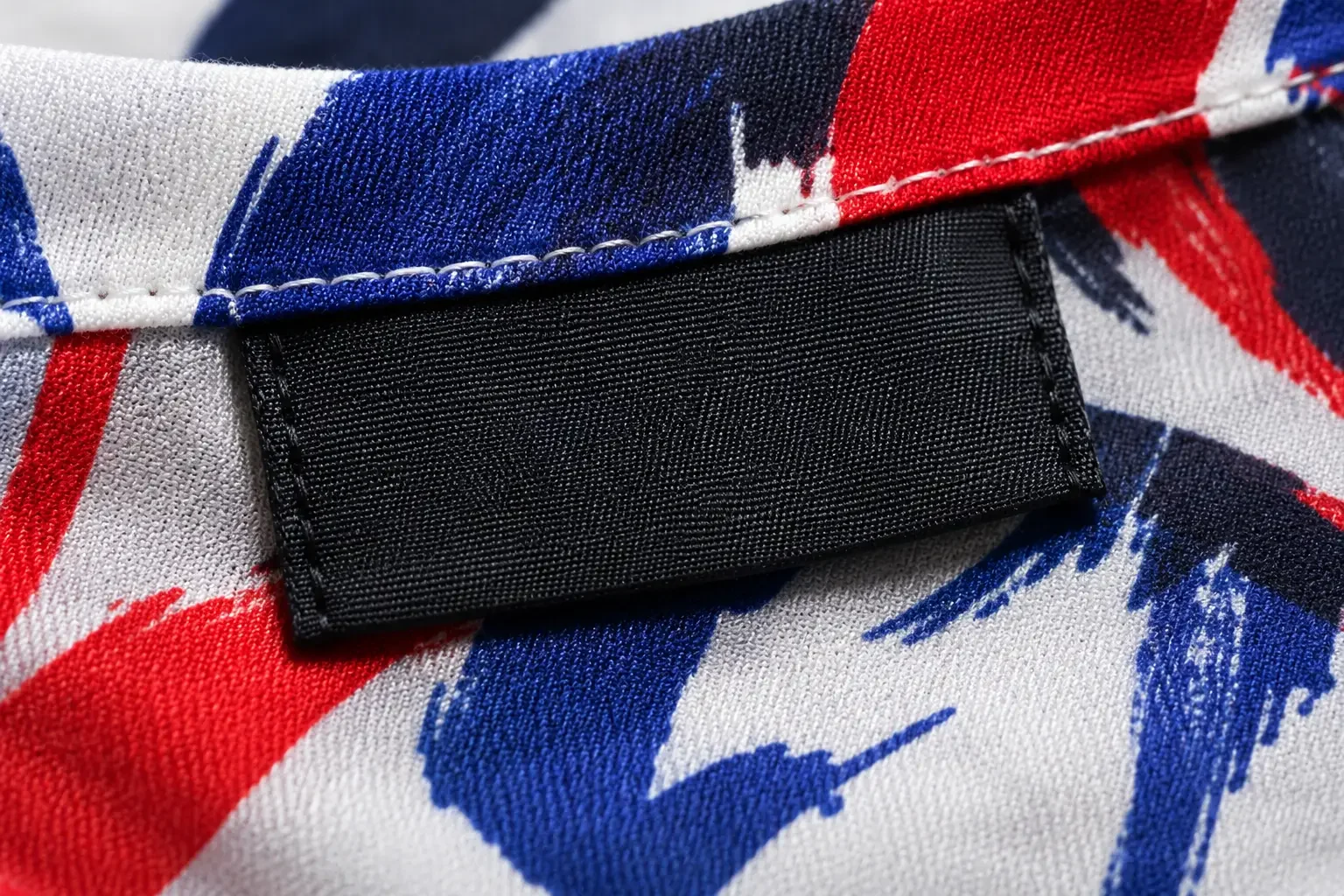
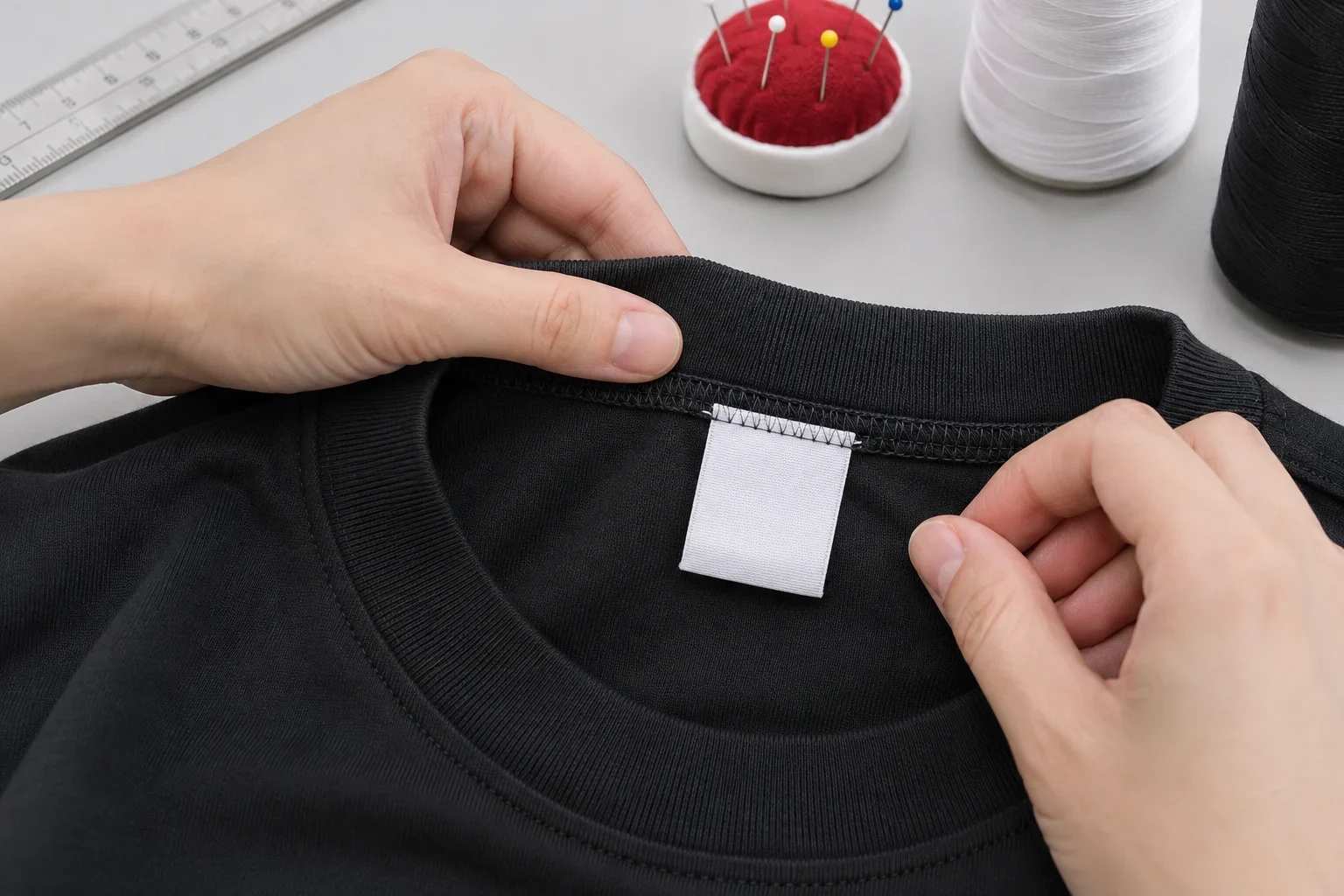
Specify labels and supporting trims
Include brand, size, care and hangtag requirements, material, wording, dimensions, position and attachment. Confirm destination-specific care, fiber, origin and other labeling obligations and the agreed support scope.
BRAND COLLECTION / ORGANIZATION PROGRAM
Keep the identity appropriate to the buying program.
State the target wearer, market and distribution context. Confirm available formats, material choices and minimums; a presentation reference is not an approved packing specification.
COLLECTION
Fashion and retail
Coordinate placement, labels, trims and presentation across styles while retaining each product specification.
PROGRAM
Staff, clubs and promotional apparel
Connect identity rules to wearer groups, size allocation and individual or group distribution.
IMPLEMENTATION
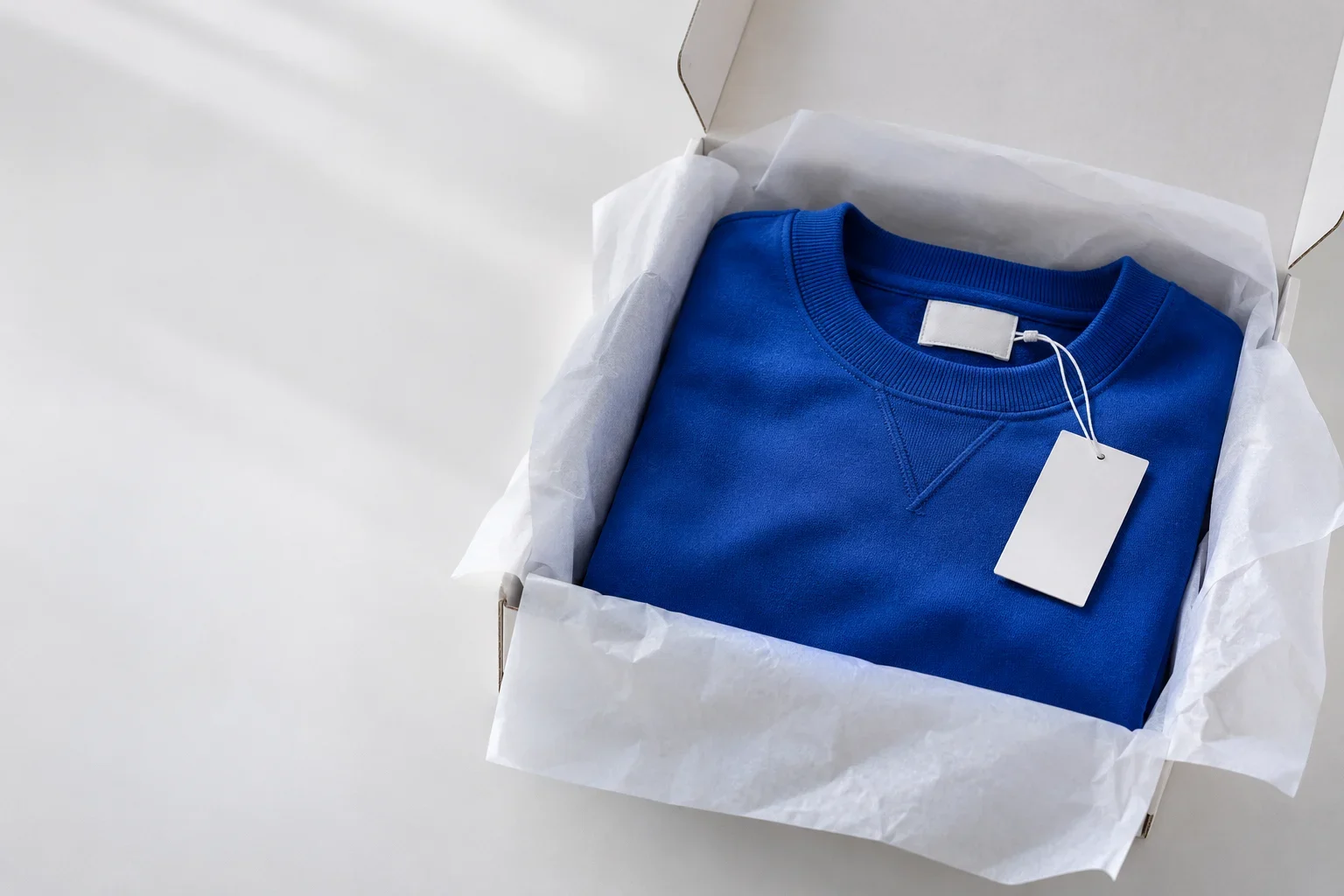
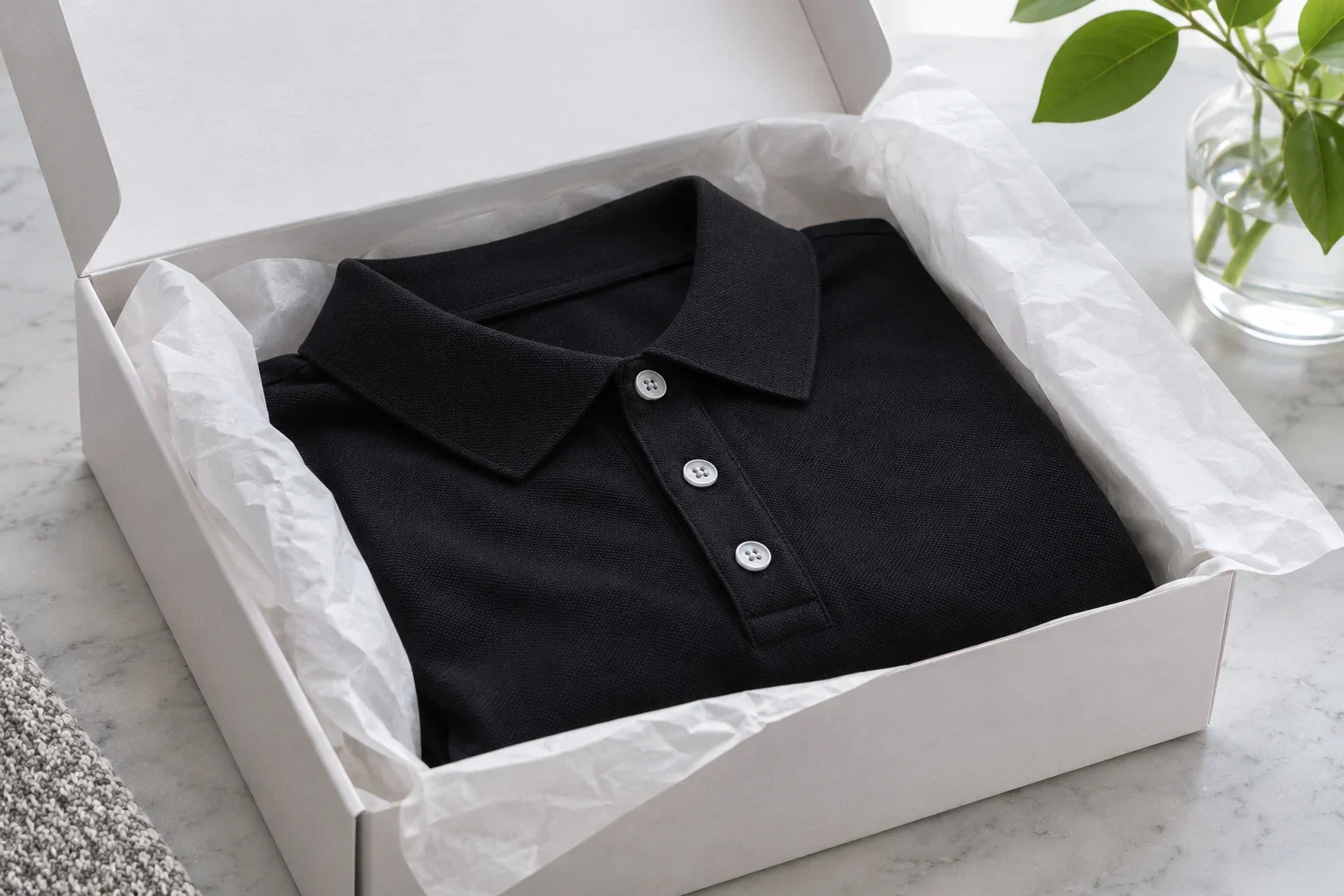
Translate presentation into packing instructions
Distinguish standard export handling from customized brand presentation. Define folding, individual packing, labels and carton needs.
ASSETS → GARMENT REVIEW → APPROVED REFERENCE
Approve the brand as part of the complete sample.
Sampling can check fit, construction and branding together. Agree timing, charges, revision limits, shipping and approval records for the project.
01
Submit the brand and product brief
Include garment references, tech packs, material details, artwork, labels, trims and packaging requirements.
02
Review the garment application
Assess artwork, scale, color, position, label content and attachment. Record the changes required for each style.
03
Retain the approved version
Keep the sample, revisions and product/brand specification with final quantities and delivery requirements.
COMMERCIAL BASIS / APPROVAL EVIDENCE
Confirm the order against the approved identity.
Use the specification checklist. Resolve material, decoration, label or packing questions through technical consultation.
PRICING
Include the complete branding scope
State quantity by style, color and size, destination and timing. Confirm applicable garment and branding minimums, materials, pricing and sample/bulk schedules for the order.
EVIDENCE
Check what approval covers
Agree incoming, in-process, measurement, visual and pre-shipment checks for garment, decoration, labels and packaging. Confirm records, acceptance criteria, AQL, testing and applicable certification validity.
YOUR NEXT STEP
Bring your brand assets and the garments they belong to.
Share artwork, color references, placement rules, label requirements and presentation preferences. Include the garment list, materials, market, quantities and delivery needs.