


NINGHOW APPAREL / CUSTOM APPAREL
A collection starts with the right garment.
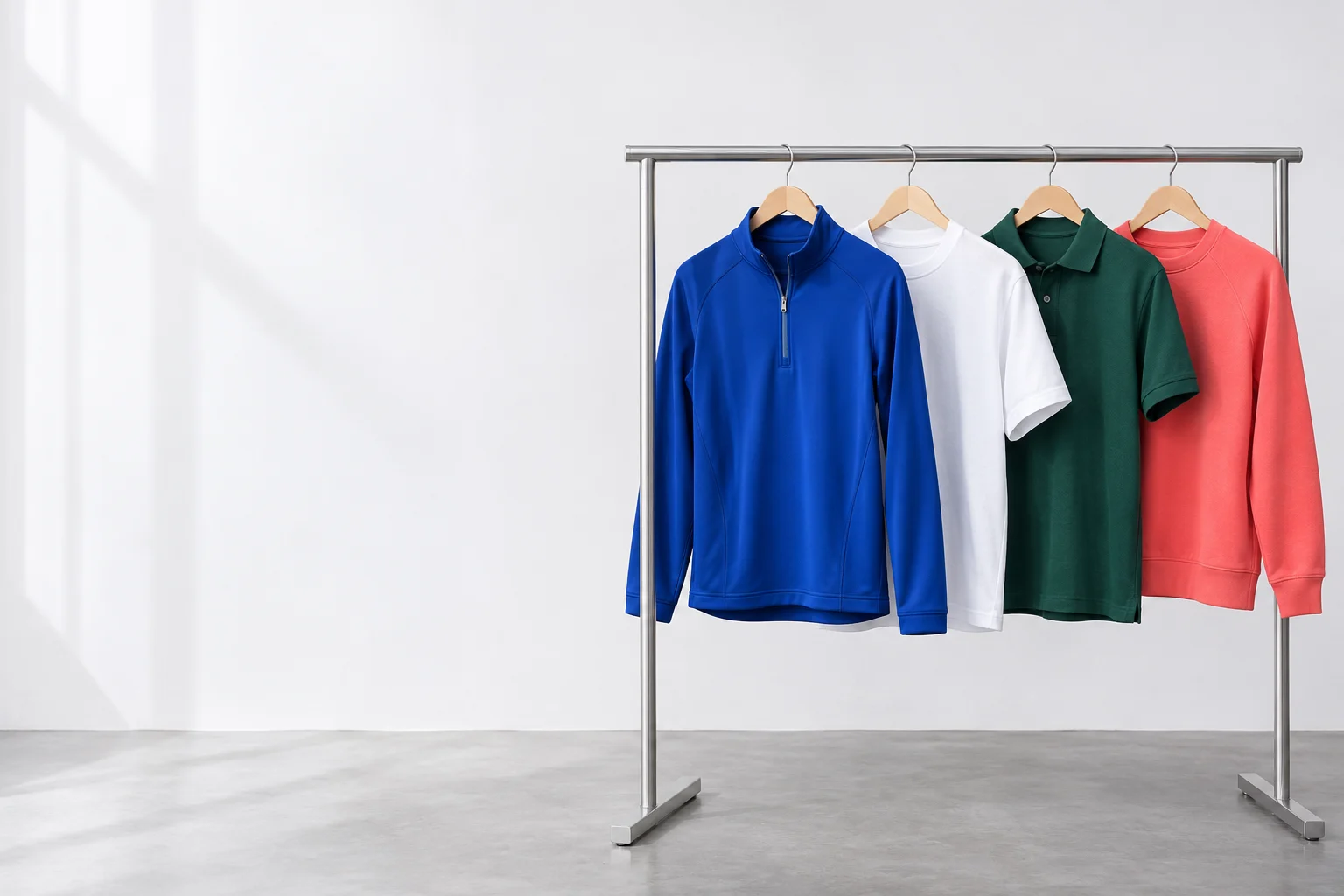
From everyday essentials to coordinated ranges. Choose the product, then shape the fabric, fit and details around your customer.

ESSENTIALS / LAYERS / BOTTOMS / SPECIALIST RANGES
01 Choose the garment
02 Define the details
03 Develop the range
THE GARMENT DIRECTORY
Find your starting point.
01
Everyday foundations
Fit, neckline and surface set the direction.
02
Layers with character
Resolve volume, openings and components.
04
A coordinated program
Bring activity, wearer and range together.
THE DETAIL CHANGES THE PRODUCT
Same range. Different decisions.
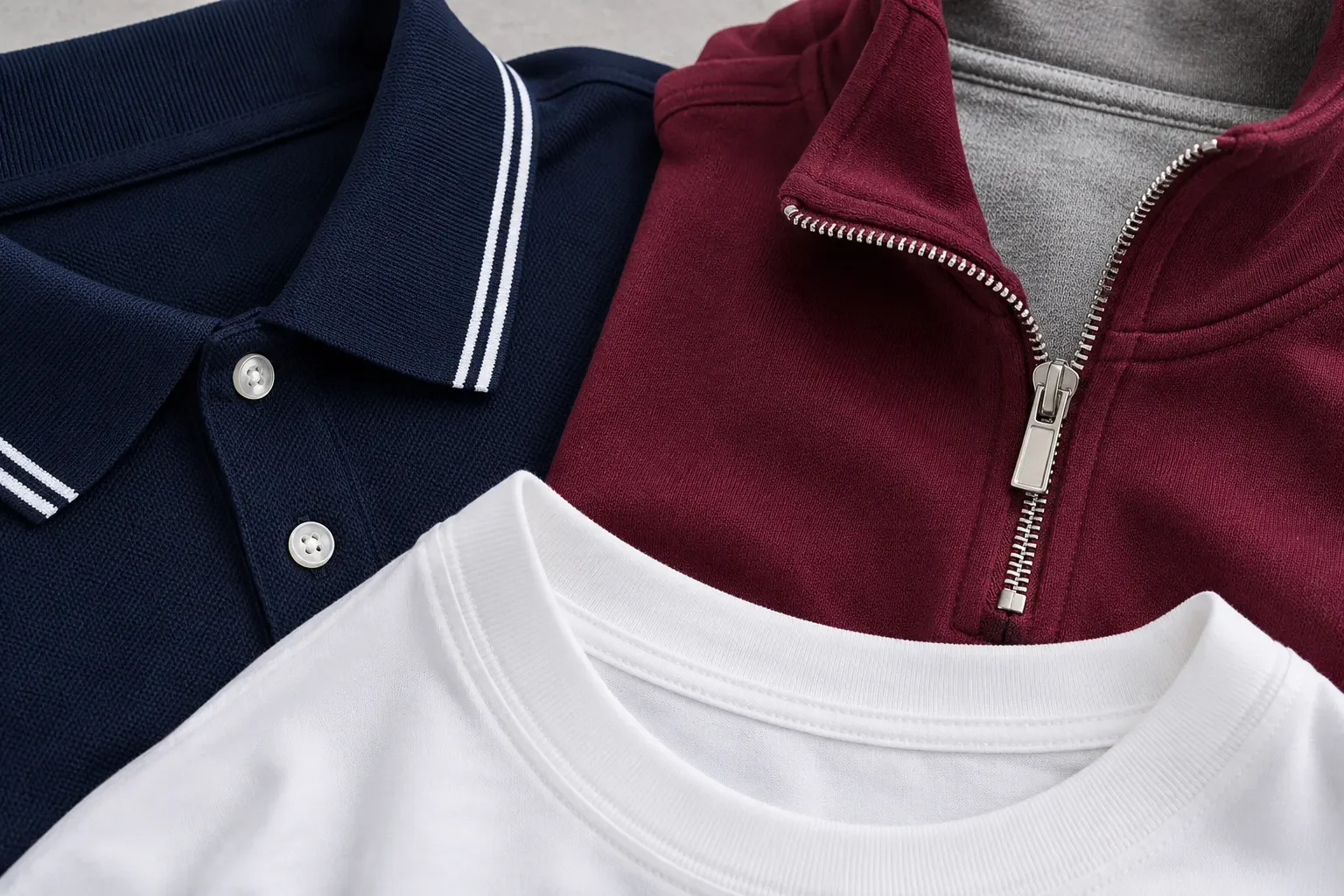
A
Collar
B
Neckband
C
Closure
A / Collar
B / Neckband
C / Closure
01
Fabric & surface
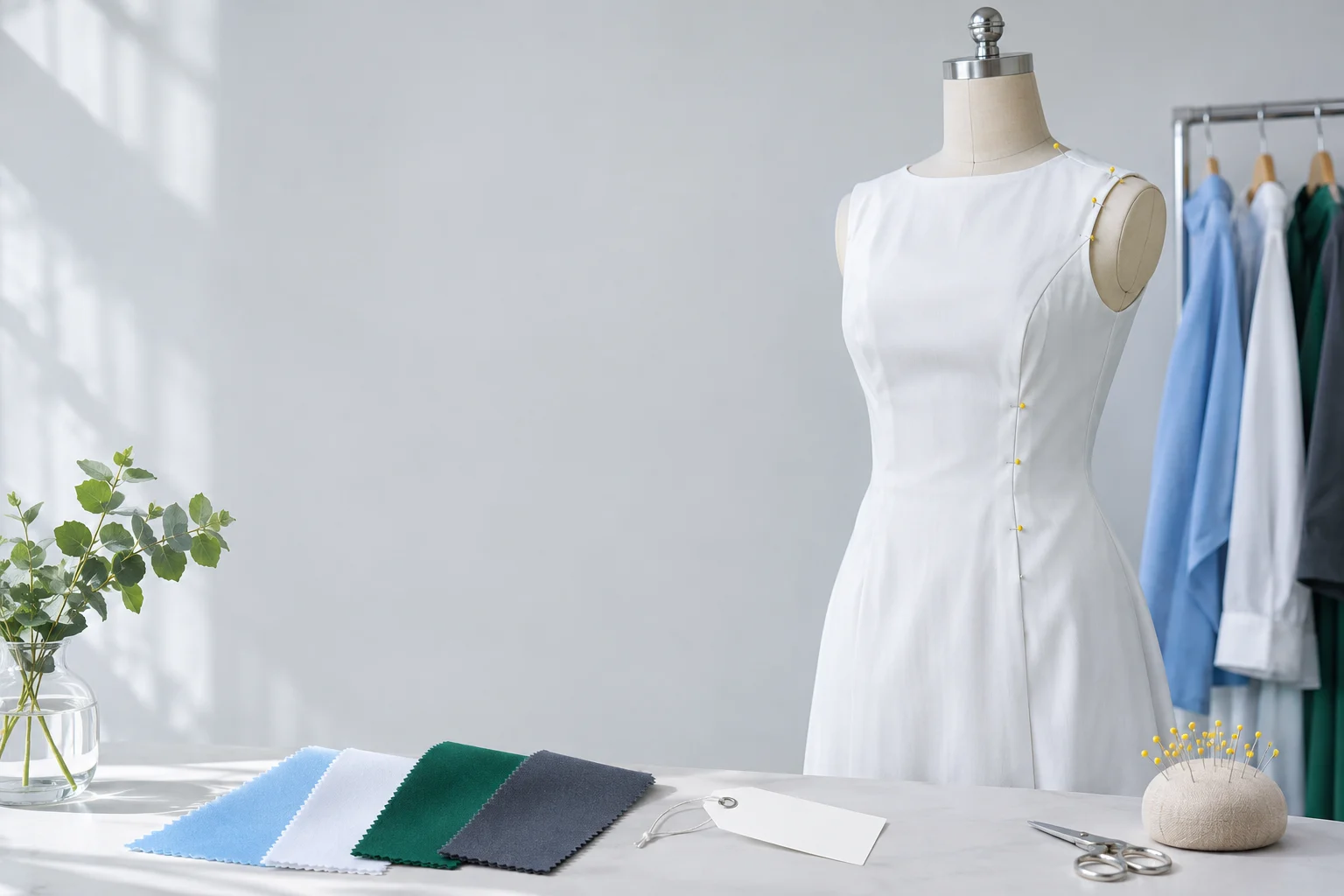
Specify composition, construction, hand feel and color. For activewear and close-fitting layers, add movement, stretch, support and testing needs.
02
Fit & proportion
Begin with the intended wearer. Define measurements, size range and finish for each garment, rather than copying one specification across the collection.
03
Brand placement
Relate artwork size to seams, pockets, closures and the fabric surface. Compare decoration methods
Materials, constructions, sizes and decoration options are agreed for the proposed garment.
FROM SHAPE TO SAMPLE
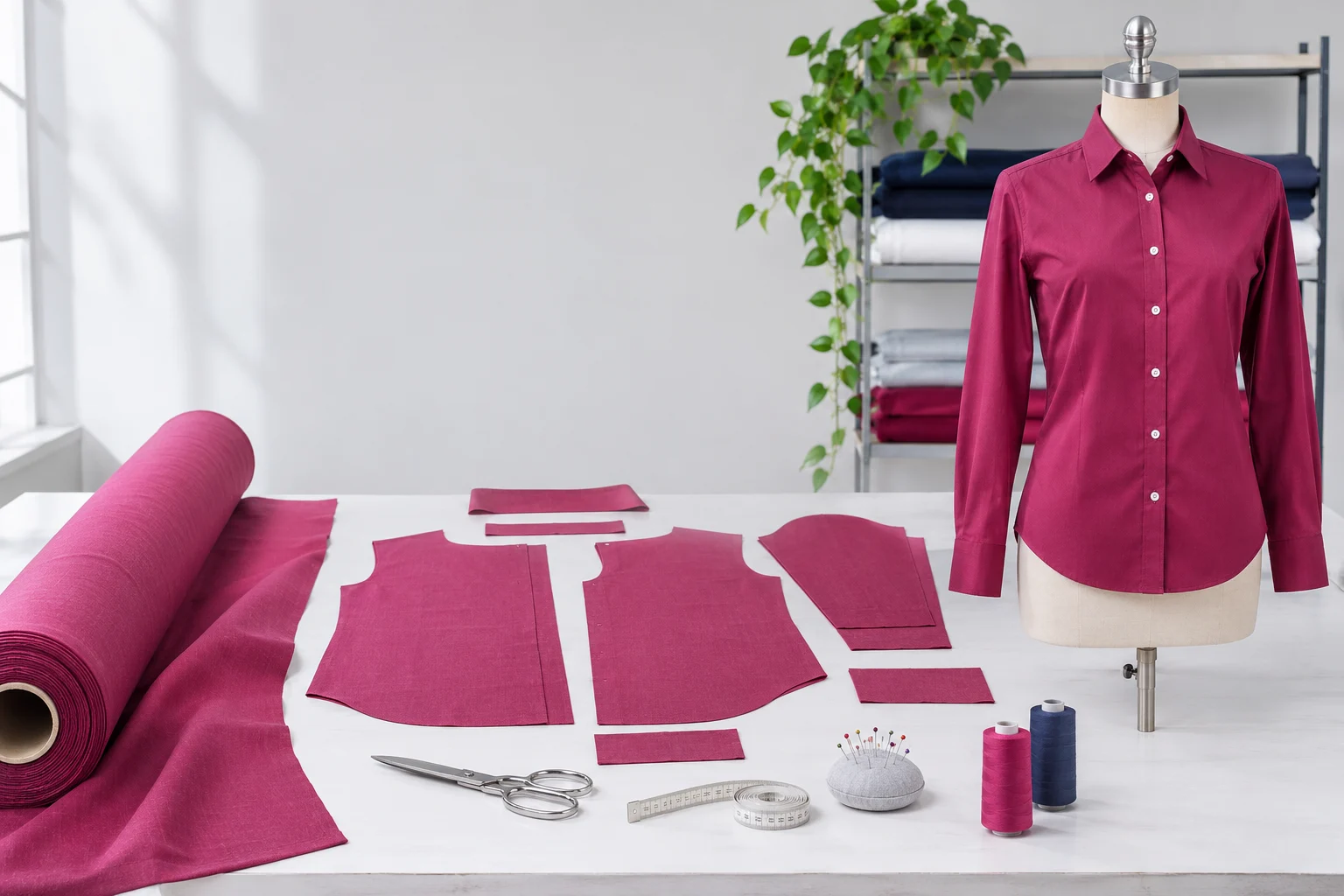
Construction sets the development route.
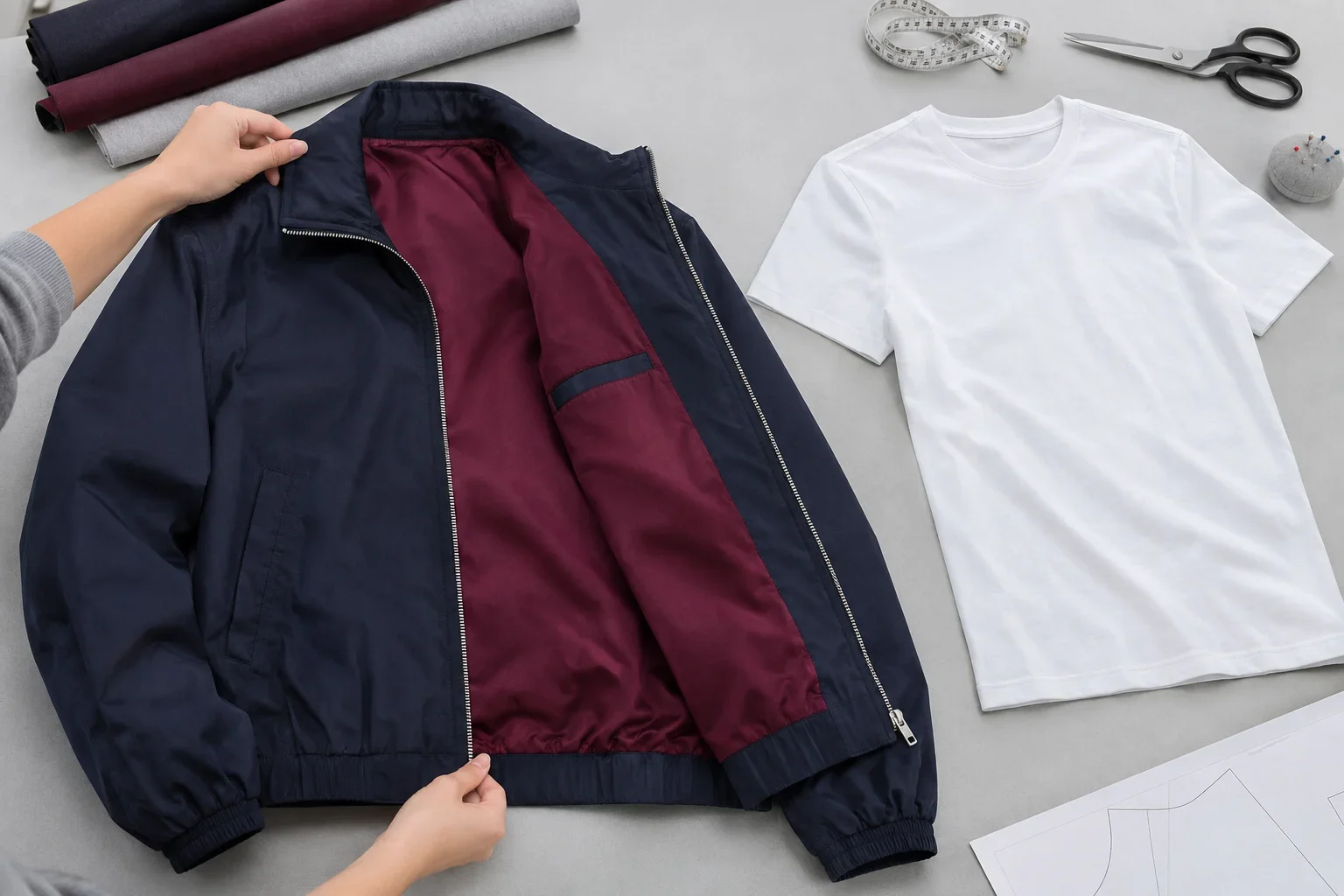
A jersey T-shirt and a lined jacket need different patterns, components and approval checks.
01
Define the shape
Send a sketch, tech pack or reference garment with fit, measurements and size requirements.
02
Resolve the construction
Outerwear and vests may add closures, lining, insulation or weather requirements. Bottoms add waistbands, pockets and mobility. Define the evidence needed for performance claims.
03
Review the sample
Check the physical garment, decoration and presentation. Record revisions and approval; agree sample scope, charges, timing and revision terms.
ONE RANGE. A SHARED PURPOSE.
Design around the way it will be worn.
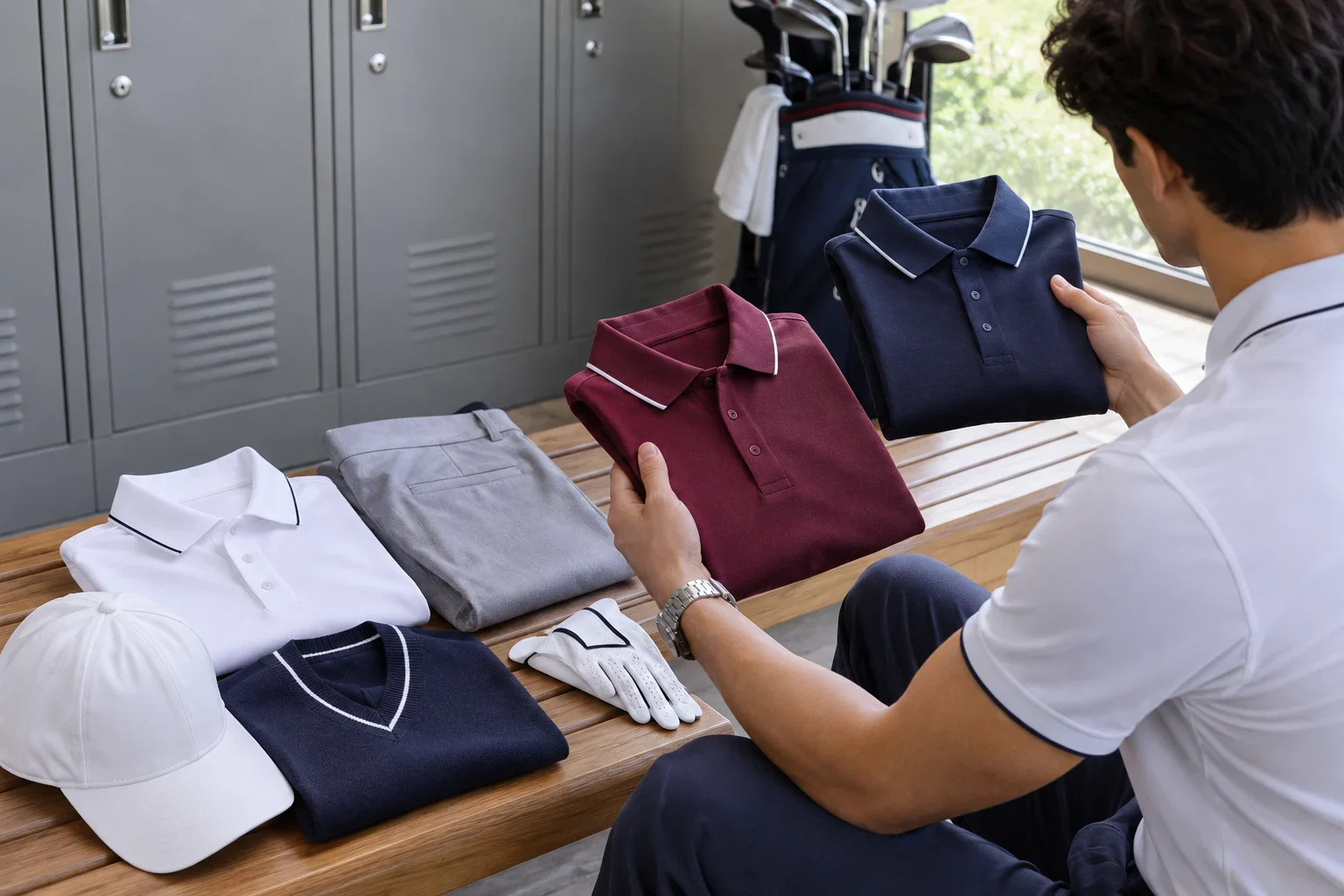
Coordinate the range; confirm specifications and order conditions for each style.
YOUR PROJECT / FOUR INPUTS
Make the first conversation useful.
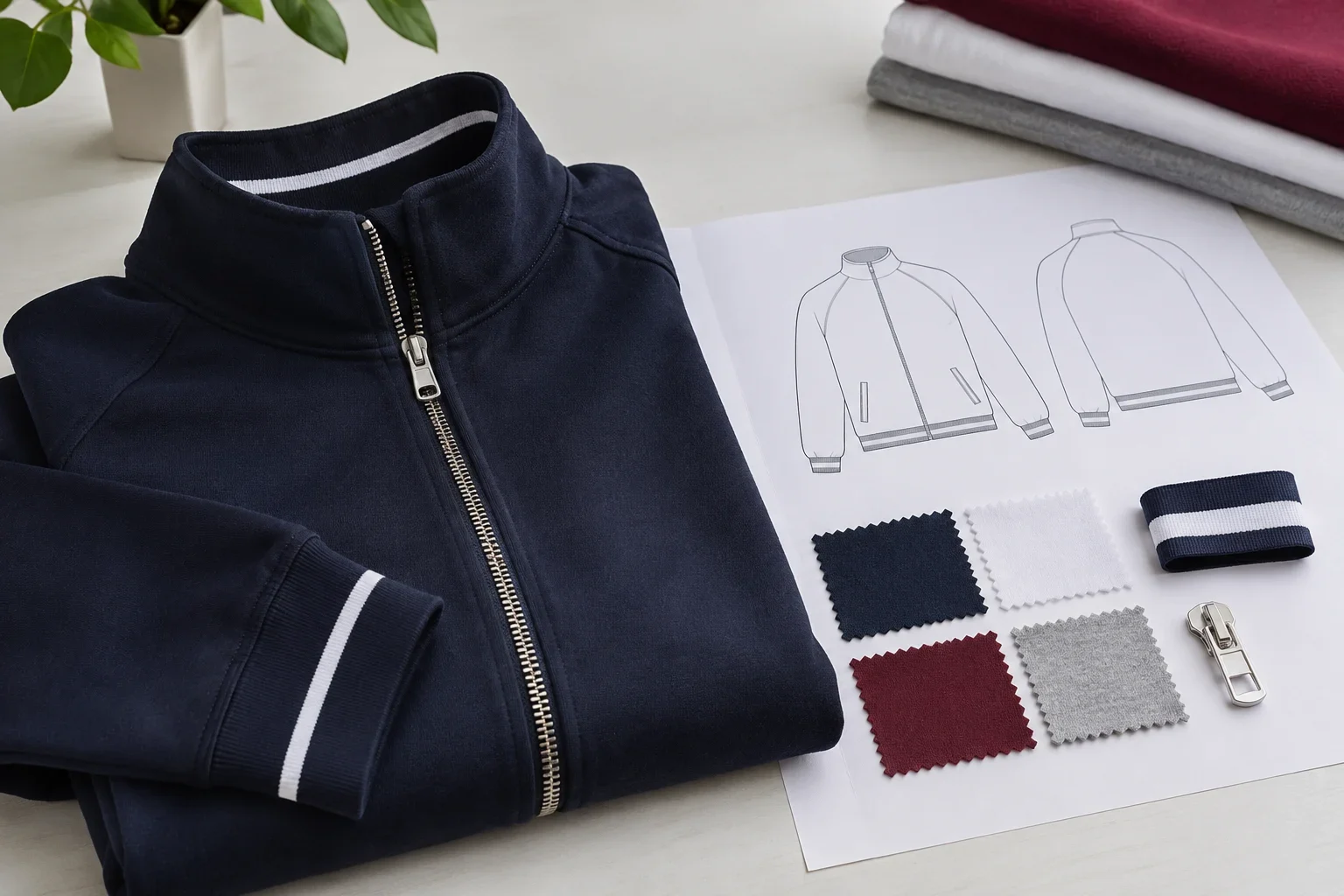
A
Product
Garment family, use, reference images, sketch or tech pack, fit and sizes.
B
Materials & finish
Composition, structure, colors, closures, pockets, trims, artwork, labels and packing.
C
Order
Quantities by style, color and size, destination and delivery requirements.
D
Approval
Sample needs, measurement tolerances, inspection criteria and required tests.
YOUR NEXT STEP
Need help narrowing the range?
Tell us who the garments are for and which product decisions are still open. We can discuss the suitable development route.