



NINGHOW APPAREL / APPLICATIONS
Custom apparel supply, planned as an assortment.
Ninghow Apparel supports wholesalers, importers, distributors and retailers with development, sampling, production coordination, branding and export assistance. Define the range, the allocation and the approval basis before comparing quotations.

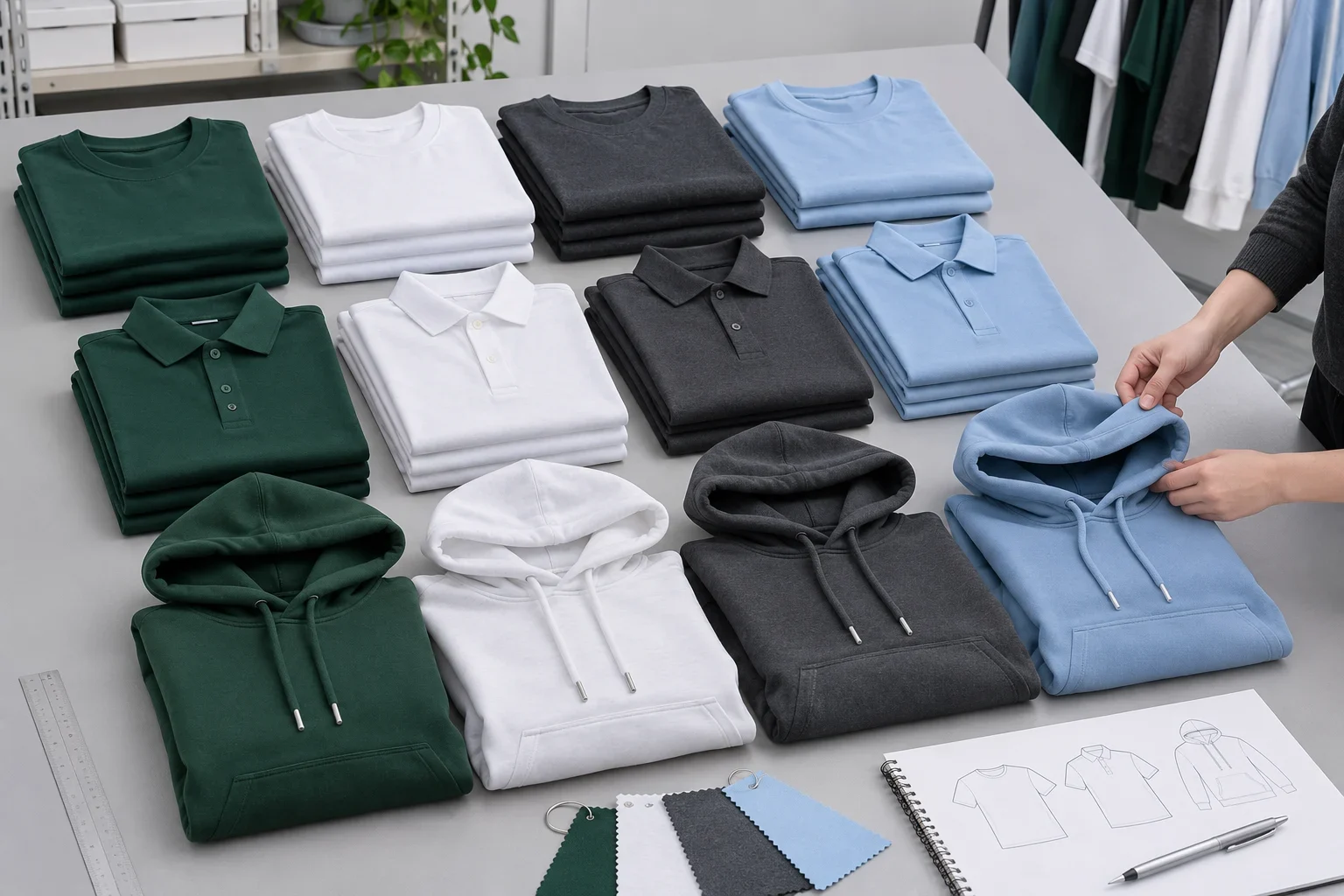
STYLE × COLOR × SIZE
Separate assortment breadth from quantity depth.
Plan by garment family, customer segment, season or use. Each style needs confirmation of construction, material, size range, decoration and quantity.
STYLE
Choose the product families
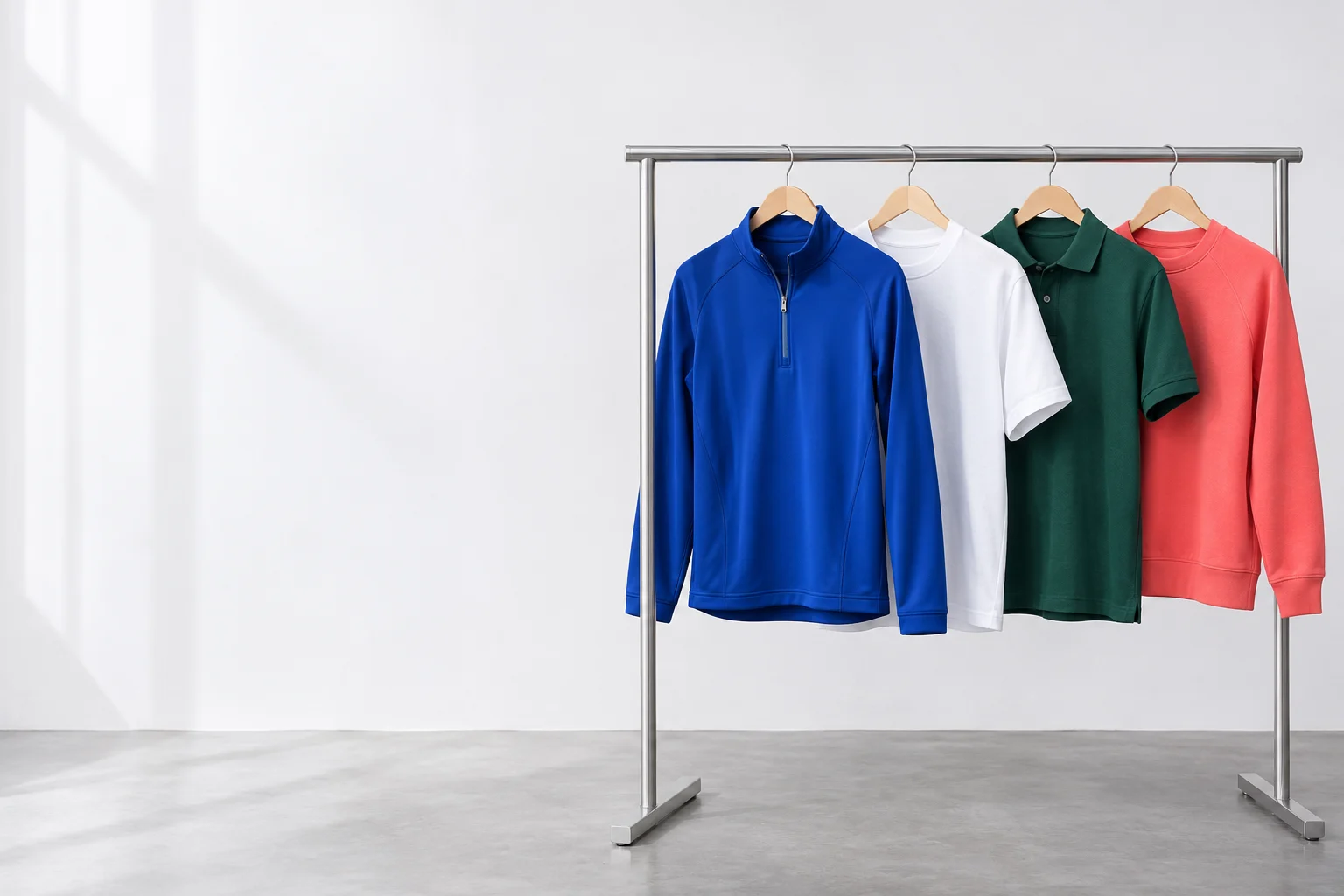
T-shirts, polos, hoodies, sweatshirts, pullovers, jackets, vests, pants, shorts, tanks and base layers can be considered.
COLOR
Allocate by color
Record quantities for every style and color. Confirm material availability and approved color references.
SIZE
Add the size breakdown
Specify size needs, measurements and quantities within each style-color combination. Confirm grading and the applicable size range.
REFERENCE / VARIANT
A color range needs a consistent product definition.
The sales plan may cover everyday clothing, activewear, golf, streetwear or organization-led programs. Product categories are starting points for custom development; confirm availability and production allocation for your order.

REFERENCE
Keep the construction clear
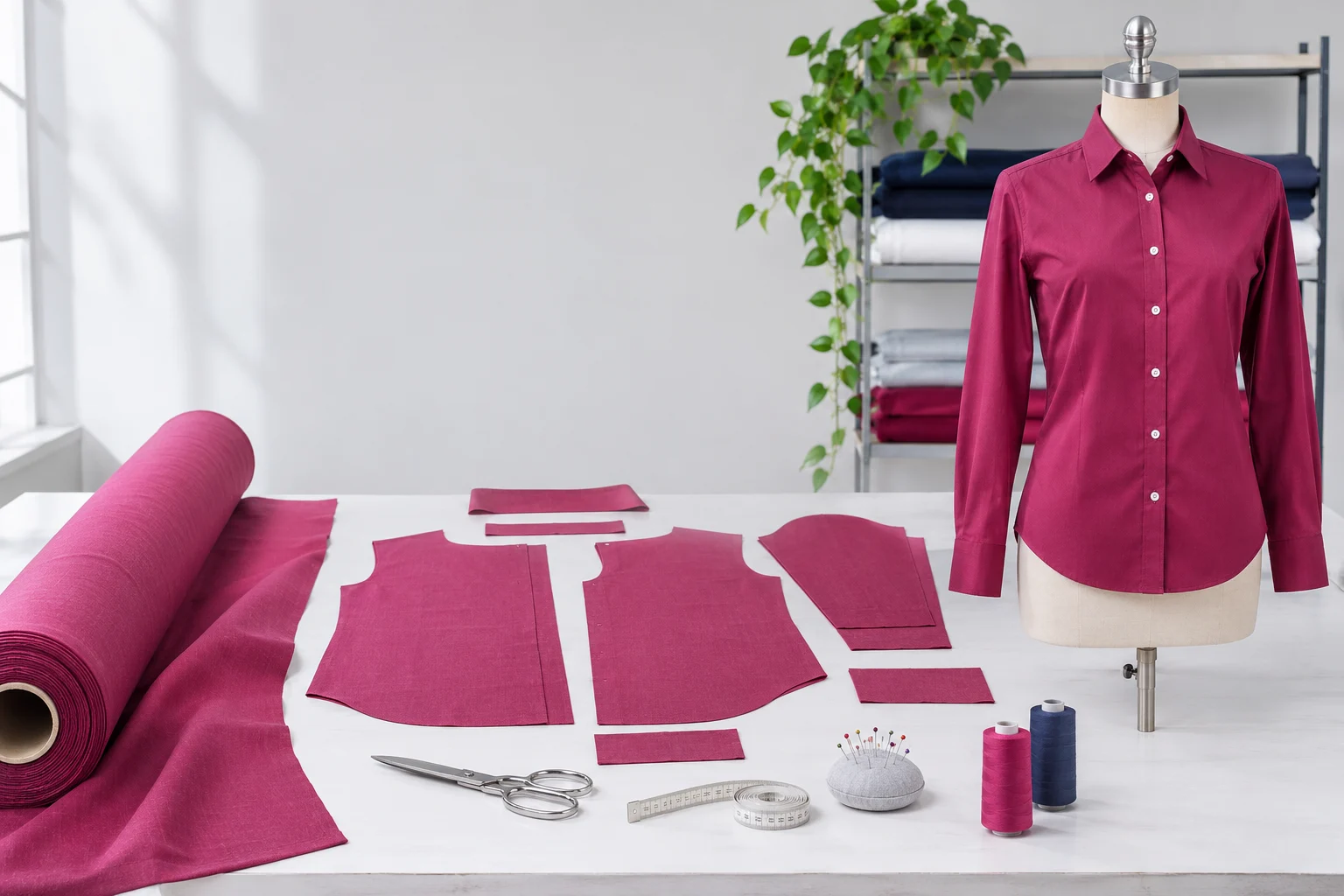
Provide measurements, fabric expectations, construction, artwork, labels and trims for each style.
VARIANT
Record what changes
Identify color, material, decoration or packing differences. List open decisions before comparing supplier proposals.
PRODUCT REVIEW / COMMERCIAL REVIEW
Review the sample and the quotation on the same basis.
Send tech packs, drawings or references and state whether the range is for resale, retail distribution, private label or a uniform program. A file review informs development; final specifications and sample approval still need agreement.

PRODUCT
Establish the approval reference
Review materials, fit, construction, branding and packing. Confirm sample charges, revision scope, timing and approval records.
ORDER
Confirm the commercial inputs
Agree pricing, MOQ and sample or bulk schedules for each style, considering quantity, complexity, material availability and customization.
RETAIN → RECONFIRM → APPROVE
Make each repeat order a controlled revision.
Repeat production can use approved specifications and samples, subject to materials and scheduling. Reconfirm availability, pricing and timing rather than assuming the previous terms still apply.
01
Retain the complete record
Keep samples, measurements, fabric and color references, artwork, labels, packing instructions and revision history.
02
Check the current inputs
Review material source, trims, quantities, required delivery and production schedule.
03
Approve any change
Record differences in fabric, color, artwork or packaging before confirming the next specification.
GARMENT / CARTON / DESTINATION
Plan how the assortment will arrive.
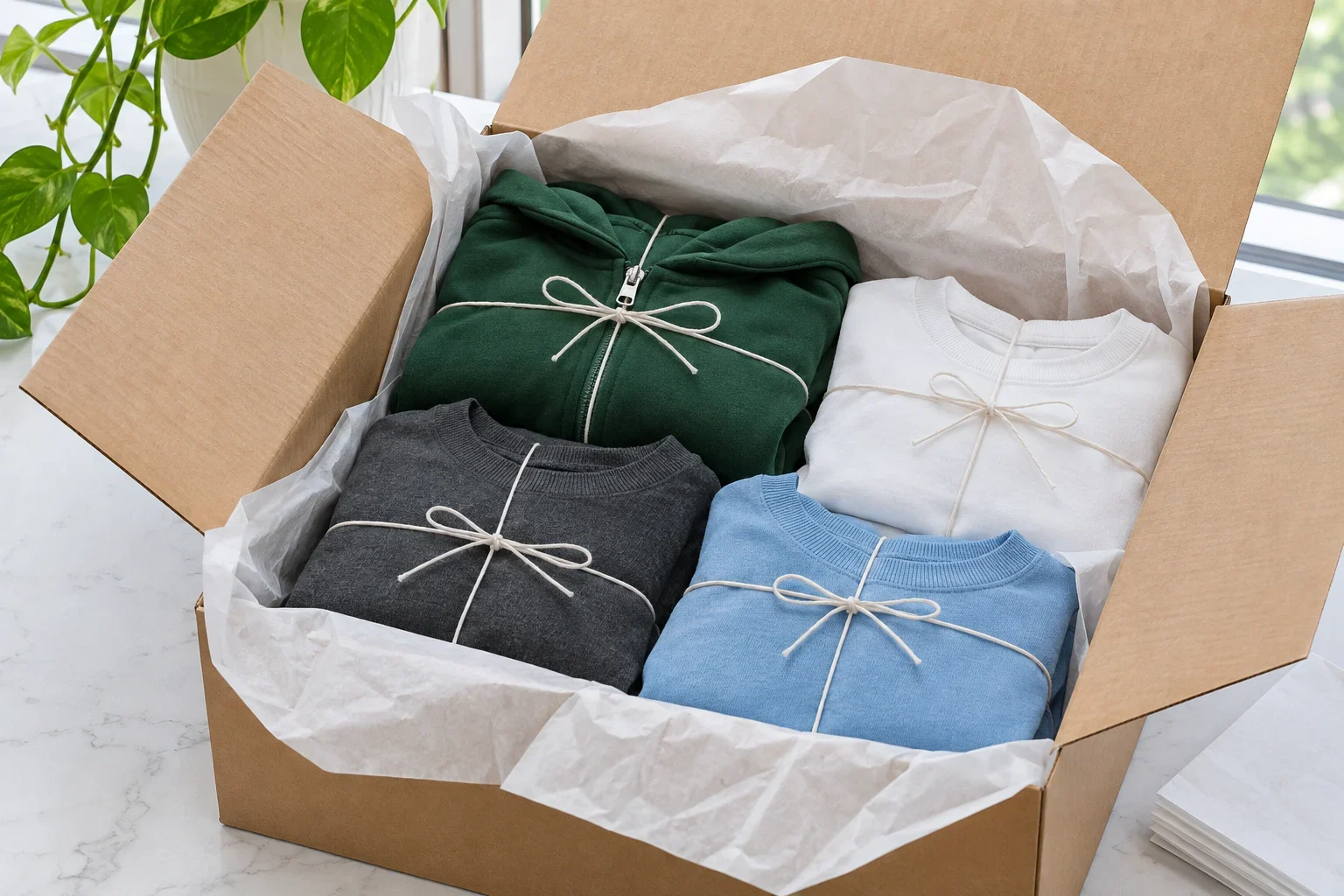
Confirm standard export or customized branded packaging. Review the export and shipping route for the order.
01
Garment presentation
Define folding, labels, artwork, packing format and approval references.
02
Carton requirements
Agree grouping, carton limits, retail presentation requirements and packing costs.
03
Destination and timing
Provide country, address or region, arrival window, import restrictions and documentation needs.
04
Freight and responsibility
Confirm express, air or sea, transit estimates, duties, taxes, customs arrangements and Incoterms.
ACCEPTANCE / FEASIBILITY
Resolve quality and supply questions before commitment.
QUALITY
Ask for relevant inspection records
Agree incoming, in-process, measurement, visual and pre-shipment checks. Confirm tolerances, AQL if used, testing, current certification, third-party inspection and corrective-action procedures.
FEASIBILITY
Resolve the unfinished brief
Bring material, fit, construction and production questions to technical review before committing to a price or delivery plan.
YOUR NEXT STEP
Make the assortment reviewable, style by style.
Send product references, style-color-size quantities, specifications, branding and packing instructions. Include market, destination, timing, freight preferences and repeat-order expectations.