

What Is Sublimation Printing in Apparel?
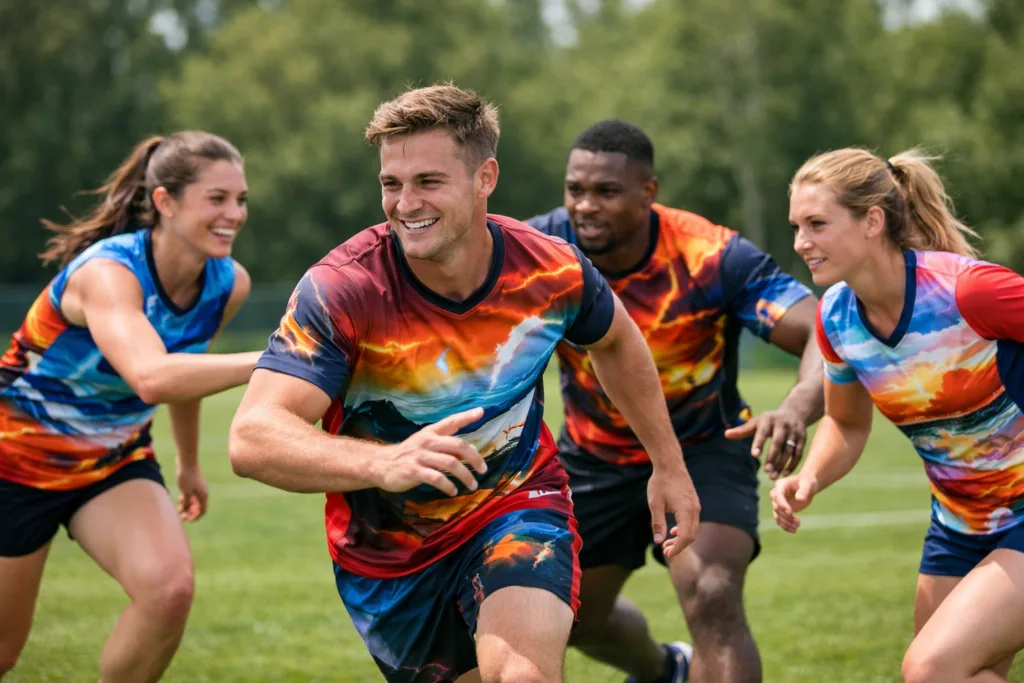
Sublimation printing is a cutting-edge method used to create vibrant, long-lasting designs on apparel. Instead of sitting on top of the fabric, this process embeds ink deep into the fibers, making graphics that resist cracking, peeling, and fading. The technique is prized for its ability to reproduce vivid colors and detailed patterns—key features in sportswear, streetwear, promotional gear, and activewear.
Brands aiming to stand out often rely on sublimation printing for custom T-shirts, jerseys, polos, and some forms of fashion streetwear. For companies like Ninghow Apparel, mastery of sublimation means delivering quality and consistency across large production runs.
How Sublimation Printing Works: Step-by-Step Process

Sublimation printing harnesses a chemical reaction. Solid dye is heated until it turns into a gas, and that gas bonds with polyester fibers. Here’s how the process unfolds in a modern apparel factory:
- Artwork Creation: Designers prepare high-resolution graphics, often using Adobe Illustrator or CorelDRAW. Colors are defined using standards like Pantone to ensure accuracy.
- Printing on Transfer Paper: Special sublimation inks are digitally printed onto transfer paper using inkjet printers equipped for dye-sublimation.
- Heat Pressing: The transfer paper and fabric are placed together in a heat press. Typical temperatures range from 180–210°C (356–410°F), with pressure applied for 30–60 seconds.
- Sublimation Reaction: The ink transforms from a solid into a gas. It penetrates polyester molecules, becoming part of the fabric itself.
- Cooling & Quality Control: As the fabric cools, the inks are locked in. Technicians inspect for color accuracy, registration alignment, and any unwanted marks using AQL standards.
This seamless process results in garments with unrestricted breathability and true-to-design color vibrancy. For comprehensive insights into quality control methods within apparel manufacturing, visit apparel manufacturing quality control.
Technical Principles Behind Sublimation Printing
The heart of sublimation printing lies in thermodynamics and molecular bonding. When heat is applied, dyes bypass the liquid phase and become a gas—a process called sublimation. This gaseous dye penetrates open polyester pores in the fabric, creating a permanent bond.
This method ensures there’s no added weight, stiffness, or texture atop the garment. That’s why sublimated prints feel just as soft and flexible as the base material. The process also achieves:
- High color saturation and sharpness.
- Wash-fastness and UV resistance.
- Edge-to-edge printing without limitations from seams or panels.
- No risk of cracks, chips, or flaking graphics.
Expert Insight: Because ink merges with the actual fibers, even repeated washing or stretching won’t damage the design—ideal for athletic and promotional wear where longevity matters.
Best Fabric Types for Sublimation Printing
Not all textiles are compatible with sublimation printing. The process depends on the nature of polyester fibers to absorb dyes. Blends containing high polyester content work best, while natural fibers like cotton, hemp, and viscose resist the gaseous dyes and result in weak or faded prints.
- Polyester (100%) – Delivers optimal bonding and vivid colors.
- Polyester Blends (≥65%) – Acceptable results; the higher the polyester, the brighter the output.
- Special Coated Substrates – Used for non-textile products (e.g., mousepads, mugs).
Materials like combed cotton, modal, or viscose are not recommended unless treated with a polyester layer. Learn more about fabric choices and their performance from about fabric clothing manufacturing and what is viscose fabric.
Sublimation vs. Other Apparel Decoration Methods
Each decoration technique suits different styles, fabrics, and use cases. Compare sublimation with alternatives like screen printing, DTG, and heat transfer using this table:
| Method | Compatible Fabrics | Durability | Color Range | Best For |
|---|---|---|---|---|
| Sublimation | Polyester, blends | Excellent (no wear) | Unlimited | Team kits, sportswear, custom polos |
| Screen Print | Cotton, blends, poly | Good (may crack) | Strong, but limited by setup | Bulk tees, logo hoodies |
| DTG | Cotton, blends | Medium-high | Full-color, photoreal | Short-run tees, art prints |
| Heat Transfer | Most fabrics | Fair (may peel) | Vivid | Promos, low MOQ |
Sublimation stands out where all-over, fade-resistant prints on polyester are non-negotiable. Screen printing and DTG offer versatility but lack the longevity and vibrancy for demanding athletic or event use.
Design Possibilities: What Brands Can Achieve With Sublimation Printing
Designers and brand managers appreciate the infinite possibilities unlocked by sublimation:
- Full-coverage graphics (front, back, sleeves, collars).
- Complex gradients, photo-realistic scenes, camouflage or abstract art.
- Micro-detail edge prints for streetwear and athleisure.
- Precise team colors for sports uniforms and promotional apparel.
Sublimation printing supports detail-rich artwork, limited only by your creativity and the fabric’s white base. Darks and blacks require special underlayers, often managed by expert manufacturers.
If you’re developing a streetwear collection, see what defines the look in what is streetwear clothing. For activewear projects, explore supplier options at sportswear supplier.
Performance, Washing, and Longevity of Sublimated Garments
Sublimation’s biggest advantage is durability. Ink fuses with the material, leaving a finish that never chips, fades, or detaches. Garments pass industry-standard wash tests (like AATCC 61/8 for colorfastness) and maintain their sharp look for seasons of wear.

Additional benefits include:
- No added texture or weight—apparel remains light and breathable.
- Resistance to sunlight and abrasion, perfect for outdoor uniforms.
- Easy care: Standard machine washing retains print clarity and color depth.
- Sustainable manufacturing—no excess ink or solvents left behind.
Ninghow Apparel emphasizes these properties when supplying brands focused on performance and reliability, from small batch runs to bulk orders. Learn more about custom apparel production at apparel customization ability.
Compliance, Environmental Factors, and Certification
Strict global standards oversee textile safety and sustainability. OEKO-TEX STANDARD 100 certifies many polyester fabrics as safe, while BSCI and SEDEX audits check factory ethics and environmental practices. Reputable suppliers use water-based, non-toxic inks to minimize impact.
Modern sublimation lines recycle heat and control emissions, reducing carbon footprint. Many brands now require traceable sourcing and compliance certification before launching products—essential for European and U.S. markets.
Read more about garment sourcing and compliance in clothing manufacturers in China: complete guide.
Sourcing and Scaling Sublimation Apparel Production
For brands, scaling up from prototype to bulk production requires planning. Key factors include:
- Clear tech packs detailing artwork, Pantone shades, placement, and garment specs.
- Bulk color approval via lab dips and strike-offs to ensure consistency.
- Sampling workflow: start with samples, approve PP (pre-production) samples, then proceed to top-of-production.
- Size ratio planning, folding styles, and export packaging (poly bags, hangtags, cartons).
Ninghow Apparel offers full support for product development, from design setup to manufacturing checks and logistics. For streetwear, activewear, and promotional apparel, strong partnerships mean smooth scaling to meet demand.
If you’re building your first collection, explore the journey from idea to launch in from sample to store.
Frequently Asked Questions
What is sublimation printing in apparel?
Sublimation printing is a technique where dyes turn into gas and bond with polyester fibers, embedding graphic designs inside the fabric so prints never peel or fade.
Which fabrics are best suited for sublimation printing?
Polyester and polyester-rich blends are best for sublimation printing because only synthetic fibers can absorb the gaseous dyes and hold vibrant colors.
Is sublimation printing suitable for cotton T-shirts?
Sublimation printing does not work well on cotton; prints will look faint or wash out quickly. Choose polyester garments for best results.
How durable are garments printed with sublimation?
Sublimated garments are extremely durable—prints won’t crack, peel, or fade, even after repeated washes and heavy wear.
Can I achieve photorealistic designs with sublimation?
Yes, sublimation printing supports photorealistic detail, seamless coverage, and unlimited color gradients, making it ideal for creative and promotional apparel.
What environmental standards apply to sublimation printing?
Leading factories follow OEKO-TEX, BSCI, and SEDEX standards, use non-toxic dyes, recycle process heat, and minimize waste to meet environmental and safety regulations.