
Introduction: Understanding Satin Weave vs Satin Fabric
When it comes to textiles and apparel, confusion often arises between what is satin weave vs satin fabric. The distinction is essential for designers, buyers, and garment manufacturers. Satin weave refers to a specific method of weaving threads, while satin fabric is the outcome, often admired for its smooth, glossy surface. This article dives deep into their differences, the production realities, and their impact on clothing quality and manufacturing choices.
Defining Satin Weave: Technique and Structure
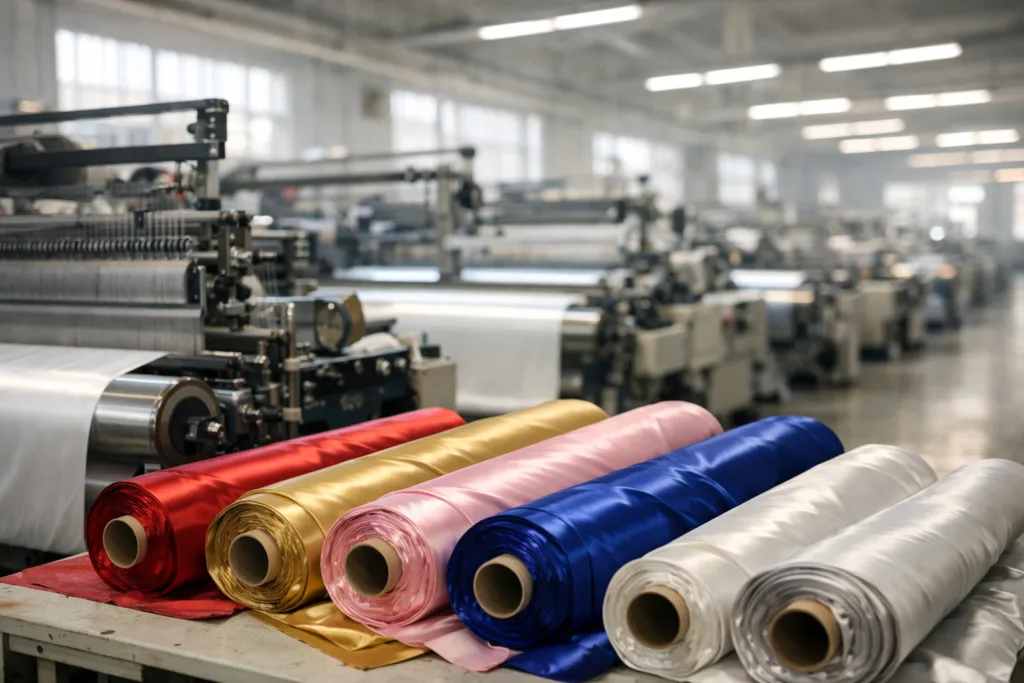
Satin weave is a weaving pattern distinguished by its unique thread arrangement. Unlike plain or twill weaves, satin weave places more floating warp or weft threads on the fabric surface. This results in fewer interlacings and maximum surface smoothness.
- Creates a lustrous, reflective fabric surface
- Typically uses 4 or more warp yarns floating over a single weft (or vice versa)
- Reduces visible weaving points, enhancing shine
What Is Satin Fabric?
Satin fabric is the finished textile material derived from a satin weave. Not all satin fabrics are made from silk; they can be crafted from polyester, nylon, or blends. The main attribute is the glossy surface and soft hand feel.
- Can be made from various fibers, including silk, polyester, or nylon
- Often used for eveningwear, lingerie, linings, and accessories
- Recognized for its sheen and drape
How Satin Weave Creates Satin Fabric
The satin weave technique is pivotal in producing satin fabric. The fewer interlacings allow light to reflect more directly, creating the signature shine. However, the term ‘satin’ in apparel can refer both to the weave and the finished fabric, making industry communication tricky.
Comparing Weaves: Satin vs. Twill vs. Plain
| Feature | Plain Weave | Twill Weave | Satin Weave |
|---|---|---|---|
| Yarn Float | None | Diagonal | Long |
| Surface | Matte | Textured | Glossy |
| Durability | High | Medium | Lower |
| Use | Basics | Jeans | Luxury |
Manufacturing Satin: Steps and Tradeoffs
Producing satin involves careful yarn selection, loom configuration, and quality control. Manufacturers like Ninghow Apparel emphasize consistent quality by evaluating yarn purity, thread tension, and weaving accuracy. The tradeoff is that satin is more prone to snags due to fewer interlacings.
Yarn Selection
Silk yields the best sheen, but synthetic fibers like polyester are more affordable and durable. Choosing the right yarn affects both shine and production cost.
Loom Setup and Weaving
The loom setup ensures the floats are consistent. Even a small error can cause surface irregularities. Manufacturers rely on skilled technicians and regular maintenance for optimal results.
Finishing Processes
Satin fabrics often undergo finishing treatments like calendaring to enhance gloss and manage drape. Proper finishing is key for end-use appearance and quality assurance.
Apparel Applications: Where Satin Shines
Satin fabric’s visual appeal makes it the first choice for evening gowns, lingerie, blouses, and even streetwear trims. Designers appreciate its elegant drape and reflective surface for high-impact fashion pieces. For bulk production, about fabric clothing manufacturing is vital for understanding sourcing and production challenges inherent to satin fabrics.
The Difference Between Satin Weave and Satin Fabric
Satin weave is simply the construction method; satin fabric is the material you receive. One can have a satin weave made with cotton, resulting in cotton satin, or with polyester for polyester satin. The difference impacts both fabric feel and cost.
- Satin weave governs the structure
- Satin fabric is the result, with the sheen and drape
- Fiber choice changes the final product’s properties
Common Misunderstandings in Textile Terminology
Many buyers incorrectly assume all satin is silk. In fact, satin refers to the weave, not the material. Whether it’s “poly satin” or “cotton satin,” what matters is how the threads are woven. Sometimes, suppliers mislabel fabrics, so it’s wise to check technical specifications.
Production Challenges with Satin Fabrics
Satin’s long floats make it vulnerable to snags and abrasions. In mass production, quality control teams inspect for lost floats, irregular shine, and consistency across batches. Manufacturers address these issues by adjusting tension, verifying finish, and testing durability.
Durability and Maintenance of Satin Fabrics
While satin fabrics are prized for their look, they require thoughtful care. Because of the fewer interlacings, they snag easily and are sensitive to rough handling. Dry cleaning is usually recommended for high-end satin clothing. For designers, knowing these care requirements helps in fabric selection.
Satin Weave Variations: Four, Five, and Eight-End
Satin weaves can be classified by the number of float yarns (ends). Four-end satin weave is common for upholstery, while five- and eight-end weaves are typical for apparel. Higher ends produce greater shine but less durability.
Impact of Fiber Choice on Satin Fabric Quality
The choice between silk, polyester, and cotton impacts both the visual and tactile properties. Silk satin is luxury-grade, polyester satin is budget-friendly yet shiny, and cotton satin offers comfort with a subdued sheen. For sustainable options, sustainable clothing manufacturers may source eco-friendly satin fabrics that meet both fashion and environmental goals.
How to Identify Genuine Satin Fabric
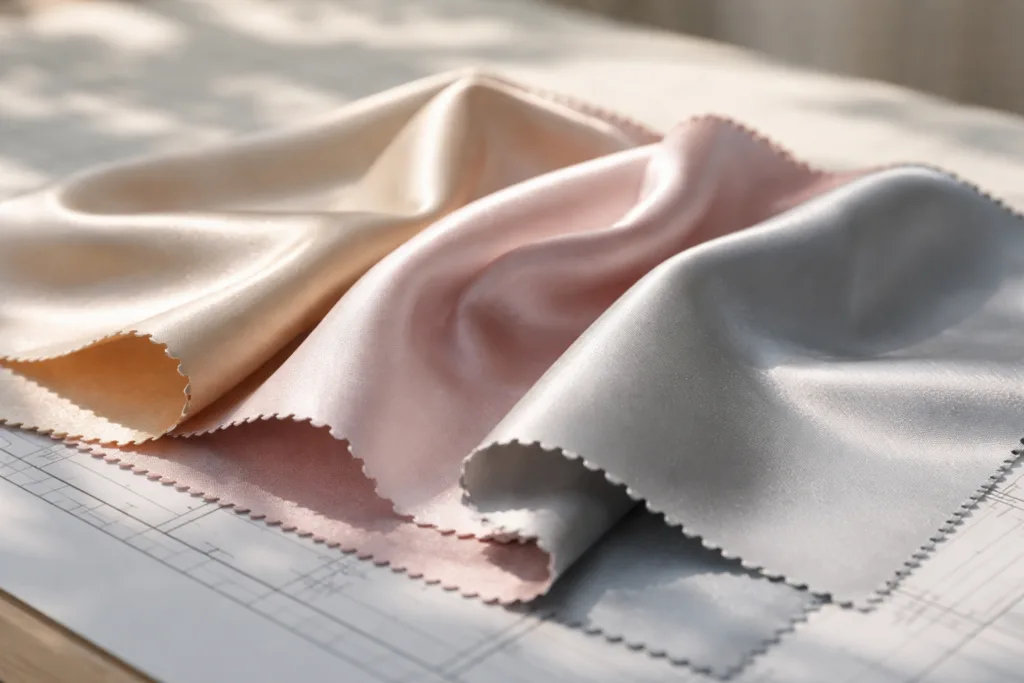
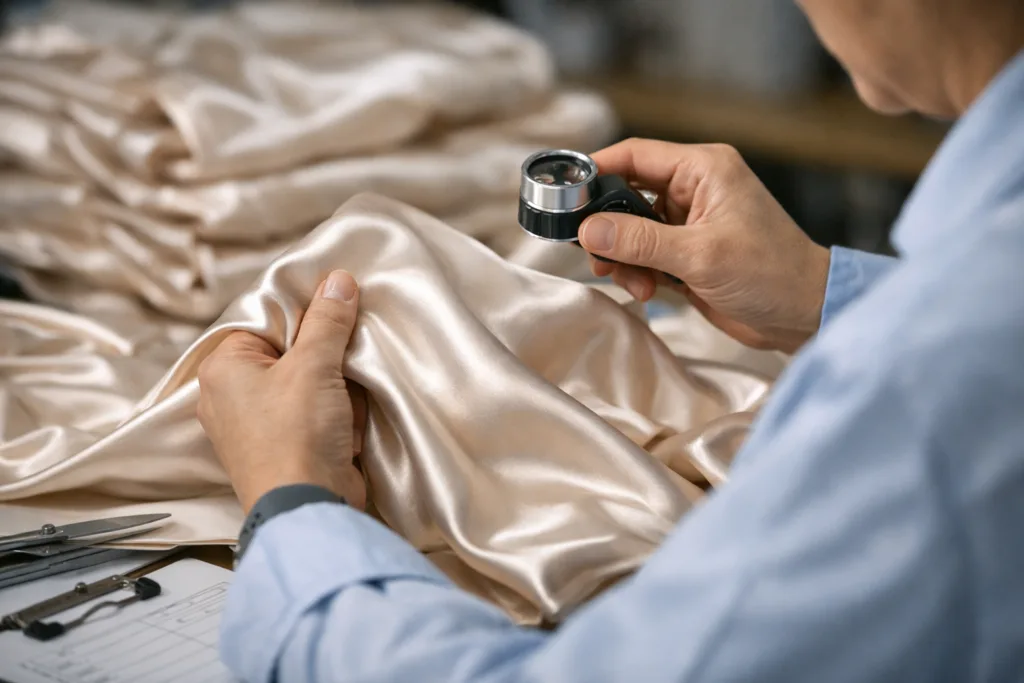
Inspect the surface for shine, smoothness, and floating yarns. Genuine satin fabric should feel slippery with visible sheen. Factory teams usually check under strong lighting to ensure uniform appearance and quality.
Cost Breakdown: Satin Weave vs Satin Fabric
Satin fabrics are usually more expensive than plain weaves because of their complexity and the labor required. Silk satin commands top prices, while synthetic satins offer more affordable alternatives.
Testing Satin Fabric in Production
Quality control for satin involves mechanical abrasion tests, visual inspection under controlled lights, and feel checks for softness. Fashion brands often request sample swatches to evaluate before committing to bulk orders. For more on apparel QC, see apparel manufacturing quality control.
Industry Standards: How Factories Approach Satin Fabric
Factories standardize satin production with detailed specifications: fiber content, yarn strength, weave density, and finish treatments. Some brands conduct in-house tests, others rely on certified labs. Consistency is key for batch-to-batch predictability.
Real-Life Brand Experiences: Ninghow Apparel Insights
From years of production, Ninghow Apparel notes that most satin issues arise in the finishing stages. A practical tip: always swatch test for shine, drape, and durability before full order. For trims and cutting, factory teams pre-plan so satin’s surface remains unblemished.
Buyer FAQs: Making the Right Choice
- What’s the difference between a “satin weave” and “satin fabric”?
- Does fiber matter if the weave is satin?
- How is satin used in modern streetwear?
- What pitfalls to avoid when sourcing satin fabrics?
Tips for Designers and Buyers When Choosing Satin
- Clarify if you need silk satin, polyester satin, or cotton satin
- Ask for fabric specifications and weave details
- Check finished samples against original swatches
- Plan for delicate trims and careful cutting
Environmental Considerations: Sustainable Satin Options
More brands are turning to recycled polyester satin and certified silk to reduce environmental impact. Ask manufacturers about their sourcing options and applicable certifications if sustainability is critical.
Applications Beyond Apparel: Roles of Satin Weave
Satin weaves also appear in upholstery, accessories, shoes, and home textiles. Not every shiny fabric is satin—some finishes are artificial. Always verify the technical weave for authenticity.
How Sourcing Impacts MOQ and Lead Times for Satin
Because satin fabrics are specialty items, lead times can be longer and MOQs higher than plain weave fabrics. For startup brands, consider consolidating fabric orders or harnessing stock fabric markets to beat high MOQs and dead stock risks.
Future Trends: Innovations in Satin Weave and Fabric
Technological advancements include micro-fiber satins, sustainable yarns, and smart weaving machines for consistency. The demand for eco-satin and technical satins is rising, especially for fashion, sportswear, and luxury brands.
Summary: Key Takeaways on Satin Weave vs Satin Fabric
The difference between satin weave and satin fabric is a matter of construction versus material. Understanding this helps brands, designers, and buyers make smarter choices in sourcing, design, and production. Careful fiber selection, weaving techniques, and quality control ensure that the final satin garment fits beauty, durability, and sustainability goals. The next time you ask, “what is satin weave vs satin fabric?”—remember, it’s both a technical and creative decision.
Frequently Asked Questions
What is the main difference between satin weave and satin fabric?
Satin weave is the method of weaving threads; satin fabric is the finished material with its characteristic sheen and smooth surface.
Can satin fabric be made from fibers other than silk?
Yes, satin fabric can be made from polyester, nylon, cotton, or blends, not just silk.
How is durability affected in satin fabrics?
Satin fabrics are less durable compared to plain or twill weaves due to their long yarn floats, which make them more prone to snags.
Are all shiny fabrics considered satin?
No, shine can be achieved through finishes; genuine satin is defined by its weave structure and yarn floats.
What care is required for satin garments?
Delicate handling, dry cleaning, and avoiding rough surfaces are recommended to maintain satin’s appearance and prevent damage.
How can buyers verify satin weave authenticity?
Check the technical weave, inspect yarn floats, and verify specifications with the manufacturer before purchasing.