
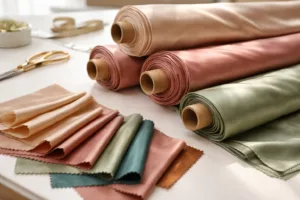
What Is Cupro Fabric?
Cupro fabric has recently become a buzzword in sustainable fashion, but what exactly is it? Derived from cotton linter—a silky fiber that surrounds cotton seeds—cupro is a regenerated cellulose fabric with a uniquely supple feel. It’s prized for its breathability, softness, and resemblance to silk, but comes with an eco-conscious twist that’s attracting innovative clothing brands worldwide. If you’re curious about its origin, texture, and positioning in the textile landscape, this guide unpacks cupro fabric in detail—helping you decide if it fits your next project or brand collection.
The Origins and Material Source of Cupro Fabric

Cupro’s story begins with cotton waste—specifically, cotton linter left behind after spinning cotton yarn. Instead of discarding this fluffy surround, manufacturers process it into a high-purity cellulose solution. This solution is then extruded into fine filaments, much like rayon or modal, but using copper and ammonia—hence the name cupro (copper ammonium rayon).
Cupro’s upcycling roots make it a valuable choice for brands focused on sustainable fabric sourcing. By repurposing cotton waste into luxury-feeling textiles, cupro fabric bridges eco-responsibility with a premium experience.
How Is Cupro Fabric Manufactured?
The manufacturing process for cupro is intricate but fascinating. Cotton linter is first dissolved in a copper-ammonia solution, then carefully filtered and extruded through spinnerets to create long, continuous filaments. These filaments are stretched, washed, and neutralized to remove all chemical residue, ultimately yielding a fiber that can be woven or knitted into fabrics.
Throughout this method, strict environmental controls are crucial. Responsible mills capture and recycle chemicals, minimizing impacts on workers and water sources—something quality-conscious manufacturers take seriously.
Cupro Fabric’s Touch: Softness, Drape, and Feel
Cupro’s hallmark is its touch. The fabric feels smooth, almost like silk, with a naturally cool sensation against the skin. It drapes with effortless fluidity, making it an excellent substitute for both silk and high-end synthetics in dresses, linings, tops, and even some premium t-shirts.
Unlike polyester or conventional rayons, cupro doesn’t cling uncomfortably when humidity rises. Instead, its breathability and natural moisture-wicking properties offer a sense of luxury and comfort that resonates with modern, value-driven consumers.
Comparing Cupro to Other Popular Fabrics
| Feature | Cupro | Silk | Polyester | Viscose |
|---|---|---|---|---|
| Material origin | Cotton linter (cellulose) | Silkworms | Petrochemical | Wood pulp |
| Feel | Silky, soft, cool | Silky, soft | Slick, less breathable | Smooth, sometimes slippery |
| Breathability | Excellent | Very good | Poor | Good |
| Sustainability | Upcycled, semi-synthetic | Animal-based | Low | Medium |
| Common use | Linings, dresses, blouses | Luxury garments | All types | Shirts, dresses |
Detailed Properties of Cupro Fabric
- Softness: Comparable to silk, with a slightly heavier hand.
- Breathability: Allows for air circulation, keeping the wearer cool.
- Moisture-wicking: Efficient at pulling moisture away from the skin.
- Drape: Flows elegantly, ideal for garments that require movement.
- Dye Affinity: Takes color well, resulting in rich, lasting shades.
- Anti-static: Resists clinging better than most synthetics.
- Hypoallergenic: Rarely irritates sensitive skin.
Positioning Cupro Fabric in Modern Fashion
Cupro fabric is gaining traction among emerging labels looking for cruelty-free, vegan alternatives to silk. Its sustainable origins plus ultra-soft finish position it as a premium material for dress linings, high-end loungewear, flowy blouses, and contemporary streetwear. Forward-thinking brands often use cupro for their eco-conscious capsule collections and limited edition drops—especially as customers place increasing value on transparency and tactile comfort.
Sustainable Aspects: Cupro’s Eco Profile
One of cupro’s most attractive features to both designers and wearers is its closed-loop production. Modern suppliers recycle all chemicals and water where possible, reducing the environmental punch. Also, being derived from a natural and otherwise wasted source—cotton linter—cupro avoids depleting new resources or relying on petroleum-based inputs. For brands seeking responsible sourcing strategies, cupro can slot smoothly into startup brand supply chains or established ranges aiming for a lower environmental footprint.
When to Choose Cupro: Use Cases and Product Types
- Dress Linings: Adds smoothness and comfort to fitted styles.
- Blouses & Shirts: Breathable, soft feel for all seasons.
- Luxury Loungewear: Ideal for sleepwear and robes seeking a “cool touch.”
- Scarves & Accessories: Lightweight, vibrant color uptake.
- Contemporary Streetwear: A premium alternative to synthetic fabrics.
Care Instructions: Cupro Garment Longevity
Cupro fabric is relatively low-maintenance, but treats best with care. Use cool or lukewarm water for washing, gentle cycles, and mild detergent. Avoid tumble-drying at high heat—instead, lay flat or hang out of direct sunlight. Iron at low temperatures if needed, always using a pressing cloth for protection. Following these steps preserves both the look and longevity of cupro garments.
Cupro and the Rise of Ethical Fashion Trends
Over the past few years, cupro has become a staple for brands driving ethical and slow fashion movements. The focus on circular processes and upcycled materials means cupro ticks many boxes for eco-aware designers and shoppers alike. Consumers now expect transparency not just in materials, but also in manufacturing practices—making fabrics like cupro even more relevant in 2026 and beyond.
Industry Insights: Realities of Sourcing and Using Cupro
Based on firsthand experience at production facilities, cupro’s supply chain demands continuous collaboration between mills and clothing manufacturers. Achieving high dye evenness, smooth texture, and reliable bulk consistency requires clear communication about specs and expectation management at every step. For example, if using cupro blends in t-shirt programs, test pre-production samples for colorfastness and shrinkage before locking in your final PO.

At Ninghow, coordinating with established fabric mills is essential when integrating cupro into new lines. Even slight tweaks in linter source or spin method can impact final drape or softness, so ongoing QC and supplier dialogue are non-negotiable for predictable fit and feel.
Limitations and Downsides of Cupro Fabric
- Higher Cost: Premium processing and lower yield drive up price per meter.
- Sensitivity: Prone to abrasion and pulls if handled roughly.
- Wrinkling: Similar to silk or viscose, creases do develop without careful handling.
- Availability: Still limited outside of specialty mills and larger garment factories.
How to Identify Genuine Cupro Fabric
Authentic cupro should exhibit a soft, cool hand and a subtle sheen similar to silk, but lacking synthetic “plastic” feel. Try a burn test: true cupro will emit the smell of burning paper (cellulose) and leave fine, ash-like residue.
Most reputable manufacturers or suppliers clearly label the fabric type—if in doubt, always request swatches and data sheets before sampling or bulk production, especially when buying for custom sizing projects.
Cupro Blends: Trends in Hybrid Fabrication
To increase durability and meet various price points, some mills are blending cupro with viscose, modal, or recycled polyester. These blends can offer a balance of strength, drape, and handfeel, though sometimes at the expense of full sustainability claims. Designers should request specific composition breakdowns and performance test reports before choosing cupro blends for critical styles.
Cupro in the Future: Outlook for 2026 and Beyond
As material science advances and consumer demand for sustainable, premium-feeling fabrics rises, cupro’s profile is expected to strengthen. The rapid growth of upcycling, niche luxury, and eco-loungewear collections means we’ll likely see even more innovation: smarter spinning methods, water reduction technologies, and closed-loop recycling at scale. Forward-looking garment brands leveraging cupro today are well-placed for tomorrow’s evolving market demands.
Conclusion: Key Takeaways on Cupro Fabric

Cupro fabric sits uniquely at the crossroads of luxury appeal and ethical sourcing. Produced from cotton linter waste, its silk-like feel, exceptional breathability, and sustainability credentials make it a smart choice for modern, conscious apparel projects. Whether for dress linings, shirts, or loungewear, understanding its production, care, and sourcing realities ensures both your customers and your brand benefit from everything cupro has to offer.
Frequently Asked Questions
Is cupro fabric sustainable?
Yes, cupro fabric is considered sustainable because it uses cotton linter waste, and many manufacturers now use closed-loop processing to minimize environmental impact.
Does cupro feel like silk?
Cupro has a soft, smooth texture that closely resembles silk, making it a popular vegan alternative for luxury garments.
How should I wash cupro clothing?
Wash cupro clothing gently in cool or lukewarm water, use mild detergent, and air dry or tumble dry on low. Iron on low with a protective cloth.
Is cupro fabric hypoallergenic?
Generally, yes—cupro rarely irritates sensitive skin thanks to its fine, natural cellulose fibers and smooth finish.
Where is cupro fabric commonly used?
It’s used for dress linings, blouses, t-shirts, scarves, and luxury loungewear—especially in eco-conscious fashion collections.
Can cupro be blended with other fibers?
Yes, cupro is often blended with viscose, modal, or recycled polyester to balance cost, durability, and drape for different apparel types.