

Introduction: Portugal Manufacturing — The Hub for Sustainable Luxury
As brands across Europe and beyond seek the perfect mix of quality, sustainability, and reliability, Portugal’s clothing manufacturing sector finds itself in the spotlight. Combining high-end craftsmanship, innovative eco-friendly practices, and global delivery consistency, Portugal is rapidly becoming the go-to hub for brands determined to back their collections with ethical and premium production. Whether you’re a boutique label, a luxury startup, or an established apparel house, working with clothing manufacturers in Portugal means you can confidently claim high quality apparel crafted in eco-friendly factories — often with a lower carbon footprint and tighter control than alternatives in Asia. This article explores exactly why Portugal is the benchmark for today’s sustainable luxury, and guides you through every nuance of sourcing and working with its top-tier makers.
Why Portugal? Historic Roots, Modern Approach
Portugal’s textile legacy goes back generations, with family-owned factories adapting centuries-old techniques to meet modern quality standards. The country’s central location in Europe, combined with skilled labor and advanced tech, allows for unmatched finishing in high quality apparel production. Increasingly, both independent brands and global players are choosing Portugal to anchor their luxury collections, particularly when ethical sourcing is non-negotiable.
Portugal’s Rise as Europe’s Sustainable Manufacturing Hub
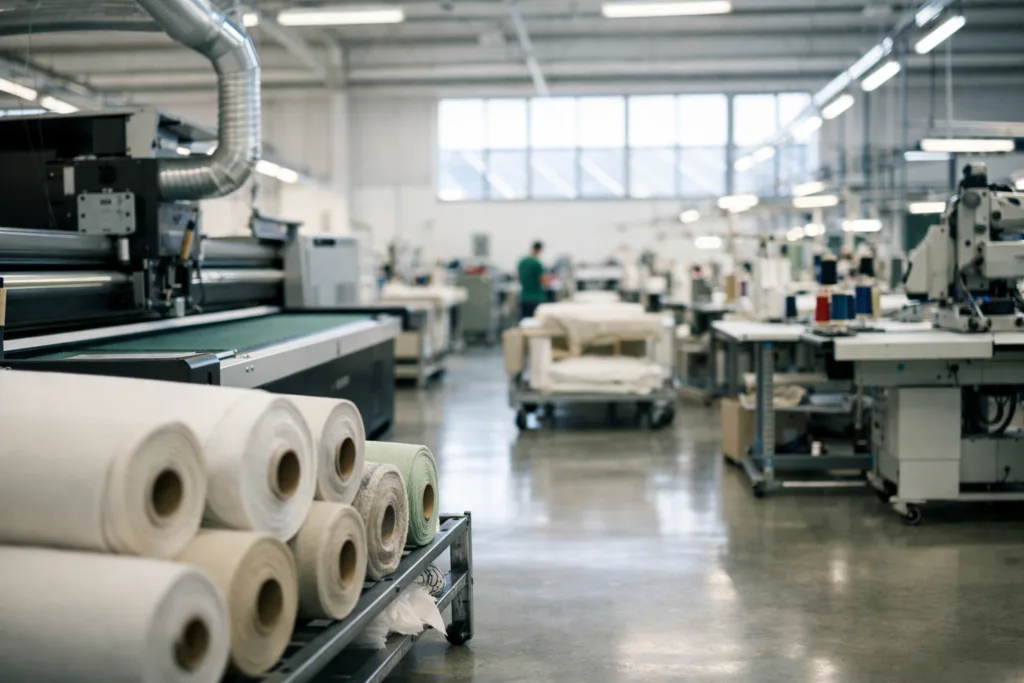
Portugal’s transformation from regional supplier to world-class sustainable luxury manufacturing hub didn’t occur overnight. Over the last decade, factories have heavily invested in low-impact technology and circular economy processes. Today, eco-friendly practices aren’t just a trend — they’re baked into every stage of apparel manufacturing here, from material selection to final finishing.
The Game Changer: Eco-Friendly Factory Systems
Cutting-edge Portuguese factories utilize renewable energy, closed-loop water recycling, and advanced emission controls. Increasing numbers hold certifications like GOTS, OEKO-TEX, and ISO, proving real commitment beyond marketing claims. Sustainability isn’t about compromise — it’s leveraged for better fit, softer fabrics, and durability that luxury buyers expect.
Made in Portugal: A Quality Benchmark
What sets Portugal’s high quality apparel apart? Precision patternmaking, skilled fits, and painstaking QC checks. Factories emphasize fabric honesty, using premium natural fibers, high-grade blends, and innovative eco-fabrics. Stitching is consistent; dyeing processes maintain color integrity over repeated washing. As one experienced production lead at Ninghow recently put it, “Fit is everything. If the pattern isn’t right, the whole line falls apart. To keep shrinkage and sizing accurate, we test every new batch before final production.”
Inside Portugal’s Clothing Manufacturers: Behind-the-Scenes
Portugal’s apparel factories range from high-tech plants to artisanal workshops. Common to all are careful sourcing of ethical materials, skilled teams, and transparent process controls. Let’s break down the typical production flow employed by eco-friendly factory specialists:
- Material sourcing: GOTS-certified organic cotton, recycled polyester, high-grade linen, TENCEL, and hemp
- Pattern development: Digitalized CAD, efficient sampling, and iterative adjustments
- Sewing: Tech-driven precision, low-waste cut plans, and strict seam QC
- Finishing: Low-water dyeing, chemical-free washing, and automated packaging
Fabric Selection for Sustainable Luxury
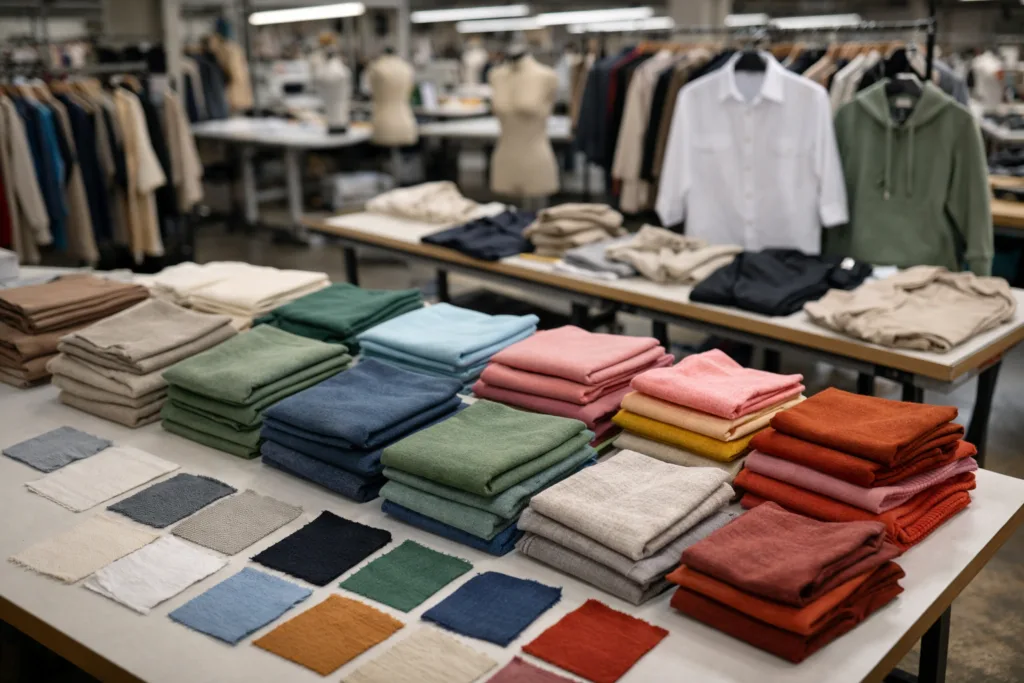
Portuguese factories excel in sourcing and handling luxury eco-fabrics. Whether you’re searching for premium organic knits, custom-woven hemp, or lightweight viscose with minimal processing, you’ll find options tailored for high-end markets. If you need expert advice, start with fabric manufacturing guidance to identify what’s best for your project and branding.
Sampling and Customization: Ensuring the Perfect Fit
Luxury means customization. Portuguese makers offer detailed sampling rounds, digital fit assessments, and branded trim options (labels, closures, embroideries). Their flexible approach lets brands order small MoQs or scale up as needed. For accurate size grading and adjustment, explore custom sizing processes that facilitate international market launches.
Sustainability Standards & Certifications Explained
Portuguese manufacturers are recognized for rigorous sustainability standards. These companies are often members of the Better Cotton Initiative, and use certified organic or recycled materials exclusively. High visibility certifications include:
- Global Organic Textile Standard (GOTS)
- OEKO-TEX Standard 100
- ISO 14001 Environmental Management
- European Ecolabel
Quality Control: From Stitch to Store
Reliability is key at every stage — and that’s why Portugal’s factories adopt multi-stage QC processes. Stitch consistency, color matching, and fit are checked before shipment. Brands can rely on processes described in apparel manufacturing quality control manuals, ensuring every piece meets exacting standards.
Comparing Portugal to Other Sourcing Destinations
Why choose Portugal over Turkey, Bangladesh, or China? Below, a comparison table highlights the most important factors for luxury and sustainable brands:
| Factor | Portugal | Turkey | China | Bangladesh |
|---|---|---|---|---|
| Lead Time | 2-6 weeks | 3-8 weeks | 4-12 weeks | 6-14 weeks |
| Quality Consistency | High | Good | Varies | Good |
| Sustainability | Best-in-class | Strong | Improving | Entry-level |
| Eco Certifications | Common | Some | Varied | Rare |
| Labor Conditions | European standards | Mixed | Varied | Mixed |
Key Production Steps for High Quality Apparel in Portugal
Design Finalization
Portuguese manufacturers are adaptive, working closely with brand design teams. Digital tools allow for remote collaboration and real-time editing, keeping styles current and mistakes at bay.
Prototyping & Sampling: A Shop-Floor Perspective
Each prototype moves through several iterations, with technical teams adjusting measurements for international fit differences. Pattern corrections keep shrinkage under control. As Ninghow’s specialists note, strict sampling helps flag potential QC issues early, especially for complex eco-blends prone to warping or dye variation.
Bulk Production: Speed, Scale, and Sustainability
Factories in Portugal balance fast lead times with environmental responsibility. Automated sewing lines and energy-efficient dye houses ensure consistency, while batch testing is routine to avoid costly defects.
Cost Breakdown: Premium, But Predictable Value
Luxury pricing in Portugal is justified by:
- Fair European wages
- Low-carbon processing
- High-end material costs
- Thorough QC and certifications
While minimum order quantities can be flexible for bespoke projects, expect premium pricing to reflect the true cost of quality. Brands appreciate predictable billing and transparent contracts, unlike frequent surprises seen elsewhere.
Logistics & Lead Times: Speed Meets Consistency
Portugal excels in timely delivery, aided by efficient road, rail, and port infrastructure. Brands sourcing from these factories often report lead times of 2–6 weeks, with less risk of delays linked to customs or global constraints.
Case Studies: Luxury Meets Eco-Conscious Manufacturing
Premium global fashion houses (and rising startups) typically find their signature feel in Portugal. For example, luxury shirt brands appreciate the precise flatlock seams, while athleisure brands value premium recycled stretch blends and moisture-control tech. Whether producing tailored streetwear or delicate resort collections, Portugal’s factories adapt quickly to branding needs and certified eco-materials.
Niche Examples: From Organic Basics to Bespoke Streetwear
Some Portuguese manufacturers focus exclusively on organic cotton knits, while others pride themselves on advanced sublimation printing for technical sportswear. For smaller lines or first-time collections, Portugal offers access to design guidance, pattern development, and scalable production. Experienced partners like Ninghow, for instance, stress that staying close to the design process in sampling rounds is key—especially when working with new eco fabrics (where shrinkage rates or color shifts are common problems that must be ironed out before bulk production).
Pitfalls to Avoid When Sourcing in Portugal
- Overlooking MOQ rules: Not all factories cater to startup batch sizes
- Assuming all factories hold certifications: Always ask for documented proof
- Neglecting fit testing across EU/US/Asia sizes
- Skipping on-site audits — plan factory visits where possible
- Underestimating complex paperwork (especially for private label customs)
Best Practices for Sourcing: 2026 and Beyond
- Request traceability data for materials
- Review digital samples and request physical prototypes
- Use structured contracts with QC benchmarks
- Budgets for flexibility: factor in sampling and pattern development costs
The Future: Portugal’s Role in Sustainable Fashion
Portugal is not standing still. Factories are piloting AI-driven pattern automation, more biodegradable packaging, and expanded use of closed-loop fiber blends. These moves put Portugal ahead in the race for genuinely sustainable luxury apparel, making it the reference point for brands looking to offer both style and substance in every garment.
Predictions for 2027 and Beyond
- More traceable supply chains (blockchain-based tracking, digital passports)
- Automated fit tech to reduce returns
- Stricter environmental legislation, requiring advanced eco-compliance
As eco-friendly manufacturing goes mainstream, Portugal remains positioned as a premium supplier delivering both sustainable credentials and luxury craftsmanship.
Conclusion: Portugal Manufacturing — The Hub for Sustainable Luxury
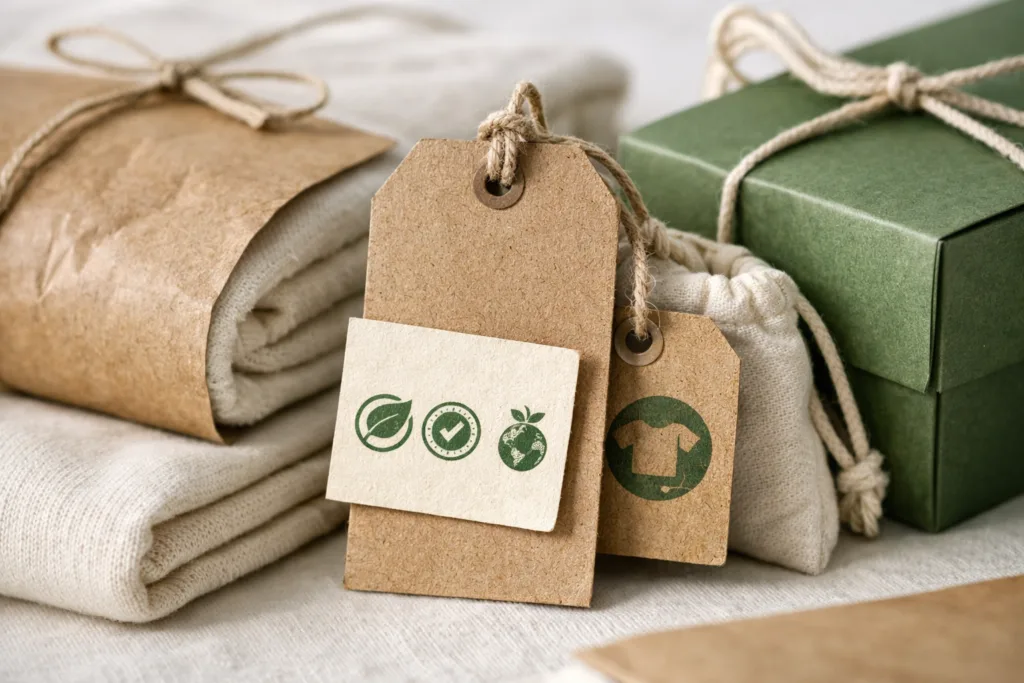
Portugal’s clothing manufacturers set the gold standard for sustainable luxury, offering brands production with ethical substance and premium results. Eco-friendly factory practices, high quality apparel, and trustworthy QC make Portugal the clear choice for collections looking to blend style, substance, and social responsibility. Whether you’re developing your first line or scaling a global label, selecting Portuguese partners means your brand is built on transparency, repeatable quality, and values that resonate with today’s market.
Frequently Asked Questions
Why are clothing manufacturers in Portugal considered sustainable?
Portugal’s factories focus on eco-friendly materials, renewable energy, and certified practices, ensuring green standards are met at every step.
What types of high quality apparel can be produced in Portugal?
Portugal specializes in luxury knitwear, premium streetwear, tailored basics, and technical sportswear using advanced fabrics and finishing.
How do Portuguese factories support eco-friendly production?
They implement water recycling, clean energy, closed-loop systems, and strict materials sourcing to lower their environmental impact.
Are small orders possible in Portugal’s factories?
Many factories accept low MOQ for customized or startup projects, but it varies; always confirm minimums in advance.
Can I request custom sizing and patterns?
Yes, most Portuguese makers offer detailed sampling, pattern adjustment, and global sizing services for brand differentiation.
What certifications should I look for with Portuguese clothing manufacturers?
Key certifications include GOTS, OEKO-TEX, ISO 14001, and BCI, validating ethical and sustainable manufacturing standards.
Related Reading
- How Turkish Denim Achieved Elite European Sourcing in 2026
- Sustainable T Shirt Production: What’s Possible in Modern Factories?
- Smarter, Faster, Better: The New Age of Hoodie Manufacturing Technology
- Unlocking Hemp Fabric: Eco Properties and Brand Benefits
- How to Choose the Right Clothing Manufacturer for Your Brand