
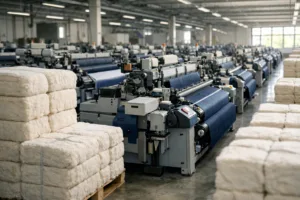
Introduction: Manufacturing in Turkey—Quality Denim and Nearshoring for Europe
Over the past decade, apparel brands across Europe have shifted focus toward sourcing from Turkey, drawn by the region’s premium cotton quality, world-class denim expertise, and proximity offering unmatched shipping speed. In 2026, Turkish clothing manufacturers represent a vital link for European brands aiming to combine trend-responsive agility with supply chain reliability. This article digs into why Turkish denim, manufacturing methods, and nearshoring logistics deliver strong advantages for apparel businesses seeking efficiency, quality, and market success with European sourcing.
Turkey’s Strategic Position in European Sourcing

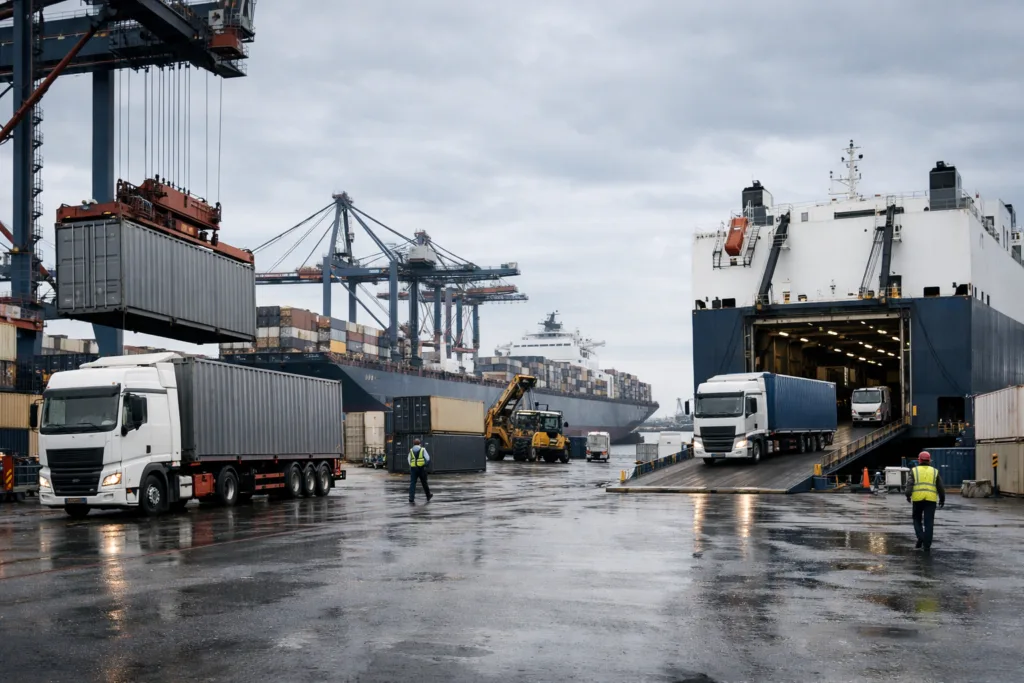
Turkey’s unique geographic location—gateway between Europe and Asia—makes it a natural nearshoring hub. Close proximity enables just-in-time delivery and easy collaboration on samples and bulk orders, sparking interest among brands who value speed and flexibility with their supply chain. Turkish ports and infrastructure facilitate efficient import/export processes, and many factories are set up to communicate effectively with EU buyers.
The Importance of Premium Turkish Cotton for Denim Manufacturing
Turkey is famed for its high-grade, long-staple cotton, a fact well-known among denim professionals. Superior fiber length and purity allow for durable, soft fabrics that define high-quality jeans and jackets. Turkish mills invest in local raw material sourcing, tested ginning, and strict fiber traceability systems—outpacing many global competitors.
Key Cotton Regions
- Aegean region: Noted for extra-long staple fibers
- Southeast Anatolia: Bulk production, robust supply chains
- Central Turkey: Smaller family farms with ultra-premium yields
Why Fiber Quality Matters for Denim
Longer cotton fibers knit smoother denim, minimize pilling, and respond better to wash treatments. Turkish mills often emphasize a true, honest composition—a focus Ninghow shares in ensuring consistent physical properties from batch to batch, giving buyers predictable results with each production run.
Turkish Denim Manufacturing: Tradition Meets Technology
Denim manufacturing in Turkey blends heritage craftsmanship with modern innovation. Many factories operate air-jet looms, employ advanced washing techniques (ozone, laser, and ecological processes), and leverage IT-driven quality control post-finishing. Traditional artistry, like hand-distressing and custom dye recipes, persists alongside digitized cutting and pattern matching.
Signature Turkish Denim Techniques
- Rope-dyeing: For high-contrast indigo fades
- Eco-enzymatic washes: Minimizing water and chemical use
- Advanced laser finishing: Replicates complex abrasion patterns
- Detailed fit grading: European size optimizations
Logistics Advantage: Speedy Delivery to Europe
Turkey’s logistical infrastructure provides unmatched speed for European sourcing. With direct highway, rail, and sea links into the EU, delivery times from cut to ship are weeks faster than Asian sourcing alternatives. This agility allows brands to respond faster to fashion trends or replenish bestsellers within the season—critical for ecommerce-driven and omnichannel retail.
| Region | Lead Time (avg.) | Shipping Method | Sample Turnaround |
|---|---|---|---|
| Turkey | 15-25 days | Road/Ro-Ro Sea | 5-8 days |
| Bangladesh | 40-60 days | Ocean | 10-15 days |
| China | 35-55 days | Ocean/Air | 8-14 days |
Denim R&D Hubs: Innovation Beyond Tradition
Turkey’s leading mills operate in-house R&D labs, collaborating with global brands on new finishes, sustainable dyes, and technical compositions. These hubs are increasingly important for buyers needing custom developments—such as recycled blends, unique fade profiles, and stretch formulations adapted to European fit standards.
Collaboration Models for Brand Sourcing
- Joint fit sample development
- Custom wash prototype refinement
- Lab testing for abrasion/pilling
Brands benefit from the hands-on, iterative feedback loop—manufacturers respond quickly to pattern, wash, and aesthetic tweaks compared to longer cycles in distant regions.
The Impact of Cotton Quality on Final Garment Performance
Denim isn’t just about style—it’s about durability, comfort, and wash integrity. Turkish cotton’s long-staple structure delivers garments that hold color, survive rough wear, and soften gracefully over time. For brands targeting the European market, this directly links to fewer returns, higher repeat purchases, and positive brand reputation.
Certifications, Sustainability, and Ethical Manufacturing in Turkey
Turkey’s top denim manufacturers routinely hold certifications like OEKO-TEX, GOTS, and BCI, meeting high EU sustainability standards. Many invest in water recycling, solar energy, and closed-loop systems, positioning themselves ahead in the global push for eco-responsible apparel. Buyers sourcing through reliable channels can access sustainable, traceable supply chains without sacrificing quality.
Choosing the Right Turkish Denim Manufacturer
Not all factories deliver the same level of quality, fit accuracy, or on-time shipment. Key criteria for choosing partners include transparent communication, proven track record, fabric selection expertise, and robust QC protocols. Working with a manufacturer familiar with the nuances of European sizing and fit standards—such as Ninghow’s hands-on approach to pattern consistency and trim selection—means far fewer costly errors.
Checklist for Sourcing Partners
- Proven cotton source traceability
- Modern finishing equipment
- EU-compliant certifications
- Sample approval and feedback
- Clear contract and lead times
It is wise to assess the manufacturer’s quality control process when shortlisting your supplier.
Low MOQs and Startup-Friendly Options
Turkish factories are increasingly attentive to flexible MOQs (Minimum Order Quantities), catering to startups or boutique brands that can’t commit to massive bulk runs. Many provide tiered pricing, small-batch sampling, and customization services to help new entrants establish themselves.
Those exploring private label or custom design options should consider the custom clothing manufacturer solutions that allow for brand differentiation and agile launches.
Comparing Turkish Manufacturing with Asian Alternatives
Turkey competes fiercely with Asian manufacturing hubs. While Asia remains dominant for ultra-high-volume and price-driven product categories, Turkey wins on quality, flexible runs, and time-to-market for European buyers. The region’s workforce is highly skilled in both manual and automated denim processes, and technical know-how in fit and trims is often superior for EU specifications.
| Criteria | Turkey | Asia (China/Bangladesh) |
|---|---|---|
| Cotton quality | Premium, long staple | Varied, mostly short/medium |
| Delivery speed (EU) | Rapid: 2-4 weeks | Slow: 4-8 weeks |
| MOQ flexibility | Startup-friendly | Often high |
| Fit accuracy | European standards | Asia standards (varied) |
| Wash R&D | Advanced, collaborative | Depends on vendor |
Sustainable Denim: Towards Net Zero
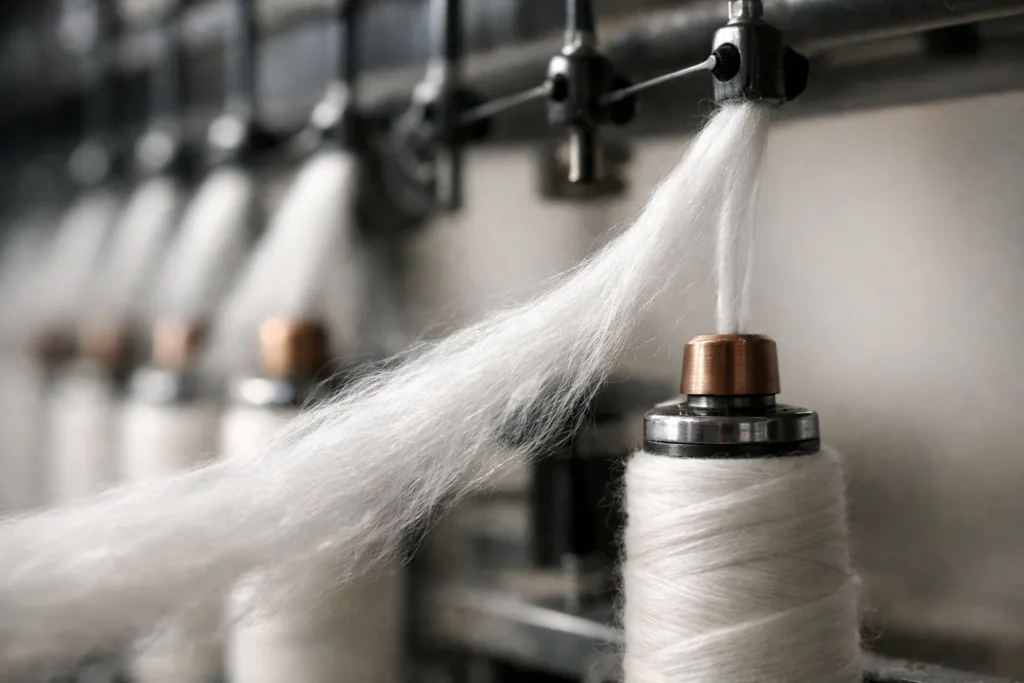
Many Turkish denim mills integrate recycled fibers, closed-loop water systems, and low-impact dyes. Brands can request blends of organic, recycled, or hemp-based denim, backed by certifications and third-party audits. Traceability tools let buyers monitor environmental impact from cotton farm to final shipment.
Differentiating Your Brand with Turkish Denim
Using Turkish denim helps European brands build distinct value propositions: authentic stories of local craft, eco credentials, and rapid turnaround. In a market crowded with uniform production, Turkish manufacturing offers the flexibility to innovate on washes, trims, labels, and fit—key factors for standing out.
Collaboration and Communication: Tips for Smooth Projects
Frequent, detailed communication—sharing tech packs, sample feedback, and forecast data—helps keep Turkish manufacturing projects on track. Site visits are common, but remote collaboration works well too, leveraging digital approvals and real-time video QC sessions. Ninghow, as a garment manufacturer, recommends setting clear documentation standards and using pre-approved test samples for every new style to avoid misunderstandings and delays.
Lead Times, Payment Terms, and Risk Management
Lead times are typically 15–25 days for standard products and 25–35 days for complex washes. Payment practices align with EU norms—30% deposit and balance on shipment or after inspection. Brands can further mitigate risk by using independent QC, clear contracts, and progressive sample approvals.
Sampling, Fit, and Size Grading for EU Markets
Developing the right fit is critical. Turkish pattern teams use sophisticated grading for European sizes. Agile factories can iterate samples quickly, responding to feedback and localizing specs for target markets in France, Germany, Sweden, or the UK. Brands new to this process can review guides on clothing customization and sizing solutions to boost fit consistency and sales.
Popular Fashion Styles and Washes in Turkish Denim
Europe’s fashion landscape favors trends like mid-rise straight jeans, relaxed fits, vintage fades, and gender-neutral silhouettes. Turkish mills cater not only to classics, but also experiment with washes—acid, sandblast, eco-friendly enzyme, and even colored denim/black overdyed fabrics.
Trending Styles (2026)
- Baggy and carpenter jeans
- Colour-washed ‘90s vintage looks
- Minimalist jacket structures
- Raw edge and selvedge details
Quality Control and Returns: Minimizing Risk
Turkish factories operate multi-stage QC: from spinning, weaving, and dyeing to finishing, stitching, and packing. EU buyers often request third-party audit reports and can negotiate returns/replacement for defects. Consistent quality control saves brands thousands in lost revenue and bad reviews.
The Role of Trims, Stitching, and Detailing in Turkish Manufacturing
Technical trims—YKK zippers, reinforced rivets, custom thread—elevate denim appeal and function. Factories take pride in precise, durable stitching and professional finish. It pays off with garments that look and perform consistently for discerning consumers who notice the difference between good and great denim.
Adapting to Fast Fashion and E-Commerce Demands
Turkey’s speed and flexibility support rapid style launches for online storefronts. Weekly sample runs, quick feedback loops, and dynamic warehousing make Turkish denim a favorite among direct-to-consumer and influencer-driven labels.
The Future of Turkish Denim and European Nearshoring
Heading into 2027, Turkey’s denim sector is set to expand with AI-enabled process optimization, full-farm traceability, and further sustainability upgrades. European brands benefit from supply chain resilience, regional branding, and lower carbon footprints.
Manufacturing in Turkey: Quality Denim and Nearshoring for Europe
Turkey offers European apparel brands a rare blend of high-quality cotton, advanced denim craft, and agile, regionally synced logistics. From fit development to QC, the Turkish advantage is clear for buyers who want premium product at speed, sustainable practices, and reliable communication. Choosing Turkey isn’t just about geographic proximity—it’s an investment in quality manufacturing, fashion-forward innovation, and flexible partnership for long-term brand growth.
Frequently Asked Questions
What makes Turkish denim ideal for European brands?
Premium cotton, advanced washes, and precise European fit grading make Turkish denim highly attractive for EU buyers. Faster shipping and reliable QC further enhance value.
Which regions in Turkey produce the best cotton for denim?
The Aegean region offers extra-long staple fibers, while Southeast Anatolia supports high-volume, robust supply. Central Turkey’s smaller farms yield ultra-premium cotton.
How fast can Turkish manufacturers deliver bulk denim orders to Europe?
Bulk denim shipments can reach most EU destinations in 2–4 weeks, much faster than most Asian competitors, thanks to Turkey’s advanced logistics and transport links.
Can Turkish denim factories handle low MOQ or startup orders?
Yes, more Turkish factories now offer flexible MOQs and support small-batch orders, making them ideal for startups and boutique brands entering the market.
What sustainability certifications do Turkish denim mills usually hold?
Major Turkish mills hold OEKO-TEX, GOTS, and BCI certifications, using water-saving processes and recycled fibers to meet EU eco standards and buyer expectations.
How do brands ensure quality control when working with Turkish manufacturers?
Brands can request sample approvals, third-party QC audits, and detailed feedback loops throughout the process. Clear contracts and progressive sample checks help minimize risks.