
Introduction: Why Bangladesh Leads in Knitwear Manufacturing
The phrase Made in Bangladesh: Sourcing Knitwear and Volume Basics resonates globally with brands that want high-volume production and competitive pricing. In 2026, the Bangladesh garment industry, RMG sector, and the country’s reputation for low cost manufacturing remain at the core of apparel sourcing strategies for brands focused on value-driven, large-batch basics. But what really makes Bangladesh the go-to hub? Let’s break down what buyers need to know for a successful sourcing journey.
Understanding the Bangladesh Garment Industry
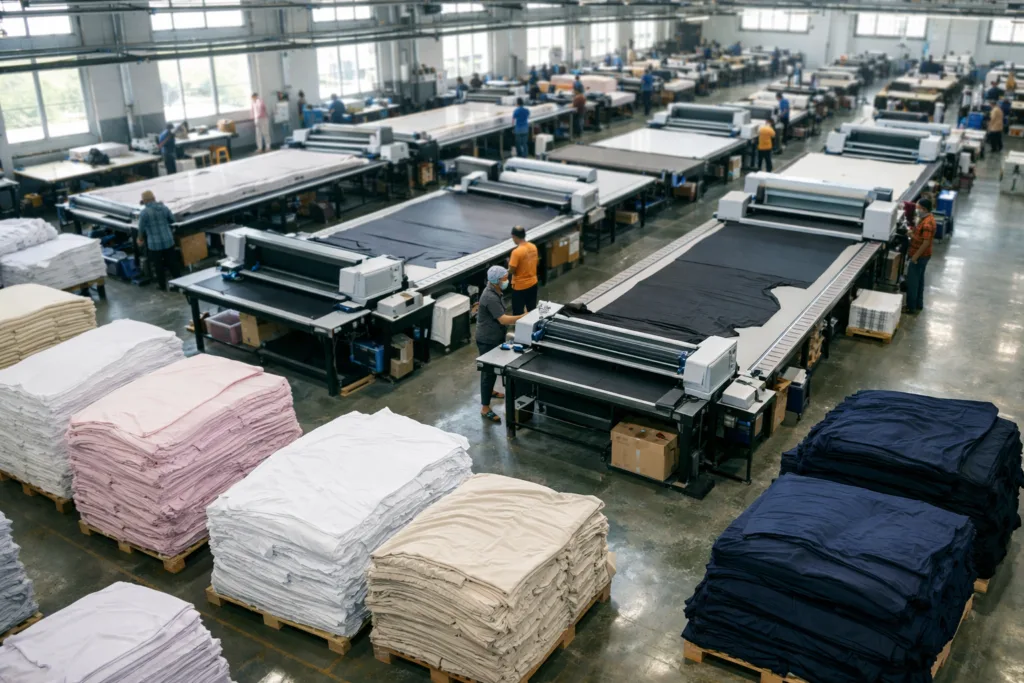
Bangladesh’s garment factories are known for high capacity, consistency, and a deep commitment to affordable volume basics. The RMG (readymade garment) sector covers everything from T-shirts to hoodies. Nearly 85% of the country’s export earnings now come from clothing manufacturing. This means an ecosystem optimized for low minimum order quantity (MOQ) solutions and volume efficiency.
The Ready-Made Garment (RMG) Ecosystem
The RMG industry is an interconnected network of spinning mills, dye houses, sewing lines, accessory suppliers, and international logistics partners. This results in streamlined production and predictable timelines for bulk orders—a big win for brands looking to source custom T-shirts at scale.
Competitive Advantages in Basic Apparel
Bangladesh stands out in manufacturing basic knitwear—T-shirts, polos, hoodies, sweatshirts, and track trousers. With a focus on high efficiency and cost management, suppliers here can offer unbeatable base prices for brands chasing volume. Labor availability, skill-building programs, and an export-driven focus create a workforce tailored for garment assembly.
Low Cost Manufacturing: Key Drivers and Realities
Low cost manufacturing isn’t just about wages. It’s about process control, lean operations, and supply chain maturity. Bangladesh factories excel due to:
- Access to regional cotton and yarn
- Government export incentives and duty advantages
- Decades of specialization in essential, standardized clothing
- Shared infrastructure reducing logistics costs
For further details about cost calculations in apparel manufacturing, brands can reference About Fabric & Clothing Manufacturing.
Volume Economy of Scale: MOQ and Pricing
Bigger orders almost always translate to reduced per-piece cost—Bangladesh factories are built for this philosophy. While smaller MOQs are increasingly offered, the RMG sector’s true advantage is unleashed at high batch sizes (5,000–100,000 units).
The Most Sourced Knitwear and Basics: Product Profiles
Knitwear basics are the lifeblood of RMG. Here’s a look at essential products and some volume-optimized manufacturing details:
| Product Type | Typical MOQ | Volume Pricing Feature |
|---|---|---|
| T-Shirts | 1,000–10,000 units | Bulk dyeing, automated cutting |
| Polo Shirts | 2,000–5,000 units | Rib collar/hem, flatlock stitching |
| Hoodies/Sweatshirts | 800–5,000 units | Fleece blends, bulk packaging |
| Track Trousers/Shorts | 1,500–7,000 units | Elastic/drawcord trims included |
Product Customization for Volume Orders
While Bangladesh is famous for basics, the sector offers customizations like embroidery for polo shirts or unique prints on sweatshirts. The key: detailed tech packs enable factories to plan materials and allocate capacity.
Sourcing Strategies: Cost, Quality, and Predictable Lead-Times
Success in sourcing from Bangladesh often comes down to balancing cost goals with reliable quality and delivery. Here’s how top brands manage it:
- Define exact product standards and clear QC checkpoints
- Partner with proven factories: relationships matter for repeat batches
- Build in production buffer time around peak export periods
- Use detailed contract terms for price, trims, labeling, and changes
Key Risks and How to Manage Them
Potential risks include miscommunication, inconsistent dye lots, and delayed shipments. Mitigation includes regular audits, on-site QC, and clear escalation procedures. Factories with high export credibility are less likely to cut corners.
Inside the Factory: Practical Insights from Production
The production floor in Bangladesh is a scene of split-second efficiency. Large open spaces, groups of specialized cutters and sewers, and highly-organized finishing lines. For example, at Ninghow (a manufacturer operating in Asia), we see success stories when overseas buyers send approved samples and clear bulk requirements. This minimizes surprises and keeps fit specs standardized, especially across big runs of T-shirts and hoodies.
Sampling and Fit Approvals
The best results come when sample making is prioritized. Sampling rounds iron out issues with size, print, or embroidery before mass cutting starts. Buyers that skip this step often face uniformity complaints later in the process.
Bangladesh vs. Other Manufacturing Hubs: Cost and Capability Comparison
| Country | Typical Product Type | Lead Times | Cost Level | Volume Focus |
|---|---|---|---|---|
| Bangladesh | T-shirts, basics, hoodies | Mid/Long (4–12 weeks) | Very Low | High (best for 5k+ units) |
| China | Fashion & tech-intensive | Fast–Mid | Low–Mid | Flexible (1k–20k units) |
| Vietnam | Sport/athleisure, footwear | Mid | Low–Mid | Growing for basics |
| Turkey | Fast-fashion, knits | Very Fast (2–6 wks) | Mid–High | Low-Mid MOQs |
When to Choose Bangladesh for Sourcing
Bangladesh is the optimal choice for high-volume, low-unit-price basics with standardized fits. It’s less suited for high-fashion short runs or urgent shipments. For strategy comparisons, check guides like Vietnam’s Surge in Apparel.
Quality Control and Consistency: Foundation for Global Brands
Global brands value predictable quality. Professional QC teams inspect fabric, stitching, trims, and packing at each stage. Audits cover chemical safety, size tolerance, and weight standards. This diligence is why global giants continue to trust Bangladesh.
Common Quality Issues and Fixes
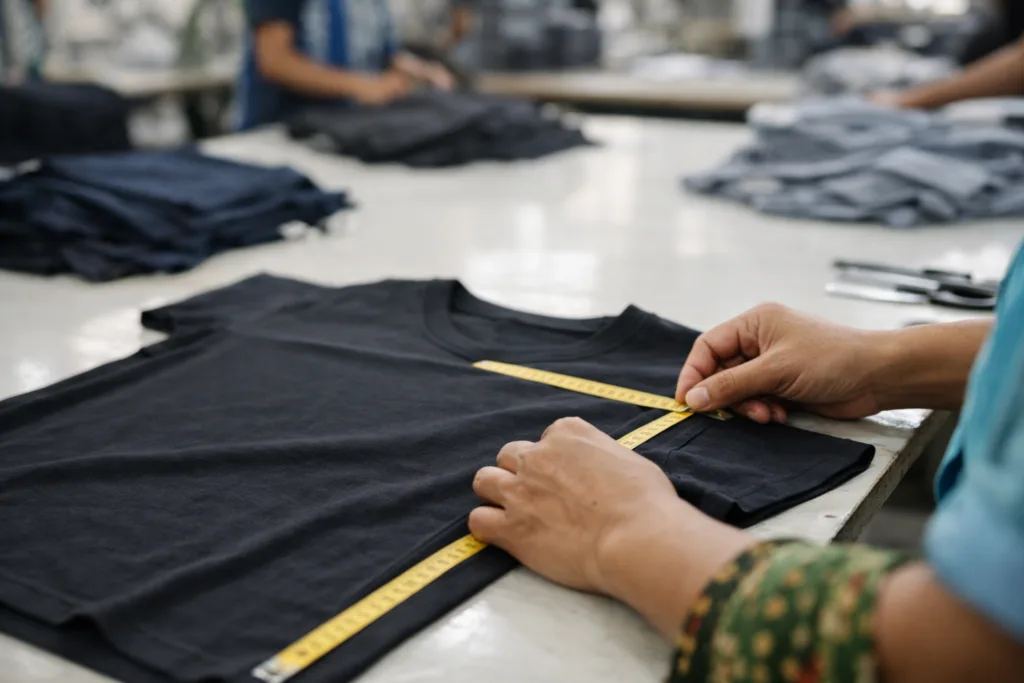
Issues such as twisted seams, off-tone dyes, and misapplied labels are addressed by pre-shipment inspections and inline checks. Experienced manufacturers add on-the-floor supervisors to monitor stitching and finishing—key for avoiding costly defects.
What Brands Need: Materials, Trims, and Sizing for Basics
Volume basics demand simple, reliable textiles: single jersey cotton, poly-cotton blends, or brushed fleece. Accessories (labels, drawcords, zippers) are managed in bulk purchases for better cost. Advancements in digital pattern making help maintain sizing consistency.
Fit Accuracy in Large Runs
Small size skew errors can multiply into thousands if unchecked. Factories like Ninghow invest in reference samples and data-driven grading to deliver what buyers expect—garments that match charts across all cartons.
Planning Orders: Lead Times, Shipping, and Cost Structure
Bangladesh works to longer lead times than some competing hubs, typically 4–12 weeks for basics. Strategic buyers plan three months ahead, and book shipping as early as possible to secure affordable rates. Production calendars matter—festive seasons and climate can add weeks to the process. To help streamline this, many manufacturers outline their full quality control and production workflow in advance for clients.
Shipping Options and Typical Timelines
Most bulk basics ship via ocean freight (20–35 days) for price-sensitive buyers. Air freight is reserved for urgent replenishments, which can be 5–8x more expensive per carton.
The Role of Certifications: Compliance and Sustainability
For entry to the EU and US, social and safety compliance is non-negotiable. Common certifications include WRAP, BSCI, GOTS, and Oeko-Tex. These ensure factories are safe, ethical, and environmentally responsible. Many brands now request certified recycled yarns or eco-finishes, especially for basics lines with sustainability goals.
Sustainable Sourcing in Low-Cost Hubs
The trend toward sustainable basics is growing. Some Bangladesh factories offer organic yarn, water-based prints, and recycled packaging. While this adds 4–10% to costs, many buyers see it as mandatory to meet consumer expectations.
How to Communicate with Bangladesh Factories for Volume Orders
Clear, concise communication prevents most production pitfalls. Best practices include:
- Sending detailed tech packs: line art, size specs, material callouts
- Requesting PP (pre-production) samples and sealed reference sets
- Specifying pantone and packaging details in writing
- Building a bilingual WhatsApp group for quick approvals and escalation
Challenges and Language Barriers
Some miscommunication still occurs—especially around color matching and trims. Visual references and clear labeling of preferred/alternative materials reduce confusion. Regular video calls help maintain alignment across long production runs.
Made in Bangladesh: Sourcing Knitwear and Volume Basics

To sum it up, Bangladesh remains the competitive edge for brands sourcing basics and knitwear at the lowest possible price per unit. With factory capacity, focused expertise, and a proven export ecosystem, the path from tech pack to global delivery is well traveled—if you follow the playbook for quality, communication, and foresight. From cost structure to sampling, Bangladesh excels where scale and standardization matter most. The next innovation wave? More sustainable options and integrated tech for even greater efficiency in basics production.
Frequently Asked Questions
What is the minimum order quantity (MOQ) for sourcing basics from Bangladesh?
Most factories offer MOQs starting at 1,000 units per color/style for basics like T-shirts, but greater price advantage starts at higher volumes (5,000+).
How long do bulk orders usually take to produce in Bangladesh?
Lead times range from 4 to 12 weeks depending on factory capacity, order size, and the season. Planning ahead secures smoother timelines.
How does Bangladesh ensure quality in large orders?
Experienced QC teams, pre-production and inline inspections, and detailed buyer specifications help maintain quality and uniformity throughout big production runs.
Are Bangladesh factories suitable for sustainable and organic basics?
Many now offer organic cotton, recycled poly, and eco-certifications, though these options may cost slightly more than standard lines.
What’s the best way to manage communication with Bangladesh manufacturers?
Provide clear tech packs, request samples before bulk, and maintain direct communication through email and dedicated chat groups to quickly resolve questions.
How does pricing in Bangladesh compare to China or Vietnam for basic knitwear?
Bangladesh generally offers lower per-unit costs for large-volume simple basics, while China and Vietnam have more flexibility for small runs and complex items.
Related Reading
- Is China Still the World’s Factory? The 2026 Outlook for Apparel Brands
- Choosing a Manufacturing Partner: Expert Advice for New Clothing Brands
- From Prototype to Production: Your Launch Timeline, Explained
- 2025’s Top Shorts Styles Buyers Want Now
- Step-by-Step Guide to Launching Your Clothing Drop Successfully