
Introduction
The fashion industry is one of the largest polluters in the world, but the rise of sustainability in clothing manufacturing is changing that. As more brands and consumers prioritize eco-friendly and ethical choices, sustainable clothing manufacturers are leading the way in reducing waste, conserving resources, and promoting fair labor practices.
If you’re looking to partner with a manufacturer that aligns with sustainable values, this guide explores the key elements of sustainable clothing manufacturing, why it matters, and how businesses and consumers can contribute to a greener fashion industry.
What is Sustainability in Clothing Manufacturing?
Sustainability in clothing manufacturing refers to eco-conscious production practices that minimize harm to the environment while ensuring ethical treatment of workers. It includes:
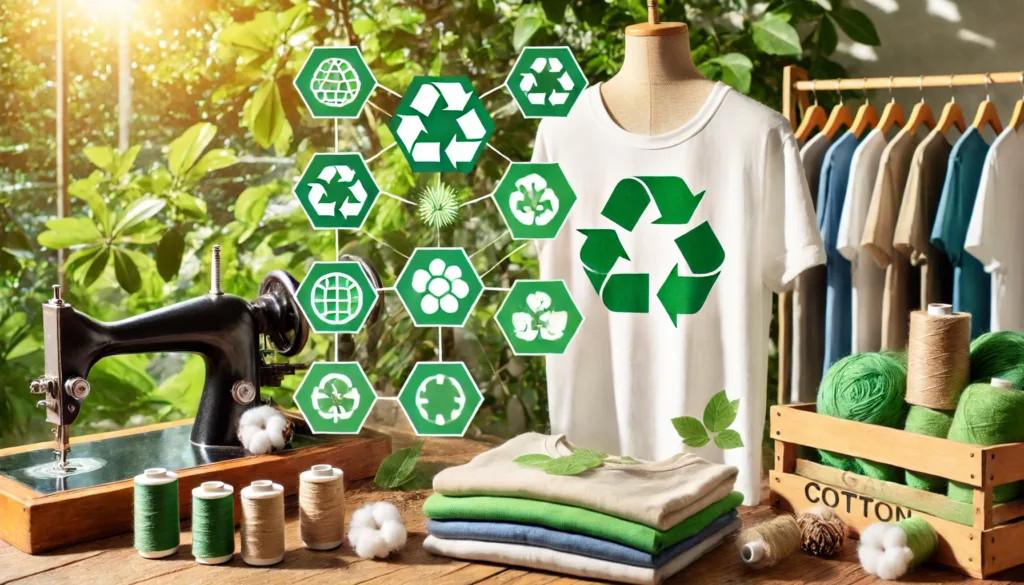
🌱 Eco-friendly materials (organic, recycled, biodegradable)
💧 Water and energy conservation
♻ Waste reduction and recycling
👕 Ethical labor practices
By adopting sustainable practices, manufacturers help reduce pollution, conserve resources, and create high-quality, long-lasting clothing.
The Environmental Impact of Fast Fashion
Fast fashion has created a cycle of overproduction and waste, leading to severe environmental consequences:
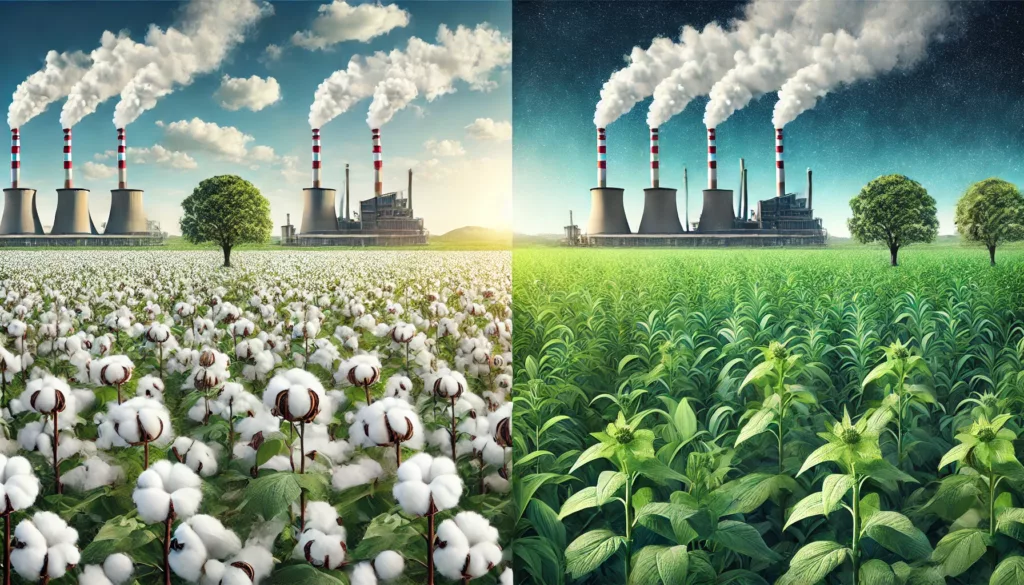
❌ Water pollution: Textile dyeing is the second-largest water polluter worldwide.
❌ Carbon emissions: The fashion industry accounts for 10% of global CO₂ emissions.
❌ Excess waste: Over 92 million tons of textile waste end up in landfills yearly.
Switching to sustainable clothing manufacturers helps combat these issues by promoting responsible production and consumption.
Why Choose a Sustainable Clothing Manufacturer?
Partnering with a sustainable clothing manufacturer offers multiple benefits:
✅ Eco-friendly production that reduces environmental damage
✅ Ethical supply chains that support fair wages and safe working conditions
✅ High-quality, durable clothing that lasts longer than fast fashion pieces
✅ Positive brand reputation among conscious consumers
✅ Regulatory compliance with sustainability laws and guidelines
Consumers and businesses alike benefit from choosing environmentally and socially responsible manufacturers.
Key Elements of a Sustainable Clothing Manufacturer
A truly sustainable clothing manufacturer focuses on:
🔹 Eco-friendly fabric choices
🔹 Water and energy conservation
🔹 Zero-waste production models
🔹 Fair labor practices
🔹 Sustainable packaging solutions
By integrating these principles, they reduce carbon footprints while producing high-quality, ethical clothing.
Eco-Friendly Fabrics Used in Sustainable Manufacturing
Sustainable clothing manufacturers use fabrics that minimize environmental harm, such as:
- Organic Cotton:Grown without harmful pesticides or chemicals.
- Recycled Polyester:Made from recycled plastic bottles, reducing landfill waste.
- Bamboo Fabric:Naturally regenerative and requires minimal water.
- Hemp Fabric:Strong, biodegradable, and grows without pesticides.
- Tencel (Lyocell):A biodegradable, plant-based fabric with a closed-loop production process.
Using these fabrics ensures clothing is both high-quality and environmentally friendly.
Sustainable Dyeing and Printing Techniques
Traditional fabric dyeing consumes large amounts of water and releases harmful chemicals. Sustainable manufacturers adopt:
🎨 Low-water dyeing techniques
🎨 Natural plant-based dyes
🎨 Non-toxic and biodegradable inks
These methods reduce water pollution and minimize toxic waste in the environment.
Sustainable Packaging and Shipping Solutions
Eco-conscious manufacturers replace plastic packaging with:
📦 Biodegradable garment bags
📦 Recyclable paper-based packaging
📦 Compostable mailers
Additionally, carbon-neutral shipping options help further reduce environmental impact.
How Businesses Can Benefit from Sustainable Clothing Manufacturers
Brands that prioritize sustainability gain:
📢 Stronger brand loyalty from eco-conscious consumers
🌍 Lower carbon footprints and reduced regulatory risks
💰 Long-term cost savings by investing in durable, quality products
By working with sustainable manufacturers, businesses contribute to ethical fashion while enhancing their reputation.
Why Ninghow Apparel is a Leading Sustainable Clothing Manufacturer
At Ninghow Apparel, we are committed to sustainability through:
🌱 Eco-friendly fabric sourcing (organic cotton, hemp, recycled materials)
🌿 Zero-waste production techniques
💧 Water-saving dyeing processes
🛠 Ethical labor policies ensuring fair wages and safe working conditions
Our mission is to provide brands with high-quality, sustainable apparel that benefits both people and the planet.
Frequently Asked Questions (FAQs)
What makes a clothing manufacturer sustainable?
A sustainable clothing manufacturer prioritizes eco-friendly fabrics, ethical labor, waste reduction, and energy efficiency in production.
Are sustainable clothes more expensive?
While sustainable clothing can have a higher upfront cost, its durability, quality, and ethical production make it a long-term investment.
What fabrics are considered sustainable?
Fabrics like organic cotton, bamboo, hemp, recycled polyester, and Tencel are all eco-friendly choices.
How can businesses switch to sustainable clothing manufacturing?
Businesses can partner with ethical manufacturers, use recycled materials, and adopt sustainable packaging for their apparel.
What is the impact of sustainable clothing?
Sustainable clothing helps reduce waste, lower carbon emissions, and promote ethical labor practices, making the fashion industry more responsible.
Conclusion
Choosing a sustainable clothing manufacturer is a crucial step toward a greener, more ethical fashion industry. By embracing eco-friendly fabrics, ethical labor, and sustainable production, businesses and consumers alike can make a lasting impact.
Looking for a reliable sustainable clothing manufacturer?
📩 Contact Ninghow Apparel today to explore our eco-friendly production solutions! 🚀