


NINGHOW APPAREL / RESOURCES
Understand what sets the minimum—and when the clock starts.
An apparel MOQ or delivery estimate only becomes useful when its basis is clear. Compare style, material and customization requirements before comparing quantities or dates with Ninghow Apparel.
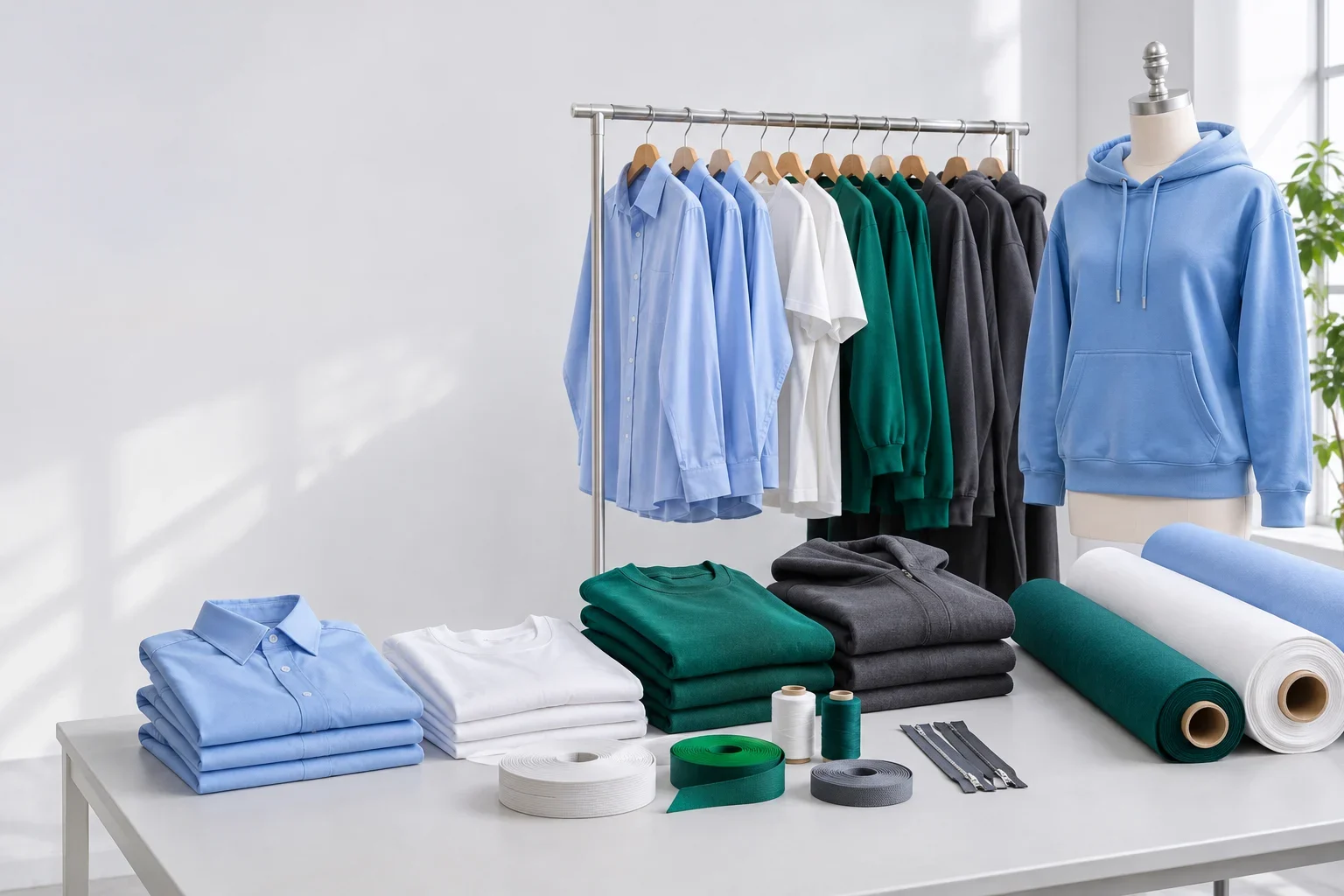
STYLE → MATERIAL → CUSTOMIZATION
A collection total does not define every minimum.
MOQ is the minimum accepted quantity for a defined order basis. Ask whether it applies per style, color, fabric or coordinated program. Mixed styles and colors do not automatically share one minimum.

MATERIAL
Fabric and trim requirements
Custom colors, fabric runs, zippers, labels and other trims can have separate sourcing minimums. Confirm availability and acceptable alternatives.
ASSORTMENT
Style, color and size allocation
Pattern setup, construction and small or uneven runs affect the proposal. State quantities by style, color and size rather than one collection total.
CUSTOMIZATION
Decoration and presentation
Artwork setup, decoration positions and branded packaging introduce their own requirements. Confirm which minimums apply to garments and which apply to components.
PROJECT TYPE / QUESTIONS TO RESOLVE
Compare projects by the work they need.
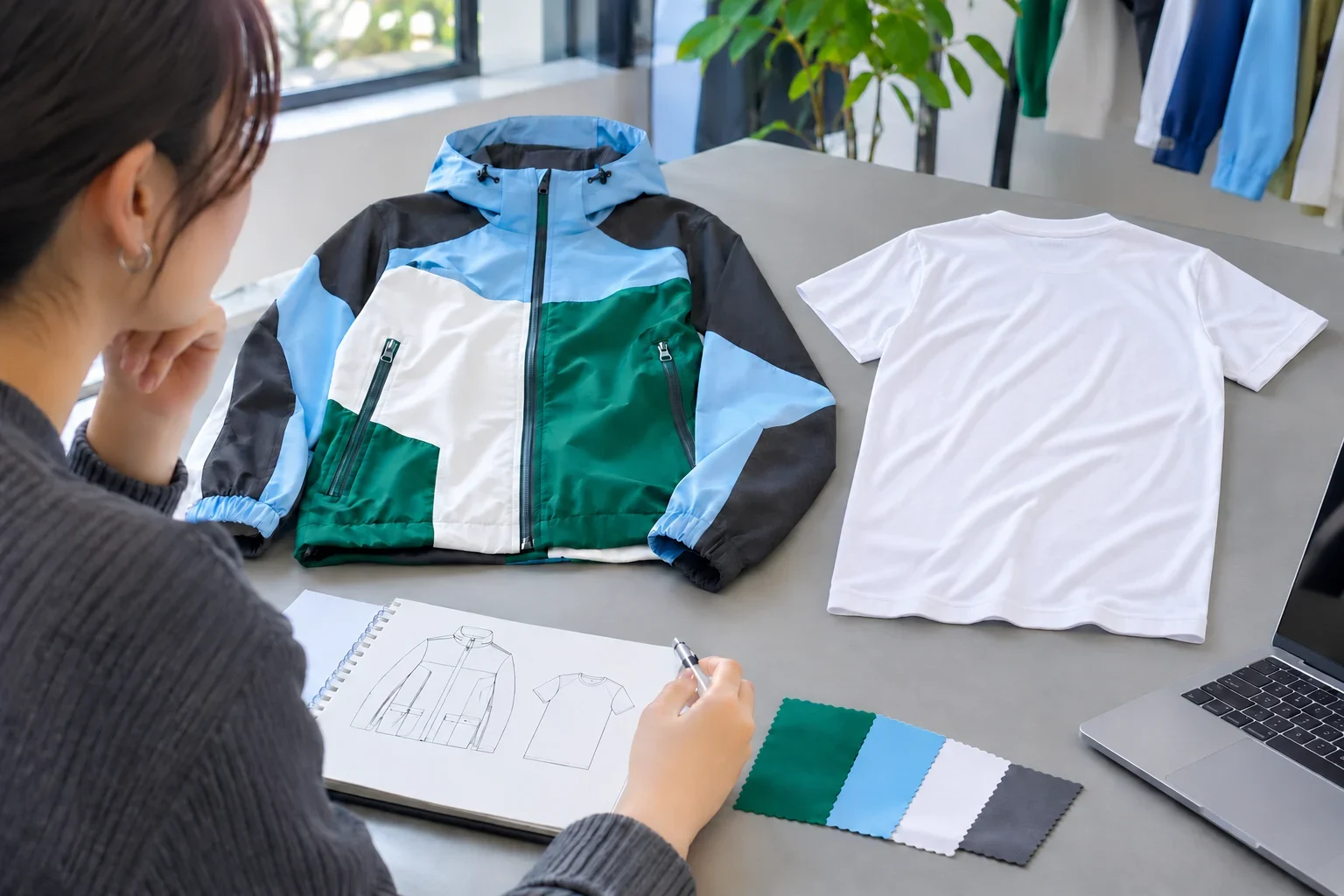
Garments with different constructions need different preparation. A reference image alone cannot establish the minimum or schedule.
DEVELOPMENT
New OEM or ODM garment
Clarify files, pattern work, materials, development ownership, revisions and approvals.
PRIVATE LABEL
An established garment direction
Confirm the base specification, branding, packaging and quantities; a familiar silhouette is not confirmation of stock.
PROMOTIONAL
An event or team order
Resolve artwork, wearer allocation and the arrival deadline together.
COLLECTION
Several coordinated styles
Check shared materials and separate style approvals before consolidating quantities.
REPEAT
A previously approved style
Reference the previous sample, then reconfirm current materials, changes and scheduling.
SAMPLE / PRODUCTION / DELIVERY
Keep three clocks separate.
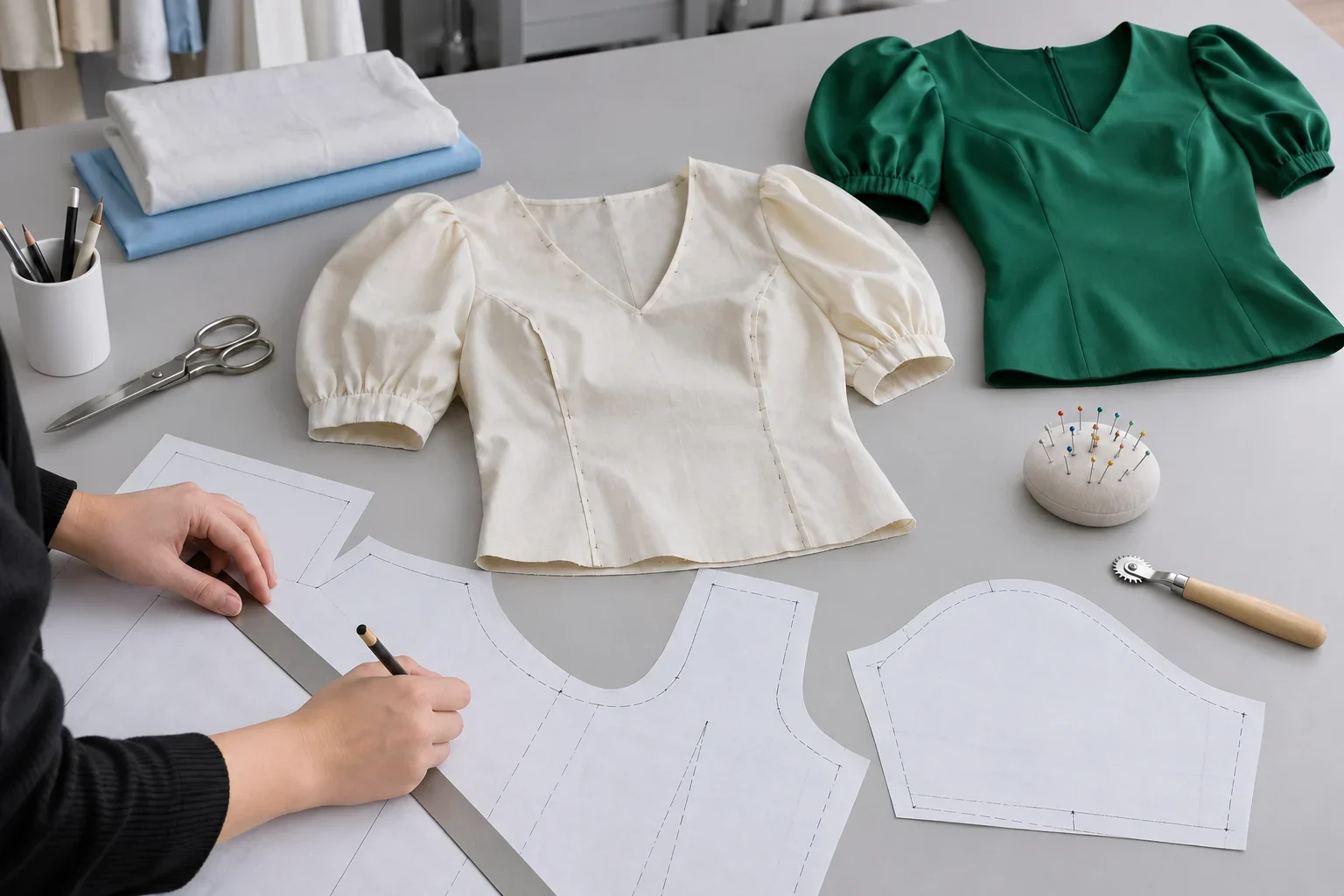
Ask what starts and ends each estimate, and whether sourcing, revisions, inspection, packing, customs or transit are included.
01
Sample development
Ready briefs, measurements, materials and artwork enable development. Fit or decoration revisions may change patterns, grading, sourcing and the next review date.
02
Bulk production
Confirm approved specifications and sample, quantities, material readiness and allocation. Cutting, sewing, decoration, finishing, checks and packing follow the agreed route.
03
Shipment and arrival
Freight follows packing and release. Transit, customs and destination handling require a separate allowance.
TRADE-OFFS / CONFIRMATION
What changes when quantity falls or the deadline moves?
QUANTITY
Smaller runs still need preparation
Setup costs spread across fewer units. Additional colors, decoration locations, custom trims or packaging can affect price and availability.
SCHEDULE
A shorter window leaves less review time
Incomplete artwork, late fit changes, split deliveries or new packing instructions can disrupt the plan. Identify sourcing, inspection and corrective-action time before accepting a deadline.
SEND / CHECK / CONFIRM
Turn assumptions into a written order basis.

A preliminary target date is useful; label it as a requirement, then review feasibility against the open decisions.
BRIEF
Provide the current project status
Send styles, reference files, measurements, fit, materials, colors, decoration, trims, packaging and quantities. State sample approval and revision status.
COST
Confirm the minimum and charges
Record the qualifying construction, quantity basis, sample charges, revisions and shipping inclusions. Confirm material assumptions and change conditions for repeat orders.
ACCEPTANCE
Agree checks before scheduling
Define inspection scope, tolerances, acceptance criteria, any AQL or third-party inspection, and label or packaging approvals.
DELIVERY
Include the complete delivery requirement
Confirm destination, freight preference, target arrival, Incoterms, restrictions and stage start/end points in the written proposal.
YOUR NEXT STEP
Ask for an estimate with a defined basis.
Share the style breakdown, material and sample status, quantities, customization and destination. Identify the date you need and the decisions still open.