
Introduction: Sourcing from India—Cotton, Embroidery, and Embellishments
In 2026, buyers and brands worldwide looking to source apparel are paying close attention to Sourcing from India: Cotton, Embroidery, and Embellishments. India’s legacy in lightweight woven garments, detailed embroidery, and organic cotton production is unmatched. As global demand for sustainable, artisanal, and traceable garments increases, India stands out as a sourcing powerhouse offering quality, tradition, and innovation. This article covers every key advantage, practical trade-off, and real-world tip for businesses committed to responsible and high-value garment sourcing from India.
The Legacy and Advantages of Indian Garment Manufacturing

India’s garment industry is renowned for its centuries-old expertise and ability to supply a diverse range of textiles. Especially excelling in lightweight woven fabrics, hand work, and intricate embellishments, Indian manufacturers blend tradition with modern production skills. This balance allows international buyers to secure unique products with high perceived value and story-driven appeal.
Why Choose India for Apparel Sourcing?
- Wide selection of cotton types, including GOTS-certified organic options
- Authentic handwork and regional embroidery styles
- Efficient supply chain for lightweight wovens and value-added items
Lightweight Wovens: India’s Production Strength
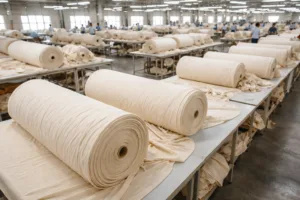
One of India’s defining specialties is in lightweight woven apparel. By blending natural cotton fibers with fine weaving techniques, Indian mills produce soft, breathable, and versatile fabrics ideal for shirts, blouses, dresses, and resortwear. Indian machines and craftspeople are trained to achieve extremely even weaves and finishing touches. International importers often select India for the production of products that require flow, drape, and comfortable wear in warm weather.
Materials and Weaves Popularly Sourced
- Cambric, voile, muslin, and poplin
- Email embroidery base cloths and openwork
- Sustainable blends using organic or recycled cotton
| Fabric Type | Main Benefit | Common Application |
|---|---|---|
| Muslin | Soft, ultra-lightweight | Sarongs, resort dresses |
| Poplin | Crisp, holds prints well | Shirts, uniforms |
| Cambric | Delicate, suitable for embroidery | Kurta, baby wear |
Production Tips When Specifying Wovens
Include precise shrinkage, weaving density, and GSM requirements early in your tech pack. Factories in India, like Ninghow, appreciate detailed specs to avoid misinterpretation, especially when ordering large quantities for private labels. Regular pre-production development reduces surprises in handle and drape.
Organic Cotton: India’s Global Leadership
India has been a trailblazer in the supply of organic cotton, with an extensive network of GOTS- and BCI-certified farms providing transparency and traceability. International brands now choose Indian organic cotton for both base fabrics and value-added products thanks to competitive pricing and large-scale production capacity.
Key Certifications in Indian Organic Cotton
- GOTS (Global Organic Textile Standard)
- BCI (Better Cotton Initiative)
- Global Recycled Standard (where blends with recycled content apply)
Why Organic Cotton Sourcing Matters
Beyond environmental responsibility, sourcing organic cotton in India can offer downstream branding opportunities. Traceable, sustainable products often command higher price points in global markets—an important edge in the competitive landscape of fashion retail and wholesale.
Hand Embroidery and Artisanal Craft: India’s Signature Touch
India leads the world in intricate hand embroidery, beading, mirror work, and sequin application. Major production zones such as Lucknow (chikankari), Kutch (mirror work), and West Bengal (kantha), offer true handwork that adds exceptional value—something mass-market automated textiles struggle to match.
Common Types of Indian Embroidery Used in Apparel
- Chikankari: Fine, shadow-based floral motives
- Zardozi: Metallic thread and beadwork, high glamour
- Kantha: Running stitch patchwork, often upcycled
- Phulkari & Banjara: Colorful folk styles
Integrating Indian Handwork in Modern Collections
Brands should plan sufficient development and sampling time for garments requiring labor-intensive handwork. It’s wise to include garment trials at the actual workshop, as translating design from digital tech packs to hand-accomplished pieces can introduce creative variation. For specialty products, experienced partners like custom clothing manufacturers can help develop scalable approaches without losing hand-finished appeal.
Sustainable Embellishments and Trims from India
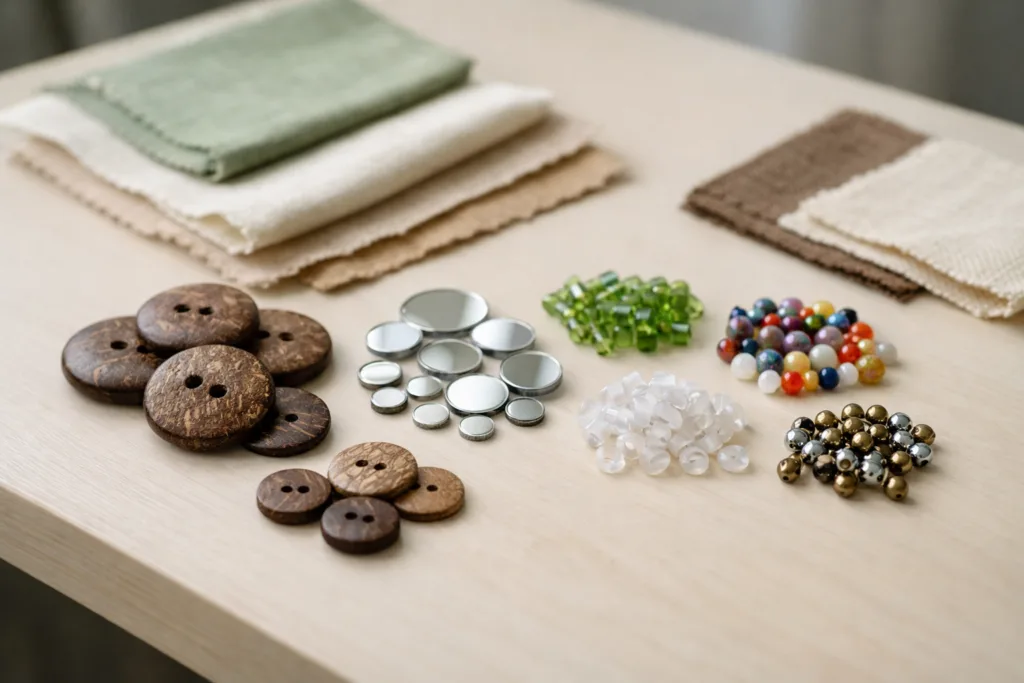
Embellishments are not only about visual appeal; the materials and craftsmanship matter more than ever in 2026. Indian clusters specialize in eco-conscious sequins (recycled PET), traditional shells, mirror inlays, and natural coconut buttons. Brands searching for a unique, low-impact finish benefit from India’s resourceful and heritage-rich supply base.
Sourcing Responsible Trims
- Biodegradable coconut, wooden, and shell buttons
- Recycled glass beads and PET sequins
- Block-printed labels using low-impact inks
Quality Control and Consistency Challenges
Maintaining quality at scale for hand-applied trims requires realistic yield estimates. At Ninghow, a veteran garment manufacturer, we’ve learned to build in up to 5% overage for trims to account for breakage or color mismatch. Partnering with experienced factories that maintain strong relationships with artisan clusters goes a long way in avoiding late-stage surprises.
Yarn Dyeing, Printing, and Surface Techniques in India
In addition to handwork, India is known for advanced yarn dyeing, screen, rotary, and digital printing. These processes support high-volume fashion programs as well as artisanal capsule runs. Dyers in Tirupur and Jaipur, for example, offer both reactive and pigment-based techniques, enabling everything from bold AOP (all over prints) to subtle yarn-dyed effects.
Straightforward Sampling Advice
To achieve color consistency and print sharpness, buyers should approve lab dips, print swatches, and run small pilot batches before bulk. If using multi-technique garments (e.g., print plus embroidery), confirm colorfastness, bleed risk, and shrinkage both before and after embellishment is applied.
India’s Strength: Small Batch to High Volume
India supports both boutique buyers seeking small runs of artisanal pieces and global brands sourcing 100,000+ units. Low MOQs are a hallmark of smaller workshops, making pilot or test orders accessible. For scale, organized factories in clusters like Tirupur, Noida, and Mumbai aggregate several units and standardize finishing and QC.

See this guide to low MOQs for strategies on how to choose the right Indian partners for your order size and compliance needs.
Sourcing Workflow: End-to-End Steps in India
The sourcing journey in India typically involves the following:
- Concept and tech pack development
- Supplier selection (with compliance and regional expertise in mind)
- Proto and fit sample development
- Lab dip and trim approval
- Bulk fabric production and dyeing/printing
- Embroidery/embellishment application (if any)
- Stitching and finishing
- Packing as per buyer’s guidelines
- Inline and final inspection
- Shipping and export documentation
Documentation and Compliance Essentials
Always insist on compliance certification, lab reports (color fastness, shrinkage), and signed samples for garments targeting European and North American retailers. Familiarize with India’s Customs regulations to avoid delays.
Quality Control, Fit, and Predictable Lead Times
India’s manufacturing base has invested heavily in quality systems, in-line QC, and skilled patternmakers. Consistent fit across runs is easier to achieve when brands provide graded size sets and clear physical references, not just digital files. Processes like AQL inline and final inspection before shipment reduce claim risks and rework costs.
For a deep dive into ensuring reliability and predictability with your manufacturing partner, consult this apparel quality control guide.
Sourcing from India: Cotton, Embroidery, and Embellishments
Sourcing from India: Cotton, Embroidery, and Embellishments is not just a trend-driven move—it’s a strategic decision that places design, sustainability, and supply chain efficiency at the heart of apparel brand growth in 2026. With India’s unmatched access to organic cotton, centuries-old handwork specialties, and willingness to cater to small and large orders alike, businesses can reliably develop collections that are both fresh and rooted in authenticity.
Tips for Working with Indian Suppliers in 2026
- When seeking vintage or hand-finished looks, visit artisan regions to capture the authenticity first-hand
- Request photographic progress updates during longer handwork or embellishment cycles
- Explore eco-trims from India’s cottage industries to further boost your brand’s sustainability narrative
- If speed is a priority, lean towards automated techniques (rotary print, machine embroidery) to cut lead time
- For complex developments, consider on-ground third-party QC to bridge communication gaps
Conclusion: India’s Ongoing Global Sourcing Edge
As sustainability, creative value, and transparency become the hallmarks of premium apparel sourcing, India’s expert handling of lightweight cotton, embroidery, and responsible embellishment cements its global role. Through detailed planning, practical communication, and the right partners, buyers in 2026 will find India a fertile ground for both distinctive small-batch pieces and efficient, branded bulk orders.
Frequently Asked Questions
What are the main strengths of sourcing garments from India?
India offers expertise in lightweight woven fabrics, a rich tradition in artisanal embroidery, and a strong base for organic cotton sourcing, all backed by mature manufacturing workflows.
How does organic cotton sourcing in India benefit brands?
Indian organic cotton provides verifiable sustainability, traceability, and access to global certifications, helping brands build eco-friendly and premium collections efficiently.
Are Indian manufacturers suitable for small batch production?
Yes. Many Indian factories and artisan workshops accept low MOQs, making them accessible for test runs or boutique collections without heavy minimums.
What precautions are needed when sourcing intricate handwork from India?
Insist on clear sampling, precise references, and photographic updates to manage natural artisan variability. Allow for longer sampling and bulk timelines compared to automated production.
Which regions in India specialize in embroidery and embellishments?
Lucknow (chikankari), Kutch (mirror work), West Bengal (kantha), and Punjab (phulkari) are just a few regions famed for their unique embroidery traditions and skills.
How do I ensure quality and fit when producing in India?
Provide graded size sets, request fit samples, and work with partners that offer robust inline and final AQL inspections. This minimizes claims and assures consistency.