
Introduction: South American Manufacturing for US Buyers
For U.S. apparel brands and retailers, the search for supply chain resilience and premium materials increasingly points to South America. Manufacturing in South America: Peru (Pima Cotton) and Mexico is not just a trend, but a strategic move, blending centuries-old textile traditions with modern nearshoring logistics. Peru’s world-renowned Pima cotton offers luxury quality and brand cachet, while Mexico leverages the USMCA agreement for zero-tariff advantages, quick turnarounds, and reduced freight risk. In this article, we break down the distinct benefits, the trade-offs, and actionable insights for American buyers seeking reliable partners in the Americas.
Sourcing Peru: Why Pima Cotton Leads Global Luxury

Pima cotton from Peru is sought after for its extraordinary softness, strength, and long staple fibers. Brands look to Peru for ethical cotton sourcing and renowned spinning and knitting know-how. Compared to conventional cotton, Peruvian Pima yields garments that are softer, more durable, and hold color better over time. International labels prefer it for mid- to premium lines, especially T-shirts, polos, and basics.
What Makes Peruvian Pima Cotton Unique?
- Extra-long staple fibers (1.4–2 inches)
- Superior softness and natural luster
- Resistant to pilling, ensures longevity
- Ideal for upscale and private label products
How Peru’s Cotton Supply Chain Works
Peruvian cotton producers prioritize traceable sourcing—from farm to yarn. Factories are often vertically integrated, meaning spinning, knitting/weaving, dyeing, and garment assembly occur under one roof. This results in better batch consistency and reduced lead times. Compliance and sustainability certifications are widespread, making Peru attractive for brands focused on ethical sourcing.
| Feature | Peruvian Pima Cotton | Standard Cotton |
|---|---|---|
| Fiber Length | 1.4–2 inches | 1.0–1.2 inches |
| Softness | Ultra-soft | Moderate |
| Durability | High | Medium |
| Pilling | Low | High |
| Color Retention | Excellent | Good |
Major Pima Cotton Production Regions in Peru
- Piura
- Lambayeque
- Chiclayo
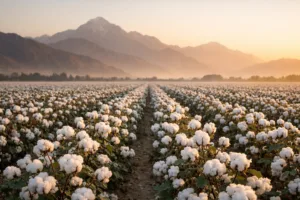
These northern coastal areas have ideal climate for growing long staple fibers, which underpin Peru’s global reputation for quality cotton.
Mexico Manufacturing Nearshoring: Zero Tariff, Speed, and Risk Reduction
Mexico’s apparel industry has undergone a transformation, with nearshoring trends and the USMCA (United States-Mexico-Canada Agreement) creating an open door for U.S. brands. Zero tariffs on qualifying goods, proximity to the U.S., and time zone alignment add major advantages compared to Asian sourcing. Mexico’s factories are equipped for both mass-market basic styles and complex private label development, making them versatile for different brand segments.
USMCA’s Impact: What Brands Need to Know
- Zero import duties for qualifying apparel and textiles
- Fast cross-border logistics (average 3–7 days delivery)
- Reduced language and communication barriers
- More predictable compliance and QC standards
Major Apparel Production Hubs in Mexico
- Puebla (knitted basics, private label)
- Guadalajara (denim, woven shirts, fashion)
- Ciudad Juárez & Tijuana (OEM, volume production)
With clusters near key border crossings, Mexico offers speed-to-shelf that’s tough to beat, especially for replenishment and dropship programs.
Comparing Peru and Mexico Factories: What US Buyers Should Consider
| Criteria | Peru (Pima Cotton) | Mexico (Nearshoring) |
|---|---|---|
| Material Focus | Pima cotton & blends | Denim, synthetics, cotton basics |
| Lead Time | 4–8 weeks | 2–5 weeks |
| Tariffs | Standard U.S. rates | Zero (USMCA) |
| QC Consistency | High (specialty cotton) | High (mass-market, private label) |
| Sustainability | Strong certifications | Improving, varies by factory |
Lead Time Comparison: Peru vs Mexico
- Peru: 4–8 weeks typical for premium basics, sample development may take longer due to specialty fiber handling
- Mexico: 2–5 weeks, especially for repeat orders or ‘just-in-time’ programs, supported by border proximity
Pima Cotton Sourcing: How to Vet Peruvian Factories
Getting true Pima cotton means verifying sourcing claims and production capability. US buyers should request full traceability—ideally from farm to spinning mill—and third-party certification for fiber authenticity (e.g., USDA, OEKO-TEX). Sampling is critical, as Pima’s fineness demands special handling in cutting and sewing. If you’re exploring T-shirts OEM options, compare handling of Peruvian Pima versus generic combed cotton.
Key Vetting Steps
- Request fiber origin documentation
- Inspect yarn quality and batch consistency
- Audit finishing and garment QC reports
- Ask about vertical integration vs. subcontracting
Troubleshooting Sourcing Challenges
Brands sometimes struggle with lower MOQ (Minimum Order Quantities) in Peru, but smaller, specialty factories may support pilot runs if your business is clear and organized. For reliable hoodie manufacturing, ensure the partner’s knitting capability matches the demands of luxury Pima fleece.
Zero-Tariff Mexico: Smart Nearshoring for US Fashion Brands
Thanks to USMCA, U.S. buyers importing from Mexico access duty-free advantages and rapid fulfillment. For brands launching frequent drops, replenishments, or quick-turn collections, Mexican manufacturing provides a practical solution.
Mexico’s Compliance and Audit Environment
- Facilities often operate under strict U.S-compliant labor standards
- Traceable sourcing and regular QC checks are required for export eligibility
- Major producers routinely pass social and technical audits
Brands should review quality control systems in detail. For guidance, visit apparel manufacturing quality control to understand typical documentation and checkpoints for export-ready apparel.
Fit, Finishing & Sampling: Real Production Insights for US Buyers
Whether you choose Peru or Mexico, getting the right fit sample is non-negotiable. In Peru, Pima cotton’s unique drape and elasticity can affect final pattern cut—what feels roomy in Asian combed cotton might drape differently in Peruvian Pima. Mexico’s factories tend to run standardized size specs, but US buyers should confirm grading rules match their target market to avoid returns.
Key Considerations During Sampling
- Fabric shrinkage rates
- Pattern grading across sizes
- Labeling, care instructions, compliance requirements
- Local holiday schedules (affecting sample and bulk timelines)
Ninghow, a garment manufacturer with global experience, routinely advises buyers to double-check the knit construction, stitch density, and finishing of pre-production samples—especially with luxury cotton fabrics. It’s the details that distinguish premium brands from private label basics.
Customization & Private Label: Opportunities Across Peru and Mexico
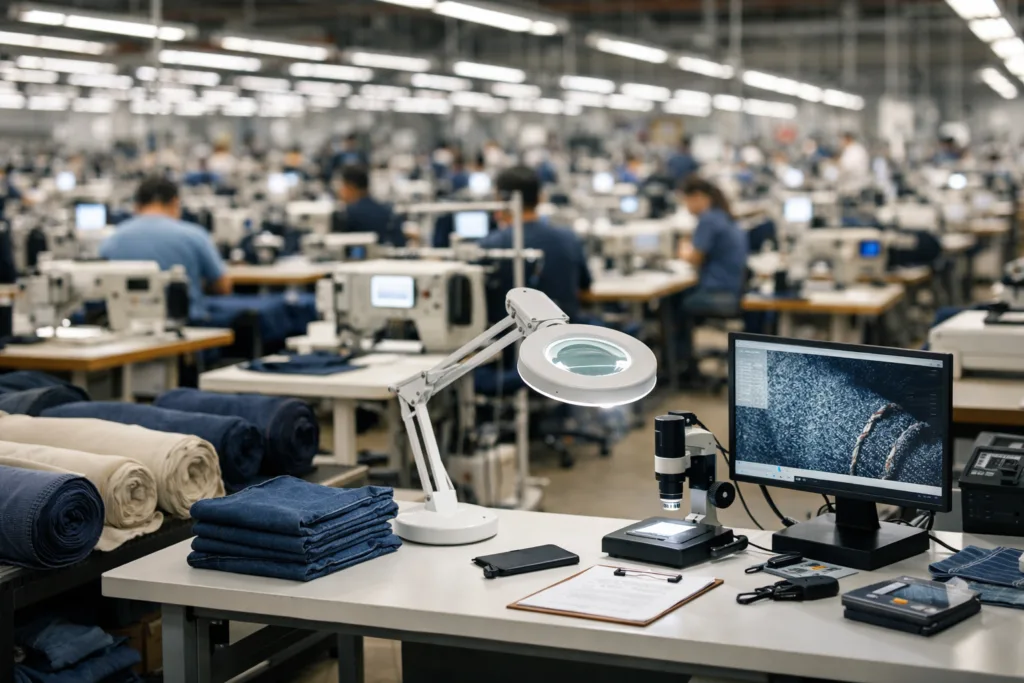
Both countries offer private label apparel development for U.S. buyers. Peru specializes in fine cotton knits (T-shirts, polos, pullovers), while Mexico excels at cut-and-sew, denim, and sportswear. Customization options include branded trims, embroidery, specialty dyeing, and advanced packaging services to meet Western retail standards.
Sustainability and Certifications: How Peru and Mexico Compare
Peru’s drive for sustainability covers organic farming, fair trade, and water conservation. Factories routinely offer GOTS and OEKO-TEX certifications. Mexico’s efforts are newer—look out for WRAP, BSCI, and organic certifications, mostly in higher-tier factories. US buyers should request documentation and periodically audit for compliance, particularly for eco-conscious product lines.
Real World Lead Times and Logistics: South America to the US
| Transport Lane | Mode | Avg. Lead Time |
|---|---|---|
| Peru–US East Coast | Ocean | 20–28 days |
| Peru–US West Coast | Air | 5–8 days |
| Mexico–US Border | Truck | 2–7 days |
Import Risk Management: What US Buyers Should Plan For
- Factor in port congestion (seasonal)
- Have backup suppliers for critical SKUs
- Clearly communicate Incoterms and import paperwork expectations
- Use freight forwarders familiar with South America lanes
Packing & Delivery: Meeting Retail and E-Commerce Standards
Both countries can support advanced packing options—barcoded polybags, branded gift boxes, retail-ready packaging. Shipping direct to U.S. DCs (Distribution Centers) saves additional handling steps. QC on packing is essential, especially for multi-item sets or color-matching.
Pricing Strategies: Balancing Quality With Cost
Pima cotton commands a higher unit cost, but reduced returns and higher RRP (recommended retail price) offset this for many brands. Mexico typically offers competitive pricing for basics and volume runs, but advanced customizations may add incremental costs. Factor in total landed cost—including duties, compliance fees, and sample courier charges—when selecting your region.
Challenges to Watch Out For: South American Apparel Production
- Peru: Weather cycles can affect cotton yield and delivery schedules
- Mexico: Border delays during holidays or peak seasons
- Documentation errors: Can jeopardize duty-free import under USMCA
- Cultural holidays: Affect factory output and delivery promises
Best Apparel Categories for US Buyers: Peru and Mexico
- Peru: Luxury T-shirts, polo shirts, fine knits, pullovers, tank-tops for mid- to premium brands
- Mexico: Private label sportswear, denim, mass-market T-shirts, hoodies, branded uniforms
Sampling Timelines and Communication Tips
Expect Peru to move more slowly with specialty Pima: 2–3 weeks for samples, sometimes 4+ if yarn dyeing is involved. Mexico pushes faster: as short as 7–10 days for generic basics. Always clarify sample courier costs, and schedule calls to check progress. Written specs and visual references keep misunderstandings at bay.
Case Study: US Brand Launches Luxury Cotton Tees With South American Partners
A mid-sized U.S. streetwear brand decided to split production between Peru (for luxury Pima cotton T-shirts) and Mexico (for branded hoodies and shorts). With clear grading rules and QC checkpoints, the brand found Pima pieces offered higher margins and customer loyalty, while Mexico supported fast restocks. The company cited improved stock accuracy, lower returns, and stronger market positioning by leveraging both regions.
Manufacturing in South America: Peru (Pima Cotton) and Mexico
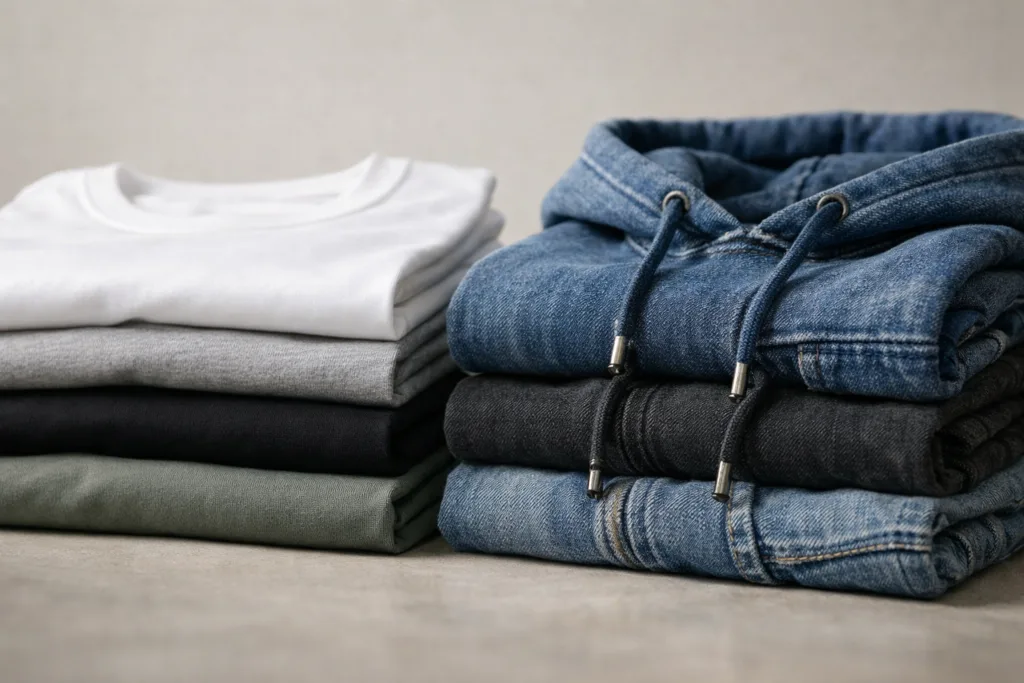
South America is no longer a secondary sourcing option but a premium solution for U.S. buyers who demand fit, speed, and reliable quality. Peru’s Pima cotton production is ideal for specialty luxury lines, while Mexico delivers flexibility and tariff advantages for mass-market and private label manufacturing.
Frequently Asked Questions
Can I import Peruvian Pima cotton apparel duty-free into the US?
No, Peruvian Pima cotton is not covered by USMCA, so standard US import tariffs apply unless invoiced under special FTAs.
How do I verify genuine Pima cotton in Peru?
Ask for farm-origin documentation, independent fiber certification, and perform lab tests on sample batches if authenticity is critical.
What is the typical MOQ for Peruvian Pima factories?
MOQs vary but often range from 300 to 1000 units per style. Some specialty factories will trial sample runs for established brands.
How fast can Mexico ship finished goods to the US?
Mexican apparel factories typically deliver finished goods to the US in 2–7 days, including most cross-border trucking lanes.
Are Mexican factories capable of complex private label development?
Yes, many support private label, customization, unique trims, and branding for both basics and fashion-forward styles.
Is there a difference in QC standards between Peru and Mexico?
Both countries maintain high QC standards, but Peru focuses more on luxury cotton finishing, while Mexico excels at mass-market consistency.
Related Reading
- 2025 Sourcing Guide: Where to Find Clothing Manufacturers Worldwide
- How India’s Cotton & Embellishments Drive Branding for 2026
- The Age of Automated T-Shirt Production for US Brands
- Unlocking Portugal’s Luxury and Sustainability Advantages in Apparel
- Why Turkish Denim Is Europe’s Nearshoring Solution in 2026