

What Is Viscose Fabric?
Viscose fabric, sometimes called rayon, is a soft and smooth textile made from wood pulp. The wood fibers, usually from beech, eucalyptus, or pine trees, are treated with chemicals to create threads that feel much like cotton or silk. In clothing manufacturing, viscose is recognized for its gentle drape and silky feel. Although it starts as a natural cellulose fiber, the production involves several synthetic steps, making viscose a semi-synthetic material.
How Viscose Is Made
The viscose manufacturing process begins with wood chips. These chips are soaked in chemicals—mainly sodium hydroxide and carbon disulfide—to break down the cellulose. The resulting solution is extruded through spinnerets to form filaments that are then solidified into usable fiber.
Main Properties
- Soft, smooth texture with a slight sheen
- Excellent drape and flow
- Absorbs moisture well but can be prone to shrinking
- Can be blended with cotton, polyester, or spandex
Is Viscose Fabric Breathable?

One of the most common questions about viscose fabric concerns its breathability. Breathability describes how well a fabric lets air and moisture pass through, helping you stay cool and comfortable.
Viscose and Airflow
Viscose fabric performs well when it comes to breathability. The fiber structure allows air to circulate freely, supporting moisture release and keeping skin feeling fresh. This is especially noticeable in garments like summer dresses, blouses, and light trousers. The porous weave in lighter viscose knits further increases airflow.
Comparing Viscose to Other Fibers
| Fiber Type | Breathability | Moisture Absorption | Best Use Scenarios |
|---|---|---|---|
| Viscose | High | Very good | Summer wear, blouses, dresses |
| Cotton | Excellent | Excellent | T-shirts, polos, casual wear |
| Polyester | Low (unless blended) | Poor | Activewear, outerwear |
| Linen | Superb | Good | Lightweight shirts, resort wear |
Limitations of Viscose
- Can lose structure and strength when wet
- Prone to wrinkling and shrinkage if not treated
- May require special finishes to retain breathability after repeated washes
Viscose Fabric vs. Cotton: A Direct Comparison
Both viscose and cotton are known for soft comfort and good air circulation, but they differ in fiber source and feel. Cotton is a natural fiber spun directly from the cotton plant, while viscose is made from reprocessed wood pulp. Let’s break down the differences.
Texture and Handfeel
Viscose impresses with a sleek, silk-like surface and subtle shine. Cotton usually feels matte and crisp, especially in mid-weight weaves. For a smooth, flowing fit, viscose outshines cotton. For a rugged, classic touch, cotton wins.
Performance and Durability
- Cotton: Holds up well during washing and heavy use, especially in combed or ring-spun varieties. Its structure stays strong when wet.
- Viscose: Can weaken and shrink if exposed to lots of moisture or heat. Special treatments like pre-shrinking and blended yarns help maintain its strength.
Care Instructions
Viscose garments require gentle washing, preferably cold water and mild detergent. Cotton pieces are more tolerant of warm cycles and high agitation. Ninghow Apparel ensures that sizing and fit remain consistent by using controlled shrinkage methods for both materials.
How Viscose Fabric Is Used in Everyday Clothing
Viscose finds its place in garments that call for elegance and lightness. Designers use viscose blends for its glossy look and soft drape. Popular applications include:
- Flowy dresses and skirts for warm-weather wear
- Work blouses and office attire
- Lightweight scarves, wraps, and lining fabrics
- Trousers with a fluid silhouette
Viscose is also used in home textiles—like curtains and bedding—where comfort and softness matter.
Why Viscose Suits Summer Clothing
The breathability and moisture-wicking properties of viscose make it perfect for summer apparel. When the temperature rises, viscose fabrics allow heat and sweat to escape, supporting a cool sensation against the skin.
The Technical Side: Standards, GSM, and Finishes
Ninghow Apparel and other factories control viscose quality from fiber selection to final finishing. The typical GSM (grams per square meter) range for viscose knits is 120–160 gsm, making them suitable for lightweight shirts and dresses. For woven viscose, GSM often ranges from 90 to 140 gsm, ideal for blouses and scarves.
Performance Finishes
- Pre-shrink finish: Reduces risk of garments shrinking after wash
- Moisture-wicking treatment: Improves sweat absorption and evaporation
- Anti-odor finish: Adds freshness for longer wear
Color stability is achieved by lab dips, bulk color approvals, and Pantone matching. Factories follow compliance protocols like OEKO-TEX STANDARD 100 for testing chemicals and ISO 105-C06 for color fastness checks.
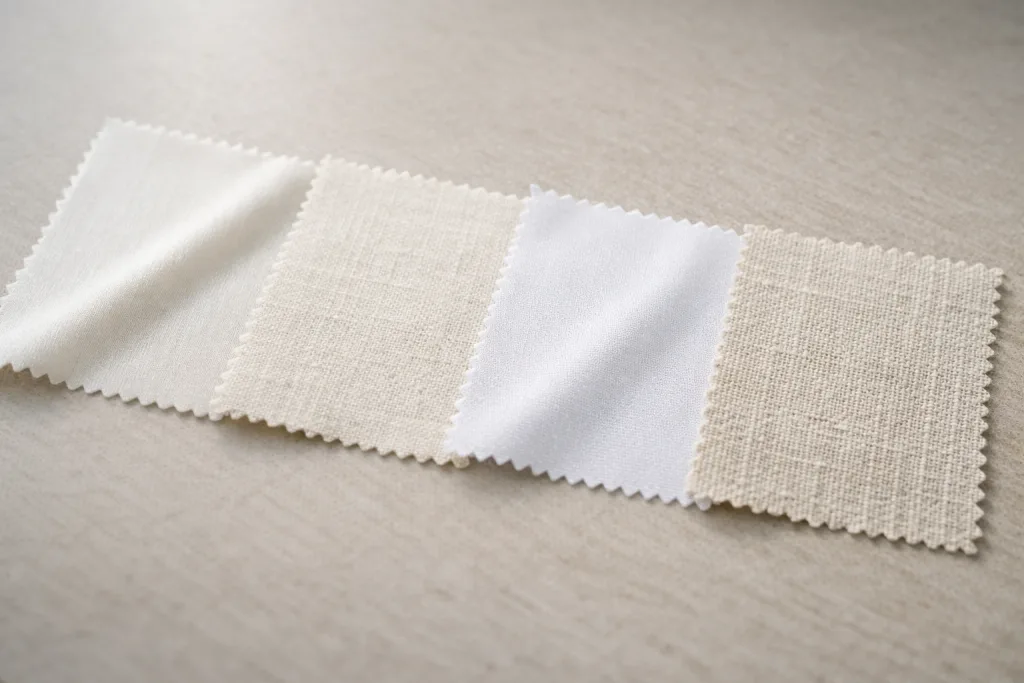
Ninghow Apparel Approach to Viscose Garments
Ninghow Apparel crafts viscose clothing using strict process controls. Fit consistency, color batch control, and seam tolerance ensure high-quality garments with reliable breathability. With advanced auto-cutters, line balancing, and expert sewing—like ISO 301 lockstitch and ISO 602 coverstitch for hems—garments get smooth, comfortable finishes.
Quality checks include inline inspections for puckering and skew, endline measurements, and wash testing for shrinkage. For customers seeking custom designs, the company offers OEM/ODM services for blouses, dresses, T-shirts, and more. Eco-conscious buyers can choose viscose blends with recycled polyester or partner for GOTS-certified organic options.
Best Situations to Choose Viscose Fabric
Viscose suits many scenarios where comfort, style, and breathability matter. Here’s when viscose stands out:
- Work and office wear: Feels comfortable during long shifts and resists odor buildup
- Summer and resort clothing: Flowy dresses, light blouses, and relaxed pants
- Promotional programs: Affordable custom shirts with vibrant colors and smooth print finishes
- Home textiles: Soft sheets and pillowcases for restful nights
Viscose can also be blended with cotton, elastane, or recycled polyester for extra strength, stretch, or sustainability. In athletic leisure, viscose-cotton blends strike a balance between softness and shape retention.
Care, Durability, and Sustainability of Viscose
To preserve viscose garments’ shape and breathability, wash them in cool water and avoid high-heat drying. Lay flat to dry or use gentle tumble settings. Eco-certified viscose, such as those with FSC wood or GOTS organic claims, provides extra assurance for sustainability.
Quality Control and Safety
Factories check for seam strength (ASTM D1683), color fading (AATCC 61), and dimensional change (AATCC 135) before shipping. Garments are packed using size ratio packs, care labels, carton marks, and barcodes for smooth logistics.
Viscose Fabric

Viscose fabric combines the best of both worlds for modern clothing makers: gentle breathability and a smooth, elegant look. Whether blended for extra durability or finished for high-performance summer wear, viscose remains a top choice in today’s apparel industry. With strict standards in place—and expert manufacturers like Ninghow Apparel—buyers can expect quality, comfort, and reliable care from every piece.
Frequently Asked Questions
Is viscose fabric breathable?
Yes, viscose fabric is breathable thanks to its fiber structure, which allows air and moisture to pass through easily.
How does viscose compare to cotton for comfort?
Both viscose and cotton offer soft comfort, but viscose feels smoother and silkier while cotton feels classic and crisp.
Can viscose shrink after washing?
Viscose is prone to shrinking if washed in hot water or dried with high heat, so gentle care is recommended.
Where is viscose fabric best used?
Viscose fabric is ideal for summer clothing, work blouses, flowy dresses, and lightweight home textiles.
Is viscose sustainable?
Sustainable viscose uses certified wood sources or is blended with recycled fibers; look for eco labels like FSC or GOTS.
How does Ninghow Apparel ensure viscose garment quality?
Ninghow Apparel maintains strict controls over fit, color, seam tolerance, and uses tested finishes for long-lasting comfort.