
In the world of custom pullovers, choosing the right fabric can make or break your product’s appeal and performance. Whether you’re a startup launching a streetwear line, a fitness brand planning a new hoodie drop, or a corporate team organizing custom merch, selecting the ideal material matters more than you think. Two of the most popular choices for cozy yet stylish pullovers are fleece vs French terry. But when it comes to deciding between fleece pullover fabric and French terry hoodie material, which one truly stands out?
In this article, we’ll break down the differences, benefits, and ideal use cases for both fabrics to help you make an informed decision for your next custom apparel project.
Understanding the Basics of Fleece and French Terry
Before we get into comparisons, let’s define each fabric.
What is Fleece Pullover Fabric?
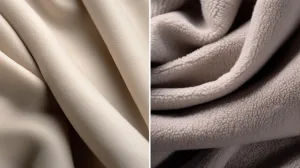
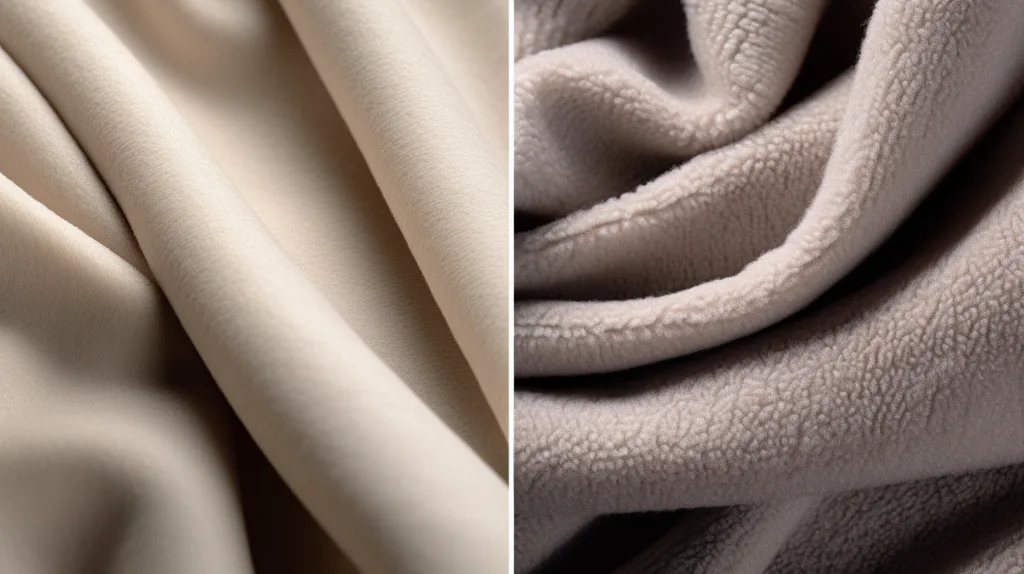
Fleece is a soft, brushed fabric typically made from cotton, polyester, or a blend. It’s known for its insulating properties, plush texture, and warmth. Fleece fabric has a fuzzy, brushed interior which traps heat, making it a popular choice for colder seasons.
What is French Terry Hoodie Material?
French terry is a knit fabric with loops on one side and a smooth surface on the other. Unlike fleece, it’s not brushed, so it has a lighter feel. French terry is typically made from 100% cotton or cotton/polyester blends, offering moderate warmth and excellent breathability.
Key Differences Between Fleece and French Terry
Understanding how these fabrics differ will help you align your fabric choice with your brand’s goals.
Warmth and Insulation
- Fleece: Highly insulating, ideal for colder climates or winter collections.
- French Terry: Moderately warm, better suited for transitional seasons like spring and fall.
Texture and Feel
- Fleece: Soft, plush, cozy, and thick — often seen in winter gear and loungewear.
- French Terry: Lightweight, smooth outside and looped inside — feels cooler and more breathable on the skin.
Weight and Bulkiness
- Fleece: Heavier and bulkier, giving a more padded look.
- French Terry: Lighter, creating a more streamlined silhouette.
Moisture-Wicking and Breathability
- Fleece: Less breathable, can retain sweat.
- French Terry: More breathable and absorbent, often used in activewear.
Style and Versatility
- Fleece: Often used in outerwear, cozy hoodies, and jackets.
- French Terry: Perfect for athleisure, workout gear, and lighter fashion pieces.
When to Choose Fleece Pullover Fabric

Fleece is the go-to material for:
- Winter collections where warmth is a top priority.
- Outdoor brands creating jackets, pullovers, or camping gear.
- Cozy loungewear such as oversized hoodies and sweatshirts.
- Corporate merch aimed at cold-weather markets.
Pros of Fleece Pullover Fabric:
- Superior insulation.
- Plush, high-end look and feel.
- Durable and long-lasting.
Considerations:
- Not ideal for hot or humid climates.
- May feel bulky for those preferring a lightweight garment.
When to Choose French Terry Hoodie Material

French terry shines in the following scenarios:
- Activewear collections needing breathability.
- Spring/summer drops that call for lightweight comfort.
- Layering pieces that work year-round.
- Eco-conscious collections, as many French terry options are made from organic or sustainable cotton.
Pros of French Terry Hoodie Material:
- Lightweight and breathable.
- Great for year-round wear.
- Offers a clean, modern aesthetic.
Considerations:
- Not as warm as fleece for winter months.
- Less plush or “cozy” compared to fleece.
Real-World Scenarios: Which Should You Choose?
Let’s break it down with some practical examples:
Scenario 1: A fitness brand launching a post-workout pullover. Go with French terry — it’s breathable, moisture-absorbing, and stylish.
Scenario 2: A streetwear brand designing oversized winter hoodies. Choose fleece — customers will appreciate the plush warmth and luxurious feel.
Scenario 3: A startup creating merch for a tech conference in spring. French terry offers the right balance of style and comfort.
Scenario 4: An outdoor brand producing mountain-ready hoodies. Fleece is the clear winner for its insulating properties.
Customization Options: Fleece vs. French Terry
Both fabrics are excellent canvases for customization, but here’s how they differ:
Printing and Embroidery
- Fleece: Embroidery works well, but screen printing may require special treatment due to the texture.
- French Terry: Better suited for screen printing due to its smoother surface.
Dyeing and Color Retention
- Both fabrics can be dyed effectively, but blends may impact color richness.
Cut and Fit Flexibility
- Fleece lends itself to boxier, oversized cuts.
- French terry is better for slim-fit and fashion-forward styles.
MOQ and Lead Times with Ninghow Apparel
At Ninghow Apparel, we specialize in custom hoodie manufacturing with flexible MOQs, ideal for growing brands and niche drops. Whether you’re working with fleece pullover fabric or French terry hoodie material, we offer:
- Fast sampling and prototyping.
- Custom dyeing, printing, and labeling.
- Low minimum orders to help startups grow without heavy inventory risk.
Final Verdict: Which Fabric Wins?
There’s no one-size-fits-all answer — it depends on your brand’s mission, climate, and customer preferences.
Choose fleece pullover fabric if:
- You need warmth and coziness.
- You’re targeting cold-weather wear or winter collections.
- You want a plush, luxurious aesthetic.
Choose French terry hoodie material if:
- You prioritize breathability and year-round versatility.
- Your focus is activewear, streetwear, or light layering.
- You want a modern, sleek fit.
Need help choosing the right fabric for your next hoodie collection? Contact Ninghow Apparel today for expert advice and premium manufacturing support.