
Introduction: Why Tiered Pricing Matters in Modern Manufacturing
Tiered Pricing: Understanding Price Breaks by Quantity is a critical concept for fashion brands, retailers, and startup founders working with garment manufacturers. Whether ordering 100, 500, or 1000 pieces, each quantity unlocks a unique price curve—affecting margins, risk, and growth. This guide demystifies volume discounts, quantity price breaks, and cost scaling, using real-world data and apparel industry insights.
What Is Tiered Pricing?
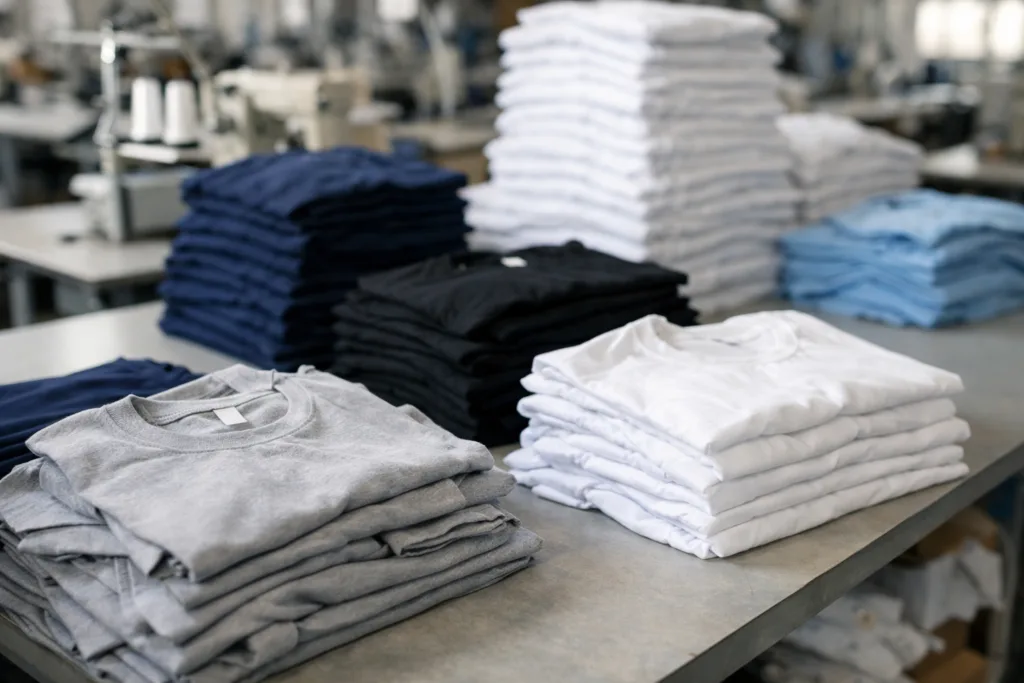
Tiered pricing refers to a pricing strategy where the unit cost decreases as the order quantity increases. It’s most common in manufacturing, printing, and wholesale, reflecting efficiencies gained at larger scales. This structure directly impacts budgeting and profit calculations in industries like clothing production.
The Fundamentals of Volume Discounts
Volume discounts are financial incentives offered by suppliers when you purchase larger quantities. They’re a reflection of cost savings manufacturers experience—due to factors like bulk material purchasing and smoother production setup. For garment brands, tapping into volume discounts can mean lower per-item costs and greater flexibility in pricing your line. For detailed case studies on how volume discounts affect order strategy, see 9 Practical Rules Every Buyer Must Know About Wholesale Clothing Vendors.
Quantity Price Breaks Explained
Quantity price breaks are set points where the price per piece drops, typically at defined thresholds such as 100, 500, or 1000 units. These breaks incentivize larger orders and help manufacturers plan production more efficiently. Brands often see significant price changes at each bracket, directly impacting launch budgets and inventory planning.
Cost Scaling: The Manufacturing Impact
Cost scaling describes how certain fixed costs (like setup, sampling, patternmaking) spread over more units, decreasing overall per-unit prices. It’s central to how tiered pricing works and why large orders are usually more cost-effective. As the number of garments increases, the marginal cost drops—sometimes dramatically.
Comparison Table: Tier Pricing for 100, 500, 1000 Pieces
| Quantity | Unit Price (USD) | Total Cost (USD) | Typical Savings |
|---|---|---|---|
| 100 | $8.50 | $850 | – |
| 500 | $6.40 | $3,200 | 25% vs 100 pcs |
| 1000 | $5.10 | $5,100 | 40% vs 100 pcs |
These figures are industry averages—actual prices vary by material, complexity, and region. Brands can secure even better rates with consolidated orders (How Designers Can Hack MOQ: 5 Strategic Steps for Multi-Style Fabric Consolidation).
Key Factors Influencing Tiered Pricing
- Raw Material Sourcing: Bulk buying reduces material costs.
- Production Efficiency: Fewer changeovers mean less downtime.
- Setup Charges: Initial costs are spread over more units.
- Quality Control: Larger runs allow for process optimization.
- Logistics: Shipping larger batches can reduce per-item costs.
Cost Curve Analysis: What Happens at 100, 500, 1000 Units?
The cost curve isn’t linear. It drops steeply between 100 and 500 due to setup and start-up economies, but then flattens out as material and labor reach their lowest practical rates at 1000+. This is called the “sweet spot”—the point at which additional volume yields diminishing returns.
Why Are Price Breaks So Drastic at Certain Quantities?
There are key trigger points where production shifts—from manual to semi-automated processes, from sample-based QC to batch-based QC, or where suppliers can order full rolls of fabric instead of partials. These operational shifts enable manufacturers to pass cost savings to buyers.
Risks and Rewards: Navigating Quantity Decisions
Ordering above a price break brings better per-unit pricing, but risks overstock and cashflow issues. Small brands need to balance inventory risk with price advantage. For a breakdown of these risks, see High MOQs: The Inventory Risk Trap for Fashion Brands.
Ninghow Apparel’s Factory Insights: Real Experiences With Tiered Pricing
At Ninghow Apparel, we see common mistakes: brands underestimating sampling and pattern costs in small orders, or overcommitting to large volumes without market validation. The most successful clients analyze demand carefully, stage their orders (e.g., sampling/testing at 100, then scaling to 500+ only when sales are proven), and ask suppliers directly about break points and hidden surcharges.
MOQ vs MCQ: Minimums and Color Quantities
Price breaks are not only about total quantity—they can hinge on Minimum Order Quantities (MOQ) and Minimum Color Quantities (MCQ). Some factories set higher minimums for additional colors, impacting pricing and flexibility. Navigating this trap is key for fashion brands working with multi-style launches (MOQ vs. MCQ: Solve the Color Minimum Trap & Unlock Smarter Apparel Launches).
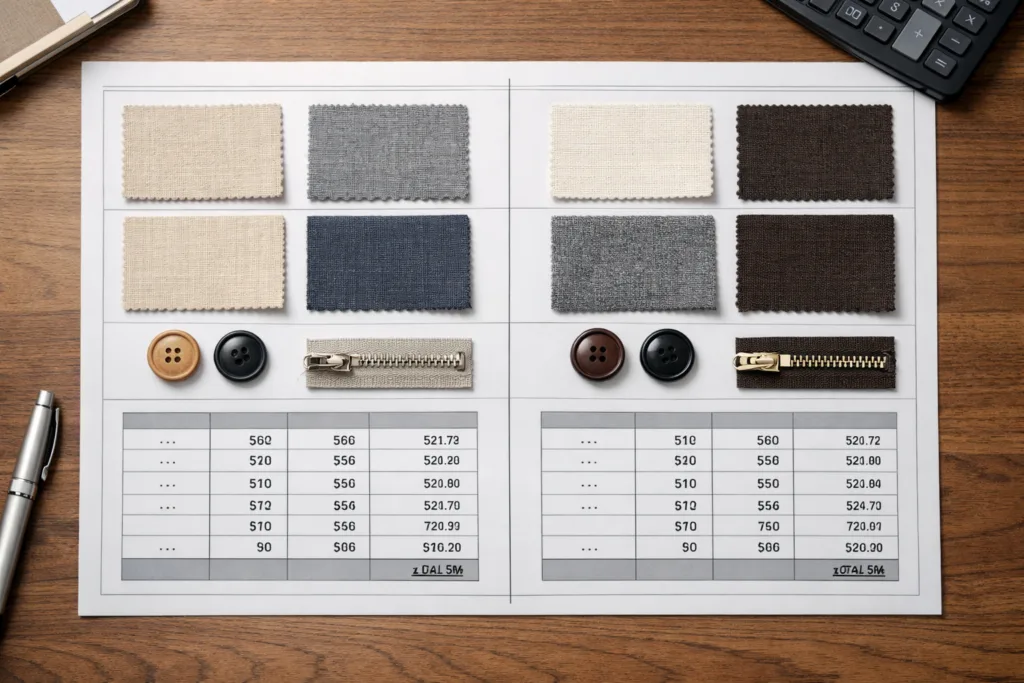
How to Structure Orders for Maximum Savings
- Group similar styles and fabrics to hit breaks.
- Negotiate price tiers upfront—don’t assume published rates are the only option.
- Factor in surcharges for low-MOQ requests.
- Optimize size and color combinations for higher efficiency.
Hidden Costs in Tiered Pricing
- Sampling and development fees
- Express shipping for samples
- Labels and packaging variations
- QC/testing surcharges for smaller batches
Case Study: Scaling a T-Shirt Launch from 100 to 1000 Pieces
See how a mid-sized streetwear brand started with a test batch of 100 tees, gathered feedback, and then scaled to 1000 for their second release, achieving a 45% lower unit price and a 60% reduction in sampling-to-production lead time. Smart batching and supplier negotiation made the difference.
Volume Discount Negotiation Tactics
- Request detailed quotations with breakpoints
- Bundle styles to reach volume breaks
- Leverage supplier slow season for better deals
- Compare regional pricing—for instance, China vs Bangladesh vs Portugal
MOQ Surcharges: The Real Cost of Small Orders
Lower quantity orders (<100) often incur surcharges—adding anywhere from 10–40% to the listed price. Understanding these extra costs is key to planning a sustainable launch. For a full analysis, Is Paying Extra for Low MOQs a Smart Move? The Real Cost Analysis.
How Tiered Pricing Supports Sustainable Manufacturing
Larger, more efficient runs save energy, reduce waste, and make sustainable materials more accessible. Brands focusing on eco-friendly production can use tiered pricing to invest in better fabrics—see sustainable manufacturing options for more details.
Common Mistakes: Avoiding Pitfalls in Price Break Planning
- Ordering large quantities without sales data
- Ignoring hidden surcharges
- Overlooking MOQ and MCQ traps
- Failing to demand full price breakdowns from suppliers
Vendor Quotes: What to Ask About Tiered Pricing
- Explicit price breaks for all relevant quantities
- Setup and sampling fees (and when they can be waived)
- Lead times for each tier
- Surcharges for low-volume orders
Tiered Pricing and Garment Customization
Custom trims, branding, specialty fabrics, and intricate applications may have different price breaks, reflecting their unique cost structure. For advice on customization and efficient scaling, visit clothing customization & sizing services.
Global Perspectives: Price Breaks by Region
Asian and South American suppliers often offer more aggressive volume breaks thanks to scale. European factories trend toward smaller MOQ with higher prices, but may offer better value at mid-tier quantities (500-1000). Brands should compare pricing, but also factor in quality and logistics.
Planning Your Next Apparel Order: A Checklist
- Define your sales/testing volumes first.
- Request break-tier quotations from multiple vendors.
- Ask for surge pricing and hidden fee schedules.
- Map out your ideal budget—don’t overcommit or under-order.
- Use tiered pricing to support sustainable and predictable growth.
Tiered Pricing: Understanding Price Breaks by Quantity
Tiered pricing empowers brands to scale manufacturing in strategic, cost-effective ways. Knowing where the breaks fall—and how to structure your orders—means healthier margins and less inventory risk. With experience from Ninghow Apparel and dozens of global factories, it’s clear: smart use of price breaks is a game-changer in apparel sourcing.
Frequently Asked Questions
What is tiered pricing and why is it used?
Tiered pricing means the per-unit cost drops as order quantity increases. Manufacturers use it to pass on their efficiency savings to buyers, making larger orders more attractive to brands.
How do quantity price breaks work?
Price breaks are thresholds (like 100, 500, or 1000 pieces) where the supplier reduces the unit price. Brands receive substantial discounts as they move up each tier.
Are volume discounts always worth it for small brands?
Not always—it depends on your projected sales, storage capacity, and cashflow. Over-ordering can lead to dead stock. Understanding demand is crucial before leveraging volume discounts.
What hidden costs should I watch out for with tiered pricing?
Look for extra fees like sampling charges, low MOQ surcharges, color minimums, compounding lead times, and packaging costs. These can be significant, especially at lower volumes.
Can I negotiate better price breaks with suppliers?
Yes. Most manufacturers will discuss price tiers, especially for bundled orders or during slow production seasons. Always request detailed quotations before agreeing.
How does cost scaling impact sustainable apparel production?
Bigger production runs use resources more efficiently, often supporting sustainable practices with lower waste and better access to eco-friendly materials.