
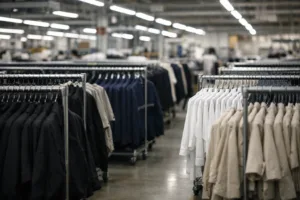
Introduction: The Hidden Trap for Fashion Brands
Launching a fashion brand is thrilling, but it comes with real risks. The danger of high MOQs: avoid being stuck with dead stock is more relevant than ever, as overordering can cripple a business before the first collection even ships. Minimum order quantities (MOQs) look like a scaling opportunity, but can quickly turn into inventory risk, overproduction headaches, and drained cash flow—a perfect storm for newcomers or fast-growing brands. In this guide, we’ll unravel the traps and teach you how to dodge them, so you manage your investment without regret.
Defining High MOQs and Their Impact on Inventory Risk

High MOQs require brands to commit to large batch sizes—often far beyond what’s feasible for new designs, seasonal trends, or fresh launches. This leads to bloated stockrooms, with garments waiting for buyers who might never come. Despite promises of “scale efficiencies,” the reality can be piles of unsold product and capital locked away rather than fueling growth.
Why Inventory Risk Is Fashion’s True Killer
Inventory risk happens anytime goods are sitting but not selling. Every unsold item represents lost profit and a drag on cash flow. If you’re running a startup or expanding a boutique line, even a single fragile season can make or break the brand. When you order too much, your flexibility disappears—it becomes nearly impossible to pivot without losing money.
Overproduction: When Big Orders Backfire
Too many brands make the mistake of ordering by optimism—believing every style will sell through. Overproduction is not just a waste of materials, it wrecks your cash flow and leads directly to dead stock. As trends shift, unsold pieces pile up, taking up warehouse space and eroding margins. In apparel, this can mean thousands of dollars stranded and months of missed opportunity.
The Dead Stock Dilemma: Financial and Emotional Toll
Dead stock isn’t just a physical burden, it’s a strategic setback. It ties up working capital and forces brands into clearance sales that can cheapen the brand image. The financial loss is obvious, but the deeper cost is the inability to fund new, more promising designs because your money is trapped in what didn’t sell.
Cash Flow Management: Why It Matters More Than Margin
Margin is only meaningful if your products move. Reliable cash flow means having money to pay for new inventory, marketing, and development. When overproduction locks your capital into unsold stock, your ability to launch, grow, or adapt shrinks. Brands that carefully manage MOQs frequently outperform those chasing big orders. For many, low MOQ clothing manufacturers offer solutions grounded in real market needs.
How Factories Set MOQs: Behind the Scenes
Factories determine MOQs based on production line setups, material batch sizes, and labor minimums. Even for seasoned manufacturers like Ninghow Apparel, the challenge is balancing cost-efficiency against client needs. Sometimes, combining multiple styles or consolidating fabrics can negotiate a lower MOQ—see the designer’s guide to multi-style fabric consolidation for practical solutions.
Why Brands Chase High MOQs: False Promises Explored
Many new brands believe that ordering more reduces per-unit costs and increases negotiating power. But this tactic rarely accounts for risk. If demand misfires, those “cheap” units haunt your financial statements as unsold stock. Smart brands recognize that MOQ economics don’t always align with market reality.
The Psychology: Fear of Missing Out versus Reality
The rush to hit high MOQs often comes from FOMO—a belief that a large launch will capture attention and legitimacy. In practice, most successful fashion launches are iterative, building reputation gradually so stock matches true demand.
Case Studies: Success and Failure with MOQs
Some early-stage brands benefit from negotiating low MOQs, launching narrowly, and gradually scaling once demand is clear. Others who commit to high MOQs without real sales data often find themselves liquidating at a loss. The secret? Test in small batches before ramping up.
Sizing, Seasonality, and the Risk of Overstock
Fashion is seasonal and sizing can be unpredictable, making large inventories especially risky. Styles go out of trend, and odd sizes linger longest. Sizing diversity further complicates the MOQ dilemma: every extra SKU multiplies the risk of unsold items.
Why Overproduction Hurts Young Brands the Most
Established brands may absorb slack through outlet sales or deep retail networks. Emerging brands cannot afford these safety nets. For startups, dead stock means fewer new collections and tighter budgets.
Ninghow Apparel: Real World MOQ Trade-Offs
From a production lead’s viewpoint at Ninghow Apparel, balancing a client’s order intent with MOQ requirements is a daily challenge. Sometimes combining orders, choosing common fabrics, or limiting trim options can reduce overall risk. The real trick is transparency: brands and factories working together to set realistic batch sizes, avoid excessive overstock, and keep supply chain flexibility.
Smart Purchasing: How to Avoid Dead Stock
Plan launches with small runs, analyze early sell-through data, and scale up as proven demand emerges. Evaluate demand and use test marketing before committing to bulk orders. Partner with startup-focused manufacturers to find flexible production options that reduce risk.
Internal Forecasting: Data-Driven Decision Frameworks
Use sales history, pre-orders, or even market surveys to estimate likely take-up. Regular reforecasting allows you to adjust quantities and styles before locking into irreversible commitments.

Sales Channels Matter: Online vs Offline Inventory Risks
Direct-to-consumer brands can respond faster to trends and consumer feedback, enabling more nimble inventory decisions. Wholesale and retail distribution often require longer lead times and higher MOQs—but demand is harder to predict.
Tactics for Negotiating Lower MOQs
Approach factories with proposals to bundle similar styles, accept fewer color variations, and simplify finishing options. Reference the guide to negotiating lower MOQs for dialogue scripts and real tactics.
MOQ vs. MCQ: Solving the Color Minimum Trap
It’s important to distinguish between overall minimum order quantity (MOQ) and minimum color quantity (MCQ). Sometimes, mixing colors while meeting the total batch requirement can open up new options. Learning the difference means using the rules—not being ruled by them.
Should You Pay Surcharges for Lower MOQs?
Some factories offer lower MOQs with added surcharges. These costs may be worthwhile for conserving cash, maintaining flexibility, and staying closer to market demand. Compare these fees with potential losses from unsold inventory before deciding.
Sustainable Sourcing: How Small Orders Reduce Waste
Reducing order sizes is not just about financial prudence—it’s about responsible production. Sustainable manufacturing means only making what’s needed, so fewer resources are wasted, and brands are less likely to contribute to landfill.
Technology for Smarter Inventory Management
Real-time analytics and cloud-based stock tracking help brands respond to sales patterns rapidly. Automated reporting can predict likely stock-outs or overstock, letting you recalibrate for next season.
Red Flags: When Large MOQs Signal Danger
If a supplier pushes unusually high MOQs or resists negotiation, treat it as a warning sign. Ask if the MOQ is driven by real production logic or simply a way to maximize their efficiency at your expense.
Building Strong Manufacturer Relationships
Long-term partnerships develop trust, leading to better flexibility and honest advice. Manufacturers like Ninghow Apparel often offer pilot runs or flexible test batches for trusted clients.
Checklist: Launching Safely in Fashion’s Risk Zone
- Start with realistic forecasts and small runs
- Negotiate MOQs up front—not after
- Use preorders or pilot launches to gauge demand
- Stick to simple colorways and finishes for startups
- Reevaluate batch size every season
The Danger of High MOQs: Avoid Being Stuck with Dead Stock

Fashion entrepreneurship means balancing creativity with risk management. High MOQs can become a trap, leaving you stuck with unsellable dead stock and blocking future investments. Smarter sourcing, realistic batch sizing, and strong cash flow habits are critical for survival and growth. Learn from experience—don’t let inventory risk be the killer of your ambitions.
Frequently Asked Questions
How can I reduce the risk of ending up with dead stock?
Focus on small test runs, update forecasts regularly, negotiate MOQs aggressively, and use pre-orders to validate demand before scaling up.
Are high MOQs ever justified for new fashion brands?
Rarely. Large orders may lower unit cost, but they almost always increase financial exposure and inventory risk for startups.
What tools help predict inventory demand?
Sales history analysis, market surveys, real-time stock tracking, and cloud-based inventory management systems all support accurate forecasts.
Should I accept a surcharge to lower my MOQ?
Yes, if the cost is reasonable and means avoiding unsold stock. Compare any surcharge against the potential loss from excess inventory.
Why are small-batch manufacturers better for startups?
They allow brands to test the market, avoid overproduction, and adapt quickly to buyer feedback—all while preserving cash flow.
What’s the difference between MOQ and MCQ?
MOQ is the minimum order quantity for a product overall; MCQ refers to minimums per color. Understanding both helps break through order barriers.
Related Reading
- Wholesale Vendor Rules: Nine Essentials Every Fashion Buyer Must Master
- Is Paying More for Lower MOQs Ever Worth It? A Real Cost Analysis
- Bold Sourcing Moves for Startups: Survive and Win with Lean Quantities
- Demystifying MOQ vs. MCQ: Preventing Costly Color Mistakes
- Negotiation Scripts for Securing Lower MOQs: Seven Pro Tactics Revealed