
Introduction: MOQ vs. MCQ—Why Fabric Minimums and Dyeing Requirements Matter More Than You Think
For anyone starting or scaling an apparel brand, understanding MOQ vs. MCQ—plus the hidden traps of fabric minimums and dyeing minimums—is absolutely essential. Many learn the hard way: even if your manufacturer agrees to produce just 100 pieces, the fabric mill may require a full 500 meters per color. This clash between order volumes and color constraints can make or break your launch. In this guide, we’ll break down what each term means, expose the surprising reasons behind strict color minimums, and show how you can plan smarter to avoid costly missteps.
What Is MOQ vs. MCQ? Key Definitions for Apparel Production

MOQ (Minimum Order Quantity) is the smallest total quantity a clothing manufacturer will accept per style or design. MCQ (Minimum Color Quantity) is the smallest batch of fabric or garments that must be made per color—often set by the fabric dyeing mill, not your cut-and-sew factory.
| Term | Who Sets It? | Meaning |
|---|---|---|
| MOQ | Garment Factory | Minimum pieces per style |
| MCQ | Fabric Mill | Minimum meters/yards per color |
How Fabric Minimums Control Color Choices
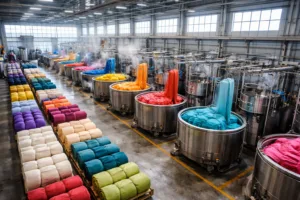
The real bottleneck often isn’t your sewing factory—it’s the fabric dyehouse. Even if you want just 50 pieces in ‘Sky Blue’ and 50 in ‘Lavender,’ your factory may politely agree—then explain that the mill insists on dyeing at least 500 meters per color, regardless of your garment quantities. This is where the difference between order size and fabric color minimum jumps out.
Why Dyeing Minimums Exist: The Technical Reality
Dyeing fabric in industrial machines isn’t like trying a tiny batch in your washing machine. Large dye tanks need volume to ensure even color and quality. If the fill is too low, results become patchy, uneven, or simply wasteful. Most mills calibrate their dye vats for 500–1000 meters per run, making anything less impractical and costly. This is especially true for custom apparel manufacturing, where consistency matters.
- Low fill levels risk uneven color
- Small dye runs cost more per meter
- Mills lose machine efficiency and waste chemicals
Real-World Example: When 100 Pieces Triggers a 500m Dyeing Minimum
Say you want to produce 100 hoodies: 50 Black, 50 Red. The sewing factory is flexible, but the fabric mill replies, “Minimum per color is 500 meters.” Your hoodies only use 2 meters each; total is 200 meters per color. You must either:
- Increase order to match dye requirements
- Pay a surcharge for ‘below minimum’ dyeing
- Limit color options for the first run
The Hidden Costs of Ignoring MCQ
Ignoring Minimum Color Quantities can result in:
- Expensive surcharges
- Excess unused fabric
- Lower profit margins
- Tricky inventory management
Launching with too many colors can tie up cash and storage space. Seasoned manufacturers recommend choosing just 1–2 core colors for first orders, especially for new brands. See more practical tips in How to Negotiate Lower MOQs with Clothing Manufacturers.
How Fabric Mills Set Dye Bath Minimums
Fabric mills operate large dyeing machines calibrated for efficiency. Each dye bath has technical minimums to guarantee color uniformity:
- Vat Dyeing: Large tanks, 500–1000 meters minimum fill
- Jet Dyeing: Fast, efficient, but high minimums
- Piece Dyeing: Some flexibility but higher cost
Managing fabric and color minimums adds complexity. Mills may allow smaller dye lots for premium fees, but quality or cost concerns often follow.
Can You Split Bulk Minimums Into Multiple Colors?
It’s tempting to ask, “Can I mix several colors to reach the overall bulk minimum?” Usually the answer is no—each color must meet its own MCQ. Dye baths must stay separate for shade control. Rare exceptions occur for stock colors or print-ready greige, which is why low MOQ apparel producers often suggest starting with stock shades.
Stock Colors vs. Custom Colors: The MCQ Effect
| Stock Colors | Custom Colors |
|---|---|
| Lower minimums, quick availability | Higher MCQ, longer lead time |
| Standard industry shades | Unique brand colors |
| Less control, but practical for small runs | Perfect brand match, more expensive |
How Garment Type & Fabric Choice Impact MCQ
The MCQ isn’t universal—it depends on the fabric type and garment:
- Knits (tees, hoodies): Usually higher MCQ due to industrial quantity
- Wovens (shirts, trousers): May allow slightly lower MCQ for lighter fabrics
- Specialty fabrics: Viscose, cupro, or blends often have the strictest MCQ rules
Fast-growing brands often run into MCQ hurdles when experimenting with fabrics. Learn more about these pitfalls in What Is Viscose Fabric & Is It Breathable?.
The Dyeing Process Explained (Key Steps Affecting MCQ)
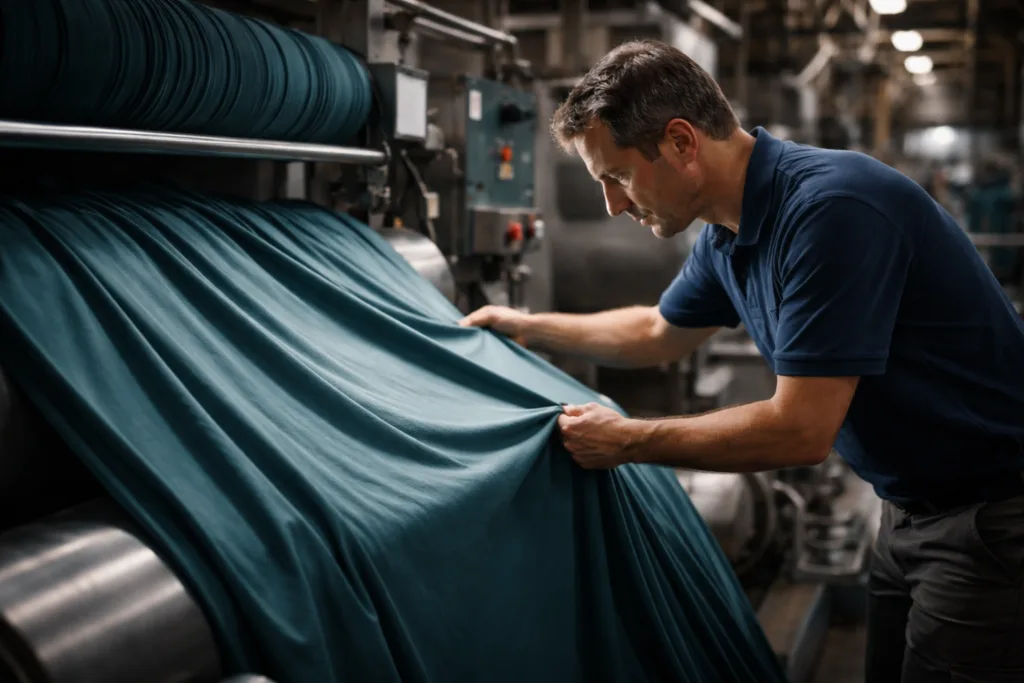
- Fabric arrival and inspection
- Dye recipe formulation
- Bulk dyeing in tanks/vats
- Testing shade consistency
- Finishing and quality control
Each step is optimized for larger volumes. Custom shades mean more setup and greater material loss at lower fills.
Ninghow Apparel Insights: Practical Fixes for MCQ and MOQ Planning
From the shop-floor perspective, brand designers often ask for 3–5 colors to ‘test the market.’ But as Ninghow Apparel points out, unless you’re working with stock colors, the cost and waste multiply. For first launches, the advice is:
- Stick to 1–2 colorways
- Use industry stock shades for flexibility
- Build color choices as sales grow
The best manufacturers help clients forecast realistic batch sizes, guiding fabric selection and trims to match MCQ constraints. See more in Apparel Manufacturing Quality Control.
Custom Dyeing vs. Pre-Dyed Fabrics: Which Works for Small Batches?
Custom dyeing gives total control over shade, but triggers MCQ minimums. Pre-dyed stock fabrics may offer lower minimums and faster delivery, but you’ll be limited to available shades. For startups, pre-dyed is often the better trade-off.
Managing Surplus: What Happens to Unused Fabric?
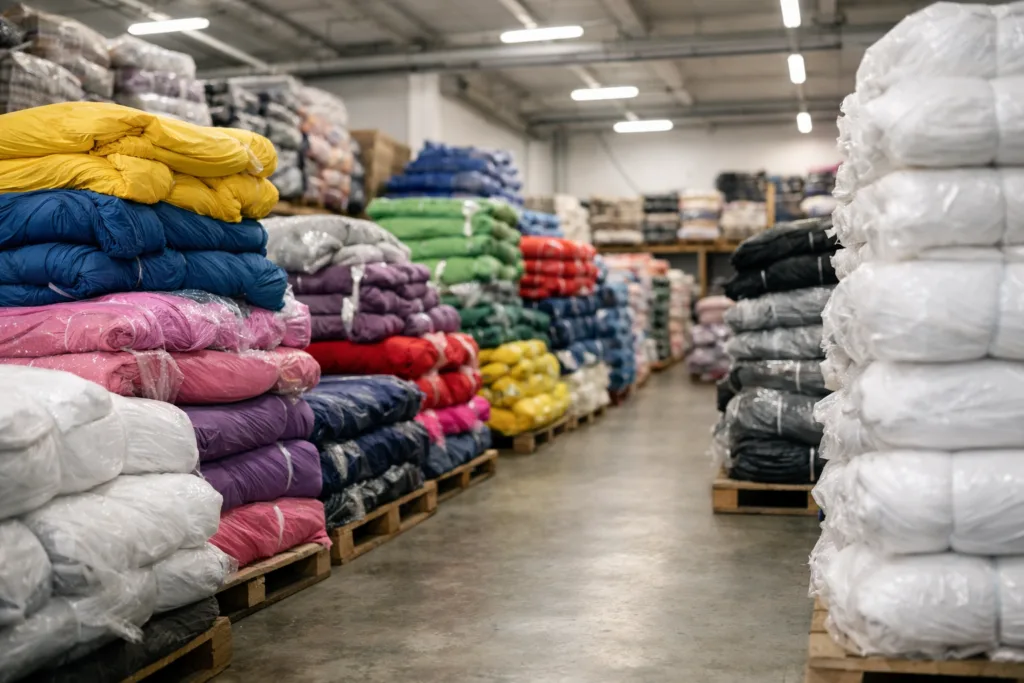
If you’re forced to buy extra meters to hit MCQ, leftovers become your responsibility. Options include:
- Storing for future production
- Offering the color to other styles/seasons
- Selling through clearance channels
Surplus can tie up both capital and warehouse space—so plan color strategy with care.
Negotiating with Mills for Lower MCQ on Dye Lots
Can you persuade mills to accept smaller runs? Sometimes, especially for repeat orders or premium payments. See more negotiation strategies in MOQ Explained: Why Factories Demand Minimum Orders.
- Request partial dye baths for a trial fee
- Join with other brands for pooled dye runs
- Offer advance orders to secure priority
Note: Lower MCQ deals often mean higher per-meter costs and possible shade inconsistencies.
Surcharges for Below-Minimum Dyeing: What to Expect
Mills may allow a smaller run (e.g., 300 meters, not 500), but will charge a setup fee or premium price per meter. Weigh these costs against your risk of surplus stock. Always ask for a written breakdown to avoid surprise invoices.
MCQ Impacts on Lead Time and Logistics
Lead times can double if you push for off-grid colors with small dye runs. Mills batch production by machine fill—so low MCQs are slotted between larger jobs, often with little priority. Factor this into your critical path for launch.
How to Strategize Color Choices for Small-Batch Success
- Launch with stock colors—build loyalty, then branch out
- Pre-brief mills on your color interest before sampling
- Order color swatches early to check real dye results
A successful color strategy balances brand vision, production constraints, and cost realities.
Low MOQ Solutions: What to Ask Clothing Factories
- “Can you offer stock fabric colors below standard MCQ?”
- “Are there flexible options for dyeing small lots?”
- “What is your sourced fabric supplier’s minimum per color?”
- “Can leftover fabric be reused for future styles?”
Transparent communication helps prevent production delays and costly surprises.
How Fabric Mills Plan for Batch Size and Color
Fabric mills forecast production with order pipelines and machine allocations. Smaller color runs strain resources, disrupt scheduling, and tank efficiency—leading to the strict MCQ policies most apparel brands encounter.
Seasonality, Color Trends, and MCQ Dilemmas
Fashion brands want fresh colors every season, but dyehouse MCQ policies lag behind market trends. Premium lines can afford custom colors; mass-market launches favor stock shades for cost and speed.
MCQ and MOQ: The Trap of Minimum Color Quantities
Here’s the catch: planning only by MOQ (pieces per style) won’t work unless you factor in MCQ (meters per color). Even world-class manufacturers struggle with excess inventory and delayed launches when color minimums are ignored.
Practical Checklist: How to Avoid Minimum Color Quantity Pitfalls
- Double-check both MOQ (pieces) and MCQ (meters/color)
- Select stock fabrics to minimize MCQ hurdles
- Budget for surplus or negotiate surcharges in advance
- Brief mills and factories with complete production plans
- Adjust design or color options if MCQ exceeds demand
Conclusion: Smarter Production Starts with Honest Color Planning
Minimum color quantities are a silent hurdle in apparel production—one that catches even experienced designers off guard. If you want reliable launches (and healthy margins), build your brand plan around both MOQ and MCQ realities. Choose stock shades when starting out, clarify minimums with both your factory and the mill, and never assume small-batch dreams mean small minimums across the board.
Frequently Asked Questions
What do MOQ and MCQ mean in apparel manufacturing?
MOQ is Minimum Order Quantity set by the garment factory for each style, while MCQ is Minimum Color Quantity set by the fabric mill or dyehouse for each color, usually in meters.
Why can’t a factory dye small fabric batches in any color?
Industrial dyeing machines require minimum fill volumes for even color and quality, making small dye batches expensive and risky for consistent results.
Can I split a bulk fabric order across several colors to meet the minimum?
No, each color must meet its own MCQ in the dye bath. Colors cannot be pooled unless using stock-pre-dyed fabrics.
Are surcharges for below-minimum dyeing negotiable?
Surcharges are often negotiable, but expect higher per-meter costs and possible variation in shade. Always ask for a written cost breakdown.
Do all fabric types have the same MCQ requirement?
No. MCQ varies by fabric type, mill equipment, and dyeing method. Knits and specialty blends often require higher minimums than woven fabrics.
What’s the best strategy for small brands wanting multiple colors?
Start with stock colors or limit colorways to meet MCQ efficiently. Grow color options gradually as orders increase and supplier relationships deepen.