
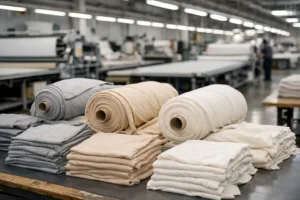
Introduction: Unlocking Efficiency with Fabric Consolidation
In today’s fast-paced apparel market, design teams face intense pressure to balance creativity with cost-efficiency. One proven strategy is consolidating orders by using the same fabric for multiple styles. This method—sometimes called a ‘MOQ hack’—enables designers to meet minimum order quantities, tighten SKU management, and unlock production savings. Whether you’re an emerging fashion brand, a buyer sourcing for a retail chain, or an established manufacturer, mastering fabric consolidation can revolutionize your order planning and bottom line.
What Does Consolidating Orders Mean?

Consolidating orders refers to the practice of combining fabric yardage across several styles or SKUs. Instead of ordering fabric separately for each design, you aggregate needs to reach sensible MOQs (Minimum Order Quantities), often unlocking price breaks, smoother scheduling, and improved efficiency. See how this works with Ninghow Apparel’s about fabric clothing manufacturing resource for a real-world perspective.
How MOQ Challenges Impact Apparel Brands
Minimum Order Quantities are a common hurdle, especially for small brands and capsule collections. Manufacturers often require buyers to order hundreds of meters per fabric, which strains budgets and leads to excess inventory. Navigating MOQs is key to strategic sourcing—learn more about overcoming these challenges in “MOQ Explained: Why Factories Demand Minimum Orders.”
SKU Efficiency: Why It Matters for Designers
Maximizing SKU efficiency is about streamlining your range—less over-designing, less shelf clutter, and fewer headaches in forecasting. By focusing on fewer fabrics across more styles, brands reduce complexity, optimize cash flow, and speed up bulk production. This is especially critical for startup brands or those launching new collections.
Five Design Strategies for Using One Fabric Across Multiple Styles
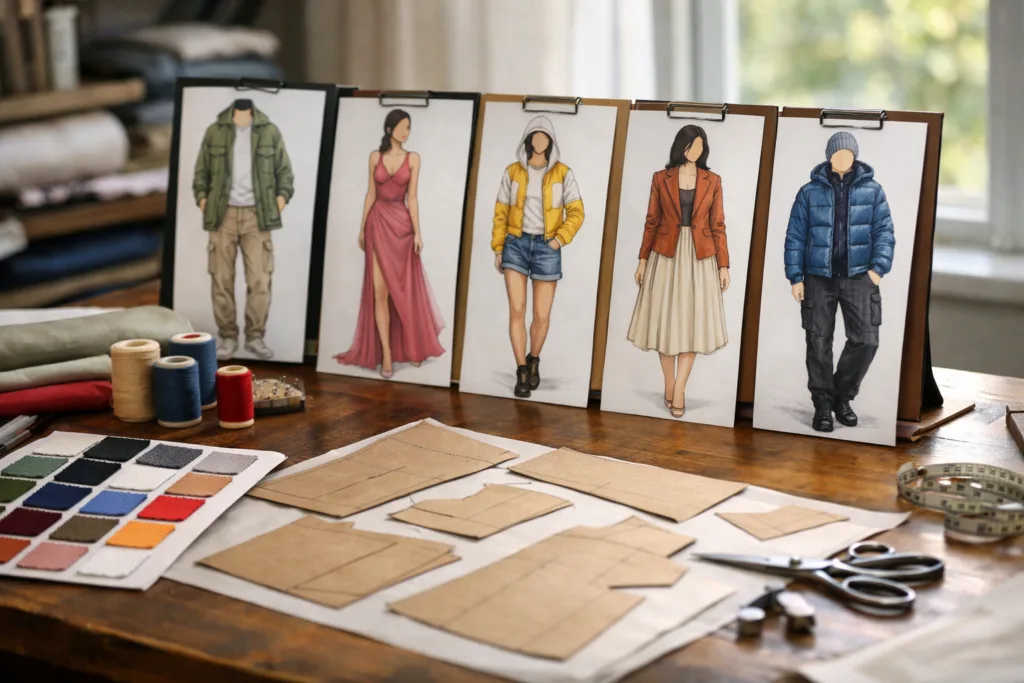
If you want to design five different styles using one base fabric, here are essential strategies:
- Vary the Silhouettes: Create a T-shirt, a polo, a hoodie, shorts, and a tank using the same cotton jersey.
- Change Details and Trims: Add or remove ribbing, zippers, pockets, or drawcords to diversify products.
- Adjust Fit Blocks: Use different pattern/size grading for men’s, women’s, or kid’s versions.
- Leverage Colors & Dye Techniques: If possible, customize with various garment dye, prints, or embroidery.
- Play with Branding & Labels: Feature varied graphics, woven labels, and finishing touches for each SKU.
Fabric Selection: Choosing the Right “Base” Material
Your base fabric must suit every style in the lineup. Key factors: versatility, supplier reliability, and fabric weight. Multi-use options like 220gsm cotton jersey or 320gsm French terry allow designers to create T-shirts, hoodies, pullovers, and tanks while satisfying factory requirements. For deeper insight, browse our in-depth guide on hoodie manufacturer solutions for fabric adaptability.
Developing Multiple Patterns from a Single Fabric
To maximize MOQ consolidation, develop unique fit blocks and patterns for each style—even if the fabric stays the same. This means adjusting sleeve shapes, body lengths, necklines, and pockets. Work closely with pattern makers and sample rooms to ensure every design maintains quality and appeal.
Colorways and Print Techniques: More Variety with Less SKU Chaos
Suppose your factory allows you to split colors within the same bulk fabric order. Try grouping your styles by print method, embroidery, or dye—solids, tie-dye, or pigment wash. This approach can often bypass color minimum traps, as discussed in “MOQ vs MCQ: Solve the Color Minimum Trap.”
Case Study: A 5-SKU Capsule Collection Strategy
Imagine you need to launch a capsule collection with 5 unique styles—T-shirt, Hoodie, Polo, Tank Top, Shorts—using 350 meters of cotton jersey. Here’s how to break it down:
| Style | Units | Fabric Used |
|---|---|---|
| T-shirt | 100 | 70m |
| Polo | 80 | 60m |
| Hoodie | 60 | 100m |
| Shorts | 100 | 60m |
| Tank Top | 100 | 60m |
Combine all five into one fabric order. You reach the MOQ, get price breaks, simplify QC, and reduce sourcing headaches.
Production Flow Benefits: Streamlining Your Operations
When your bulk order uses one fabric, the cutting team works faster, sewing lines experience fewer thread breaks, and your factory can group similar operations together. This results in less downtime and smoother delivery timelines.
Quality Control Parameters When Consolidating Fabric Orders
One challenge is ensuring consistent dye lots and shrinkage rates. Always pre-test the bulk fabric for colorfastness and dimensional stability—especially if using for vastly different styles. QC teams, like those at Ninghow Apparel, often set up batch inspections for each finished SKU to catch issues early.
Real-World Advice from Garment Manufacturers
Working directly on the shop floor, experienced teams recommend shared yardage charts and digital planning boards to track fabric allocation. This reduces confusion and helps avoid costly mistakes in cutting and sewing. These tactics work best if brand, designer, and supplier are on the same page—clear communication is everything.
How to Negotiate Supplier Terms and MOQ Flexibility
Some factories may still charge extra for splitting fabric across styles. It’s smart to start conversations early, clarify which SKUs will share material, and ask about split fees or order bundling. For additional techniques, see “How to Negotiate Lower MOQs With Clothing Manufacturers.”
MOQ Hack: Sourcing Tactics for Startups
Use multi-style orders to access fabric normally reserved for big brands. By pooling requests across several SKUs and even collaborating with other brands, you reach MOQs faster. This practice is central to cost-saving startup strategies.
SKU Management Tools: Staying Organized When Combining Styles
Efficient SKU tracking helps brands avoid mix-ups and costly production errors. Digital tools and spreadsheets become vital here—mapping style codes against fabric allocations, dye lots, and trims. Some ERP systems offer advanced modules for apparel managers seeking streamlined SKU oversight.
Potential Pitfalls: When Consolidation Isn’t the Right Fit
While fabric consolidation delivers big wins, it’s not for every brand. Risks include over-compromising on design, limiting seasonal flexibility, or facing unexpected delays if fabric runs out. Always consider your market positioning and customer expectations before consolidating styles too aggressively.
Alternatives to Fabric Consolidation in Apparel Sourcing
If you can’t consolidate, consider using close fabric matches or sourcing roll ends from suppliers. Some manufacturers offer low-MOQ options on selected fabrics. Explore these alternatives for unique launches or highly differentiated designs.
Examples of Styles That Work Well with Shared Fabrics
Essentials like tees, polos, tanks, pullover hoodies, sweat shorts, and joggers typically use the same jersey or fleece. Structured jackets or highly tailored trousers may need exclusive fabrics, but group casualwear whenever possible to maximize consolidation.
Brands Who’ve Mastered Multi-Style Fabric Orders
Leading fast-fashion retailers and DTC startups alike use this strategy. Brands launching unisex streetwear lines or minimalist capsule collections often feature multiple silhouettes in the same fabric and colorways—lowering per-unit costs and simplifying production runs.
Bulk Fabric Ordering: Tips for Accurate Forecasting
Work closely with your manufacturer to estimate total yardage, allow for order buffers, and prepare for last-minute style tweaks. Over-ordering fabric can tie up cash; under-ordering creates delays and patchy quality. Experienced production leads advise using detailed BOMs and order templates to plan efficiently.
Sorting Trims and Accessories Across Shared Styles
Even when styles use the same main fabric, trims like rib, zippers, and tags may vary. Negotiate terms with suppliers for trims alongside your bulk fabric order to save on freight and minimize order fragmentation.
Sustainability: Reducing Waste through Fabric Consolidation
By pooling orders, brands reduce off-cuts and excess stock fabric. Sustainable practices—such as using recycled yarns, grouping dye batches, or sourcing eco-cert fabrics—straddle environmental responsibility and business efficiency. Find out more in our sustainable manufacturing overview.
Price Breaks and Supplier Incentives
Large fabric orders often unlock supplier discounts, faster lead times, and better payment terms. Some suppliers will offer samples, swatches, or grading support at reduced rates when brands consolidate SKUs and bulk up orders.
Lead Times: Streamlining Bulk Production Across Styles
With consolidated fabric, manufacturers can cut, sew, and finish different styles in parallel. This shortens production timelines and enables synchronized launches. Brands planning holiday drops or coordinated releases benefit most from this strategy—especially in competitive markets.
Conclusion: Is Consolidating Orders Right for You?
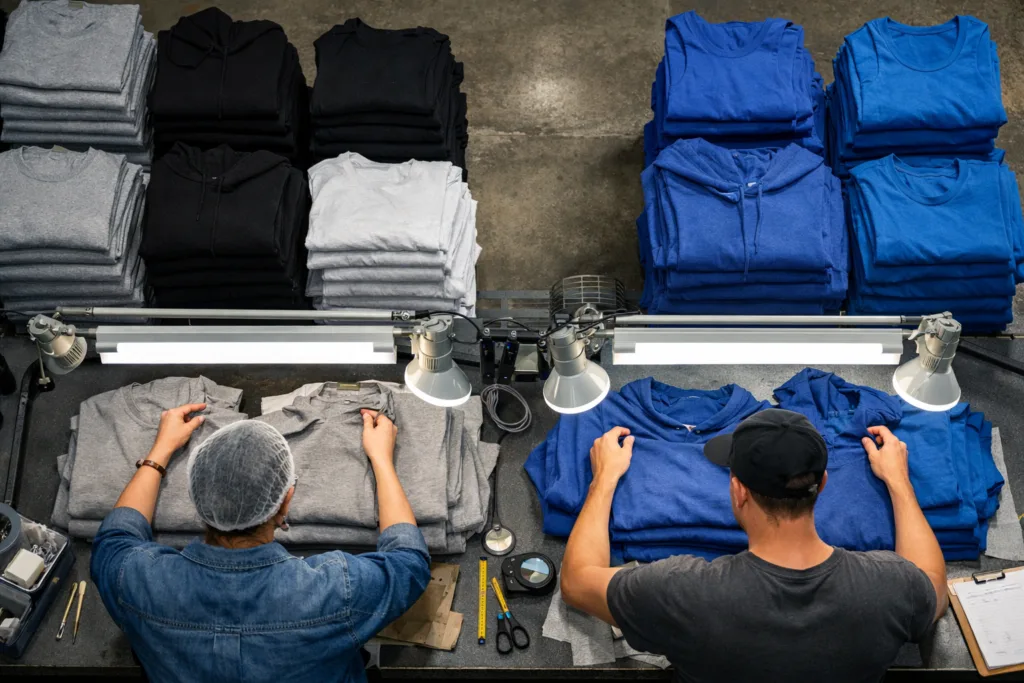
Fabric consolidation is a strategic solution for apparel brands seeking cost savings, faster production, and SKU management efficiency. By using one material for several styles, you unlock better supplier deals, reduce waste, and deliver consistent quality. However, every brand has unique needs; always weigh the trade-offs with your team and supplier. With careful planning and open communication, consolidating orders using the same fabric for multiple styles might just be the design strategy that empowers your next collection.
Frequently Asked Questions
What is fabric consolidation in apparel manufacturing?
Fabric consolidation is the practice of combining multiple style or SKU orders into one bulk fabric order, maximizing efficiency and leveraging supplier terms.
How does using the same fabric help with MOQ requirements?
It allows brands to pool yardage across different styles, meeting minimum order quantities and enjoying better pricing and lead times.
Is it risky to design different styles using one fabric?
While versatile fabrics work for many styles, there’s a risk of compromised fit, look, or customer appeal if the fabric isn’t well-matched to each design.
Can trims and colors be consolidated with the main fabric?
Yes, but some suppliers enforce separate minimums for trims and colorways. Always negotiate and confirm during sampling and planning.
Do manufacturers charge extra to split fabric across SKUs?
Some do, depending on complexity and quantity splits. Discuss fees and processes upfront to avoid unexpected costs.
Are there software tools for SKU management when using one fabric?
Many ERP and PLM systems help track fabric allocations, style codes, and production status for streamlined multi-SKU orders.