
Top Streetwear Apparel Types Explained
Streetwear apparel has shaken up the fashion world with its bold forms, vivid energy, and clear cultural roots. From simple T-shirts to stylish cargo pants and hoodies, streetwear blends comfort and attitude. Every garment tells a story. This guide breaks down the essential types, their features, and why they matter for streetwear brands and buyers.
What Is Streetwear Apparel?
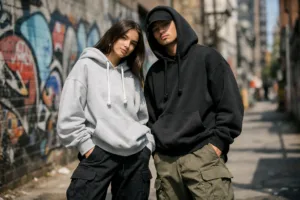
Streetwear apparel refers to clothing inspired by skateboarding, hip hop, sports, and urban lifestyles. It values self-expression, oversized fits, and graphic design. Common pieces include hoodies, cargo pants, graphic tees, sneakers, and jackets. Each type adapts classic work, military, or athletic wear to today’s trends. Brands use streetwear to make loud statements, create community, and drive fashion’s next wave.
Key Streetwear Apparel Types

Let’s explore the top streetwear categories found in both niche labels and major collections. These items anchor the look and set brands apart in the market.
Hoodies
Hoodies are the backbone of streetwear. They combine comfort with streetwise edge. Most are made with cotton fleece (280–360 gsm) or brushed French terry. Modern options also include recycled polyester or organic cotton blends, balancing warmth and environmental care.
- Fit: Boxy and relaxed, oversized sleeves, drop shoulders
- Details: Kangaroo pockets, ribbed cuffs/waistbands, double-layer hoods, metal-tipped drawcords
- Decoration: Plastisol prints, puff embroidery, chenille patches, spray dye finishes
If you seek mass production for branded hoodies, working with a hoodie manufacturer is vital for large-scale consistency and garment quality.
Cargo Pants and Shorts
Cargo pants and shorts draw from military classics. Their roomy fit, sturdy cotton twill, and extra pockets embody utility. Streetwear designers remix these with bold colors, patchwork, nylon trims, and elasticated waists. Popular fabrics include 240–280 gsm cotton twill or nylon-cotton blends, offering both durability and texture.
- Pocket Styles: 3D patch, flap, zipper, snap-closure
- Waist Closures: Elastic, drawcord, belt loops, metal D-rings
- Trends: Tapered legs, contrast stitching, paint splatter prints
For brands, finding reliable shorts manufacturers ensures repeatable finish and fit, crucial for larger orders and collaborations.
Graphic T-Shirts
Graphic T-shirts are the billboard of street culture. Most use 180–240 gsm combed or ring-spun cotton. Silhouettes run wide and boxy for a relaxed street look.
- Prints: Water-based, plastisol, DTF (direct-to-film), or all-over sublimation for polyester blends
- Necklines: Set-in or rib collar, double-needle topstitch
- Colors: Pastel, muted tones, and neon brights
Effective production starts with strong t-shirts supplier partnerships who can color-match Pantones, guarantee shrinkage control, and deliver soft, lasting prints.
Crewneck Sweatshirts
The crewneck sweatshirt is a layering staple. Modern streetwear uses heavier-weight French terry, brushed fleece, or even blends with recycled content. Key design moves include raglan or drop-shoulder sleeves for a sport-inspired feel.
- Decoration: Puff prints, appliqué, embroidery, acid or garment-dye finishes
- Trims: Thick rib bands, contrast inside neck tape, label patches
- Fit: Boxy, cropped, or elongated body lengths
Track Pants and Joggers
Track pants and joggers stem from athletic roots, but streetwear elevates them with new shapes and details. Fabrics range from midweight fleece (260–340 gsm) to stretch cotton or lightweight tech knits (double-knit poly or nylon blends).
- Features: Elastic/drawcord waists, zipped pockets, zip or cuffed hems, reflective piping
- Waistbands: Soft plush elastics, branded labels, silicone tips
- Decoration: Side stripes, tonal taping, direct embroidery
Overshirts and Shackets
Overshirts (“shackets”) blur lines between shirts and lightweight jackets. They usually feature dense cotton twill, brushed flannel, or light canvas (~180–240 gsm). Practical and on-trend, they layer easily over tees or hoodies.
- Pockets: Double chest, side seam, or bellowed cargo styles
- Closure: Snaps, resin buttons, or rugged “mil-spec” zippers
- Details: Drop shoulders, box pleats, badge or patch branding
Statement Outerwear (Bombers, Parkas, Windbreakers)
Outerwear gives streetwear both form and flare. Bomber jackets, parkas, and windbreakers use water-resistant nylon, technical poly blends, or heavy wool. Lining often features quilted poly or mesh for breathability. Striking graphics, bold shell colors, and overdone logos remain popular.
- Closure details: Chunky vislon zippers, snap plackets, storm flaps
- Trims: Rib cuffs, elastic hem bands, utility belts, movable hoods
- Decoration: Back and sleeve embroidery, large rubber patches, reflective tape
Caps, Beanies, and Accessories
No streetwear fit is complete without the right headwear or utility add-ons. Classic caps, knit beanies, crossbody bags, webbing belts, and technical socks round out the assortment. Look for heavyweight cotton twill, acrylic beanies, or tapestry knits. Details often include bold logos, 3M reflective hits, and eye-catching color blocking.
Comparing Streetwear Apparel Types
Distinct garment types offer different benefits, feels, and applications. The table below sets out the main choices, helping designers and buyers choose the right match for their brand.
| Apparel Type | Main Fabric | Best-Use Scenario | Key Features |
|---|---|---|---|
| Hoodie | Fleece (Cotton or blend) | Seasonless, graphic-heavy | Warmth, large print area, versatile layering |
| Cargo Pant | Cotton/Nylon Twill | Utility/street/urban | Pockets, heavy-gauge stitching, durable |
| Graphic T-shirt | Combed Cotton | Year-round, brand visibility | Soft hand, easy branding, universal wear |
| Crewneck Sweat | French Terry | Layering, chill weather | Cozy, durable, takes dye/print well |
| Jogger | Fleece/Tech Knit | Active/casual daywear | Elastic hem, zip pockets, comfort |
| Overshirt | Twill/Canvas | Transitional weather, layering | Structured, utility pockets |
| Bomber Jacket | Nylon/Poly | Outerwear, statement piece | Padded, zip sleeve pocket, rib trims |
Key Construction Elements in Streetwear Apparel
Manufacturing streetwear apparel demands sturdy construction and consistently on-trend fits. Technical details can make or break a garment’s appeal and durability.
Stitching Types and Quality
Streetwear garments encounter heavy daily use. Hoodies and sweatpants use coverstitch and flatlock (ISO 406/607) stitching for stretch and comfort. Denim, cargos, and shackets rely on bar-tacks at stress points and heavy lockstitch (ISO 301) for pocket attachment. Quality control ensures even stitch density and minimal pucker, keeping everything sturdy wash after wash.
Fabrics and Finishes
Popular materials include brushed fleece, single jersey, cotton drill, and technical blends for weather resistance. Emerging brands often select hemp fabric for sustainability or recycled poly, nodding to eco-conscious values. Moisture-wicking, antimicrobial, and water-repellent finishes keep apparel functional from skatepark to city street.
Color and Decoration
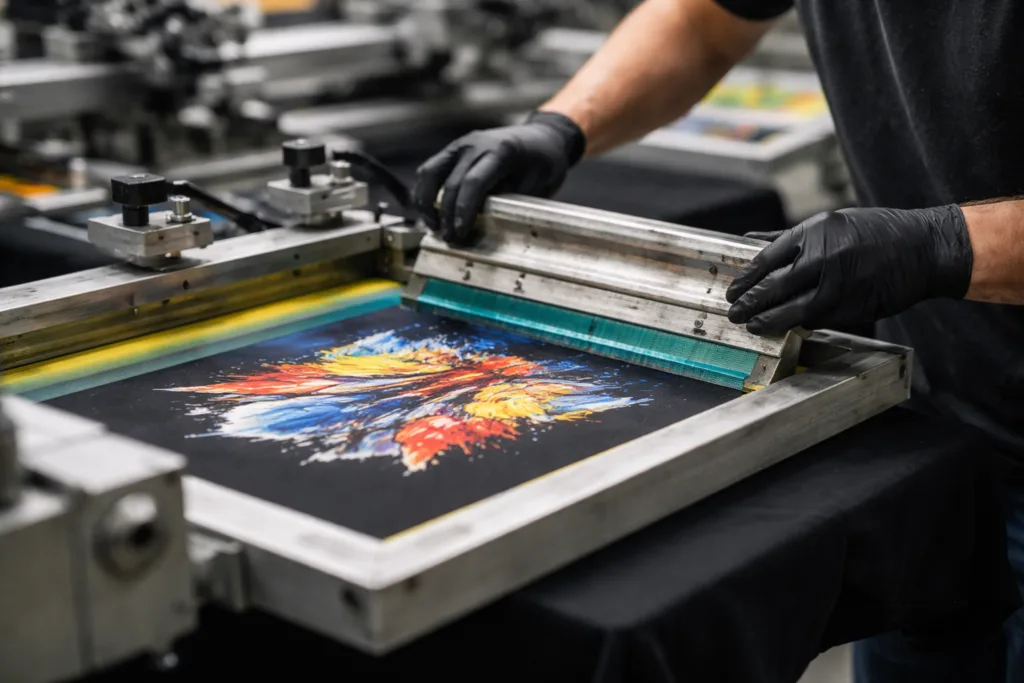
Streetwear is known for fearless color. Lab dips and Pantone-matched strike-offs control shade accuracy. Common print methods include screen print (water-based for softer hand, plastisol for vibrant color), direct-to-garment (DTG), and embroidery. Pre-wash, garment dye, or all-over prints add extra attitude and resilience.
Details That Matter
- Metal or branded drawcord tips on hoodies and pants
- Custom jacquard woven labels or chunky rubber branding
- Multiuse pockets and technical hardware for crossbody bags and pants
- Control of shrinkage and colorfastness (ISO and AATCC tested)
All these features build perceived value and long-lasting wear, essential for loyal brand followings.
Choosing the Right Streetwear Manufacturer
For brands, finding the right production partner is just as important as great design. Key needs include flexibility on minimum orders, pattern development for oversized silhouettes, and full customization abilities. Reliable apparel customization ability supports unique trims, complex placement prints, or eco-focused fabrics.
Partnering with factories like Ninghow Apparel provides both OEM (original equipment manufacturing) for private label and ODM (original design manufacturing) for co-created collections. High-quality fit and finishing, material sourcing, and ethical workflow ensure your streetwear line scales from bold concept to successful drop.
Quality Control (QC) and Compliance
Streetwear buyers demand consistency. Factories should offer in-line and final QC (AQL random sampling) to check trims, print sharpness, shade bands, and spec measurements. Compliance with REACH or OEKO-TEX Standard 100 matters for European and US brands, especially when using custom treatments or imported materials. Third-party safety, durability, and wash testing is common for high-volume production.
How to Design and Launch a Streetwear Line
Streetwear success balances creativity, planning, and technical precision. Here’s a quick roadmap for launching your own line:
- Trend and Market Research — Study streetwear bestsellers, niche hype drops, and community-driven brands. Understand your buyer’s priorities.
- Build Your Tech Packs — Provide detailed sketches, fabric specs (GSM, yarn, finish), trim details, and print/decoration placements. Tolerance tables and fit sketches reduce sample rounds and avoid production error.
- Choose Key Styles — Focus on 2–4 hero pieces at first, such as the perfect hoodie, a graphic tee, and an innovative jogger or cargo short.
- Sample and Refine — Work through prototyping, fit adjustments, and color approvals before confirming your “production sign-off” sample.
- Bulk Production and QC — Finalize all trims and labels. Approve pre-production (PP) samples before going into full-scale cut and sew.
- Brand and Market Your Collection — Tie every piece to your community, story, and values for a lasting impression.
Detailed planning prevents costly mistakes. Brands can also benefit from guides on managing the timeline from sample to store.
Pro Tip: Invest early in fabric testing and multiple fit sizes (grading) for global appeal. Consistent fit and feel build loyalty.
Streetwear Apparel: Sustainability & Future Trends
Streetwear brands are building for the future by prioritizing sustainable t shirt manufacturing and recycled content. Upcycled materials, eco-labels, biodegradable trims, and water-based inks are trending. Tech-driven innovations such as laser finishing, modular details (removable hoods or pockets), and smart labeling systems increase uniqueness and reduce waste. Social values like fair wages and low-impact dyes matter to the next generation of streetwear buyers.
- Organic (GOTS or OCS certified) and recycled poly blends
- Responsible packaging: recycled bags, cardboard swing tags
- Carbon offset programs and transparent supply chains
Streetwear Apparel in Action: Brand Case Studies
Top streetwear brands succeed by mixing iconic items with sharp fit, strong narrative, and relentless quality control. For example, tactile prints on hoodies and bombers connect fans to the brand’s story; oversized, well-finished cargo pants signal status and comfort; tightly executed basics (tees, sweats) allow buyers to layer and mix, driving repeat purchase. Many brands, from start-ups to established names, partner with OEMs like Ninghow Apparel for consistency, capacity, and scalable growth.
Streetwear Apparel: Checklist for New Brands
The market is crowded. Stand out with these essentials:
- Visual style: clear, intentional design—each piece should reinforce your brand values
- Fit: develop signature proportions—relaxed, cropped, or oversized according to your audience
- Material choice: use fabrics that combine comfort, appearance, and durability
- Brand execution: prioritize strong labeling, unique trims, and durable prints/embroidery
- Sustainability: consider recycled or organic fabrics and ethical manufacturing at every stage
- Community: build ongoing buyer engagement through events, social media, and limited drops
Whether you’re starting small or scaling fast, picking the right manufacturing partner unlocks high quality and dependable fit, while freeing you to innovate and grow your streetwear brand.
Frequently Asked Questions
What is streetwear apparel?
Streetwear apparel includes casual, often oversized clothing inspired by urban culture, skateboarding, and music scenes, featuring items like hoodies and cargo pants.
What fabrics work best for streetwear?
Popular fabrics include cotton fleece for hoodies, cotton twill for cargo pants, combed or ring-spun cotton for T-shirts, and technical blends for outerwear and joggers.
How is streetwear apparel different from regular casualwear?
Streetwear uses bolder graphics, unique trims, utility pockets, and oversized fits, drawing on sports, workwear, and military influences for its distinct look.
Why are hoodies and cargo pants so popular in streetwear?
Hoodies offer comfort and a wide space for graphics; cargo pants provide both style and utility with their extra pockets and rugged appeal.
How important is sustainable manufacturing for streetwear brands?
Sustainability is increasingly vital, with many brands choosing organic or recycled fabrics, responsible dyeing, and ethical supply chains to meet growing buyer demand.
What should I look for in a streetwear manufacturer?
Look for full customization, consistent fit, strong quality control, compliance with standards, ethical practices, and expertise in both small and large orders.