

Why Hoodies Are an Apparel Staple
Hoodies have become one of the most iconic garments in modern fashion—beloved for their comfort, functionality, and versatility. Whether it’s streetwear, loungewear, or high-end athleisure, the hoodie has evolved far beyond its humble beginnings as workwear. But for beginners in clothing manufacturing, hoodie production can feel like an intimidating world full of fabric options, sizing dilemmas, and production logistics.
Fear not! This complete beginner’s hoodie manufacturing guide breaks down the process into easy-to-follow steps, ensuring that you understand what it takes to go from idea to finished product. Whether you’re starting a clothing line or creating hoodies for an event or business, this guide offers insights, experience-backed tips, and realistic expectations.
Understanding Hoodie Styles and Materials
Before diving into the manufacturing nitty-gritty, it’s important to understand the basic variations in hoodie styles:

- Pullover hoodies: Classic and simple with no zipper.
- Zip-up hoodies: More versatile and adjustable with full or half-length zippers.
- Oversized hoodies: Trendy streetwear choice.
- Slim-fit hoodies: Sleek and athletic, popular in activewear.
The most common hoodie materials include:
- Cotton fleece: Soft, breathable, and ideal for casual wear.
- Polyester blends: Durable, wrinkle-resistant, often used in sportswear.
- French terry: Lightweight and looped for midweight options.
- Sherpa-lined or brushed fleece: Warm and cozy for winter wear.
Choosing the right style and material combination is key to aligning with your target audience and brand vision.
Identifying Your Target Market and Hoodie Trends
Not all hoodies are created equal—and neither are the customers who wear them. Your hoodie design and manufacturing process should start with market research:
- Who will wear your hoodie?Youth, athletes, professionals, or fashion-forward consumers?
- What are your competitors doing?Analyze top-selling hoodies on platforms like ASOS, Nike, or small streetwear brands.
- What’s trending?Look at seasonal colors, graphic prints, and sustainability trends.
This research phase ensures your hoodie isn’t just made—it’s made to sell.
Selecting the Right Fabric for Hoodies
Fabric isn’t just about feel—it affects weight, stretch, breathability, and cost. Beginners often overlook fabric sourcing, but it’s critical. Look for:
| Fabric Type | Best For | Pros | Cons |
| Cotton Fleece | Casualwear | Soft, breathable | Shrinks without pre-treatment |
| Polyester Blend | Activewear | Durable, wrinkle-free | Less breathable |
| French Terry | Midweight hoodies | Moisture-wicking | Less plush |
| Recycled Fabric | Eco-friendly brands | Sustainable | Higher cost |
Work with reputable fabric suppliers who provide swatches, test certifications, and MOQs that fit your budget.
Designing Your First Hoodie: From Sketch to Spec Sheet
A hoodie begins with a vision. Here’s how to get that idea onto paper—and then into production:
Sketch it – Draw the front, back, and side view. Use apps like Procreate or Adobe Illustrator.
- Add measurements– Include chest width, sleeve length, body length, hood depth, etc.
- Detail features– Pocket shape, drawstring ends, ribbed cuffs, embroidery placements.
- Create a tech pack– A document manufacturers need that includes all design specs, color codes, size grading, fabric type, and print locations.
Even basic hoodies benefit from professional-looking tech packs—it prevents miscommunication and manufacturing errors.
Breaking Down the Hoodie: Parts and Purposes
A quality hoodie includes more than just a body and a hood. Here’s a breakdown:
- Body Panel– Front and back, often a single piece or joined at side seams.
- Sleeves– Raglan or set-in, depending on fit preference.
- Cuffs and Hem Ribbing– Add structure and elasticity.
- Hood Panels– Two-panel or three-panel constructions.
- Drawcord– Functional and stylistic.
- Pocket– Kangaroo or side pockets for pullover styles.
Understanding these components helps you design more intentionally and communicate better with your factory.
Creating Patterns for Your Hoodie Design
Pattern making is where creativity meets precision. Once your design is finalized, the next step is transforming those concepts into technical blueprints.
Patterns are essentially templates for each piece of fabric that will form the hoodie—sleeves, front and back panels, hood, cuffs, and pocket pieces. Beginners can start with:
- Manual Pattern Drafting: Using paper, rulers, and basic tailoring tools.
- Digital Pattern Software: Tools like Gerber, Optitex, or Clo3D allow for 3D mock-ups and easy size grading.
The key to a great hoodie pattern lies in balancing form and function. Oversized fits require different sleeve angles and lengths than slim cuts. It’s best to test your pattern with a prototype before mass production to catch any proportion issues early.
Accurate Fabric Cutting Techniques for Hoodies
Cutting is a surprisingly complex step in the hoodie manufacturing journey. Here, accuracy affects not only the fit but also fabric utilization—crucial for cost control.
Key cutting techniques include:
- Manual Cutting: Best for low volumes and sampling. Requires sharp shears and pattern weights.
- Layered Cutting with Electric Cutters: Ideal for bulk production, where multiple fabric layers are cut simultaneously.
- Laser Cutting: Precision-perfect for technical or high-end hoodies.
The grainline of the fabric must be respected during cutting. Misaligned grainlines result in twisting seams and poor drape—common beginner mistakes.
Step-by-Step Hoodie Sewing and Assembly
With the fabric pieces ready, it’s time for sewing—the stage where your hoodie begins to take shape.
Here’s a simplified breakdown of the typical sequence:
- Sew shoulder seamsto connect front and back body panels.
- Attach sleeves, either raglan or set-in.
- Join side seams, creating the tubular form of the body.
- Assemble the hoodby sewing hood panels together and attaching the drawstring casing.
- Attach the hoodto the neckline.
- Sew on ribbed cuffsto the sleeve ends and waistband.
- Add pockets, typically stitched onto the front panels.
- Topstitch and finishwith reinforcements and clean hems.
Industrial machines like overlockers (sergers) and coverstitch machines are typically used to ensure durable, professional-looking seams.
How to Construct and Attach the Hood Properly
The hood is the crowning element of any hoodie—literally. A well-constructed hood should:
- Match the necklinecurvature exactly
- Have enough depthto cover the head comfortably
- Include a casingfor drawstrings (with or without eyelets)
Beginners should opt for a two-panel hood for simplicity, while advanced styles might use a three-panel design for a contoured fit. Always double-stitch the hood attachment seam for strength, especially if it will carry the tension of drawcords.
Adding Sleeves, Cuffs, and Waistbands
Sleeves, cuffs, and waistbands are not just aesthetic choices—they shape the comfort and wearability of a hoodie.
Sleeves can be:
- Set-in: A standard approach with clean armholes.
- Raglan: Sportier, easier to sew, and roomier at the shoulders.
Cuffs and waistband are made from rib-knit fabric, offering stretch and elasticity. It’s important to:
- Cut ribbing shorter than the sleeve/wrist opening for a snug fit.
- Use stretch stitches or overlock seams to allow movement without tearing.
Finishing these correctly ensures your hoodie doesn’t just look good—it feels good too.
Different Pocket Styles for Hoodies
Pockets are a crucial design and functional feature. Here are common types:
- Kangaroo Pocket: Sewn on the front center; easy and popular in pullovers.
- Side Entry Pockets: Common in zip-ups; integrated into side seams.
- Zipped Pockets: Secure storage for activewear.
- No Pocket: A cleaner look, used in minimalist fashion lines.
Each pocket style affects cutting, stitching time, and the final price of your hoodie.
Pullover or Zip-Up? Choosing the Right Hoodie Style
This choice dramatically changes the hoodie’s construction:
| Style | Pros | Cons |
| Pullover | Cozy, classic, faster to sew | Less adjustable, harder to remove |
| Zip-Up | Versatile, sporty, easier wear | More expensive due to zippers and stitching time |
Zippers require specific sewing techniques and additional materials, like zipper tapes and stops. Decide based on your brand’s aesthetic and your audience’s lifestyle.
Inner Linings: Fleece, Sherpa, and Beyond
The lining can elevate a hoodie from basic to premium. Options include:
- Brushed Fleece: Standard soft interior on cotton or poly hoodies.
- Sherpa: Wool-like lining, cozy and warm—great for winter lines.
- Mesh: Breathable for athletic hoodies.
- No Lining: For summer or lightweight styles.
Your choice will impact the hoodie’s weight, warmth, and price. Always communicate your lining expectations clearly with manufacturers.
Adding Custom Prints, Embroidery, and Logos
Branding makes your hoodie yours. You can personalize hoodies with:
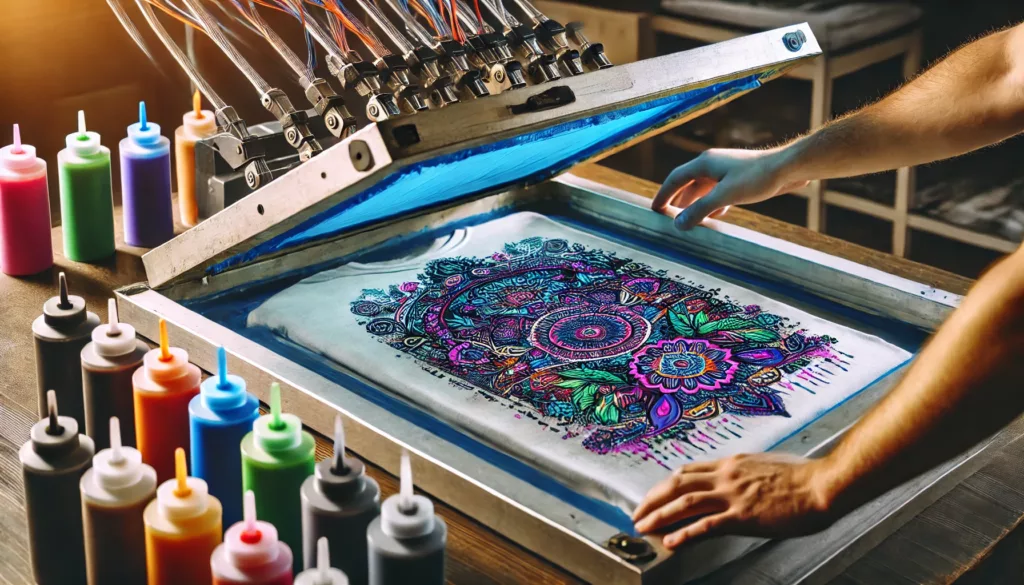
- Screen printing: Best for bulk orders and bold graphics.
- DTG (Direct-to-Garment): Ideal for complex designs and low MOQ.
- Embroidery: For logos and text with a premium touch.
- Patches or appliqué: Great for streetwear branding.
Design files must be high resolution, ideally in vector format (AI, EPS, SVG), and color-separated if screen printing is used.
Why Sampling is Crucial Before Mass Production
Never skip this step. A production sample lets you:
- Test the fit, fabric, and construction
- Evaluate embellishmentsand color accuracy
- Identify adjustmentsbefore making hundreds (or thousands) of hoodies
It’s better to spend a little on a sample than a lot on a faulty bulk order.
Creating Size Charts and Grading Your Hoodie
You’ll need more than just S/M/L. Good sizing ensures inclusivity and fit consistency.
- Start with base size(usually M) and grade up/down.
- Include body length, chest, sleeve length, cuff width, etc.
- Fit test samples on real models for feedback.
Well-graded sizes improve customer satisfaction and reduce returns.
How to Choose the Right Manufacturer for Hoodies
Your manufacturer is your partner in success. Look for:
- Proven experience with cut-and-sew hoodies
- Low minimumsfor beginners (e.g., 50–100 units)
- Support for sampling and customization
- Good communication and transparency
Ask for factory photos, past client samples, and certifications (ISO, WRAP, etc.) when vetting potential partners.
Extended reading: 7 Key Roles of a Hoodie Manufacturer
Minimum Order Quantities and Hoodie Cost Breakdown
Understanding the Minimum Order Quantity (MOQ) and pricing structure is essential when planning your hoodie launch. MOQs vary by manufacturer, but beginners can expect:
- Standard MOQ: 100–300 pieces per style
- Low MOQ Options: Some factories offer as low as 50 units, ideal for new brands
Here’s a basic hoodie cost breakdown:
| Cost Factor | Estimated Range |
| Fabric (per piece) | $3 – $8 |
| Labor (cut, sew, finish) | $4 – $10 |
| Printing/Embroidery | $1 – $5 |
| Labels and Tags | $0.50 – $2 |
| Packaging | $0.50 – $1 |
| Shipping | $1 – $4 (varies by location) |
Total Estimated Cost: $10 – $30 per unit (depending on volume, design, and materials)
Margins can be set based on your retail strategy, but a 2.5x–4x markup is typical for apparel.
Quality Checks Before Finalizing Your Hoodie Batch
Never underestimate the power of Quality Assurance (QA). A strong QA process prevents customer complaints and brand damage. Key QA checks include:
- Seam strength and stitch density
- Symmetry in sleeves and hoods
- Print alignment and clarity
- Fabric consistency (color, weight)
- Fit accuracy based on size chart
Conduct these checks before the garments leave the factory, either through third-party inspection services or factory quality teams. Include AQL standards (Acceptable Quality Limit) in your purchase agreement if you’re doing large volumes.
Sustainable Hoodie Manufacturing Practices
Sustainability is no longer a bonus—it’s a brand expectation. Start-ups and established labels alike benefit from eco-conscious production.
Sustainable practices include:
- Organic or recycled fabrics
- Water-based inks for printing
- Factories with renewable energy sources
- Plastic-free packaging
Certifications like GOTS (Global Organic Textile Standard) or GRS (Global Recycled Standard) can validate your claims. Plus, it’s a great story to tell in your marketing.
Custom Packaging, Hang Tags, and Branding Touches
Packaging is part of your hoodie’s first impression. Options include:
- Eco-friendly kraft boxes or mailers
- Recyclable polybags
- Branded tissue paper and sticker seals
Add-on branding touches:
- Custom hang tags with QR codes
- Woven neck labels or printed interior tags
- Thank-you cards or brand story inserts
These small details elevate your hoodie from “product” to “experience.”
Managing Hoodie Delivery and International Shipping
Shipping logistics can be a maze, but here are some key steps:
- FOB (Freight on Board): You handle shipping from the port.
- DDP (Delivered Duty Paid): Manufacturer handles end-to-end delivery.
- Air Freight: Fast but more expensive.
- Sea Freight: More affordable for bulk orders, but takes longer (20–45 days).
Always factor in customs, duties, and taxes for your destination country. Some manufacturers help with documentation and logistics, which is a big plus for beginners.
Launching and Promoting Your Hoodie Brand
You’ve made the hoodie—now let the world know! Here are proven strategies to launch successfully:
- Build hype pre-launch via Instagram and TikTok teasers.
- Use influencers or micro-ambassadors to show off samples.
- Create a brand story on your website to resonate emotionally.
- Leverage email marketing for early-bird access and special discounts.
- Offer a limited edition drop to drive urgency and exclusivity.
Your marketing doesn’t have to be expensive—just intentional, consistent, and authentic.
Frequently Asked Questions About Hoodie Manufacturing
What’s the best fabric for hoodies?
Cotton fleece is a top choice for comfort and versatility. Polyester blends are better for sportswear or weather resistance.
Can I manufacture hoodies with a low budget?
Yes, by simplifying your design and choosing affordable materials. Start small, test the market, and scale from there.
How long does hoodie manufacturing take?
Sampling can take 7–14 days. Bulk production typically requires 3–6 weeks, depending on order size and factory workload.
Should I choose a local or overseas manufacturer?
Local offers faster shipping and easier communication. Overseas is often more affordable for bulk but requires longer lead times and logistics planning.
What if I want to add zippers and embroidery?
You’ll need to update your tech pack with detailed placements and specs. It adds cost but offers more branding options.
How do I ensure consistent hoodie sizing?
Use a professional pattern maker and test your samples across different body types. Include a detailed size chart in your tech pack.
Final Tips for Hoodie Manufacturing Beginners
Starting your own hoodie line is both exciting and overwhelming. But with a solid understanding of materials, construction, and manufacturing logistics, you’re already ahead of the curve. The key is to start small, pay attention to detail, and stay connected to your brand’s purpose.
Hoodies offer a blank canvas to express your creativity and connect with your community—whether you’re creating cozy campus wear, edgy streetwear, or branded merchandise. Remember, even the biggest brands started with a sample and a sketch.
Clear Call-to-Action (CTA):
Looking to bring your hoodie designs to life?
Ninghow Apparel is a trusted Hoodie manufacturer offering customized wholesale hoodies, POLO shirts, T-shirts, and more for startups, businesses, and events. Whether you need premium embroidery, branded labeling, or eco-conscious fabric options, we’ve got your back—from sample to shipment.
👉 Contact us today to start your hoodie production journey
👉 Explore our hoodie catalog and customization options
👉 Follow us on Instagram and LinkedIn for behind-the-scenes looks
Let’s create something your customers will love to wear—again and again.