
Introduction
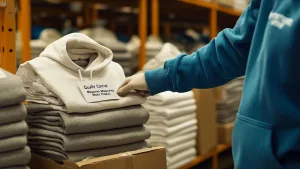
Imagine this: you have a killer hoodie design in mind, the kind that turns heads on the street. But how do you go from concept to creation? That’s where a hoodie manufacturer steps in. The hoodie isn’t just a fashion staple—it’s a canvas for creativity, a brand’s identity stitched into fabric. But behind that comfortable, cozy exterior is a well-oiled production machine that blends creativity, engineering, and business logistics.
Understanding what a hoodie manufacturer does is essential whether you’re a fashion startup, a streetwear enthusiast, or simply curious about how your favorite pullover came to be. Let’s unzip the hoodie-making process and dive deep into the craft.
Hoodie Manufacturer Overview
A hoodie manufacturer is a specialized garment production company or facility that designs, develops, and mass-produces hooded sweatshirts. They operate across the full lifecycle of apparel manufacturing—from ideation and material sourcing to bulk production and quality control.
There are typically two types:
- OEM (Original Equipment Manufacturer): They work based on your design and specifications.
- ODM (Original Design Manufacturer): They offer their own pre-made designs that you can rebrand.
Whether it’s for retail stores, online clothing brands, schools, or promotional events, these manufacturers are the engines driving hoodie fashion worldwide.
Design and Concept Development
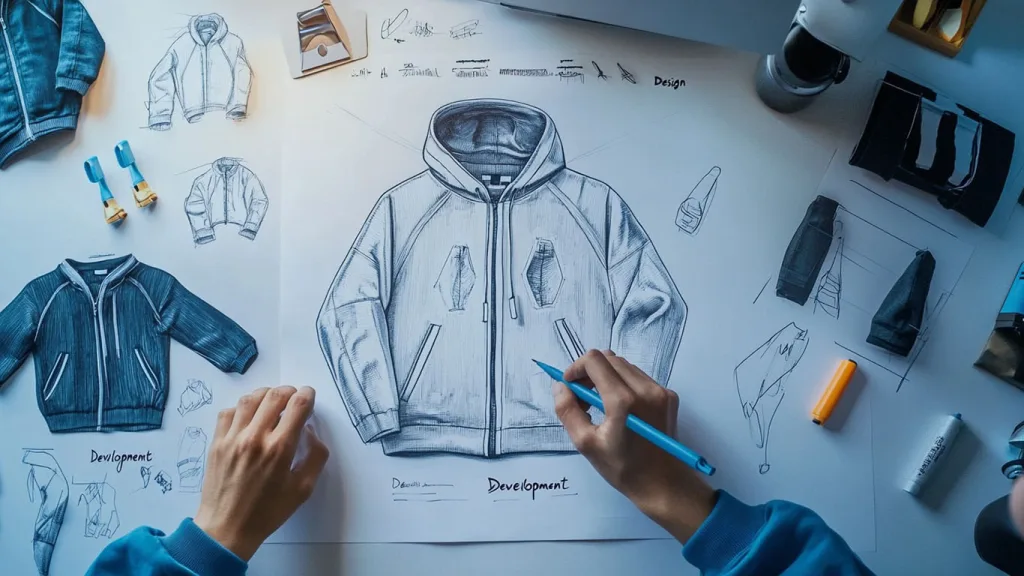
Manufacturers are often involved early on in the design phase. While some brands provide detailed tech packs and sketches, others only have a rough concept. In either case, manufacturers help refine:
- Fit and silhouette
- Fabric type and weight
- Color palette and dye method
- Zipper or pullover options
Some even offer graphic design support for prints and logos. Think of them as both your technical partner and creative consultant.
Material Sourcing and Fabric Selection
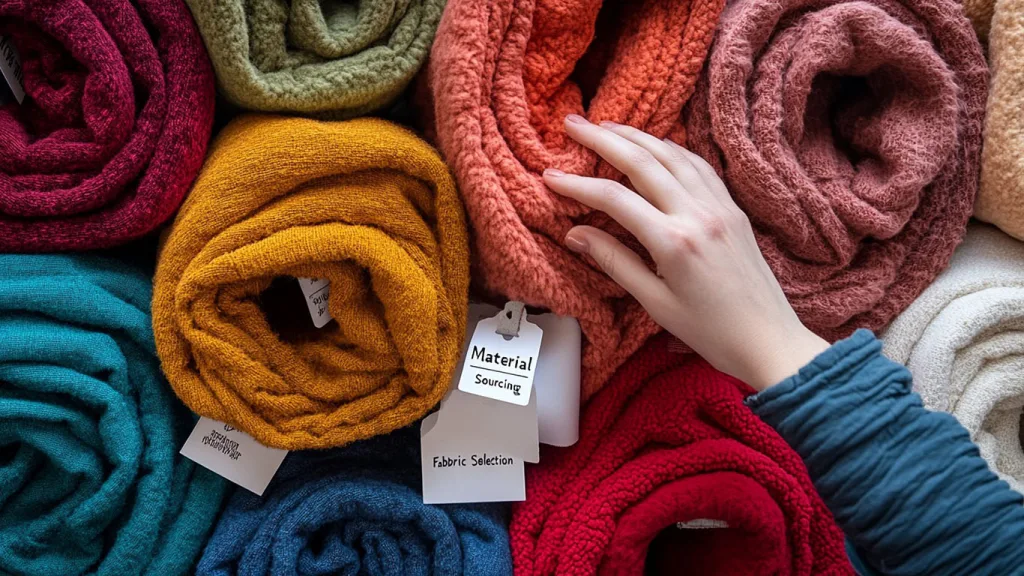
This is a pivotal step that defines the hoodie’s quality, comfort, and durability. Manufacturers typically offer:
- Cotton (combed, ringspun, organic)
- Polyester blends
- French terry
- Fleece
- Recycled fabrics
The hoodie manufacturer ensures the fabric meets specs for softness, stretch, shrinkage, and breathability. They often collaborate with mills or textile agents to source eco-friendly or performance-based fabrics as well.
Pattern Making and Sampling
Once the design is approved, it’s time to create patterns—digital or paper templates used to cut the fabric accurately. Then comes the sample phase:
- Fit sample: Tests the size and proportions
- Sales sample: For photoshoots or client approvals
- Pre-production sample: Final version before mass manufacturing
This phase is critical to avoid costly errors later.
Cut and Sew Process
Cutting and sewing is where the magic happens. Skilled operators and automated machines cut the fabric into hoodie panels (sleeves, body, hood). Next, these parts are sewn together with industrial machines.
Key sewing processes include:
- Flatlock stitching
- Overlocking
- Coverstitching
This stage ensures durability and consistency in each piece.
Customization Options
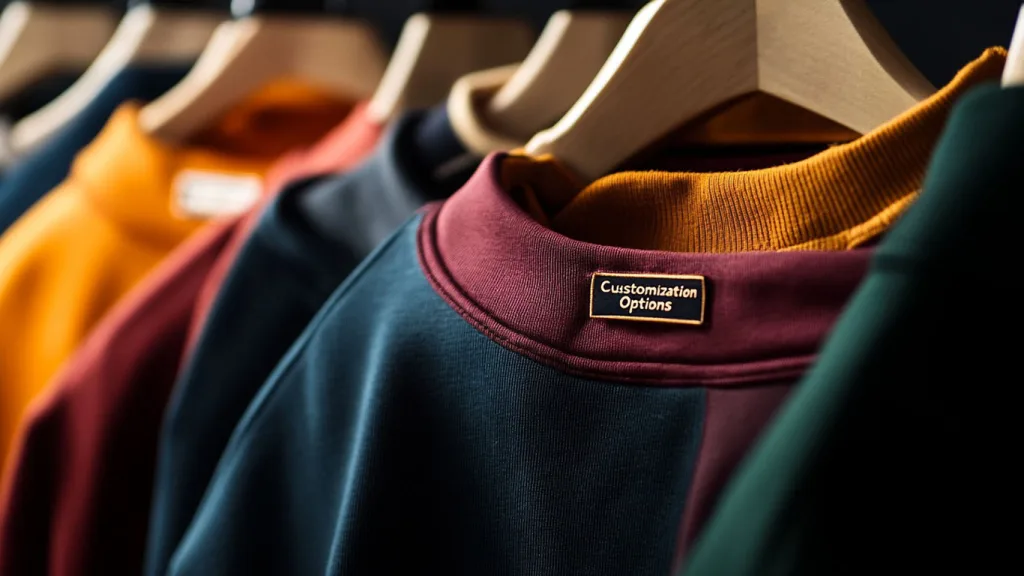
What truly sets a brand apart is customization. Manufacturers offer:
- Screen printing or DTG (Direct-to-Garment)
- Embroidery
- Woven or printed neck labels
- Custom packaging (poly bags, boxes)
- Hangtags, zipper pulls, drawcords
These extras give your hoodie a branded, premium feel and turn a basic garment into a unique piece.
Mass Production

Once samples are approved, production ramps up. Depending on the scale, manufacturers use:
- Automated sewing lines
- Laser cutting
- Heat pressing stations
They manage hundreds or thousands of units per week, maintaining quality while meeting tight deadlines.
Quality Control Measures
QC teams inspect at multiple stages:
- Fabric inspection before cutting
- Stitch accuracy
- Print alignment
- Color consistency
- Final garment inspection
Random batch checks, needle detection machines, and barcode tracking all help eliminate errors and ensure every hoodie meets the standard.
Sustainability Practices
Today’s hoodie manufacturers increasingly adopt:
- Organic cotton and recycled polyester
- Low-impact dyes
- Water-saving dye processes
- Fair labor practices
Brands and consumers alike demand transparency and eco-consciousness, so manufacturers are stepping up to the challenge.
Costing and Budgeting
Hoodie manufacturers calculate costs based on:
- Fabric and trims
- Labor and production time
- Printing and embroidery
- Packaging
- Overhead and profit margins
They also factor in MOQ (Minimum Order Quantity), which varies depending on fabric type and customization complexity.
Lead Time and Delivery
Typical hoodie production timelines:
- Sampling: 7–14 days
- Bulk production: 20–45 days
- Shipping: 7–30 days depending on location and mode
Manufacturers coordinate freight forwarding, customs documentation, and warehouse delivery if needed.
Private Label Manufacturing
Private label hoodie manufacturers produce blank or semi-custom hoodies you can brand as your own. It’s a fast-track option ideal for:
- Streetwear startups
- Corporate apparel
- Influencers launching merch
This lets you focus on marketing while the manufacturer handles the heavy lifting.
Working with Brands and Designers
Manufacturers act as collaborative partners, advising on:
- Material performance
- Scalability of designs
- Cost optimization
- Legal compliance (e.g. flammability standards)
Their hands-on experience brings design dreams to life efficiently and affordably.
Prototyping for Startups
For startups, hoodie manufacturers often serve as technical mentors. They offer:
- Low MOQ sampling
- Budget-friendly material options
- Suggestions to simplify complex designs
- Flexible scaling plans
Startups get guided from a napkin sketch to a polished product ready to launch.
Tech and Automation in Manufacturing
Modern hoodie manufacturing uses:
- CAD software for digital pattern making
- Automated cutting machines
- Embroidery digitizers
- Digital printing tech
- Real-time production dashboards
This tech enhances accuracy, reduces waste, and increases output.
Global vs Local Hoodie Manufacturing
Choosing between local and overseas depends on:
- Cost: Overseas is often cheaper
- Speed: Local may be faster
- Control: Local allows for easier visits and oversight
- Sustainability: Local typically has a lower carbon footprint
Manufacturers often offer hybrid models for global reach with local impact.
Challenges in Hoodie Manufacturing
Common roadblocks include:
- Fabric delays
- Miscommunication on designs
- Unforeseen costs
- Sizing issues across markets
Experienced manufacturers use strong project management and robust communication to navigate these hiccups.
Supply Chain Management
Manufacturers don’t just make hoodies—they manage:
- Raw material logistics
- Factory scheduling
- Packaging supplies
- International freight
It’s a complex dance that keeps your product moving efficiently through the pipeline.
Compliance and Certifications
Look for hoodie manufacturers with:
- ISO 9001 (quality)
- WRAP (ethical labor)
- GOTS (organic textiles)
- Sedex (social responsibility)
These certifications guarantee accountability and professionalism.
Seasonal Production Planning
Fall and winter see hoodie demand spike. Manufacturers work months in advance to:
- Stock winter-appropriate fabrics
- Plan colorways in line with trends
- Avoid bottlenecks in production and shipping
Timing is everything.
Trends in Hoodie Production
Top trends include:
- Oversized streetwear fits
- Recycled material blends
- Drop-shoulder cuts
- Bold, abstract graphics
- Gender-neutral silhouettes
Manufacturers must adapt quickly to stay relevant in the fast-paced world of fashion.
Hoodie Manufacturer Selection Guide
Choosing the right partner? Consider:
- Portfolio and past clients
- MOQ and pricing
- Custom services offered
- Communication and language
- Production capacity
It’s a relationship that can make or break your apparel line.
Common Myths About Hoodie Manufacturers
Let’s bust a few:
- Myth: All hoodie manufacturers are the same.
- Reality: Capabilities and ethics vary greatly.
- Myth: Overseas means poor quality.
- Reality: Many top-quality products come from offshore factories with strict standards.
Future of Hoodie Manufacturing
The future looks high-tech and sustainable:
- On-demand printing
- AI-driven trend prediction
- Smart textiles (temperature regulation, sensors)
- Blockchain for supply chain transparency
Manufacturers are evolving fast to match consumer expectations.
What Does a Hoodie Manufacturer Do?
In short, a hoodie manufacturer is the architect of your clothing vision. They transform fabric, thread, and tech packs into wearable, sellable fashion. From the first sketch to final shipment, they’re behind every detail—ensuring quality, creativity, and timeliness. Whether you’re a big brand or a first-time creator, they are your best ally in the hoodie game.
Frequently Asked Questions
How much does it cost to manufacture a hoodie?
It depends on fabric, design complexity, printing, and location. Prices range from $6 to $30 per piece for bulk orders.
What is the minimum order quantity (MOQ) for hoodies?
MOQ varies by manufacturer, but generally starts at 100–200 pieces per style.
Can I manufacture hoodies without a design?
Yes, many manufacturers offer design assistance or pre-made templates you can customize.
What fabrics are best for hoodies?
Cotton-polyester blends, fleece, and French terry are commonly used for comfort and durability.
How long does it take to make a hoodie?
Sampling can take 1–2 weeks, and mass production 3–6 weeks depending on order size and complexity.
Do hoodie manufacturers offer branding services?
Yes, most offer embroidery, screen printing, private labeling, and even packaging design.
Clear Call-to-Action (CTA)
Ready to bring your hoodie brand to life? Ninghow Apparel is your trusted hoodie manufacturer, offering customized wholesale services for brands, teams, events, and businesses. From T-shirts, polos, hoodies to shorts, we help you create apparel that speaks your brand language.
👉 Contact us today to get started.
📩 Request a quote, sample, or custom design consultation now!
🌐 Follow us on social media to see our latest projects and client successes.