
Introduction: Exploring Types of Shirts Manufacturers Produce
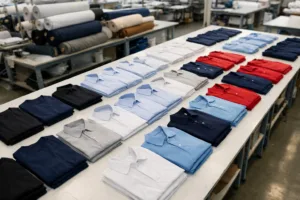
Shirts are the backbone of both casual and professional wardrobes. The types of shirts manufacturers produce have evolved beyond basics, covering a spectrum from T-shirts for comfort, dress shirts for business, to performance polos for versatility. Understanding these types is crucial whether you’re designing a new brand line, sourcing for a retailer, or simply curious about apparel production. This detailed guide highlights shirt categories, their unique features, design options, and what manufacturers consider in the production process—drawing on first-hand industry knowledge and practical manufacturing realities.
The Main Shirt Categories: Overview
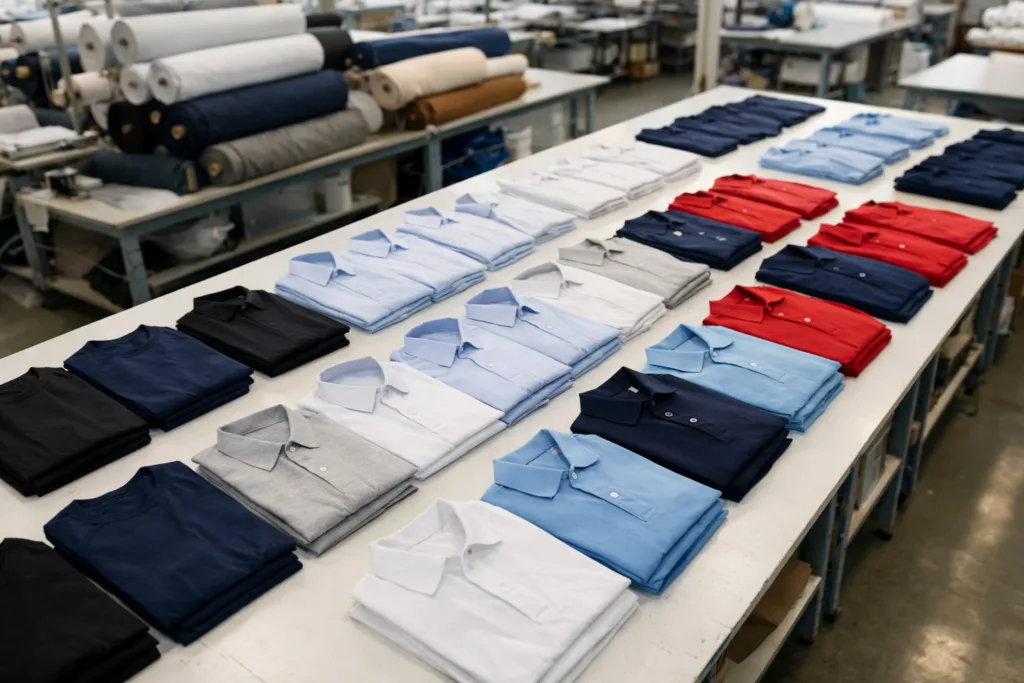
Shirt manufacturers divide shirts into main categories based on their construction and intended use. The most widely produced styles include:
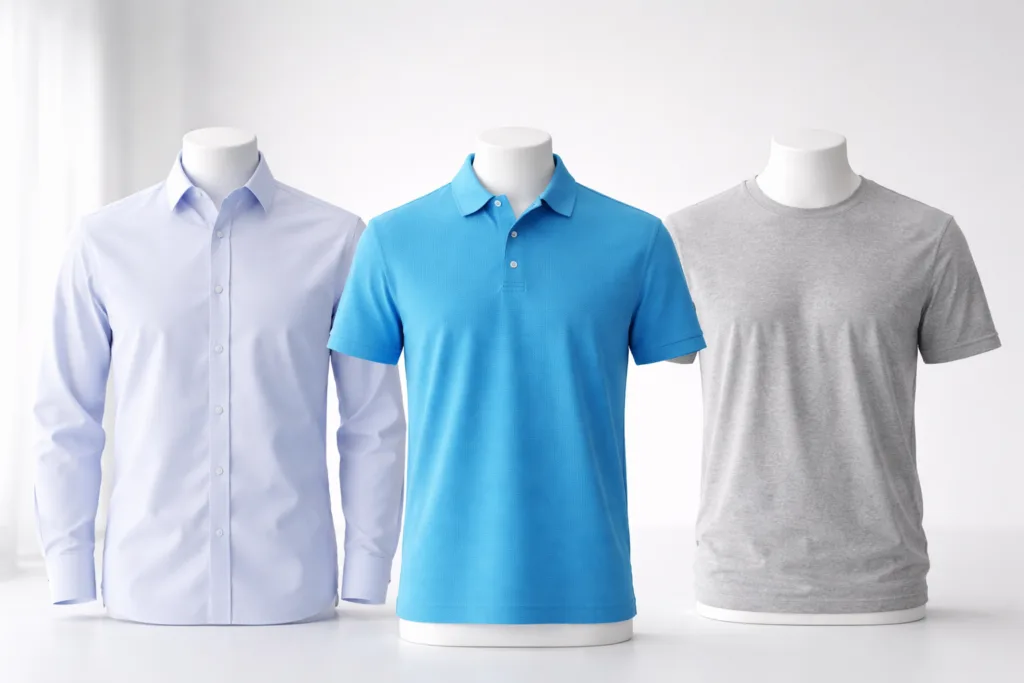
- T-shirts (Round neck, V-neck, Raglan, and more)
- Dress shirts (Button-down, formal, semi-formal)
- Polo shirts (Classic, performance, fashion)
- Casual button-ups (Short sleeve, camp collar, overshirt)
- Henley shirts
- Tank tops and vests
- Specialty and work shirts
Each category responds to different fashion, function, and fit requirements, driving the variety available in global markets. Browse manufacturers’ style spectrum to get a sense of this diversity.
T-Shirts: The Universal Staple
T-shirts dominate the world of casual apparel owing to their comfort, adaptability, and scalable production. Key types of T-shirts manufactured include:
- Classic crew neck—the most common, short sleeves, straight fit
- V-neck—wider neckline, considered slightly dressier
- Ringer shirts—contrast bands on collar and sleeves
- Pocket tees—added utility with front pocket
- Long sleeve tees—for transitional weather and layering
- Oversized or fashion-fit—trend-driven, boxier silhouettes
Manufacturers focus on fabric quality, consistency of stitching, and shape retention—a must for brand reputation. Details such as tagless necks, soft seams, and unique finishing dictate the final experience. Learn more about custom options at this dedicated T-shirt supplier page.
Polo Shirts: Smart and Sporty Designs
Polo shirts bridge the gap between sportswear and casual dress. They typically have a ribbed collar and 2–3 button placket. Key types of polos produced by factories include:
- Cotton polos—soft, breathable, most common for everyday wear
- Performance polos—include moisture-wicking or quick-dry features (polyester or blends)
- Long sleeve polos—for cooler weather or business casual
- Fashion polos—contrast trims, color blocking, fitted cuts
- Uniform polos—used for workplace, schools, or promotional events
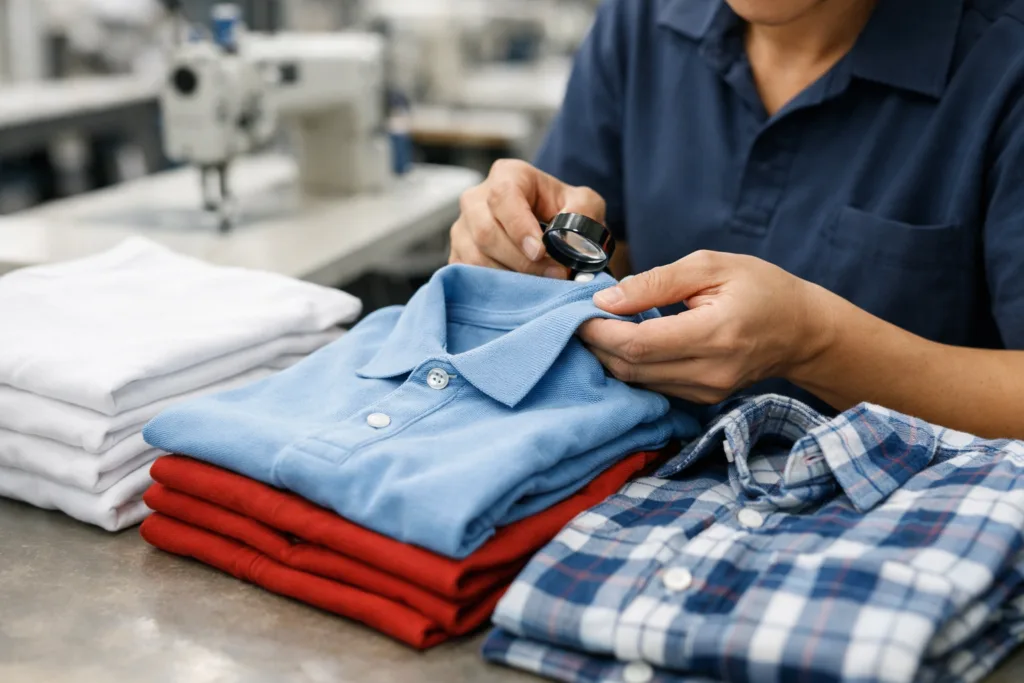
Accurate collar shape, consistent buttons, and smooth plackets are crucial for QC. In some cases, customers request custom taping, tipping, or embroidery to reinforce their brand identity. See real-world examples on this polo shirt manufacturing overview.
Dress Shirts: Formal and Semi-Formal Essentials
Dress shirts are a precision-focused product: even one imperfect shoulder or uneven placket can render dozens of pieces unsellable. The main types are:
- Classic button-down—timeless, wearable in office/professional settings
- Spread collar—wider point for more formal or European styling
- Point collar—slimmer points, often for necktie wear
- French cuff—requires cufflinks, reserved for formal occasions
- Short-sleeve dress shirt—less formal, often seasonal
- Slim fit vs. classic fit—varied by market demand
Manufacturers select fabrics with proper drape, colorfastness, and easy care, depending on buyer specifications. Pattern matching (checks/stripes), button attachment, and final pressing all undergo strict QC in factories.
Casual Button-Ups: Everyday Layering Heroes
Unlike dress shirts, casual button-ups (such as overshirts, shackets, and camp collars) embrace looser fits, fun prints, and diverse fabric choices. These often feature:
- Short, rolled, or cuffed sleeves
- Unique collars—camp, Cuban, or band collar
- Chest pockets or decorative stitching
- Fabric variety—chambray, linen, flannel, rayon
Manufacturers must balance fashion-forward details with ease of mass production.
Henley Shirts: A Hybrid Favorite
Henley shirts (essentially collarless polos) combine a round neckline with a short placket. Manufacturers produce Henleys in both short and long sleeves, mainly in cotton, blends, or even thermal knits for colder climates.
Tank Tops and Vests: Warm Weather and Layering Basics
Factories manufacture several types of tank tops (ribbed, racerback, athletic) and vests, typically for sports, summer collections, or as underlayers. The selection of lightweight, soft, and stretch-friendly fabrics is key for comfort and fit. See more on tank top production considerations.
Specialty Shirts: Performance and Workwear
Some shirts meet special market demands, including uniforms, work shirts (reinforced for durability), and performance styles (cooling mesh panels, antimicrobial treatments). Design requirements vary by industry but always prioritize reliability and cost-effectiveness.
Popular Shirt Fabrics Used by Manufacturers
The fabric impacts feel, drape, and price. Common shirt fabrics include:
- Single jersey cotton—T-shirts and casual wear
- Piqué knit—polo shirts
- Oxford/broadcloth/poplin—dress shirts
- Flannel/chambray—casual shirts
- Performance blends—polos, sports T-shirts
- Linen/viscose—summer, casual button-ups
Manufacturers must test for shrinkage, pilling, and colorfastness at each stage. Factories like Ninghow Apparel typically discuss textile sourcing and QC with clients before sampling begins, keeping surprises to a minimum.
Key Shirt Construction Features
What makes a shirt durable and wearable? Key aspects include:
- Seam construction (locked, flat, chain-stitched)
- Stitch density (higher for dress shirts, lower for casual)
- Collar reinforcement (fusing/interfacing)
- Cuff and hem finishes
- Quality of trims—buttons, labels, tape
Well-made shirts withstand repeated wear and washing—critical for retailers and end users alike.
Printing, Dyeing, and Finishing Techniques
Manufacturers offer options for adding color and graphics, including screen printing, direct-to-garment, heat transfer, and dye sublimation. Finishing touches such as stone washing, garment dye, and silicone softening adjust the final feel and look. Each technique has a cost, minimum order, and risk profile, so brands should clarify requirements early in the design process.
Customizations: Fit, Sizing, Branding, and Labels
Shirt manufacturers accommodate custom fit (slim, regular, oversized), grading for different markets, private labeling, and even specialty trims like woven patches or unique buttons. Understanding the impact of these choices on lead times and minimum order quantities helps keep production on schedule.
The Manufacturing Process: Step by Step
Shirt production involves distinct phases:
- Design finalization and tech pack creation
- Fabric sourcing and sample review
- Pattern making and grading
- Cutting, sewing, assembling
- Trimming and finishing
- Quality control and final inspections
Getting these steps right—especially fabric selection and dimensional accuracy—prevents errors and costly rework. Ninghow Apparel’s production teams, for instance, emphasize cross-checking physical samples with tech pack details to spot inconsistencies early.
Lead Times and Order Quantities
Typical shirt production lead times range from 25 to 60 days, depending on style complexity, customization level, and order volume. Low minimum order quantities (MOQs) are possible for some categories, especially basic T-shirts or polos, if stock fabrics are used. Complex designs or premium finishes may require longer timelines.
Types of Shirts Manufacturers Produce
To summarize, the main types of shirts manufacturers produce include:
- T-shirts (crew neck, V-neck, ringer, etc.)
- Polo shirts (cotton, performance, fashion)
- Dress shirts (button-down, spread collar, French cuff, etc.)
- Casual button-ups (short sleeve, camp collar, overshirt)
- Henleys, tanks, vests
- Specialty workwear and performance shirts
Each shirt type fills a unique wardrobe or brand need, and manufacturing details keep style and function in harmony.
Differentiating Brands with Unique Shirt Designs
Brands may seek to stand out using custom cuts, pocket placement, fabric blends, or specialty printing. Working closely with a manufacturer to balance creativity and consistent quality is key to a successful product.
Factory Quality Control: Preventing Shirt Production Errors
Quality assurance officers check each production run for sizing accuracy, stitching, trimmings, and visual consistency. Transparent QC reports are shared before shipment, lowering risk for brands and distributors.
Cost Considerations: From Basic to Premium Shirts
Shirt costs are influenced by material, labor, order quantity, branding, and finishing. Basic cotton T-shirts and polos are more economical, while shirts featuring modal blends, hand-stitched details, or embroidery cost more. Smart brands often start with one or two core types and slowly add complexity as sales grow.
MOQ and Stock Fabric Strategies for Shirt Production
Factories may offer lower MOQs when using stock fabric or repeat patterns, helping startups and small brands enter the market with less risk and less dead stock.
Sustainability Trends in Shirt Manufacturing
Organic cotton, recycled polyester, and water-saving dye techniques are increasing in popularity. Many shirt manufacturers now offer a “green” label for clients demanding more sustainable production, although pricing and availability may vary.
Common Pitfalls in Shirt Manufacturing
Shirt projects can go sideways if tech packs are incomplete, fabric approvals are rushed, or trim sourcing is delayed. Experienced manufacturers plan for additional QC checks and sample approvals to smooth the process—exactly as Ninghow Apparel recommends to new clients.
Global Manufacturing Hubs for Shirts
China, Bangladesh, Vietnam, Turkey, and India remain top shirt manufacturing regions due to established infrastructure, skill, and fabric availability. Brands compare lead times, shipping costs, and production flexibility before selecting a hub.
How to Choose the Right Manufacturer for Your Shirt Line
Look for transparent processes, clear communication, quality samples, and the ability to scale with your business. Ask manufacturers about previous shirt projects, common challenges, and examples of their QC reporting practices.
Conclusion: Building Your Shirt Collection with Manufacturer Partnerships
Choosing the right types of shirts manufacturers produce—and the factory to make them—determines a brand’s flexibility, quality, and reputation. By understanding shirt categories, construction details, and factory realities, you’ll set yourself up for smoother production, fewer surprises, and styles that stand out in the market.
Frequently Asked Questions
How do manufacturers decide which shirt fabrics to use?
Manufacturers choose fabrics based on intended shirt type, customer requirements, durability, price, and shrinkage tests. Popular choices are cotton, polyester blends, linen, and special performance knits.
What is the difference between a dress shirt and a casual button-up?
Dress shirts typically use finer fabrics, more formal collars, fitted cuts, and may include details like French cuffs. Casual button-ups are looser, use informal materials, and favor playful prints and relaxed collars.
What minimum order quantities (MOQs) do shirt factories require?
MOQs vary: basic T-shirts may have very low MOQs if using stock fabrics, while custom designs and dress shirts generally require higher quantities to cover setup costs and minimize waste.
Can I get shirts made with special printing or embroidery?
Yes, most manufacturers support printing (screen, DTG, sublimation) or embroidery on many shirt types. Costs and MOQs depend on the complexity and number of colors or stitches required.
How can a brand ensure shirt sizing is accurate across different regions?
Brands provide region-specific measurement charts, conduct physical sample reviews, and confirm compliance before bulk cutting. Detailed tech packs and fit approvals are critical steps.
What steps are involved after choosing a shirt design?
After design selection, the process includes fabric sourcing and testing, making a pattern, sampling for fit, finalizing trims, bulk production, quality checks, and packaging for shipping.