
Introduction to Private Label Clothing Manufacturing Guide
Thinking about launching an apparel line under your own brand? The Private Label Clothing Manufacturing Guide is your comprehensive roadmap. It sets out a clear, step-by-step path for startups and established brands to move from concept to thriving, private labeled collections. Drawing from first-hand production know-how, it covers everything from supplier selection and design management to cost control and scaling up, making it straightforward for anyone looking to enter the world of branded apparel ownership.
What Is Private Label Clothing?
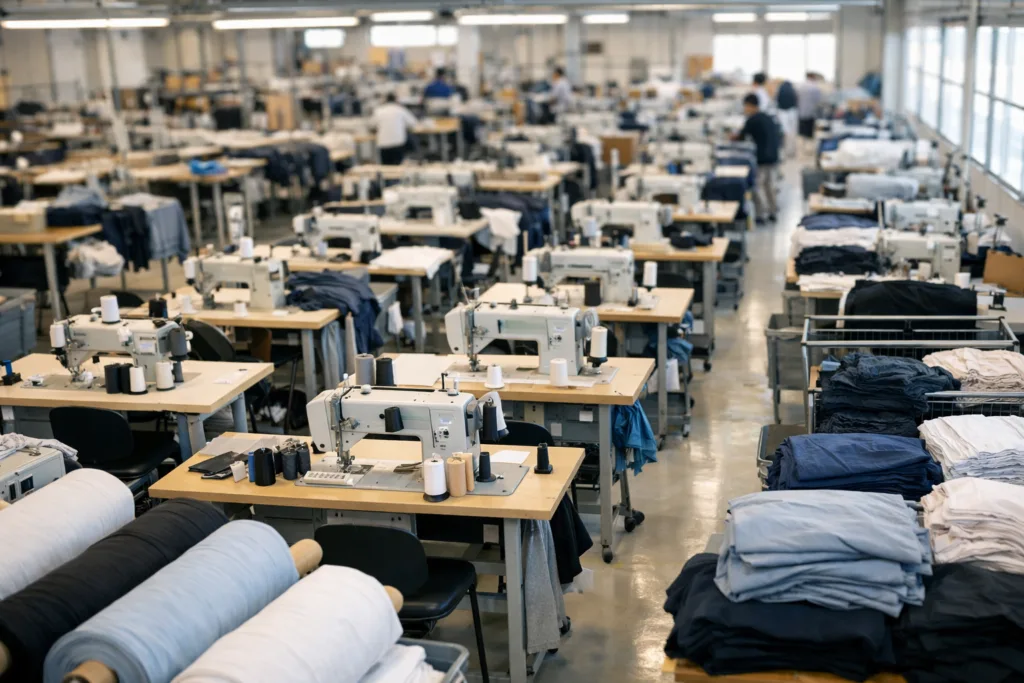
Private label clothing refers to garments produced by a manufacturer but sold under your brand’s name. Instead of designing every pattern or operating your own sewing lines, you partner with an external factory that realizes your product vision. This approach enables businesses—big and small—to launch unique clothing ranges with more flexibility and control than buying wholesale or licensing designs.
The Private Label Clothing Pathway: Step-by-Step Overview
Building your own private label doesn’t have to be overwhelming. Here’s how that pathway typically unfolds:
- Product vision and brand values definition
- Design and specification development (often with a tech pack)
- Supplier search and vetting
- Sample and prototype approval
- Bulk production arrangements
- Quality control checks
- Packing, labeling, and shipping
Your route may vary based on style complexity, volume, and sourcing location, but this guide ensures you avoid common stumbling blocks at each point.
Defining Your Brand and Product Identity
Having a unique style and clear brand message is essential. Take the time to start by asking yourself:
- Who is my target customer, and what are their needs?
- Do I want sustainable, technical, or classic products?
- Which product categories (t-shirts, polos, hoodies, etc.) will I offer?
- What design elements or details will set my collection apart?
Getting granular at this stage will save time and mistakes in subsequent steps.
Market Fit: Validating Your Private Label Apparel Concepts
Before investing in goods, ensure there’s demand for your designs. Conduct small surveys, run pre-order campaigns, or create mood boards and get early feedback from your audience. Brands that listen to their niche and adapt quickly see the greatest traction.
Understanding Production Models: OEM, ODM, CMT, and Full Package
Clothing manufacturers offer several production models:
- OEM: Original Equipment Manufacturer—you provide the design, they sew it
- ODM: Original Design Manufacturer—factory designs and produces, you label
- CMT: Cut-Make-Trim—factory cuts and sews from fabric you supply
- Full Package: Supplier manages everything, from sourcing to delivery
OEM and Full Package are most common for private label apparel, balancing brand input and supply chain simplicity.
Why Choose Private Label Manufacturing?
Private label lets you:
- Own your brand identity and build equity
- Control quality, fit, and design details
- Adjust margins and pricing strategies
- Respond rapidly to trends or demand changes
Private label manufacturing is a scalable solution that sidesteps the heavy costs of running your own sewing floor, especially for smaller brands.
How to Design and Specify Your Products
Manufacturing starts with design clarity. Use detailed tech packs outlining measurements, construction, fabric, trims, and branding placements. When working with experienced factories, clear specifications drastically reduce miscommunication and costly errors.
If you’re new to creating tech packs, our guide What is a Tech Pack? explains why every brand needs one, even for private label runs.
Choosing the Right Private Label Clothing Manufacturer
Vetting partners demands diligence. Evaluate factory capacity, product expertise, communication skills, certifications, and willingness to send samples. Ask for references and factory tours if possible. Quick tip: Real production leads—like those at Ninghow Apparel—pay strong attention to fit accuracy, reliable timelines, and fabric sourcing transparency, all crucial for building product trust.
Sampling: The Critical Approval Step
Sampling is where ideas meet reality. Expect it to take 2–6 weeks. It’s normal for sample tweaks regarding fit, trims, or fabric substitutions. This iterative process ensures both you and the factory agree on the final look before bulk sewing begins.
MOQ (Minimum Order Quantity): What to Expect and How to Navigate
Suppliers set MOQs based on fabric, style complexity, and production efficiency. High MOQs can be a hurdle for new brands but are often negotiable—especially if leveraging stock fabrics or limiting colorways. For a detailed explanation and strategies to negotiate lower MOQs, read this negotiation guide.
Fabric Sourcing and Material Selection
Your fabric choice defines the quality and appeal of your private label apparel. Collaborate with your manufacturer to select tested, reliable materials that fit your price point and customer expectations. Ask for swatches and, if possible, lab test results for shrinkage or colorfastness if launching premium lines.
Fit and Sizing: The Blueprint for Success
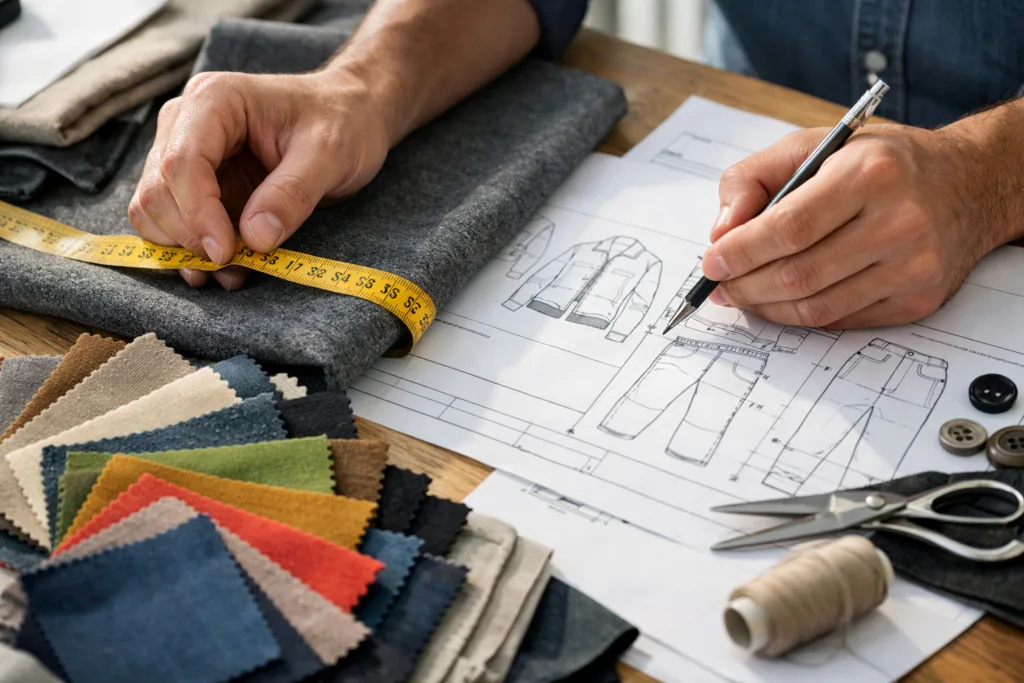
Clothing fit issues cause returns and damage brand reputation. Double-check your fit blocks, review sample measurements carefully, and work with manufacturers who can adjust size specs in-house. Ninghow Apparel manufacturing teams often recommend testing multiple sizes in the sampling stage for the most accurate fits, especially if you cater to international customers with varying body shapes.
Labeling, Hangtags, and Branding Elements
Every detail counts: woven labels, printed tags, zipper pulls, and hangtags bring your brand alive. Decide early how and where these elements appear to avoid production delays. Factories may offer custom trim sourcing or you can supply your own branding assets as long as requirements are clear.
Cost Breakdown: Private Label Apparel Pricing Structure
Calculate your costs by considering:
- Unit price (influenced by MOQ, design, and fabric)
- Sampling and development fees
- Label and trim costs
- Logistics and freight
- Duties, VAT, and import charges
Open and honest dialogue about price targets can help manufacturers propose suitable fabric and construction options without compromising on quality.
Production Lead Time and Timeline Management
Typical private label lead times run from 30 (for simple T-shirts) to 90 days (for multi-style, seasonal collections). Add extra time for sampling, shipping, and possible customs delays. Time your orders with product launches in mind and factor in extra weeks for busy factory seasons, such as before Chinese New Year.
Quality Control: Safeguarding Your Brand Reputation
Consistent quality is non-negotiable. Professional factories deploy inline and final inspections, with QC checks covering stitching, measurements, labeling, and packing. If you’re scaling up or importing, consider third-party inspection services to validate factory reporting.
Packing, Shipping, and Logistics for Private Label Clothing Brands
Your goods are almost home. Coordinate with your manufacturing partner about packing options (flat fold, on hangers, polybagging, etc.) and shipping preferences. Logistics decisions—sea versus air freight—impact both costs and timelines; learn more in this logistics and carbon footprint guide.
Compliance and Certifications
Ensure your manufacturer complies with relevant safety, environmental, and labor standards—especially if selling internationally or marketing as sustainable. Key certifications include OEKO-TEX, GOTS (organic), and SMETA (ethical audits).
Scaling Up: From Small Batch to Mass Production
Most brands start with small runs to prove demand, then gradually increase order sizes once sales stabilize. Plan for tiered pricing and updated tech packs as your volume grows and your needs become more complex. Effective communication with your manufacturer helps limit errors as styles proliferate.
Common Pitfalls in Private Label Clothing and How to Avoid Them
- Vague designs or lacking tech packs
- Poor supplier communication or rushing vetting steps
- Underestimating sample importance
- Unclear cost breakdowns
- Skipping QC and packaging instructions
How Sustainable Can Private Label Apparel Be?
Brands increasingly want apparel that’s both good for the planet and the bottom line. Work with manufacturers offering certified organic fabrics or recycled trims. Some factories, like Ninghow Apparel, help brands source stock sustainable materials with transparent supply chain documentation—without blowing up MOQs or lead times.
Best Practices for Private Label Success
- Clarify specs early and in writing
- Build relationships with factory technicians
- Exercise patience during sample revision
- Be realistic about costs versus margin goals
- Plan for seasonal demand or global holidays
Private Label Clothing Manufacturing Guide
This guide demystifies the pathway from idea to finished product, highlighting strategic choices at every juncture. By sticking to practical steps, brands of any size can build private label programs that endure changing trends and customer demands.
Conclusion

Succeeding in private label clothing manufacturing comes down to clarity, patience, and strong supplier partnerships. When you define your vision, document your designs, and communicate openly with experienced manufacturers, obstacles become lessons—and your label stands out in a crowded market. Take it step by step, stay detail-oriented, and your private label journey will be far smoother than most newcomers expect.
Frequently Asked Questions
How do I choose the right private label clothing manufacturer?
Look for experience in your product type, transparent communication, strong quality control processes, and positive client references. Visiting or virtually auditing the factory can provide additional assurance of their capabilities.
What’s the difference between private label and wholesale apparel?
Private label clothing lets you create unique designs with your own branding, while wholesale typically involves buying existing products made by another company for resale as-is.
Do I need to create tech packs for private label clothing?
Yes. A tech pack is vital for communicating sizing, construction, and branding requirements clearly, ensuring your product is made to your specifications.
What is the typical MOQ for private label manufacturing?
MOQs can start from as low as 50–100 pieces per style depending on the factory, but many set the minimum at 200–500 pieces to stay cost-efficient. Ask for flexible options during negotiation.
How long does sampling and production take?
Sampling usually takes 2–6 weeks, while bulk production averages 30–90 days based on design complexity and order size. Include extra time for shipping and potential revisions.
Can private label brands be sustainable?
Absolutely—by selecting eco-friendly materials, working with certified factories, and prioritizing minimal packaging and ethical labor, private label brands can build sustainability into every layer of production.