
Introduction: Shipping and Its Carbon Footprint in Fashion
Clothing brands are facing a tough truth: the carbon footprint begins not with fabric, but when garments start their global journey. Fashion logistics carbon footprint is a term gaining traction as brands measure environmental impact from overseas manufacturing and long-distance shipping. With climate regulations tightening and consumer scrutiny mounting, sustainable supply chain strategies, especially the choice between sea vs air freight, are central to responsible brand operations. Let’s explore how transportation choices shape a brand’s sustainability score, the true environmental impact of shipping, and actionable steps for brands seeking greener logistics.
Fashion Logistics Carbon Footprint: The Environmental Impact of Shipping
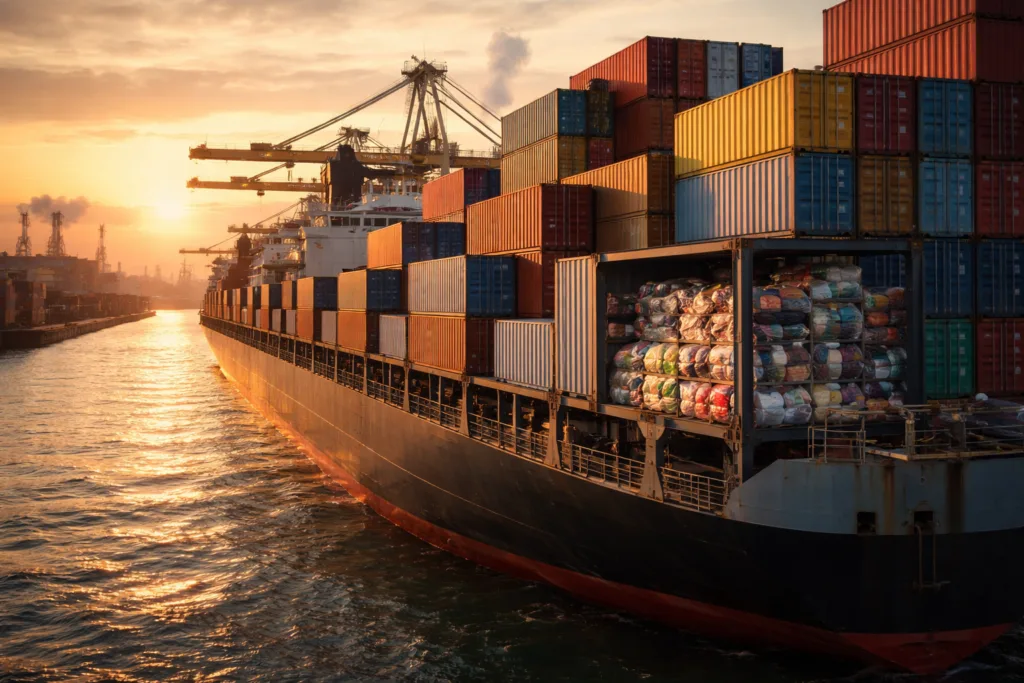
Shipping is often overlooked as a major source of emissions in the apparel industry. In fact, transport alone can contribute up to 30% of a garment’s overall carbon footprint—especially for brands manufacturing overseas. Every mile counts, and choosing the right shipping method is essential for meeting brand carbon targets.
Why Transportation Matters More Than Ever
- Rising demand for eco-conscious apparel buyers
- Stricter carbon reporting requirements for global brands
- Rapid growth in overseas manufacturing increases transport emissions
- Consumer preference shifting toward traceable, sustainable supply chains
The Anatomy of Fashion Logistics: Global Connections
Fashion logistics involves moving garments from factories—often in China, Bangladesh, or Vietnam—to distribution centers in Europe, the United States, or elsewhere. Every step, from initial shipment to local delivery, adds up in carbon emissions.
How Shipping Methods Impact Carbon Footprint: Sea vs Air Freight Comparison
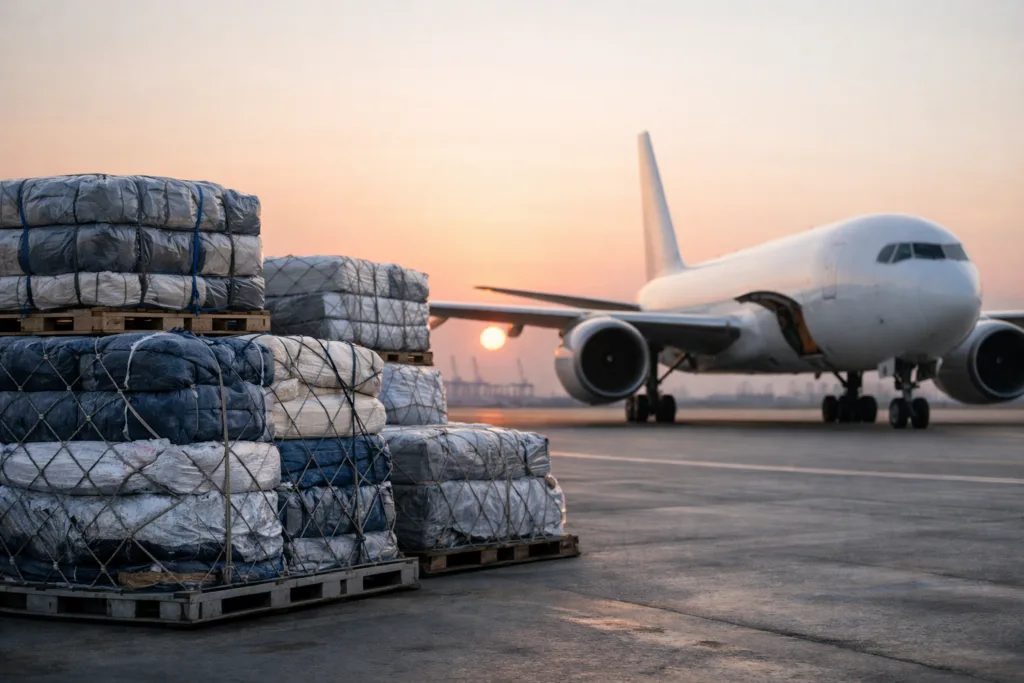
Two main shipping routes dominate in apparel: sea freight (container shipping) and air freight (cargo planes). Each has vastly different carbon profiles:
| Shipping Mode | CO2 Emissions (g/ton-km) | Speed | Use Cases |
|---|---|---|---|
| Sea Freight | ~15–45 | Slow (weeks) | Bulk, cost-sensitive |
| Air Freight | ~500–600 | Fast (days) | Urgent, small batch |
Air freight emits up to 40 times more CO2 per ton-kilometer than sea freight. Choosing air for speed can dramatically increase a brand’s transport emissions.
Hidden Trade-Offs: Speed vs Sustainability
- Air saves time but burns far more fossil fuel
- Sea is greener but slower—requires better production planning
- Some brands blend methods, sending urgent drops by air, bulk by sea
Sustainable Supply Chain Strategies: Reducing Transport Impact
A truly sustainable supply chain looks beyond fabric and manufacturing, adjusting logistics to minimize carbon impact.
Nearshoring and Local Production: Minimizing Miles
Brands can reduce transport emissions by moving manufacturing closer to the market—a strategy called nearshoring. For example, Nearshoring: Why Mexico and Turkey Are Transforming Apparel Sourcing explores how these regions offer shorter transport routes and lower emissions compared to far-east sourcing.
Hybrid Shipping Models: Balanced Logistics
Some brands use a hybrid sourcing and shipping model: bulk by sea, urgent styles by air. Learn how this approach improves efficiency in How to Master Hybrid Sourcing: Optimize Core and Fashion Collections.
Optimizing MOQ and Inventory: Lowering Transport Frequency
By planning larger, less frequent shipments, brands reduce both costs and carbon emissions. This requires careful management of minimum order quantity (MOQ) and demand forecasting.
Choosing Fabric and Production Location: The Logistics Connection
Production location impacts logistics choices. Factories in China, for example, often support bulk sea shipments. Discussing fabric sourcing with the partner manufacturer, like Ninghow Apparel, helps brands select trims and materials that ship well in bulk and maintain quality on arrival.
Practical Insights from Ninghow Apparel
Ninghow Apparel typically advises clients to plan shipments well ahead, consolidating multiple SKUs where feasible. This is not only cost-effective but minimizes transport emissions. For brands experimenting with sustainable fabrics, careful packaging design prevents damage and waste during long sea voyages.
Understanding Emission Measurement: From Factory to Shelf
To report accurately on the carbon footprint of shipping, brands must track emissions from:
- Factory floor to port (local trucking)
- Port-to-port (sea or air)
- Port to warehouse (land logistics)
- Last-mile delivery
Reliable suppliers and internal audits help gather these logistics metrics. Brands aiming for carbon neutrality often invest in carbon offset credits for transport emissions.
Calculating Landed Cost: True Price of Importing
It’s not just environmental cost—shipping impacts landed cost, which includes freight, duties, and handling. See The Real Cost of Importing: How to Calculate Landed Cost Step-by-Step for a detailed breakdown.
Sea vs Air Freight: Making Strategic Choices
When should brands choose sea or air? Consider:
- Lead time requirements—fast fashion often favors air, but the environmental cost is high
- Product type—bulky items suit sea, delicate or urgent use air
- Seasonality—planning ahead enables greener choices
Case Study: Shift to Sea Freight for Lower Emissions
One mid-tier apparel brand reduced its annual carbon footprint by switching 80% of shipments from air to sea. Despite longer lead times, improved production scheduling allowed more sustainable logistics and cost benefits.
Packaging and Shipping Efficiency: Small Tweaks, Big Impact
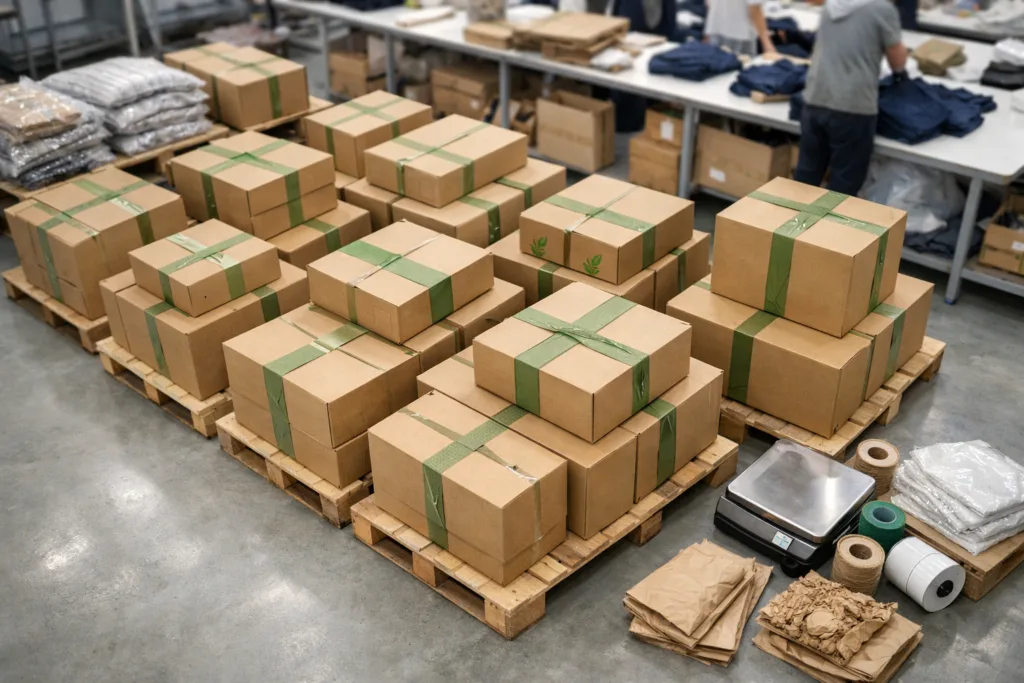
Sustainable packaging—such as recycled cartons and optimized container filling—reduces both carbon and waste. Manufacturers like Ninghow Apparel recommend carton optimization for each style, avoiding excess air space and unnecessary materials.
Bulk Shipping vs Split Shipments: Which Is Greener?
- Bulk reduces trips, lowers emissions overall
- Split shipments (multiple small batches) typically use air, raising carbon footprint
- Inventory management must balance cost and sustainability
Building a Sustainable Supply Chain: Beyond Carbon Offsetting
Offsetting is just one piece. A truly sustainable supply chain means integrating logistics into production planning, collaborating with responsible manufacturers, and tracking emissions at every stage.
Key Steps for Brands
- Set clear carbon targets for transport
- Source fabrics closer to markets when possible
- Choose logistics partners committed to green operations
- Educate production teams and buyers about transport impact
Conclusion: Meeting Brand Carbon Targets Through Smarter Logistics
More brands are moving step by step toward carbon neutrality—not just in garment production but in the entire supply chain. The environmental impact of shipping, from sea to air freight, is measurable and actionable. By integrating logistics planning into sustainability efforts, brands achieve lower emissions and a truer eco profile. The path forward requires honest reporting, strategic sourcing, and a willingness to adapt freight choices for a healthier planet.
Frequently Asked Questions
How much does shipping contribute to a garment’s carbon footprint?
Shipping can generate up to 30% of a garment’s total emissions, especially with international transport. Choosing bulk sea shipments reduces this impact considerably.
Which is greener: sea or air freight?
Sea freight emits far less CO2 per ton-kilometer than air freight. Air is faster but burns significantly more fossil fuel, raising carbon emissions.
What supply chain strategies lower shipping emissions?
Nearshoring, hybrid sourcing, and planning larger, consolidated shipments all cut transport emissions and improve overall sustainability.
How can brands measure their carbon footprint from shipping?
Brands track emissions from factories, ports, and final delivery using supplier data and logistics audits, then aggregate these numbers for reporting.
Does packaging affect shipping-related emissions?
Yes. Efficient, recycled packaging and well-packed containers reduce both waste and emissions, especially over long voyages.
Are carbon offsets enough for sustainable supply chains?
Offsets are helpful, but true sustainability means optimizing production location, consolidating shipments, and partnering with green logistics providers.
Related Reading
- Should Your Brand Bring Production Home? The Reshoring Advantage
- 2024 Manufacturing Showdown: Domestic vs Overseas for Brands
- How Local Manufacturing Slashes Lead Times for Fast-Fashion Brands
- MOQ Demystified: Why Minimum Orders Impact Logistics and Sustainability
- China Plus One: Diversifying Your Supply Chain for Lower Carbon Footprint