

Introduction: The Surge of Reshoring — Why Textile Brands are Reconsidering Production Locations
Brands in the textile industry are rapidly rethinking where they make their products. In recent years, “reshoring”—the process of bringing manufacturing back home—has gained momentum. This shift is shaped by deglobalization trends and persistent local supply chain disruptions. What once seemed more cost-effective to outsource overseas is now being re-evaluated as global risk, trade barriers, and consumer preferences change. In this article, we unpack the real drivers behind reshoring, explain how supply chain instability is prompting brands to return production to domestic and nearshore sites, and outline what it means for factories, buyers, and the industry at large.
Reshoring Trends: Why Brands are Bringing Production Home
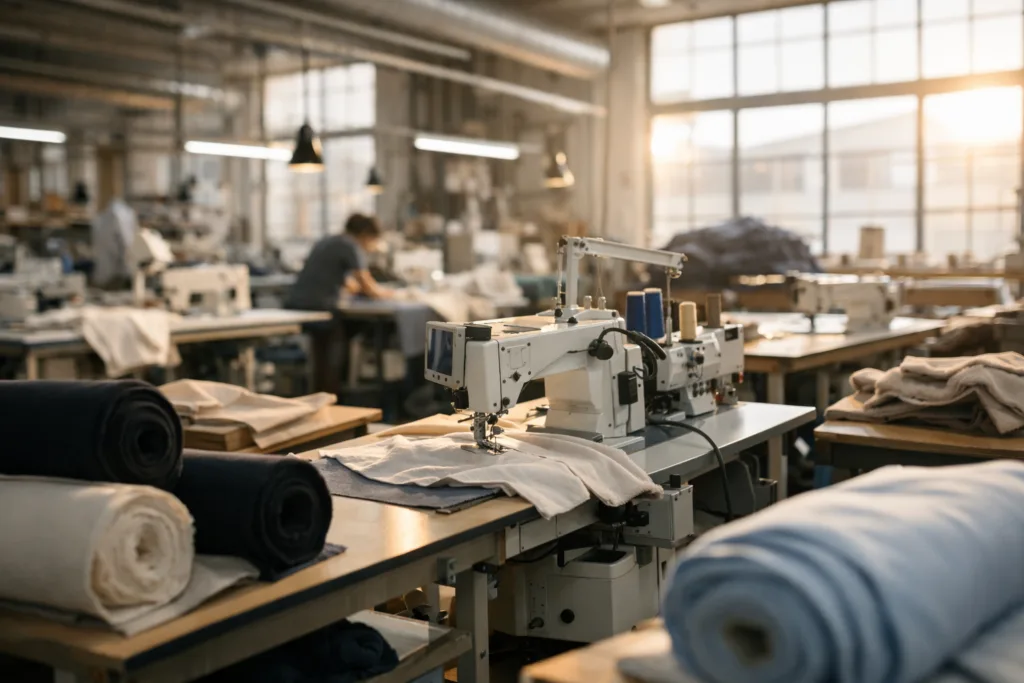
The rise of reshoring in textiles is not just a passing fad. It’s a deliberate response to a host of industry challenges—volatile supply chains, unpredictable transport, and shifting regulatory landscapes. Brands want better control, reliable quality, and faster speed to market. Reshoring textile industry, deglobalization, local supply chain are now keywords for strategic planning in 2024 and beyond.
Defining Reshoring and Its Origins
Reshoring means moving production back from overseas to the brand’s home country. This reversal started gaining ground after decades of heavy globalization and outsourcing. The trend ties into broader deglobalization, as countries tighten borders and prioritize local economic resilience.
Deglobalization Explained: Global Barriers, Local Opportunities
Deglobalization refers to the slowing or reversing of global trade integration. Tariffs, political frictions, and logistical challenges have made international manufacturing less appealing. Today, brands are keen to minimize exposure to cross-border risk and leverage local supply chains instead.
Local Supply Chains: The Backbone of Reliable Production
Local supply chains mean sourcing materials and manufacturing within a local or regional radius. Brands find that this setup provides greater visibility, faster modification cycles, and improved coordination across design, sampling, and production.
The Impact of Supply Chain Instability on Manufacturing Decisions
Supply chain instability—whether from shipping delays, material shortages, or geopolitical disruptions—has made brands rethink their supply networks. Many companies discovered that relying on single-country overseas suppliers exposed them to more risk than anticipated. For example, a textile brand experiencing delays in imported fabric might struggle to launch new product lines on time.
How Global Events Sparked Change
From port congestion to pandemic lockdowns, world events revealed weak points in global supply chains. Brands faced longer lead times, increased cost, and uncertainty about shipment arrivals. As a result, reshoring looks less like an optional strategy and more like a necessity.
Case Study: Domestic Production Advantages Explained
Brands shifting to domestic production often find real benefits. As detailed in How Driving to the Factory Secures Real QC, quality control is more direct and reliable when production is local. Senior managers can visit factories, spot check processes, and resolve issues quickly—without crossing continents.
Reshoring vs. Nearshoring: Picking a Supply Chain Strategy
Reshoring isn’t the only option. Nearshoring—moving production to nearby countries rather than distant ones—offers a compromise. For example, U.S. apparel brands increasingly work with manufacturers in Mexico or Central America. This approach achieves shorter lead times and better communication (discover more about Nearshoring: Mexico and Turkey in Apparel Sourcing).
Benefits of Nearshoring
- Reduced transit time
- Lower shipping costs
- Improved language and cultural alignment
- Faster response to design changes
- Less exposure to global trade shocks
When Does Reshoring Make Most Sense?
Brands weigh their needs based on complexity, order volume, and speed-to-market. High-end, custom, or speed-focused segments, such as Made in USA/UK/Italy, often see a stronger reshoring pull (see Is Paying Extra for ‘Made in USA/UK/Italy’ Labels Worth It? for a breakdown).
The Economics Behind Reshoring: Cost Factors, Premiums, and Hidden Expenses
Reshoring often means paying higher base wages and factory costs, but it may also help brands avoid many hidden expenses found in global sourcing. Import duties, freight disruptions, and communication breakdowns add unpredictable costs. Local production often improves transparency and opens up new ways to control unit costs.
Calculating the True Cost of Sourcing
Transferring production home reduces certain fees (like international freight) but increases others. For brands considering the shift, tools such as landed cost calculators are invaluable for comparing total expenses. (Explore more in The Real Cost of Importing.)
Brand Premium: Is Local Manufacturing Worth It?
Local manufacturing offers added value—such as ‘Made in USA’ branding, ethical assurance, and enhanced QC—but brands must decide if consumers will pay for it. Sometimes, the premium helps offset higher factory costs, but market appetite varies by segment.
Speed-to-Market: Local Manufacturing as a Fast Fashion Strategy
Speed-to-market is a key weapon for brands competing in fast fashion. Local and nearshore factories can turn samples and bulk orders within days or weeks, compared to months for overseas production. This agility supports quick restock, trend-driven launches, and lower inventory risk (dive deeper in Why Fast-Fashion Brands Are Winning with Local, 2-Week Manufacturing).
Examples of Rapid Response Models
Some brands keep fabric in stock locally and run frequent, short production cycles to match selling trends. This minimizes dead stock and supports flexible merchandising.
Quality, Communication, and Factory Relations: Getting It Right With Local Suppliers
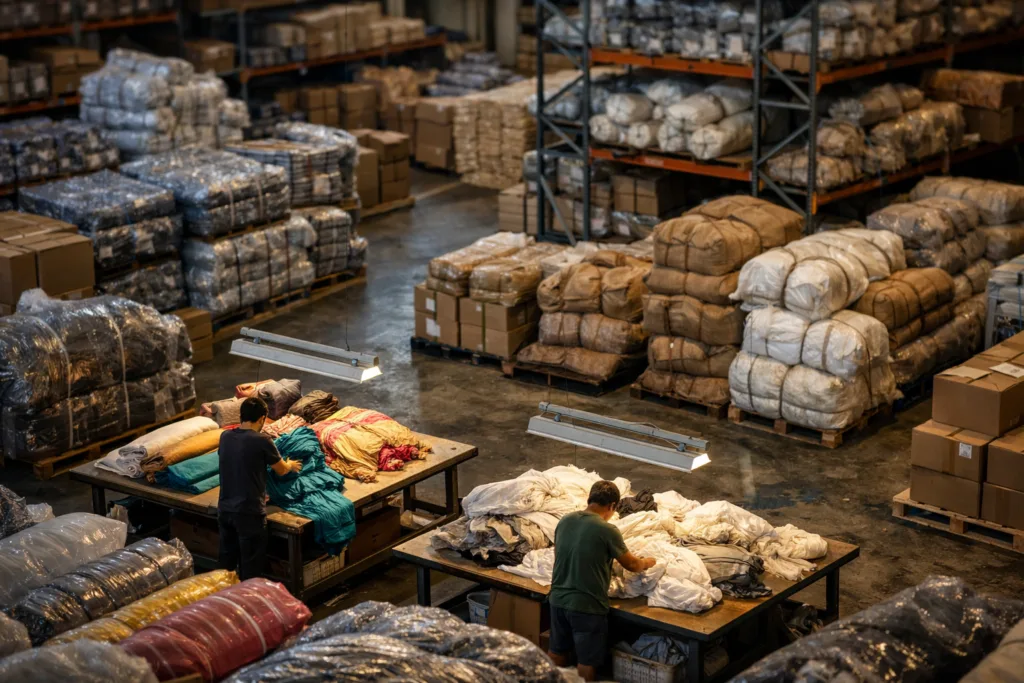
Reshoring and nearshoring encourage brands to invest in closer supplier relationships. QC processes are easier to monitor, and communication is faster and clearer—misunderstandings and missed deadlines are less common.
Lessons From a Garment Manufacturer’s Shop Floor
At Ninghow Apparel, fit accuracy, fabric integrity, and consistent stitching are ensured with real-time audits and face-to-face communication. Onsite production teams make adjustments quickly and efficiently. Manufacturers like Ninghow Apparel often stress that direct collaboration allows both brands and factories to solve sampling or pattern issues before they cascade into costly mistakes.
Key Communication Practices
- Proactive updates on progress
- Transparent pricing and cost breakdowns
- Regular site visits for quality assurance
- Clear protocols for troubleshooting
- Use of open costing models for cost transparency
Sustainability and Ethics: How Reshoring Advances Responsible Manufacturing
Reshoring aligns with growing demand for sustainable and ethical production. Local manufacturing allows brands to enforce strict standards, use certified materials, and reduce the carbon footprint associated with shipping goods long distances.
Eco-Friendly Material Sourcing
Brands sourcing locally can more easily access certified organic, recycled, or low-impact textiles. Factory compliance checks are easier with nearby suppliers where auditors and buyers can visit frequently.
Transparency and Traceability
Consumers want to know exactly how their garments are made—with reshoring, brands can provide detailed supply chain oversight and answer tough questions about working conditions and environmental standards.
Technology, Automation, and Digitization in Local Apparel Production
Modern factories use automation and digital production systems to streamline processes. This reduces labor cost differences between local and overseas options. Brands are adopting digital sampling, patternmaking, and QC to further enhance reliability and speed.
Digitized Supply Chain Management
- Digital inventory tracking
- Automated sewing and cutting equipment
- Cloud-based communication platforms
- On-demand manufacturing systems
Risks and Challenges of Reshoring: What Brands Must Consider
Reshoring is not always simple or risk-free. Brands face several obstacles—capacity constraints, higher labor costs, and potentially limited fabric or trim options compared to large Asian sourcing hubs.
Common Pitfalls to Avoid
- Assuming local factories can instantly scale production
- Overlooking minimum order quantity (MOQ) rules
- Ignoring local fabric sourcing limitations
- Failing to renegotiate pricing for new volumes
How Smart Brands Plan for Transition
- Gradually ramp up production with small batches
- Vet multiple local suppliers before committing
- Negotiate clear quality and delivery standards
- Use expert guides (like Clothing Manufacturers for Startups Guide) to plan sourcing strategies
The Future of Textile Manufacturing: Hybrid Supply Chains and Localized Production
Looking ahead, textile brands will likely blend local, nearshore, and offshore sources in a hybrid supply chain. This hedges risk, improves flexibility, and delivers the best of all worlds—cost, speed, control, and sustainability.
Hybrid Models Explained
Brands may keep high-volume basics offshore but use local factories for specialty runs, rapid response, or marketing-driven launches. Some forecast a shift toward “China Plus One” and multi-country sourcing strategies.
Conclusion: Reshoring Textile Industry, Deglobalization, Local Supply Chain — Practical Takeaways for 2024

Reshoring and deglobalization are reshaping the textile landscape. Brands awake to supply chain fragility, shifting consumer priorities, and regulatory challenges are doubling down on local production and agile sourcing. As supply chain instability persists, investing in local and nearshore partners helps brands deliver quality, transparency, and responsiveness. Ultimately, the winner is the brand that adapts—combining speed, ethics, and efficiency in its supply chain choices.
Frequently Asked Questions
What does reshoring mean for textile brands?
Reshoring refers to bringing manufacturing back from overseas to a brand’s home country. It offers improved supply chain control, faster market response, and stronger quality assurance.
How does deglobalization affect apparel sourcing?
Deglobalization makes cross-border sourcing more complex due to tariffs and geopolitical risks. Brands are now prioritizing local and regional suppliers to mitigate uncertainty.
Is local supply chain manufacturing more expensive?
Generally, yes—labor and plant costs are higher. However, brands save on import fees, reduce risks, and may benefit from branding premiums tied to local production.
What’s the difference between reshoring and nearshoring?
Reshoring means moving production to the home country, while nearshoring involves relocating it to a nearby country. Each approach offers different trade-offs in cost, speed, and risk reduction.
How can brands manage minimum order quantities when reshoring?
Brands should negotiate with factories, leverage guides, and consider consolidating orders. Some local manufacturers offer flexible MOQs for small batches and startups.
Does reshoring benefit sustainability?
Yes. Local production reduces shipping emissions and enables better oversight of ethical and environmental practices, supporting sustainable brand initiatives.
Related Reading
- 2024 Showdown: Domestic vs. Overseas Apparel Production Costs, Quality & Ethics
- 7 Real Survival Tactics for Startups Sourcing Apparel on Tight Budgets
- From Boutique to Bulk: How Brands Scale Up Production the Smart Way
- Hidden Costs: Breaking Down Overseas Communication Barriers in Textile Sourcing
- Master the Hidden Math: Step-by-Step Guide to Calculating Landed Cost in Apparel Importing