
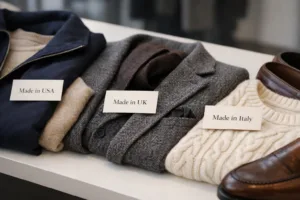
Introduction: The Marketing Value of “Made in USA/UK/Italy” Labels
In today’s apparel market, a “Made in USA/UK/Italy” label signals more than just geography—it’s often a mark of quality, craftsmanship, and ethical production. Brands rely on these origin tags to position themselves above mass-produced alternatives and justify premium prices. But how powerful is this marketing tool? Do consumers genuinely perceive greater value, and are they willing to pay more for products sporting these labels? This article digs into made in usa branding, consumer perception, willingness to pay, exploring why location-based labeling has become a battleground for brand premium.
Global Country-of-Origin Labeling Explained

Country-of-origin labeling (COOL) isn’t just a compliance checkbox—it’s an identity marker. Governments regulate how and when labels can be used, but brands leverage COOL for strategic positioning. In markets like apparel, food, and luxury goods, these tags can transform commodity products into sought-after status symbols.
| Country Label | Perceived Value | Consumer Expectations |
|---|---|---|
| USA | High (Patriotism, Quality) | Ethical labor, superior materials |
| UK | Moderate-High (Heritage) | Craftsmanship, tradition |
| Italy | Very High (Luxury) | Design, exclusivity, artisan skill |
What Drives Brand Premium? Key Factors Behind Location Value
Consumers pay more for origin-marked products when three main factors align: authenticity, differentiated quality, and brand storytelling. Economic studies show a clear link between country labels and perceived premium—but this isn’t uniform across demographics or price points.
- Authenticity: The story must be believable and consistent.
- Quality Perception: Proven fabrics, fit, and durability matter more than just the tag.
- Storytelling: When brands weave their history with the location, consumers engage deeper.
Made in USA Branding: Consumer Perception and Willingness to Pay
For American-made goods, consumers are increasingly conscious of labor standards, environmental impact, and locality. Made in USA branding appeals to patriotism and trust, but real willingness to pay depends on education and visible proof. Recent studies suggest up to 30% of shoppers will pay a premium—especially for apparel and accessories.
Willingness to Pay: Evidence and Trends
Surveys report that buyers are willing to pay 10–20% more for US-made clothing. However, this varies by age and region; younger, values-driven shoppers are more loyal, while price-focused buyers may overlook provenance.
Signals of Trust: Quality Assurance
The presence of detailed quality control—such as documented fabric specs and production transparency—boosts trust. Factories like apparel manufacturing quality control help brands show tangible proof of their origin claims, strengthening consumer confidence.
Italy: The Archetype of Fashion Cachet and Willingness to Pay
Italian origin in apparel, shoes, and accessories is synonymous with luxury cachet. According to recent market research, “Made in Italy” can command price premiums upwards of 50%, especially for leather goods and tailored garments. The perceived artistry—often tied to family-run factories and regional techniques—creates a strong narrative around exclusivity.
Is Paying Extra Really Worth It?
Consumers’ willingness to pay for Italian-made isn’t just about aesthetics or status: it’s about expectation of superior craftsmanship. Brands must deliver on this promise with clear transparency. Manufacturers like Ninghow Apparel, experienced in patterning and fit accuracy, note that consistent results and honest fabric choices are what actually reward the buyer’s trust.
UK Origin: Heritage, Craft, and Ethical Consumerism
British manufacturing offers a unique hybrid: heritage, modern design, and ethical labor standards. While UK-made doesn’t usually match Italian price premiums, it appeals to buyers seeking authenticity, tradition, and responsible sourcing. The “Made in UK” tag often signals locally woven textiles, artisan construction, and more reliable supply chains.
Do Consumers Really Pay More? Research-Based Insights
Academic and industry studies consistently show that country-of-origin labeling is a meaningful driver of brand premium. However, the increase in willingness to pay only emerges when the product, story, and proof align. The gap between stated preference and actual behavior is closing, as buyers become more skeptical of hollow claims.
- Brands must back up their location claims with verifiable factory disclosures.
- The power of origin labels is strongest when paired with real production transparency.
Value Perception vs. True Product Quality
Origin labels can shift value perception, but unless factories maintain quality and fit, the premium evaporates. For example, if a “Made in USA” hoodie features inconsistent stitching or poor trims, the label loses its impact. Experienced manufacturers emphasize that QC and packaging matter as much as the tag itself.
Brand Strategies: Leveraging Geographic Labeling for Premium
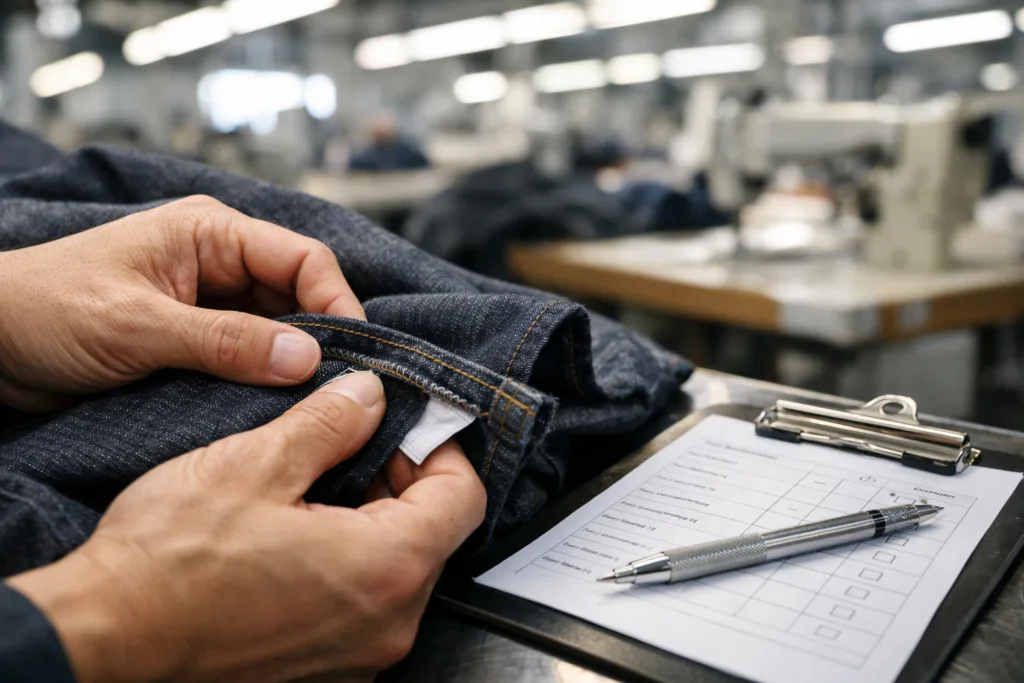
Brand premium isn’t secured by labeling alone. Successful brands invest in real production transparency and storytelling, regularly visiting factories and documenting their sourcing process. Techniques like open costing model transparency help substantiate location claims—making price premiums defensible.
Storytelling and Emotional Connection
Narratives built around origin—like highlighting local artisans, showing factory craftsmanship, or sharing sourcing stories—create emotional value that goes beyond mere product attributes. When done right, location-based storytelling builds loyalty and supports higher price points.
Practical Observations from the Factory Floor
Manufacturers, such as Ninghow Apparel, advise brands to verify their suppliers’ location, audit their quality protocols, and request full sampling before committing to an origin-labeled launch. Small details—fit, fabric, trims—define the experience, not just where the garment is made.
Comparing Premiums: USA vs UK vs Italy
| Country Label | Avg. Price Premium (%) | Top Product Categories |
|---|---|---|
| USA | 10–25% | T-shirts, outerwear, basics |
| UK | 7–15% | Knitwear, tailored garments |
| Italy | 30–50% | Leather goods, luxury apparel |
Consumer Segmentation: Who Pays More?
- Values-driven, eco-conscious buyers—highest willingness to pay
- Millennials and Gen Z—demand transparency, but price-sensitive
- Luxury buyers—seek exclusivity, pay for storytelling
Origin Labeling: Risks of Misuse
Incorrect or misleading origin labeling can result in regulatory fines, reputational damage, and loss of consumer trust. Brands must rigorously audit their factories—especially those working across global supply chains—to ensure label integrity. Tools for checking references and due diligence are essential to keep origin claims honest.
Production Realities: Factory, Sampling, and Traceability
From the manufacturer’s perspective, origin labeling is only as credible as the sampling, QC, and production traceability. Buyers should demand time-stamped records, detailed spec sheets, and independent audits to validate the story behind the tag.
Willingness to Pay: Can Brands Justify the Premium?
While research confirms increased willingness to pay, the premium only holds if brands deliver consistent, transparent production and a compelling origin narrative. If factories slip on quality or break delivery promises, consumers quickly reject price increases.
Long-Term Brand Building: Beyond Location
Location labels are a powerful starting point, but sustainable brand premium depends on ongoing dialogue, fit accuracy, and production reliability. Manufacturers often remind brands: “Origin is the story, but product quality writes the ending.”
Summary Table: Country-of-Origin Impact
| Country | Consumer Response | Key Driver |
|---|---|---|
| USA | Patriotic, ethical, local pride | Labor standards, transparency |
| UK | Heritage, craft, modern-ethical | Textiles, artisan production |
| Italy | Luxury, exclusivity, artistry | Design, family workshop stories |
Practical Takeaways for Brands and Buyers
- Origin labeling is valuable, but not a substitute for real quality.
- Brands must invest in production transparency—audits, QC, sampling.
- Consumers are willing to pay more if presented with credible proof and strong storytelling.
- Risks of mislabeling are real—use due diligence tools to verify every supply chain claim.
The Marketing Value of “Made in USA/UK/Italy” Labels: Final Thoughts
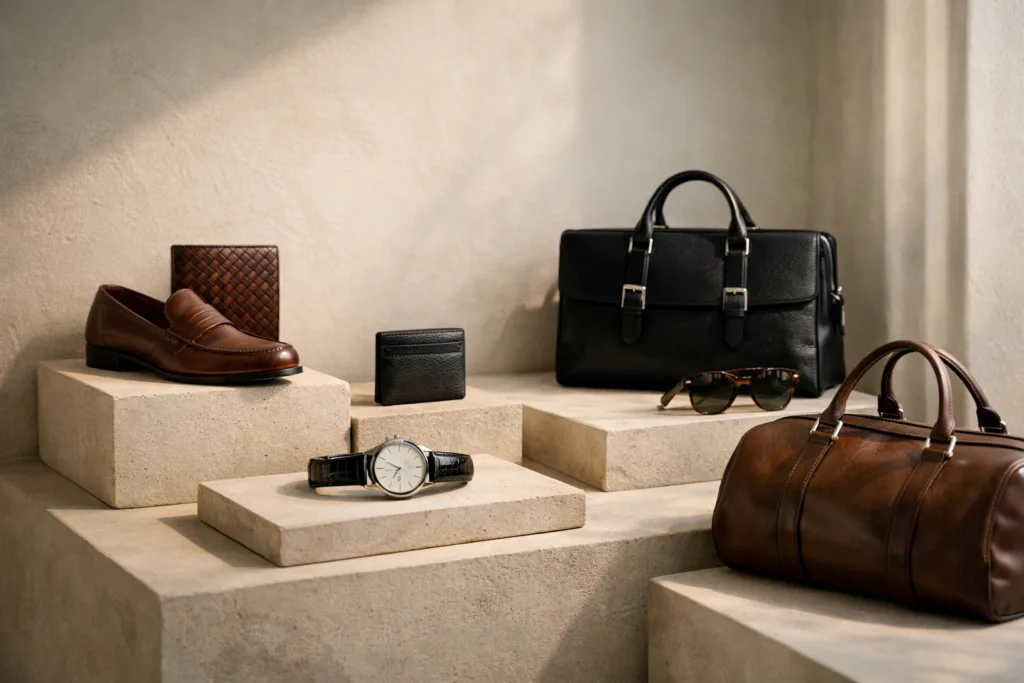
Country-of-origin tags are more than simple badges—they’re vehicles for brand storytelling and product value. When brands build their narrative around authentic production, quality control, and transparent supply chains, consumers respond with loyalty and a willingness to pay more. However, the premium is only as strong as the integrity behind the label. As buyers become increasingly informed, only those brands that prove the reality behind the story truly earn their price premium.
Frequently Asked Questions
Does the “Made in USA” label automatically justify a higher price?
No. It can support a premium if paired with real quality and transparent manufacturing practices, but buyers expect proof beyond the tag.
How can brands ensure the legitimacy of their origin claims?
Through detailed audits, supplier references, QC documentation, and traceable production—ideally verified by independent parties.
Is the willingness to pay for country-of-origin labels the same for all product categories?
No. It’s strongest for luxury, tailored, or artisanal goods, and weaker in commoditized segments like basics and mass-market items.
What risks come with mislabeling country-of-origin?
Regulatory fines, damaged brand reputation, lost consumer trust, and potential lawsuits.
Is there a difference between how younger and older consumers view origin labels?
Yes. Younger buyers are often more values-driven and skeptical; older buyers may prioritize heritage and tradition. Both demand transparency.
How do manufacturers like Ninghow Apparel contribute to origin-based branding?
They offer practical insight into fit accuracy, fabric honesty, and QC, helping brands back up their origin claims with genuine product quality.
Related Reading
- Is Italian-Made Apparel Worth the Price? Luxury vs. Value Explored
- The 2024 Showdown: Cost, Quality & Ethics of Domestic vs. Overseas Manufacturing
- Step-by-Step Guide to Apparel Manufacturing: Unlock Quality and Control
- 7 Survival Tactics for Apparel Startups Launching Low-Budget, Low-Quantity Collections
- Essential Crisis Planning for Defective Goods Claims & Manufacturing Disputes