
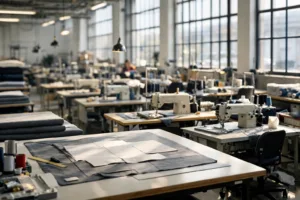
Why Speed Matters in Fashion: The TikTok Trend Effect
In the era of fast fashion supply chains and viral TikTok trends, brands must react quickly to consumer demand. A two-week delivery can now make or break a collection. This is where domestic, reactive manufacturing moves from advantage to necessity. With shorter lead times, brands catch micro-trends before they fade. For example, when a style explodes on TikTok, having a local partner means samples, approvals, and bulk runs are possible in a fraction of the time compared to overseas options.
The Fast Fashion Supply Chain: A Quick Primer

Fast fashion thrives on rapid design-to-shelf cycles. In traditional overseas supply chains, lead time often stretches to 60–120 days. Factoring in shipping, customs, and unforeseen delays only makes timelines longer. That’s a serious handicap if the goal is to capitalize on fleeting social media-driven demand. Brands moving to a domestic supplier can see this window compress to just 10–21 days, enabling true agility.
What is Reactive Manufacturing? Defining The Model
Reactive manufacturing means adjusting production flow in real-time, triggered by immediate market data or trend signals. While traditional production is forecast-driven and batch-based, reactive setups allow apparel brands to produce fast, small batches on demand. This model fits the TikTok era, where a viral product may have a brief, intense sales spike. The advantages? Lower risk of dead stock and more successful trend hits.
Lead Time: Domestic vs. Overseas Manufacturing
| Factor | Domestic Manufacturing | Overseas Manufacturing |
|---|---|---|
| Sample Lead Time | 3–7 days | 2–5 weeks |
| Bulk Production | 7–14 days | 30–90 days |
| Delivery/Risk | Fast, predictable | Slow, higher |
| Minimums (MOQs) | Often flexible | Typically higher |
This speed advantage is one reason more brands are investing in localized manufacturing solutions, especially for influencer-driven capsule drops.
How Brands Catch TikTok Micro-Trends
Trends now emerge, peak, and fade over days—not months. Domestically operated “quick reaction” supply chains allow brands to:
- Review and approve samples within days
- Release limited runs based on real data
- Avoid massive pre-season bets on what might sell
- Gain first-mover advantage before competitors import similar styles
Case Study: The Two-Week Collection Launch
An athleisure startup monitoring TikTok trend surges wanted to capitalize on a viral crop top silhouette. Working with a domestic supplier, they:
- Requested samples—received in 5 days
- Tweaked fit and color based on influencer feedback
- Completed production in 9 more days
- Hit the market 11 days before competitors relying on imports
This allowed them to ride the viral wave at its peak, selling out in a week and planning a restock before the trend faded.
The Real Cost of Speed: More Than Price Per Piece
Domestic manufacturing usually means higher labor costs per item. However, this is more than offset by:
- Lower risk of unsold stock
- Ability to adjust or pause orders mid-cycle
- Massively decreased shipping costs and duties
- Smaller cash outlays for each run
Short lead times also bring fewer headaches dealing with customs, geopolitical delays, or communication barriers. These hidden costs are often underestimated. Want to see the full cost picture? Our guide on how to calculate landed cost step-by-step can help.
Ninghow Apparel Insight: Quick-Response in Action
As a practical example, teams at Ninghow Apparel use pre-approved stock fabrics, smart pattern blocks, and daily order monitoring to cut sampling and production to 10–14 days for typical reactive runs. The real trick is keeping communication clear—late approvals and unclear changes are what stretch timelines. Their advice? Lock in your size block, approve materials early, and keep points of contact tight.
Small Runs, Big Wins: Reducing Risk While Testing Trends
Quick-response manufacturing is tailor-made for piloting trend-driven collections. Instead of risking 10,000 units overseas, brands might release a 200-unit drop domestically—selling out and restocking only if demand stays hot. This is vital for startups and DTC labels with limited capital. For bigger brands, it’s a smart workaround for unpredictable colors or styles—a strategy detailed in our guide to high MOQs and inventory risk.
The Anatomy of a Localized, Reactive Supply Chain
What makes a local supplier “reactive”?
- In-house sampling & patternmaking
- Stock or near-available fabrics
- Semi-automated production lines that can change style quickly
- Flexible QCs who can approve in hours, not days
- Responsive trim/print/accessory partners nearby
This network can turn a TikTok concept into a shelf-ready order, fast.
Domestic Lead Time Breakdowns: Fabric, Trims, and Finishing
The true pace of a quick response model depends on sourcing bottlenecks. Domestic suppliers excel when:
- Main fabrics are in-stock or produced nearby
- Trims (labels, hangtags, prints) can be locally sourced or digitized
- Finishing and packing are in-house, avoiding transit loss
Stumbles typically occur if a critical component must be imported—a delay measured in weeks, not days. That’s why smart brands standardize elements whenever possible.
Customization, Sizing, and Fit: Not Lost in Speed
Many fear that rushing production will mean fit or quality corners are cut. Experienced domestic manufacturers blend speed with control by:
- Using digital pattern archives with approved grading
- Running test markers before bulk
- Offering real-time fit model feedback
If you’re new to optimizing both speed and fit, our deep dive on clothing customization and sizing shows how it’s managed in high-tempo workflows.
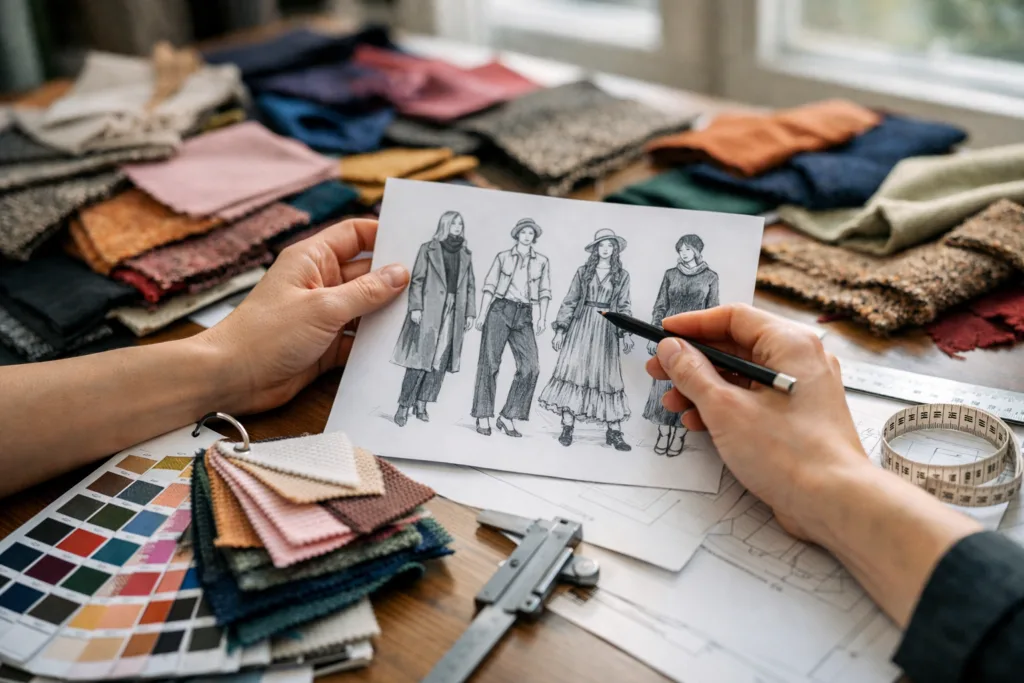
Not Just for Startups: When to Use Quick Reaction Manufacturing
Quick response isn’t just for emerging brands. Larger retailers use this model to:
- Test risky trends in microdrops
- Restock core basics during unexpected surges
- Localize styles for targeted seasonal launches
The Environmental Angle: Waste Less, Respond Smarter
One overlooked advantage of reactive manufacturing? Sustainability. By producing closer to demand, brands avoid overproduction and landfill buildup. While it doesn’t automatically guarantee green credentials, it slashes the chance of unsold inventory—a crucial step for brands serious about lessening their footprint.
Quality Control: Can Fast Still Mean Good?
Some worry speed means sacrificing quality. In reality, fast fashion doesn’t have to mean poorly made. Leading domestic factories invest in robust QA processes that track fit, stitching consistency, and material handling on tighter schedules than offshore competitors.
Potential Pitfalls: Where Reactive Manufacturing Can Falter
Quick cycles require exceptional teamwork. The most common stumbles are:
- Late sample approvals
- Poor communication or unclear briefs
- Bottlenecks in component sourcing
- Overly complex product designs
Working with a seasoned, communicative supplier matters as much as location.
Will Domestic Manufacturing Costs Drop?
While per-unit labor is unlikely to fall, technology (automation, digital sampling, on-demand printing) is helping local producers boost efficiency. The gap between offshore and domestic is shrinking—especially as shipping, tariffs, and timelines for imports grow less predictable.
How to Choose a Domestic, Quick Response Partner
When evaluating domestic suppliers for speed-to-market needs, look for:
- Proven examples of rapid turnarounds
- Strong English and clear communication channels
- Stock fabric and local trim options
- Transparent lead time breakdowns
- References from brands leveraging the fast fashion supply chain
Transparency and Trust: Open Costing in Fast Production
Trust is everything when speed amplifies risk. Leading suppliers will break down cost components transparently, so you understand fabric, labor, trim, and finishing charges. This prevents surprise charges mid-production.
Communication and Approvals: The Key to Rapid Delivery
Brands need to move as fast as their supply chain. Timely signoff on samples, fit changes, colors, and trims are essential for tight lead times. Delays—even a day or two—can erase a week’s speed advantage.
The Edge of Local: Not Just Speed But Market Proximity
Working with local partners makes it easier to:
- Visit factories if needed
- Collaborate directly on product development
- Stay nimble to evolving market signals
This “closeness” offers intangible but valuable advantages.
Speed to Market: When Local Manufacturing Wins
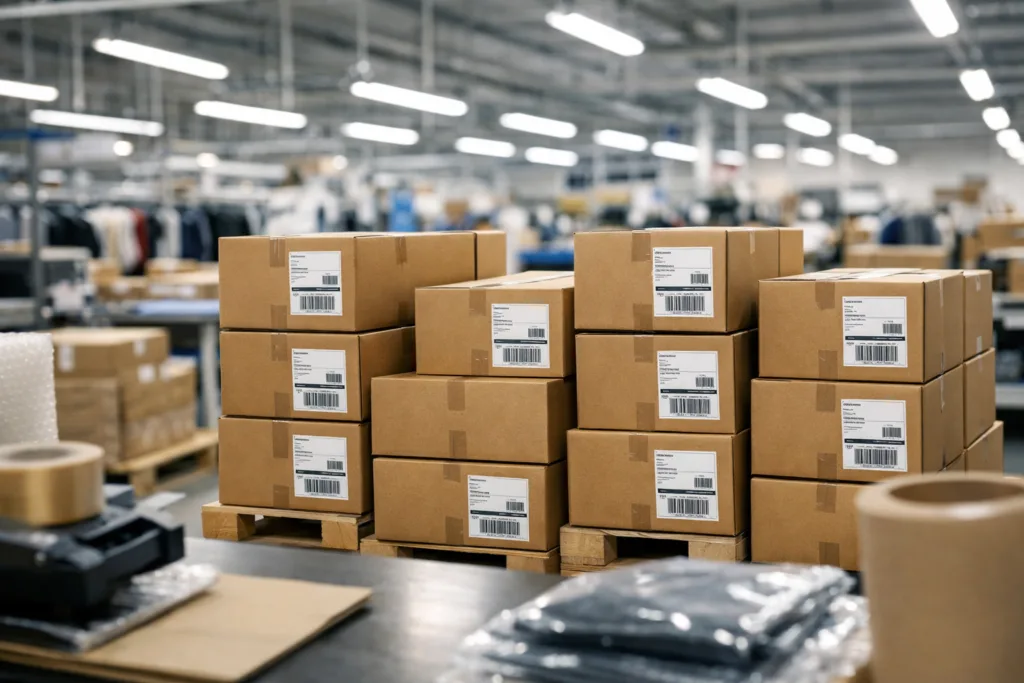
Fast-moving brands chasing social-driven demand know the most valuable asset is time. Domestic, reactive supply chains empower teams to move from idea to launch, sometimes in under two weeks. For many, this is the only way to win, not just keep up, in the modern fashion game.
Frequently Asked Questions
What is reactive manufacturing in apparel?
It’s a flexible production approach that responds to real-time market demand, enabling brands to quickly adapt designs and quantities, minimizing wasted stock.
How fast can a local manufacturer deliver new apparel?
With strong communication and readily available materials, domestic factories can. handle runs in as little as 10–14 days, much faster than traditional overseas timelines.
Is domestic manufacturing suitable for large brands?
Yes. Major retailers often use quick response suppliers for test launches, reorders, or trend-driven micro collections in addition to their overseas runs.
Does speed always mean lower quality?
No. Well-managed domestic factories balance speed and quality through in-process QC and rapid feedback loops, preventing the common trade-offs seen overseas.
How do I minimize costs in a reactive supply chain?
Standardize fabrics, streamline trims, lock in fit approvals early, and order smaller test batches to learn demand before scaling production up.
Is reactive, domestic manufacturing more sustainable?
Yes. Producing only as needed reduces overproduction and unsold inventory, cutting down waste and overall environmental impact.
Related Reading
- Domestic vs Overseas: 2024’s Cost, Quality & Ethics Showdown
- How Apparel Manufacturing Really Works: A Complete Step-by-Step Guide
- Nearshoring Unveiled: How Mexico and Turkey Are Changing the Apparel Sourcing Map
- Essential Printing Methods Compared for 2024 Custom Apparel
- How to Hack MOQs: Multi-Style Fabric Consolidation in Apparel