
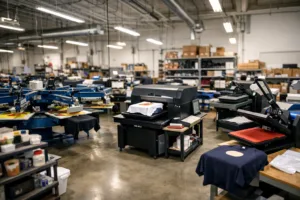
Introduction: Unveiling Printing Methods for Custom Apparel
Custom clothing has become an essential part of showcasing individuality and branding. As the demand rises, businesses and designers seek effective printing methods to achieve vibrant, durable, and unique designs. Understanding these techniques is crucial whether you’re launching a clothing line or personalizing team uniforms. This article explores the primary printing methods for custom apparel, their practical pros and cons, and expert tips for choosing the right process for your needs.
What Is Custom Clothing?

Custom clothing refers to garments personalized with unique designs, logos, or messaging using advanced printing processes. These methods allow for creative freedom and can transform basic apparel such as t-shirts, hoodies, polos, and shorts into branded or expressive pieces suited for businesses, events, and fashion brands.
Why Printing Method Matters for Custom Apparel
The printing method influences design sharpness, color accuracy, durability, and cost. Choosing the right process affects how your apparel looks and feels, and can impact brand perception and longevity.
Overview: Comparing Key Printing Technologies
| Method | Best Use | Strengths | Limitations |
|---|---|---|---|
| Screen Printing | Bulk orders, bold designs | Vivid colors, cost-effective | Limited detail, setup cost |
| Digital Direct to Garment (DTG) | Small batches, photo quality | Fine detail, unlimited colors | Higher unit cost, slower for bulk |
| Sublimation Printing | Polyester, all-over prints | Full coverage, soft feel | Fabric limitation (synthetics) |
| Heat Transfer | Custom names/numbers | Flexibility, on-demand | Lower durability, can crack/peel |
Screen Printing: The Classic Approach
Screen printing uses mesh screens and inks to transfer a design onto the fabric. It’s ideal for simple graphics and solid colors. Ninghow Apparel often uses screen printing for larger runs, especially when bold color pop is essential. Adjusting mesh and ink viscosity is critical to preventing bleeding and ensuring crisp lines.
Screen Printing Benefits
- Economical for high volumes
- Durable with vibrant inks
- Best for logos and basic graphics
Limitations to Consider
- Designs with many colors require extra setup
- Not great for photo-quality images
- Layout adjustments can be costly
Digital Direct-to-Garment (DTG) Printing: High-Detail for Small Batches
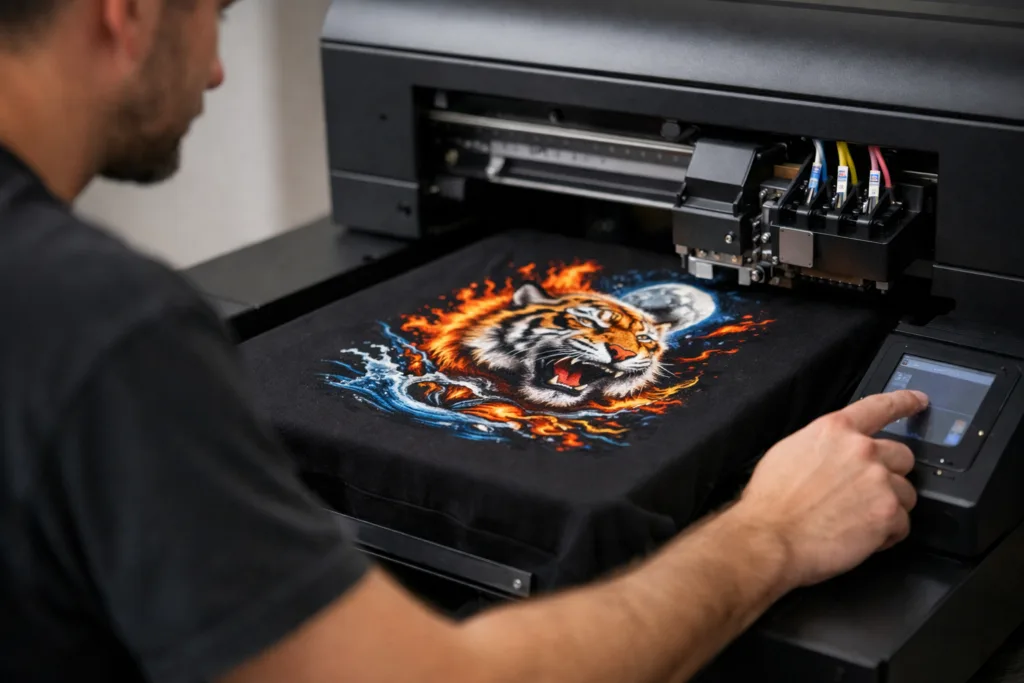
DTG printing works like an inkjet printer for apparel. It sprays water-based inks directly onto the fabric, allowing for detailed, multi-color designs and gradients. DTG is perfect for brands testing limited runs or samples, as there’s minimal setup cost, and you can print single pieces without waste.
DTG Printing Benefits
- No minimum order quantity required
- Photo-realistic results
- Fast turnaround for prototypes
DTG Limitations
- Higher unit cost for bulk orders
- Requires careful handling for wash durability
- Works best on light-colored, cotton fabrics
Sublimation Printing: All-Over Design Possibilities
Sublimation printing infuses ink directly into synthetic fabric (usually polyester) using heat and pressure. The result is soft, vibrant prints that are part of the fiber, ideal for sportswear, leggings, and all-over patterns. To explore specifics, visit the detailed guide: What Is Sublimation Printing in Apparel?.
Sublimation Printing Pros
- Complete design freedom (edge-to-edge prints)
- Designs won’t crack or fade
- Perfect for activewear and performance items
Challenges of Sublimation
- Only works on synthetic fabrics (mostly polyester)
- White or light-colored garment base required
- Higher unit cost for small orders
Heat Transfer Printing: Customization for Names and Numbers
This method applies a design onto apparel using a heat press and transfer paper or vinyl. It’s ideal for individualized items such as sport uniforms or promotional giveaways. Heat transfer lets you quickly personalize graphics, names, and numbers with minimal setup.
Heat Transfer Advantages
- Flexible for short runs
- Wide substrate compatibility
- Works for both synthetic and cotton fabrics
Drawbacks of Heat Transfer
- Print layer may crack or peel over time
- Lower breathability compared to other methods
- Can have a noticeable feel on garments
Embroidery: Beyond Printing for Durable Branding
Although primarily a stitching method, embroidery is sometimes grouped with garment printing as it places designs directly onto fabric. It’s used for logos on polos, hats, and jackets, offering a premium, tactile finish. Embroidery stands out for its durability and professional appearance.
Embroidery Benefits
- Long-lasting and fade-resistant
- Ideal for logos and uneven surfaces
- Enhances garment perception
Embroidery Limitations
- Higher pricing for large designs
- Not suited for photo or gradient images
- Cannot achieve very fine detail
Choosing the Right Printing Method
When selecting a printing technique for custom clothing, consider:
- Order quantity
- Design complexity
- Preferred garment fabric
- Budget constraints
- Required durability and finish
For example, bulk uniform orders often favor screen printing, while samples and artistic pieces benefit from DTG.
Real Manufacturing Insights: Factory-Level Decisions
As Ninghow Apparel, a garment manufacturer, emphasizes, every printing method needs careful process control. Screen printing relies on mesh tension and ink batching for color consistency; DTG demands climate-controlled rooms to ensure ink stability; sublimation requires precise pre-treatment and temperature monitoring. Experienced operators conduct pre-production testing and batch reviews to verify color fidelity and minimize production waste.
Fabric Matters: How Material Choice Affects Printing
Different fabrics respond differently to each printing method. Cotton is excellent for screen and DTG printing due to its absorbency. Polyester is the preferred substrate for sublimation, and blended fabrics may restrict design quality. Consult with your fabric manufacturing specialist to optimize outcomes.
Customization Trends: From Mass Production to Personalization
Advances in printing allow even startups to produce small runs with photorealistic designs. The industry now supports low Minimum Order Quantities (low-MOQ options), making custom clothing accessible for smaller brands, influencers, and events.
Quality Control: Ensuring Reliable Custom Clothing Prints
Consistent QC is vital to prevent defective prints, misalignment, or color mismatches. Factories follow strict protocols, including sample batch inspection and real-time production checks. For more on QC practices, visit apparel manufacturing quality control.
Printing Methods for Custom Apparel: In-Depth Guide
Screen printing works best for large, solid area designs, but loses detail with gradients or complex artwork. DTG excels with fine art and photographic images but can be pricier for sizeable runs. Sublimation opens up edge-to-edge printing possibilities, and heat transfer serves quick, personalized jobs. It’s essential to balance ambition with production realities—every method carries distinct trade-offs.
Eco-Friendly Printing in Custom Clothing
Growing concern for sustainability drives brands to seek greener printing solutions. Water-based inks, recycled transfer materials, and energy-efficient production processes can reduce environmental impact. When sourcing from factories, ask about their sustainable practices and certified materials (sustainable manufacturing).
Private Label and OEM Printing Solutions
For brands seeking high flexibility and exclusivity, private label OEM manufacturing offers custom printing with secure design confidentiality. You can select fabrics, print methods, and special finishes. Learn about manufacturer options at private label apparel manufacturing.
Optimizing Your Artwork for Each Printing Method
Artwork setup, color profiles, and file formats vary by process. Screen printing requires vector files for clear separation of color layers. DTG accepts high-resolution PNGs and JPEGs. Sublimation needs CMYK setups, and heat transfer works best with solid, crisp designs. Work closely with your factory’s production lead to avoid costly errors.
Mistakes to Avoid When Choosing Printing Methods
- Using the wrong substrate for the printing method
- Overcomplicating designs for screen printing
- Skipping prototype tests or pre-production samples
- Failing to specify desired durability (wash testing)
Budgeting and Price Factors for Printing Custom Clothing
Screen printing sees bulk cost drops after initial setup. DTG has stable pricing across small runs. Sublimation and heat transfer costs can fluctuate due to artwork complexity and garment selection. Review target pricing strategies to negotiate effectively.
Sample Production: The Role of Test Runs
Prototyping and sample runs help brands preview printing quality and fit. It’s an industry best practice to test artwork, colorfastness, and placement before committing to mass production.
Lead Times: How Printing Method Impacts Delivery
Screen printing and heat transfer can process orders quickly once setup is complete. DTG is convenient for rapid small-batch output. Sublimation may need longer prep due to fabric sourcing and pre-treatment.
Packaging and Finishing: Protecting Custom Prints
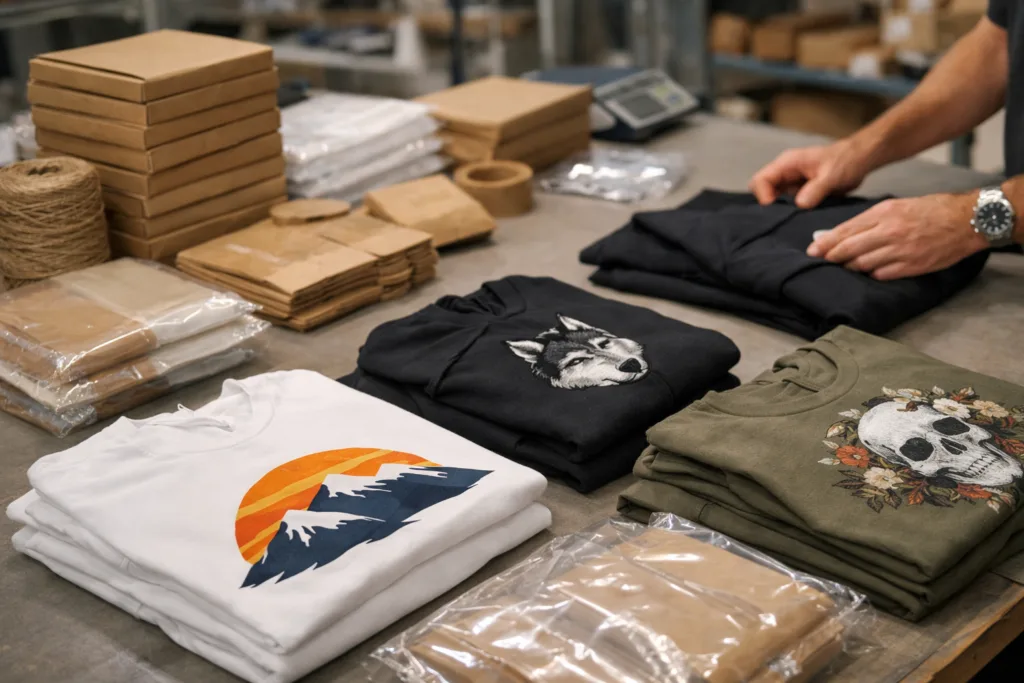
Proper packaging safeguards printed designs from abrasion and moisture during transport. Factories may offer custom folding, polybagging, and carton solutions tailored to print type.
Ordering Custom Apparel: Step-by-Step Essentials
Define your design, select fabric and printing method, request samples, review pricing, confirm QC protocols, and approve production. Transparency with your supplier prevents misunderstandings.
Printing Methods for Custom Apparel in 2024 and Beyond
Technological advances like automated color calibration, digital workflow integration, and eco-inks continue to shape printing possibilities. Brands can expect more flexibility, reliability, and creative control with every passing season.
Frequently Asked Questions
What’s the best printing method for cotton t-shirts?
Screen printing and DTG are both excellent choices for cotton, depending on batch size and design complexity. Screen printing excels at bold graphics, while DTG delivers photo-quality detail.
Which method lasts the longest on apparel?
Screen printing and embroidery are generally the most durable, especially with proper ink and stitching. Sublimation is permanent on synthetic fabrics.
Can I print on organic and recycled fabrics?
Yes, many print methods work on organics and recycled textiles. Confirm fabric compatibility and ink type with your manufacturer.
Do I need high-resolution artwork for printing?
Yes. Vector files (for screen printing) and high-resolution raster images (for DTG and sublimation) ensure clear, sharp prints.
How can I minimize waste in custom apparel printing?
Choose print-on-demand methods, optimize sample runs, and collaborate with suppliers on sustainable practices and efficient layouts.
What’s the typical lead time for printed custom clothing?
Lead times depend on method and quantity. Screen printing and heat transfer can be fast for bulk, while DTG is swift for small batches. Factor in sampling and artwork approval.