

Introduction: Unlocking Target Price Strategy
In apparel sourcing, “target pricing,” “reverse costing,” and “wholesale price structure” aren’t just buzzwords—they’re guiding principles for hitting the sweet spot between garment quality and cost. Target Price Strategy: Giving the Factory a Number to Hit flips the script: instead of asking factories for their prices, you specify your price goal up front, challenging them to propose solutions that fit. This puts you in control, speeds up negotiation, and helps factories suggest process, material, or design tweaks to make your price feasible. Whether you’re a startup, scaling brand, or veteran merchandiser, understanding and implementing target pricing will transform your manufacturing results.
What Is Target Price Strategy: Giving the Factory a Number to Hit?
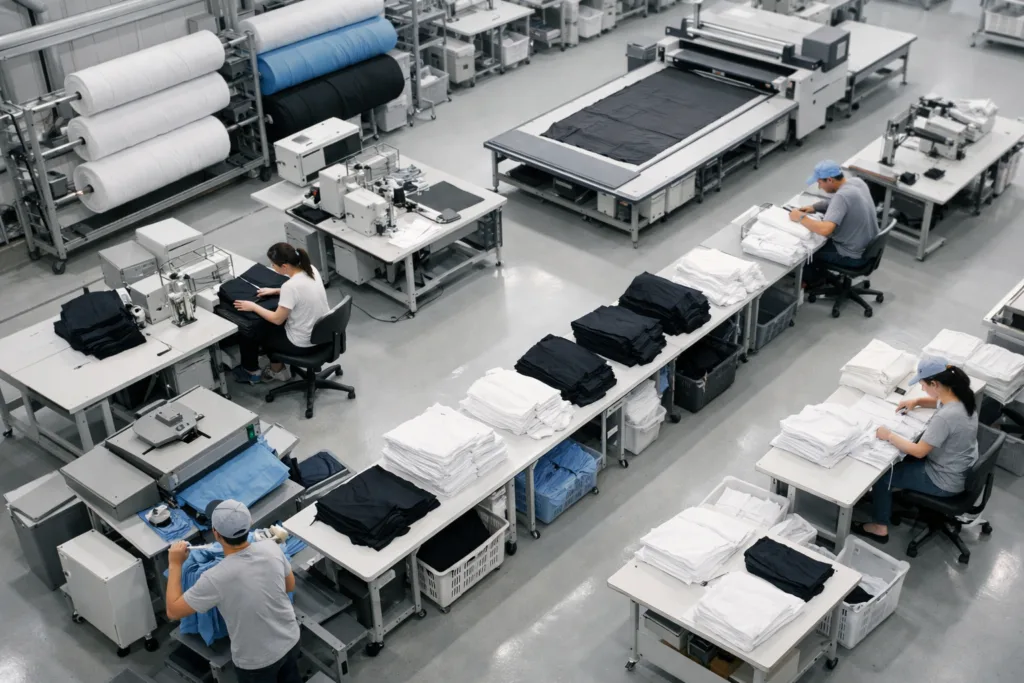
Target Price Strategy means that you, the buyer, define a price you want to achieve for a product and ask the factory how they can produce to match it. Instead of the factory quoting you first, you present your desired price point—then the factory reviews material choices, process steps, and spec adjustments to see how they can meet your number.
Why Target Pricing Works in Apparel Manufacturing
A clear price target gives factories room to propose alternative materials, simplify construction, or adjust order quantity. It encourages creative problem-solving and makes everything transparent from the start.
The Difference Between Target Pricing and Reverse Costing
Target pricing is proactive: the buyer sets the price, then the factory creates solutions. Reverse costing is analytical: the buyer breaks down the costs from existing quotes or finished products to understand what’s driving price, then negotiates from there.
| Approach | Who Drives | Main Benefit |
|---|---|---|
| Target Pricing | Buyer | Factory customizes solution to hit buyer’s number |
| Reverse Costing | Buyer | Pinpoints negotiation levers for price reduction |
Why Factories Like Target Pricing
Factories prefer clarity—they don’t want to guess what you’ll accept. If you say “I need to hit $5/unit for this tee, can you do it?”, they can engineer a response: trim spec, suggest alternative fabric sources, or alter packaging. This saves time by focusing options and helping both sides move fast.
Wholesale Price Structure Explained
Wholesale price structure shows the cost breakdown at different order volumes, fabric choices, and finishing specs. Understanding how factories structure pricing—a base price, surcharges for low MOQs, premium finishing, or branded packaging—lets you optimize your orders.
| Element | Impact on Price |
|---|---|
| Order Quantity | Larger volume lowers unit price |
| Fabric Choice | Premium fabric adds cost |
| Print/Embellishment | Complex print increases price |
| Packing Method | Individual bags adds cost |
Setting Your Target Price: Core Factors
How do you decide your target price? Consider retail benchmarks, competitor pricing, margin goals, and desired quality. Use data from market analysis and supplier discussions to set an informed number. Don’t forget to account for logistics, duties, and fees.
Communicating Target Price: Best Practices
Always be direct. Share your target price with supporting specs and the rationale behind your goal. Ask the factory, “What’s the best way to achieve this price point with the material, trims, and finishing I want?” This opens a conversation rather than a standoff.
What Happens Next: Factory Response Workflow
Factories analyze your design, specs, and target price. They often reply with options—suggesting alternative fabrics, lower-cost printing techniques, or minimized trims to meet your number. Some may offer different pricing tiers depending on order volume or adjustments.
Tactics for Apparel Buyers: From Spec Flexibility to MOQ Leverage
- Prioritize essential design details
- Be open to fabric substitutions
- Consider quantity increases to unlock price breaks
- Ask for price breakdowns by spec and process
Case Example: T-Shirts for $3.50 Each
If you want basic tees at $3.50/unit, tell the supplier: “Show me what’s possible at $3.50—fabric, stitching, print options, MOQ.” The factory may suggest 100% cotton vs. blend, simplified tags, or boxed packing to fit your number.
Reverse Costing: Diagnostic Tools for Price Negotiation
Reverse costing lets you dissect existing quotes. Break down fabric cost, labor, embellishments, and packing. If you spot a high line item, ask how it can be reduced or swapped—this gives you bigger leverage on negotiations.
- Material cost overruns? Swap to in-stock fabrics.
- Labor cost high? Simplify construction details.
Tiered Pricing Structures: Volume vs. Value
Most factories set tiered prices: higher quantities, lower unit prices. Always ask for pricing at different order levels. Sometimes, paying a bit more per unit is worth lower MOQ risk; sometimes, scaling up yields huge savings.
Understanding Price Break Worksheets
Request breakdowns like: “100 units = $5.20, 500 units = $4.10, 1000 units = $3.50.” Compare against your cash flow, sales projections, and storage capacity.
Common Pitfalls When Setting Target Prices
- Unrealistic numbers: Don’t ignore market realities
- Ignoring quality impact: Cutting price often means lowering spec
- Misunderstood specs: Factories may quote low by omitting key features
Solving the Quality vs. Cost Trade-Off
Be clear: if you set a target price, be ready for downside trade-offs. The factory may have to compromise on fabric quality, care labels, or stitching type—all of which affect the final product.
Practical Shop-Floor Insights: Ninghow Apparel Perspective
At Ninghow Apparel, the production team often receives buyer target prices and works backward: simplifying patterns, prioritizing core trims, and recommending fabric substitutions. Experienced managers flag sample quality “dead giveaways” early and always inform buyers if the target price will force visible trade-offs. It pays to listen when the factory pinpoints MSRP/quality mismatches—or you risk disappointing your customers.
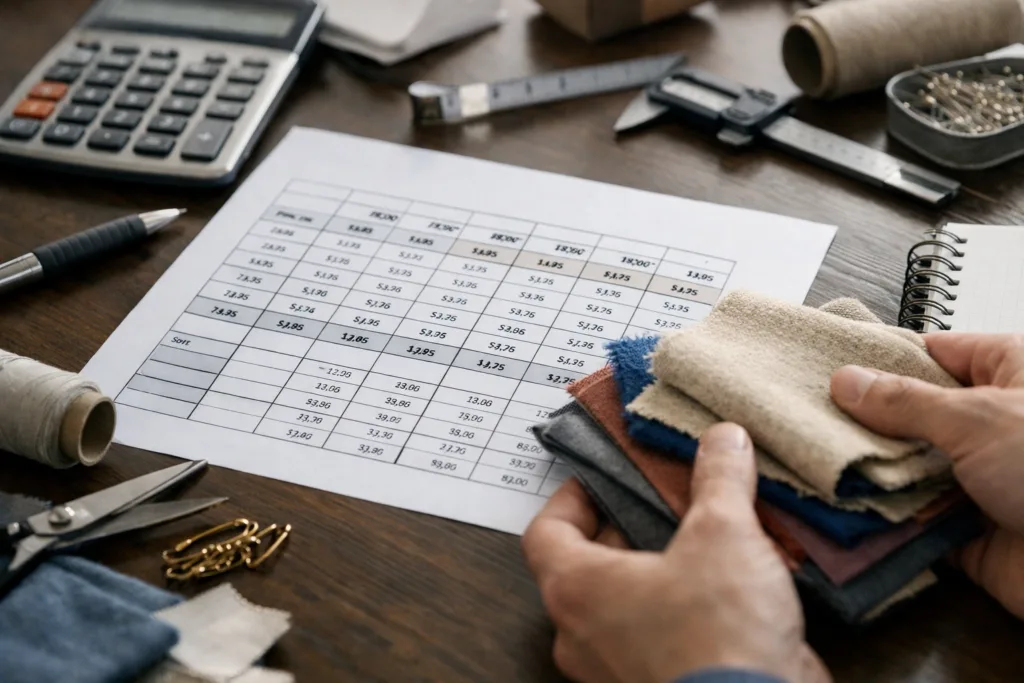
Collaborative Cost Engineering: Buyer & Factory Win Together
- Ask for factory suggestions based on their expertise
- Share your sales goals and customer expectations
- Build pricing transparency—request itemized breakdowns
How to Negotiate When Factory Says “It’s Not Possible”
If a factory says “No,” ask for their bottom price and what specs drive cost. Explore minimum order increases, fabric switches, or alternate finishing methods. Sometimes, shifting production region helps unlock savings—say, sourcing volume basics from Bangladesh or Vietnam.
Using Pricing Worksheets and Cost Modeling Tools
Organize quotes with simple tools. Compare price structures across factories. Ask for transparency, and clearly record spec swaps so everyone stays aligned. It’s wise to benchmark using info from wholesale garment suppliers for market-standard pricing.
Strategic MOQ Management for Target Pricing
Minimum Order Quantities (MOQs) are core to unlocking factory price breaks. If your target price is tough to hit, consider consolidating orders across styles or colors, or pay a surcharge for low MOQ—reference strategies found in the tiered pricing guide.
Material Choices: Cost Drivers and Substitution Options
Fabrics drive most garment cost. Factories may suggest in-stock materials to keep costs low or advise buyer on seasonal availability. Opting for sustainable fabrics usually increases price—an honest trade-off that apparel buyers must consider.
Sample Development: Price Benchmarks Before Production
Before mass production, request samples at your target price—this confirms whether quality matches expectations. Sample quality, fit, and finishing are early indicators; check out tips from sample vetting guides.
Packaging and Branding: Hidden Cost Elements
Custom packaging, woven labels, and branded trims add significant cost. If these are needed, negotiate what’s included at your target price. Clarify packaging specs from the start to avoid budgeting surprises.
Shipping, Taxes, and Duties: How They Affect Target Pricing
Don’t overlook non-production costs—shipping rates, customs duties, and local taxes. These can turn a “hit price” into a loss once landed. Always request landed cost estimates alongside FOB pricing.
Quality Control and Predictable Delivery: The Final Step
Ensure that your negotiated price includes reliable QC and predictable lead times. Poor QC leads to costly returns and reputational risk. Reference quality control expertise to avoid missteps.
Implementing Target Price Strategy: Real-World Checklist
- Define your price and quality goals
- Communicate specs and priorities
- Ask factory for cost-engineered solutions
- Review and adjust specs as needed
- Benchmark against competitor offers
Target Price Strategy: Giving the Factory a Number to Hit in Action
The strategy delivers best results when buyers provide clear targets (price, spec, quantity) and factories respond with transparent breakdowns. It requires flexibility and honest communication about what’s possible. Success hinges on buyer willingness to adapt—and factory expertise in cost engineering.
Conclusion: Key Takeaways for Apparel Brand Owners

“Target Price Strategy: Giving the Factory a Number to Hit” gives buyers maximum control and speeds up negotiation. Open communication and practical flexibility unlock factory expertise, leading to smart compromises and efficient sourcing. Ready to try? Start by sharing your price ambitions and listen closely to factory feedback—it’s the fastest path to reliable pricing and quality balance.
Frequently Asked Questions
How can I set a realistic target price?
Research market retail prices, competitor offerings, and typical factory cost structures. Adjust your number for material, quality, and MOQ.
Will factories always agree to my target price?
No. If your expectation is too low, factories may offer alternatives or decline. Be ready to discuss flexibility or increase volume if needed.
What happens if I push for too low a price?
You’ll likely end up sacrificing fabric quality, construction detail, or packaging. Communicate minimum acceptable standards up front.
How does target pricing compare to traditional quoting?
Target pricing flips negotiation—buyers set the price goal, and factories respond with solutions instead of quoting first. It’s faster and more transparent.
How can I verify sample quality at my target price?
Request samples before mass production and inspect for key workmanship signs, fit consistency, and finishing. Reference vetting guides for expert tips.
Does MOQ always affect my target price?
Yes. Higher MOQ usually unlocks lower unit cost. Factories may charge premiums for low quantities or suggest style consolidation to help you hit price goals.
Related Reading
- Expert Strategies: Negotiating Price and Quality Without Sacrifice
- Unlock Smarter Sourcing: Understanding Tiered Pricing for Apparel Orders
- 7 Warning Signs: How to Spot Bad Sample Quality in Apparel Manufacturing
- Quality Control Checklist for Predictable Apparel Production
- Scaling Up: 7 Steps for Moving From Small Batch to Mass Apparel Production