
Introduction
If you’ve developed a unique fabric or a one-of-a-kind fit, protecting your intellectual property becomes crucial—especially when working with overseas factories. Manufacturers often handle orders from several brands, meaning your custom innovations are vulnerable to leaks or outright copying. Exclusivity agreements and non-compete clauses play an indispensable role here, ensuring your manufacturer doesn’t resell your unique materials, patterns, or styling to competitors. Let’s explore how brands use these agreements to create robust competitive barriers.
Understanding Manufacturing Exclusivity and Non-Compete Agreements
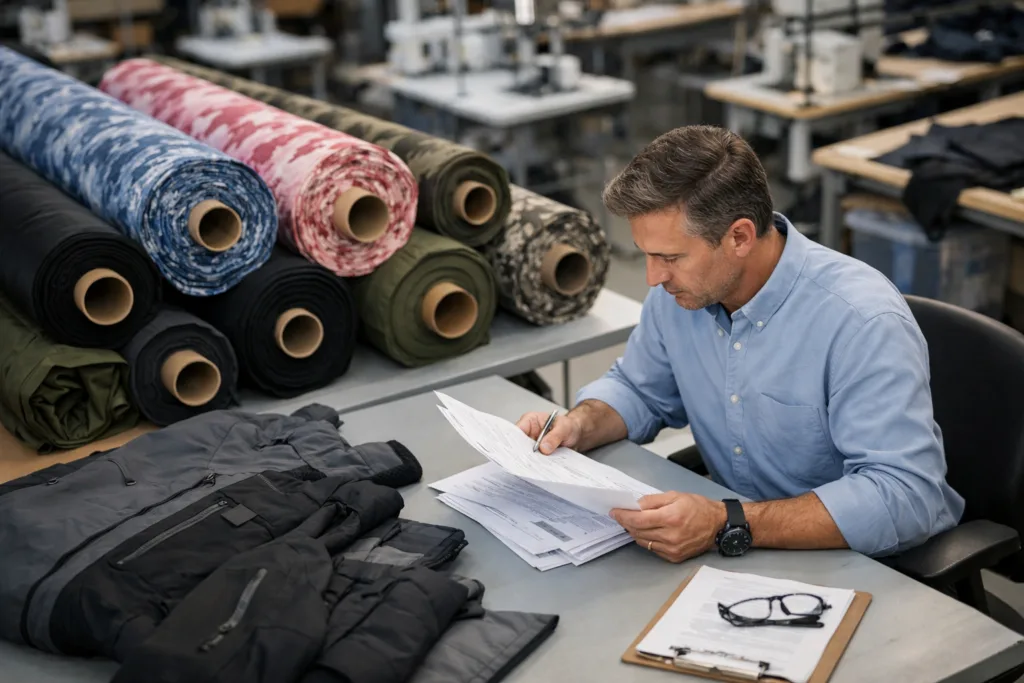
At their core, manufacturing exclusivity and non-compete agreements are legal tools that restrict a factory from running your product for other clients or passing on proprietary materials. This is especially important if you’ve put months into R&D for a signature knit, a patented dye process, or fit blocks that define your brand identity. Manufacturers—like those specializing in T-shirts or hoodies—may be tempted to offer these “innovations” to the next buyer unless formally restricted.
The Stakes: Why Competitive Barriers Matter
Securing exclusivity goes beyond protecting your designs—it’s a safeguard for your pricing power, market position, and even future brand collaborations. If your unique materials end up in the hands of competitors, it can erode consumer trust and diminish your product’s uniqueness.
Legal Framework for Manufacturing Exclusivity Agreements
Legal agreements must clearly define:
- Product, fabric, or pattern scope
- Production limits (region, duration, channels)
- Penalties for breach
- Confidentiality and supply chain controls
Every clause must be tailored to your actual manufacturing situation. See our in-depth guide to essential clauses for strong manufacturing agreements for detailed breakdown.
Protecting Unique Fabrics and Custom Fit Blocks
Brands often spend years developing proprietary fabrics (special blends, finishes, weaves) and unique fit blocks (body proportions, grading). These are often the result of intensive product development and must be referenced specifically in your exclusivity agreement—down to fiber content and pattern codes. Ninghow Apparel, for example, regularly documents custom fit blocks and fabric specs with attached lab reports and pattern swatches, ensuring legal clarity.
Preventing Production Leaks to Competitors
Factories may run “ghost orders” or offer your innovation to rival brands. To prevent this:
- Set clear supplier-facing boundaries (no re-orders without your approval)
- Audit production runs
- Require signed non-compete clauses from both the factory and sub-suppliers
Key Elements to Include in Exclusivity Agreements
Critical inclusions:
- Detailed definition of protected items (e.g., unique yarn, dye formula, fit specs)
- Factory-wide scope (not just one line or division)
- Controls for sub-contractors and material vendors
- Measurement and inspection rights for brand-side audits
- Penalties for violation (financial, order cancellation, loss of business)
- Clear timeline—usually matching your product lifecycle
- Jurisdiction and dispute resolution terms (tip: favor your home country where feasible)
Negotiation Tips for Fashion Brands
Negotiating exclusivity is delicate. Factories may resist, especially if they rely on a few large buyers. Try these tactics:
- Offer fair compensation for exclusivity (higher margin, guaranteed minimum order)
- Limit exclusivity to specific SKUs, fabrics, or regions
- Provide proof of ongoing business, not just first-time orders
- Invest in relationship-building—open communication, factory visits, transparency
What Can (and Can’t) Be Protected
Not everything qualifies for exclusivity. Broad basics—like generic jersey—rarely get protection, while custom dye recipes or proprietary blends do. Always consult legal counsel on enforceability, especially for emerging markets or overseas manufacturing.
Case Study: Protecting a Unique Athletic Jersey
Imagine launching a jersey made from a moisture-wicking fabric blend, with a proprietary mesh pattern. Your agreement should specify:
- Blend ratios and yarn suppliers
- Mesh pattern dimensions
- Fit grading (including pattern codes)
- Duration of exclusivity for the fabric and pattern
Risks of Not Using Exclusivity Agreements
Without clear barriers, factories can repackage your innovation for new buyers. You risk:
- Copycat brands flooding your market
- Losing pricing power
- Brand dilution—consumers notice when once-exclusive products become generic
Enforcement: How Brands Monitor Compliance
Practical tips for enforcing exclusivity:
- Routine factory audits (see how to audit a factory)
- Random sample checks
- Leveraging third-party inspection agencies
Common Factory Pushbacks (And How to Address Them)
Many factories push back on exclusivity terms:
- “We can’t run exclusive blends for small brands.” (Tip: Scale your orders, or focus exclusivity on limited runs.)
- “We need flexibility for other customers.” (Tip: Limit agreement to specific SKUs, not entire catalogs.)
- “Our suppliers handle raw materials, not us.” (Tip: Extend non-compete clauses to suppliers when possible.)
Sample Clauses for Manufacturing Exclusivity
Sample clause for a unique fabric:
- “Factory is prohibited from producing this [fabric specification] for any brand other than [Client] for a period of [X years], applicable to all sub-contractors and suppliers.”
Sample clause for pattern/fitting:
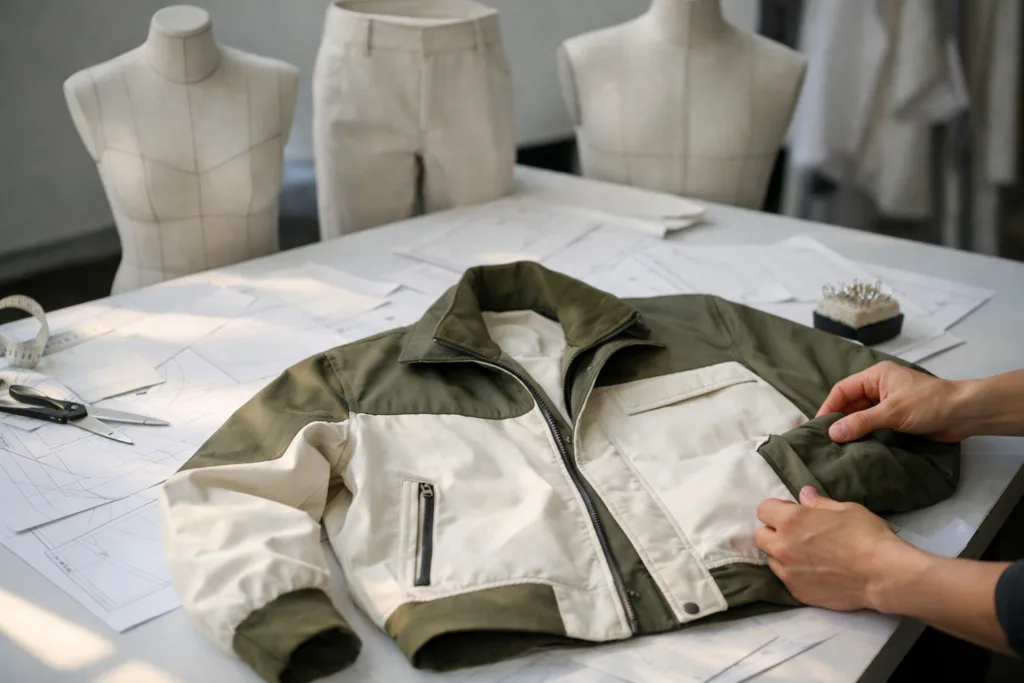
- “Factory agrees not to share, alter, or reproduce the [Pattern/Grading Sheet] for any third party without express written consent from [Client].”
Regional Differences: China vs. EU vs. USA
Enforcing exclusivity and non-compete agreements can be easier in the EU or US; China requires tighter controls and cultural sensitivity. For example, Ninghow Apparel emphasizes careful documentation and multi-layer supplier vetting during onboarding to reduce disputes.
Role of Supplier Vetting and Due Diligence
Before signing any exclusivity agreement, brands should conduct background checks and reference calls. The guide to supplier vetting shows how to assess honesty and track record, which is critical for handling proprietary innovations.
Quality Control as a Supplementary Barrier
QC is more than checking stitching—it’s about ensuring only your specified materials and patterns are used. Brands may implement additional QC protocols for exclusive items, preventing accidental cross-over. Learn more about apparel manufacturing quality control.
Best Practices for Drafting Exclusivity Agreements
For enforceable contracts:
- Work with bilingual lawyers familiar with your manufacturing region
- Attach technical sheets and material samples as contract exhibits
- Include dispute mechanisms that encourage fast, low-cost resolution
Limitations and Legal Nuances
Some markets (like China) may require government registration or extra steps for IP protection. Exclusivity terms may be limited by anti-trust law in some regions, especially if you demand total exclusivity on generic materials.
Pitfalls: Common Mistakes in Exclusivity Agreements
Brands often overlook:
- Vague scope—failing to specify materials, patterns, or time frames
- Not including penalties or monitoring rights
- Ignoring sub-suppliers, leading to leaks
- Assuming verbal agreements hold up internationally
Cost Implications: Does Exclusivity Mean Higher Prices?
Factories may charge a premium for exclusivity, covering risk and lost business. However, exclusivity can unlock stronger brand pricing and customer loyalty, which often outweighs upfront costs.
Alternatives to Full Exclusivity
Partial exclusivity covers specific markets, channels, or time frames. Brands may also use rolling exclusivity—renewing annually based on order volume.
Protecting Innovation Beyond Agreements
Sometimes, the strongest barrier is your ongoing innovation. Keep developing new fits, materials, and finishings so competitors are always a step behind.
Exclusivity Agreements: Locking in Your Manufacturer

In summary, locking in your manufacturer with well-crafted exclusivity and non-compete agreements is one of the sharpest tools for brands looking to protect their competitive edge. By carefully defining what is protected, monitoring compliance, and maintaining open communication, you build a relationship where your unique innovations stay yours alone. Always remember: the strength of your competitive barrier starts with clarity and enforceability—so invest the time to get it right.
Frequently Asked Questions
What is the purpose of a manufacturing exclusivity agreement?
It ensures that your manufacturer won’t produce your unique fabrics, fit blocks, or patterns for other clients, helping prevent competitors from copying your product.
Can factories resell my special fabrics to other brands?
Without exclusivity agreements, yes—they can. With proper clauses and quality control checks, you can reduce this risk significantly.
How do I enforce a non-compete agreement overseas?
Through detailed contracts, routine audits, and by invoking penalty clauses when breaches are found. Hiring local legal advisors can be invaluable.
Is it expensive to lock down a factory with exclusivity?
Factories may charge more, but the value lies in protecting your unique brand assets and maintaining market distinction.
What are common mistakes brands make?
Vague contract terms, not covering sub-suppliers, and relying on verbal promises are typical errors. Always use detailed, written agreements.
How long should exclusivity agreements last?
The duration should match your product’s lifecycle—commonly 1–5 years, or as long as your brand needs the competitive edge.